Plizio Visual Lab

Turov Cathedral Ruins
Plizio editorial teamData Sources
ruins
—°2
Turov Cathedral Ruins (Belarus)

Weather…

The ruins of the Turov Cathedral are among the most significant archaeological remains of medieval Belarus, dating back to the 1170s. At the time of its completion, it was the largest monumental stone structure in the Principality of Turov, reflecting the grandeur of the Kievan Rus architecture. The cathedral was the focal point of regional religious life and is closely associated with the life of Saint Cyril of Turov, a prominent medieval theologian. In 1230, a powerful earthquake struck the region, causing the cathedral to collapse, after which its foundations lay hidden for centuries. Archaeological excavations in the 1960s unearthed the massive foundation measuring approximately 29 by 18 meters. Today, the site is preserved under a modern protective pavilion that serves as an archaeological museum, showcasing ancient stone sarcophagi and various artifacts. It provides a unique window into the sophisticated masonry and spiritual heritage of 12th-century Eastern Slavs, making it a key historical landmark in the Gomel region.

Best time to visit & climate

The most pleasant time to visit is Jun–Aug.

JanFebMarAprMayJunJulAugSepOctNovDec
Avg °C-6-518141821201582-4
Rain mm474146457776966142595050

📋 Practical info

🚪
Visiting
Visitors can observe the preserved stone bases and structural outlines of the grand 12th-century cathedral, which are carefully laid out on the historical hill. Protective roofing has been constructed over the most delicate archaeological sections to safeguard them from weather damage.
🕒
Typical hours
The open ruins section can usually be visited at any time during daylight hours without restriction. However, any protective pavilion structure covering specific foundational artifacts often follows regular daily museum hours and might be locked during the late evening.
📷
Photography
Photographing the ancient brickwork and the scale of the foundations is permitted and highly recommended. The soft, golden lighting just before sunset highlights the textures of the old masonry brilliantly against the modern protective structures.
⏱️
Time needed
Spending thirty to forty minutes at the cathedral footprint is generally sufficient for most visitors to examine the layout and read the interpretive signs. Those with a deep interest in medieval religious architecture may find themselves lingering longer to study the construction methods.
Combine with
This site is intrinsically linked to the broader Ancient Turov settlement, making it logical to explore both areas simultaneously as a combined historical experience. Additionally, the famous growing stone crosses of Turov are nearby and provide another fascinating layer of local legend.
🧭
Getting there
Located in the heart of Turov's historical zone, the ruins are incredibly easy to access on foot during a stroll through the town. If you are arriving by car, straightforward street parking is usually available within a very short walking distance from the archaeological site.
💡
Insider tip
Take a moment to stand near the central altar area to truly gauge the immense scale this cathedral once commanded over the surrounding landscape. Understanding the sheer effort required to build such a massive stone structure in the 12th century adds profound respect to the visit.

Geography

Coordinates
52.07200, 27.73900

Facts

  • The cathedral was constructed around 1170-1175.
  • An earthquake led to its total destruction in 1230.
  • The footprint of the building is 29.3 by 17.9 meters.
  • Excavations in 1963 revealed the site's historical importance.
  • It is located on the ancient castle hill of Turov.
  • A modern archaeological museum was built over the ruins in 1994.

Explore nearby

Notable places around
Route planner — Car & Motorhome

Where do you start? We build the route here, with stops and country notes along the way.

Vehicle
Only stops with (optional):

© OpenStreetMap contributors · OpenRouteService

Sights in the town Turov Cathedral Ruins (2)

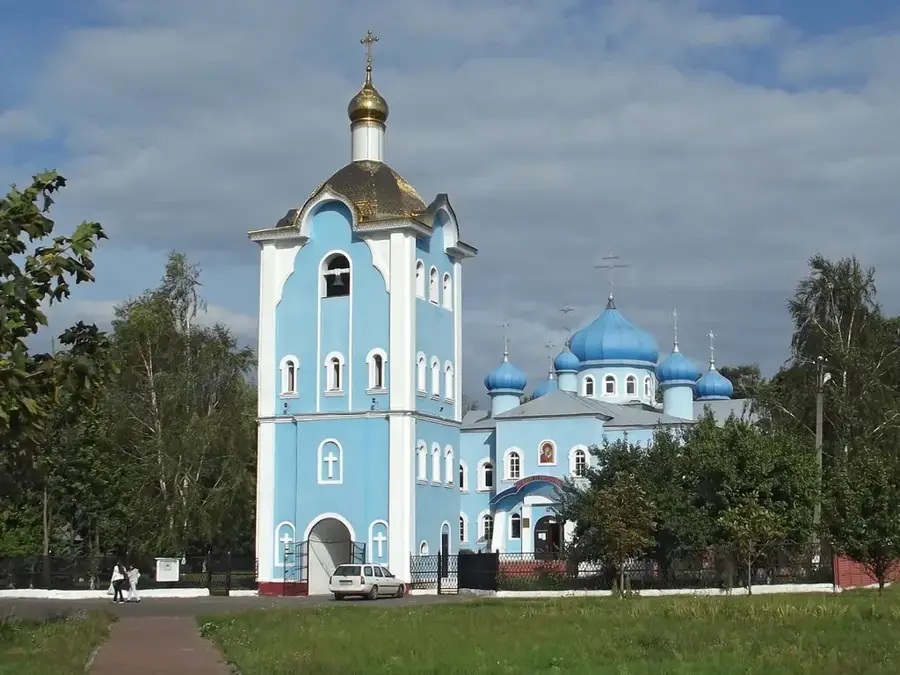
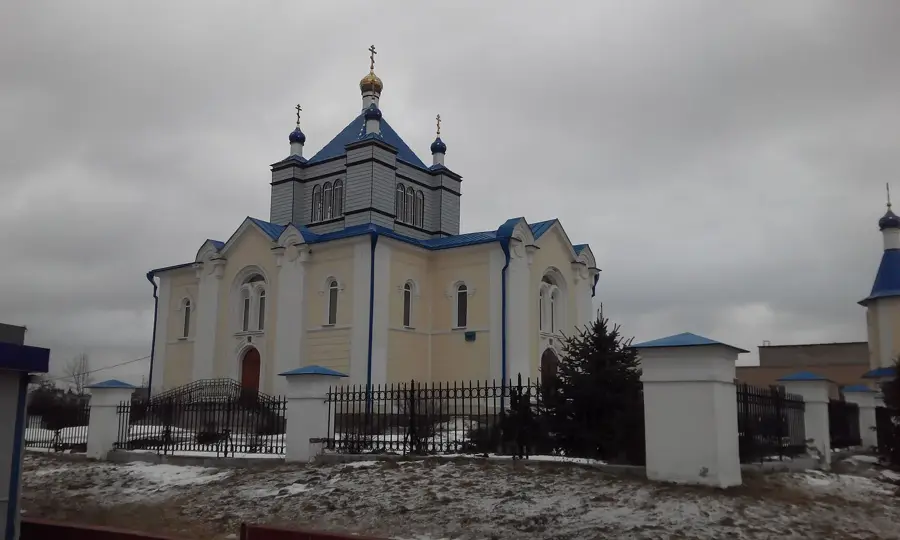
Tsarkva Usikh Sviatykh (1810)

The Church of All Saints was built in 1810 and is an Orthodox church in Turau.

Biological reserve "Turovsky Lug"

The Turovsky Lug nature reserve protects the floodplain meadows of the Pripyat River.

Sights nearby

Frequently asked questions

What is the museum over the ruins?
A modern pavilion protecting the foundations of a 12th-century cathedral.
How large was the original cathedral?
It was one of the largest churches in Western Russia at that time.
Why was the cathedral destroyed?
An earthquake in 1230 caused the massive building to collapse.
Are there archaeological finds there?
Yes, you can see sarcophagi and fragments of ancient murals.
Is the museum accessible?
The pavilion is mostly on one level and easily accessible.
Turov Cathedral Ruins: where is it located?
Turov Cathedral Ruins is located in Belarus.
Turov Cathedral Ruins: what is there to see?
Highlights include Tsarkva Usikh Sviatykh (1810), Biological reserve "Turovsky Lug".
Turov Cathedral Ruins: when is the best time to visit?
The most pleasant time to visit is Jun, Aug.
Turov Cathedral Ruins: why is it worth visiting?

The ruins of the Turov Cathedral are among the most significant archaeological remains of medieval Belarus, dating back to the 1170s.
View on map → The Top 50 Attractions → OpenStreetMap →
Europe
Explore with Plizio Discover more places in Europe
More places in Belarus →

Nearby cities