Plizio Visual Lab

Jhalokati Guava Orchards
Plizio editorial teamData Sources
Agriculture
—°9
Jhalokati Guava Orchards (Bangladesh)

Weather…

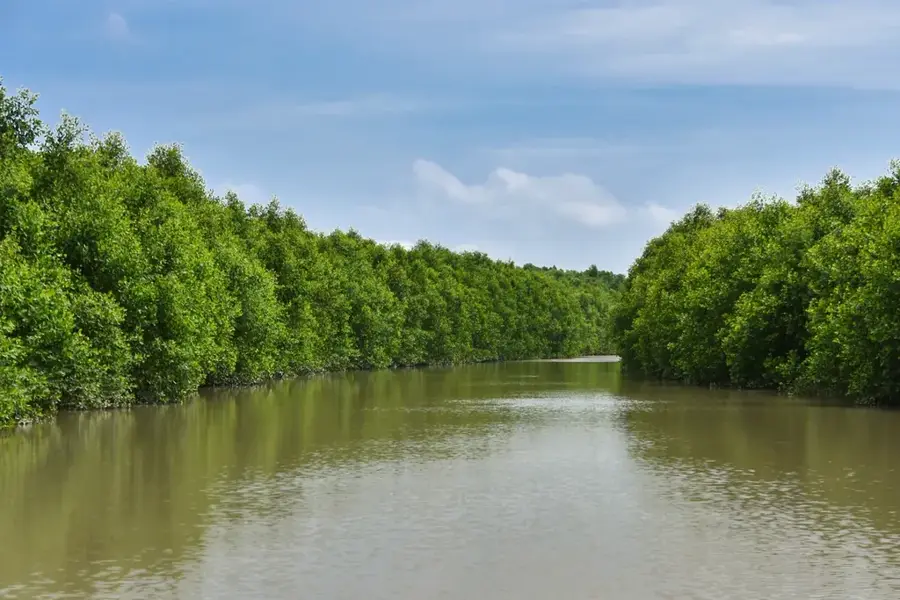
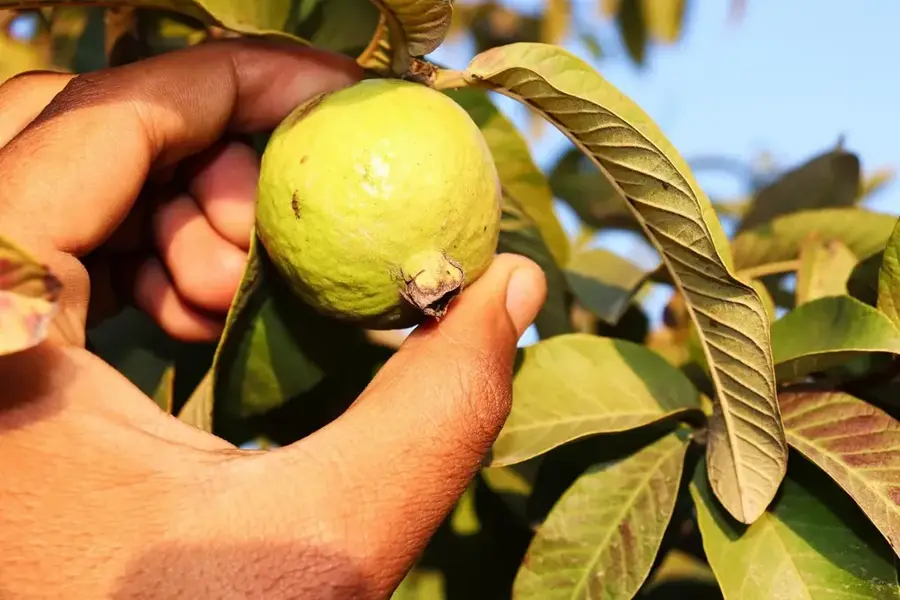
The guava orchards of Jhalokati in the Barisal delta are world-famous for their floating markets and constitute the largest guava-producing region in Bangladesh. Agriculture here relies on a complex system of canals, as the land is largely submerged during the monsoon season. Farmers harvest the fruits directly from their boats, a practice that has earned the region the nickname 'Bengal's Amsterdam.' The market at Bhimruli is a central hub for trade, where hundreds of boats gather daily to sell fresh guavas. The tradition of guava cultivation spans over a hundred years and serves as the primary livelihood for thousands of families in the Jhalokati and Pirojpur districts. Geographically, the area is defined by fertile silt deposits that give the guavas their distinctive sweet flavor. In recent years, the region has also emerged as a significant destination for agrotourism.

Best time to visit & climate

The most pleasant time to visit is Jan, Feb, Dec.

JanFebMarAprMayJunJulAugSepOctNovDec
Avg °C182328303029282828262219
Rain mm102340912253835354193182314816

📋 Practical info

🏭
What is this place?
The Jhalokati Guava Orchards form a unique agricultural landscape in southern Bangladesh, famous for the floating guava markets on winding canals. They play a key role in the regional economy and tourism, as guava cultivation and trade take place in a distinctive water-based environment.
🚪
Visiting
The orchards and floating markets are generally open for visits, with most tours taking boats through the canals. Access is often arranged through local operators, allowing visitors to experience the bustling waterborne trade scene up close.
👀
Where to view it
The best viewpoint is directly from a boat on the canals, where the floating guava stalls and lush orchards are visible. Small bridges along the waterways also offer photogenic views of the action.
🧺
Local products
The main products are fresh guavas, harvested seasonally from the orchards. Travelers can also find processed guava products such as juice or dried fruit at the floating markets.
📆
Active season
The main guava harvest season is typically during winter, when the fruit ripens and the floating markets are most lively. During this time, trade on the canals is bustling and the orchards are in full production.
Nearby
Visiting the guava orchards can be ideally combined with a boat trip through the Jhalokati canal system. A trip to the nearby city of Barisal, with its historic buildings and markets, is also worthwhile.

Geography

Coordinates
22.68330, 90.11670

Facts

  • The region encompasses over 31,000 hectares of land dedicated to guava cultivation.
  • The floating market at Bhimruli is most active during the peak harvest season.
  • An estimated 10,000 tons of guavas are produced annually in the Jhalokati area.
  • The primary harvesting period occurs between July and September during the monsoon.
  • Guavas from this region are marketed across Bangladesh as 'Barisal Guavas.'
  • More than 2,000 farming families depend directly on the guava trade in Bhimruli.

Explore nearby

Notable places around
Route planner — Car & Motorhome

Where do you start? We build the route here, with stops and country notes along the way.

Vehicle
Only stops with (optional):

© OpenStreetMap contributors · OpenRouteService

Sights in the town Jhalokati Guava Orchards (9)

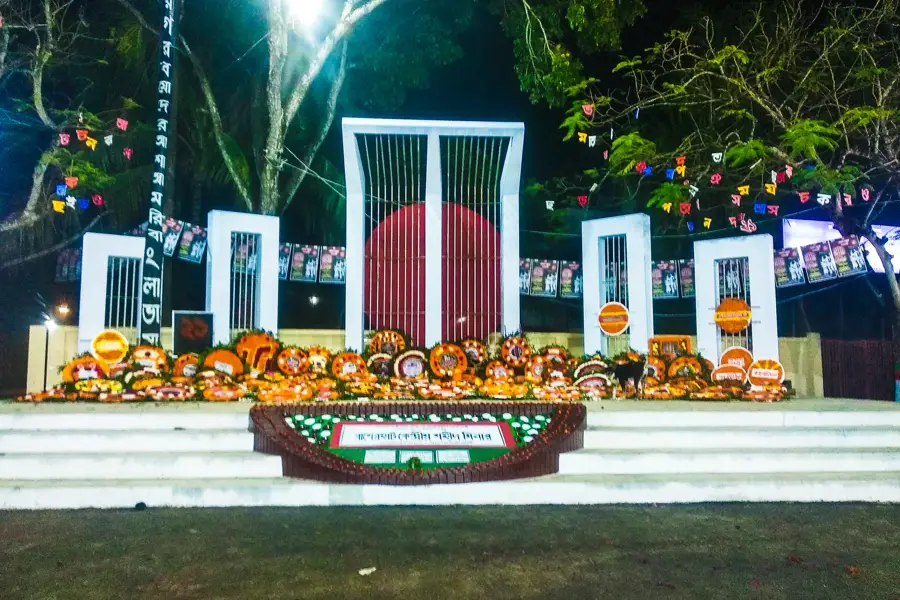
Shahid Minar🏺 historical

A symbolic monument with towering pillars dedicated to the martyrs of the 1952 Language Movement.

Floating Guava Market📍 landmark

A famous seasonal market where farmers sell fresh guavas directly from small wooden boats on the canals.

Kirtipasha Jamidar Bari🏺 historical

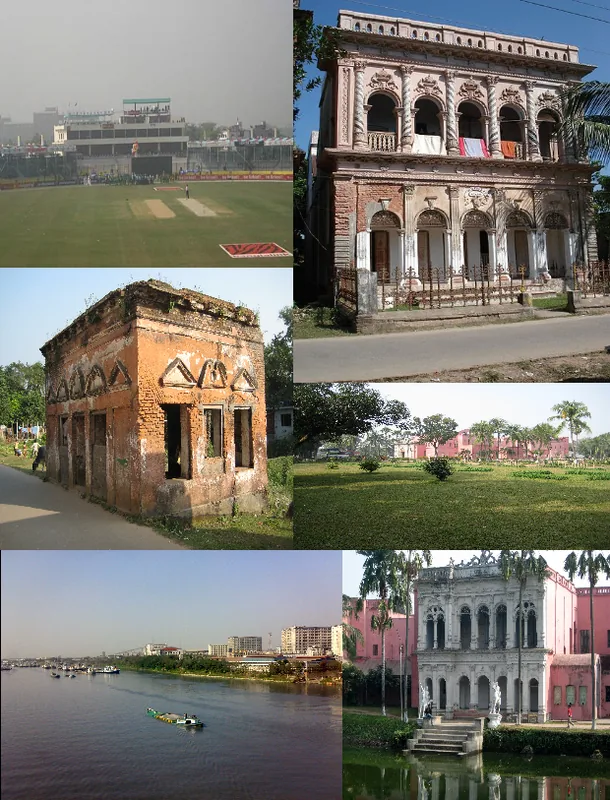
The crumbling ruins of a historic landlord's estate featuring ornate 19th-century brick architecture.

Saheed Minar🏺 historical

A local monument commemorating the heroes of the Bengali Language Movement, serving as a center for cultural ceremonies.

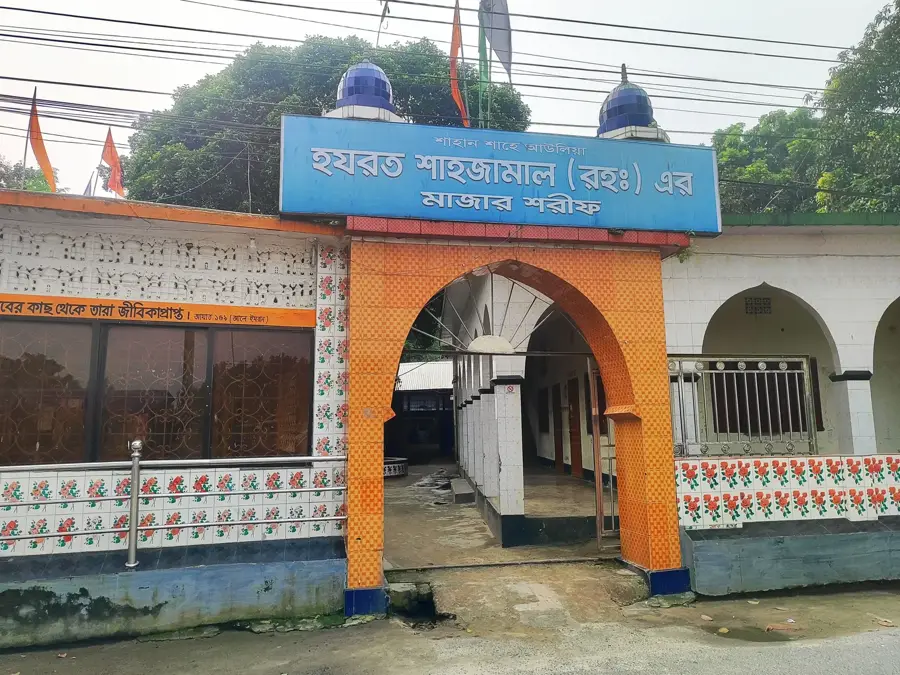
kaatthaaliy'aa skul msjid📍 landmark

A quiet community mosque near the Kathalia school, providing a place for prayer for students and residents.

maasttaar baadd'i jaame msjid📍 landmark

A Muslim house of prayer with traditional architecture, serving as a religious hub for the Master Bari community.

Bhimruli Floating Guava Market🎭 culture

A famous floating market on the canals, where farmers sell fresh guavas directly from their small boats.

Atghar Boat Market🎭 culture

This market specializes in the sale of traditional wooden boats, which are essential for navigating the guava orchards.

Baukathi Bazar🎭 culture

A rural market in the heart of the guava belt, offering a glimpse into the traditional daily life of farmers.

Sights nearby

Frequently asked questions

When does the floating market take place?
Daily in the early morning, especially during the harvest season from July to August.
How do you get around the orchards?
Best done by a small traditional wooden boat through the narrow canals.
Can you taste the guavas?
Yes, farmers often offer tastes. Jhalokati guavas are famously sweet.
How to get there from Barisal?
About 1 hour drive by car or motorcycle to the boat piers.
Is it suitable for photography?
Yes, the floating markets offer fantastic subjects for travel photographers.
Jhalokati Guava Orchards: where is it located?
Jhalokati Guava Orchards is located in Bangladesh.
Jhalokati Guava Orchards: what is there to see?
Highlights include Shahid Minar, Floating Guava Market, Kirtipasha Jamidar Bari.
Jhalokati Guava Orchards: when is the best time to visit?
The most pleasant time to visit is Jan, Feb, Dec.
Jhalokati Guava Orchards: why is it worth visiting?

The guava orchards of Jhalokati in the Barisal delta are world-famous for their floating markets and constitute the largest guava-producing region in Bangladesh.
View on map → The Top 50 Attractions → OpenStreetMap →
Asia
Explore with Plizio Discover more places in Asia
More places in Bangladesh →

Nearby cities

History & landmarks
Nature
More places