Plizio Visual Lab

Murtal Alps
Plizio editorial teamData Sources
Mountain
—°5
Murtal Alps (Austria)

Weather…

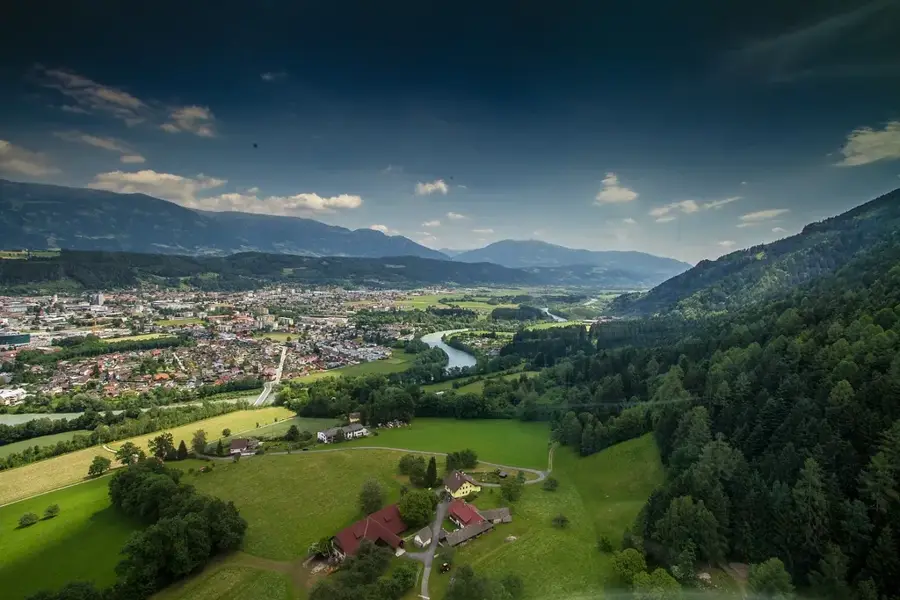
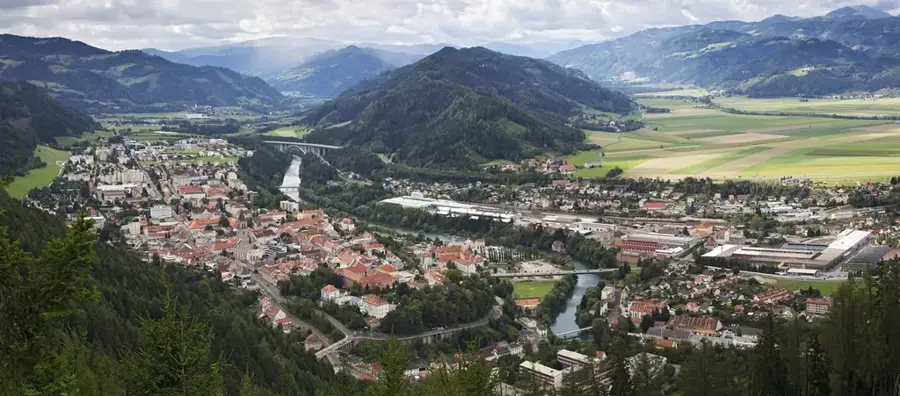
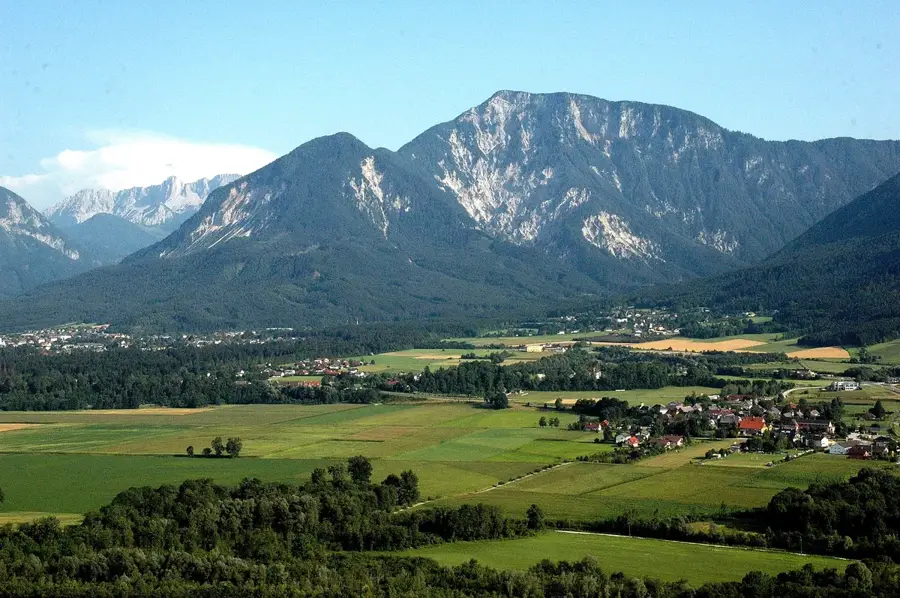
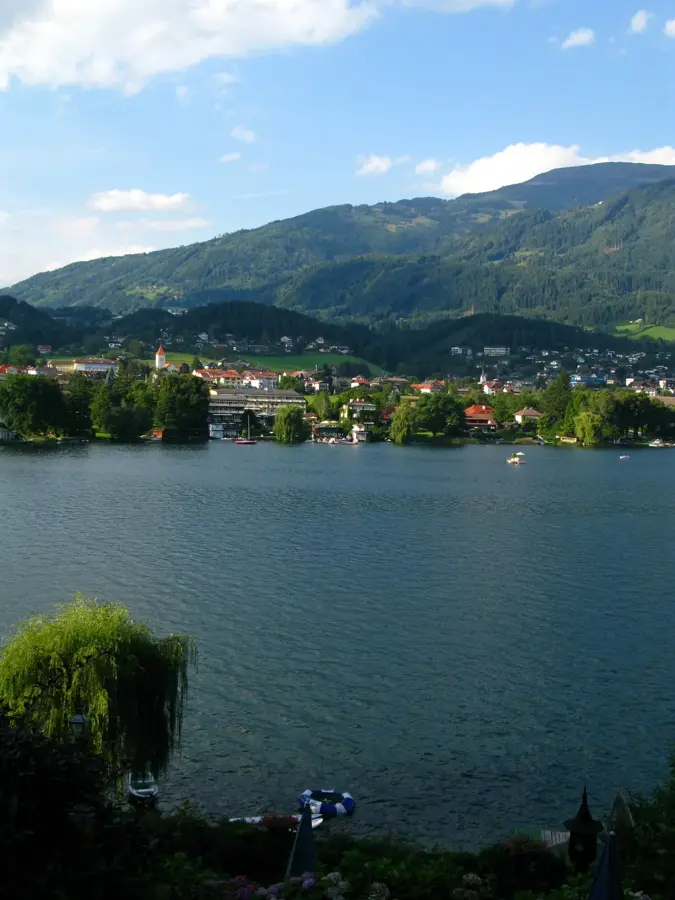
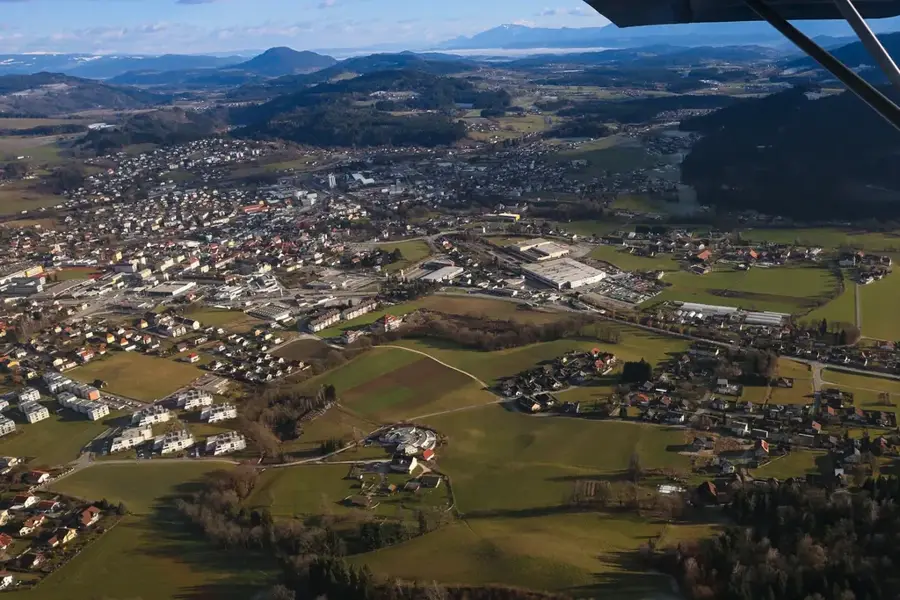
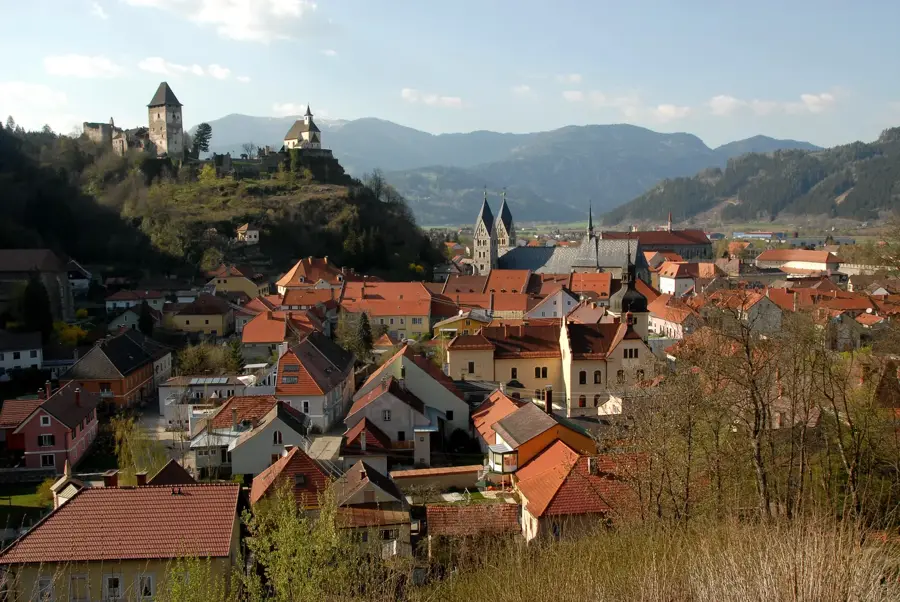
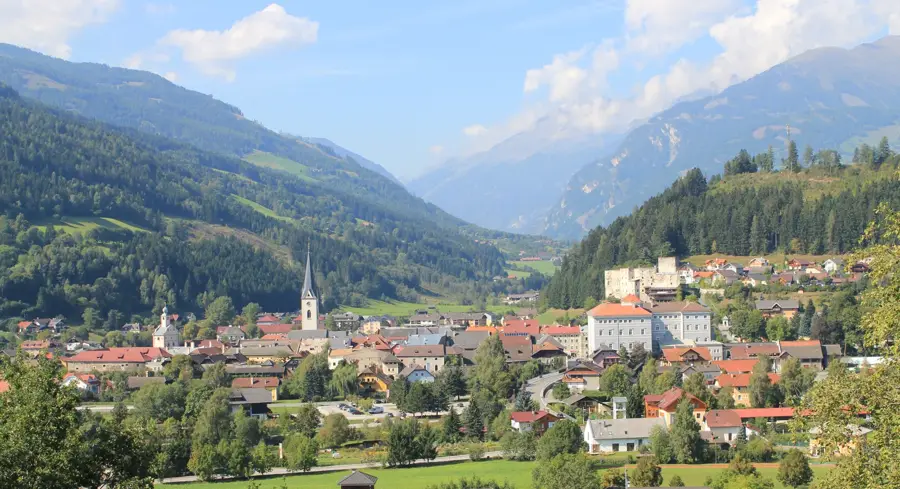
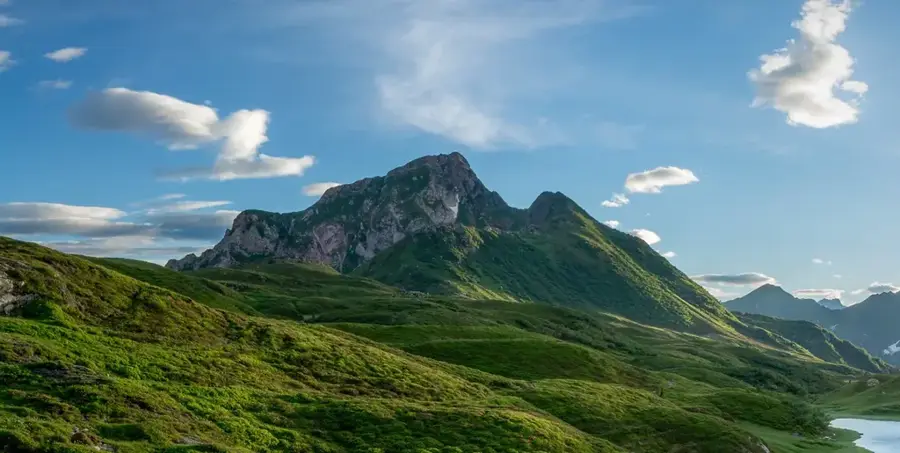
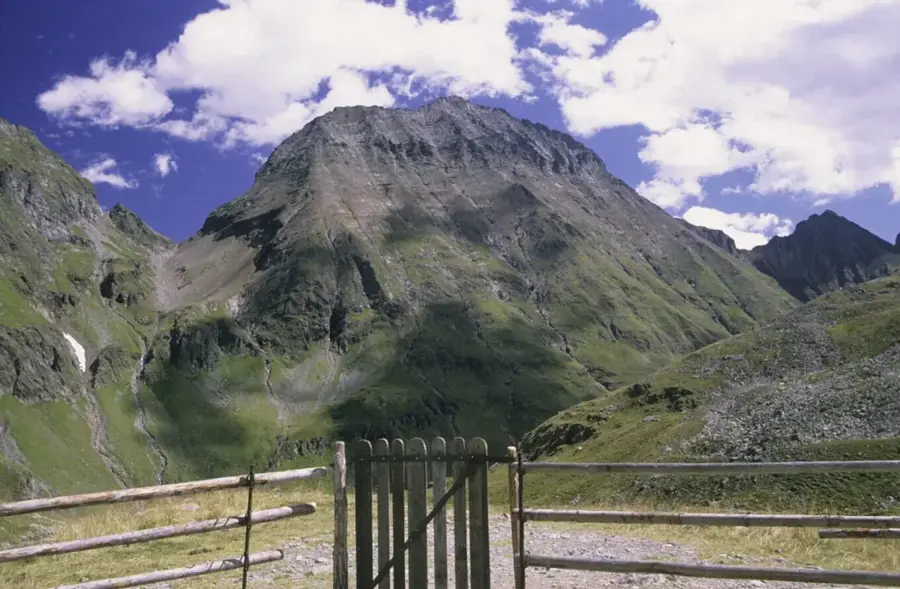
The Murtal Alps extend as part of the Central Alps in the Austrian state of Styria along the upper Mur Valley. This mountain range is bordered to the north by the Enns Valley and to the south by the Mur River, geographically including several subgroups such as the Seckau Tauern and the Schladming Tauern. The geological structure is characterized by crystalline basement rock, consisting of gneisses, mica schists, and granites, which are significantly older than the Limestone Alps to the north. Historically, the region was defined by the mining of iron, copper, and silver, leading to the development of important trade routes and settlements like Judenburg. Vegetation varies from dense spruce forests in the valleys to alpine grass communities above the tree line at about 1,800 meters. Today, alongside traditional alpine farming and forestry, tourism plays a central role, particularly through hiking trails and ski resorts. The Murtal Alps also function as an important watershed, feeding numerous mountain streams that flow into the Mur.

Best time to visit & climate

The most pleasant time to visit is Jun–Aug.

JanFebMarAprMayJunJulAugSepOctNovDec
Avg °C-5-405101416161162-3
Rain mm43475566108130142150119837353

📋 Practical info

🧭
Getting there
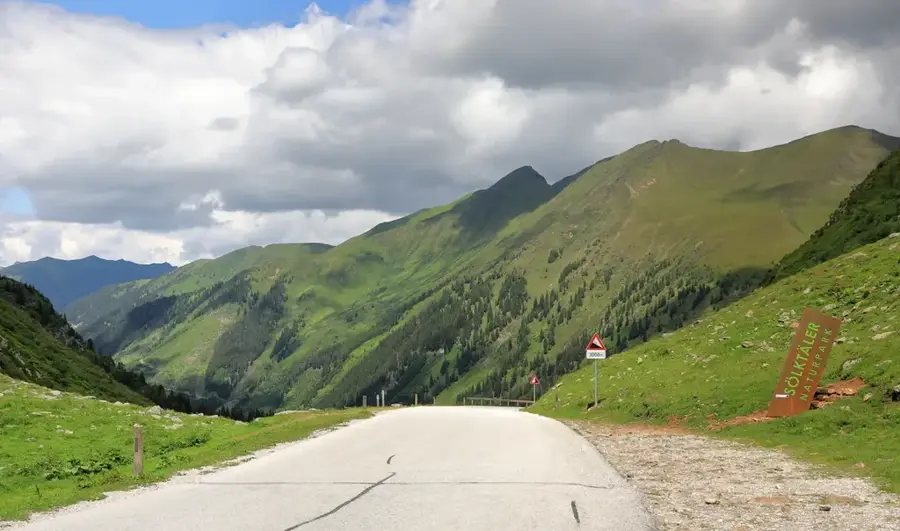
Getting to these beautiful, sweeping Styrian mountains involves traveling effectively along regional road networks that trace the expansive, rolling Mur valley. Various local side roads lead directly to numerous established, idyllic trailheads perfectly marking the start of your alpine ascents.
📅
Best season
The most optimally suitable time for widespread, highly enjoyable exploration spans completely from late, snow-free spring well into the beautifully spirited autumn months. The slightly lower overall elevation compared to the High Tauern allows for a much longer, remarkably more forgiving active hiking season.
⛰️
Terrain & paths
The highly photogenic landscape is profoundly characterized by rolling, verdant alpine pastures that gradually transition upwards into steeper, far more rugged mountainous ridges. The actual hiking paths vary considerably from wide, highly comfortable forest tracks to narrower, substantially more demanding alpine walking trails.
🎒
What to bring
Dependable, thoroughly broken-in hiking boots, layered highly breathable clothing, and ample standard day-trip provisions truly form the absolute foundation for a safe visit here. Carrying a very lightweight, easily packable rain jacket is always prudent, completely regardless of how stunningly sunny the morning currently appears.
🅿️
Parking
Hikers can typically utilize small to medium-sized, gravel-surfaced parking areas situated strategically at the conclusion of various highly accessible, occasionally tolled mountain roads. These specifically designated spots provide truly excellent, high-elevation starting points for far-reaching excursions deep into the much higher, rockier alpine terrain.
⚠️
Safety
While they are generally considered by experienced alpinists to be somewhat less extreme than Austria's absolute highest, most jagged ranges, these mountains still demand immense respect for utterly unpredictable alpine weather dynamics. Hikers should meticulously ensure they safely return far below the protective tree line well before severe, highly dangerous late-afternoon summer thunderstorms strike.
⏱️
Time needed
Journeys and routes within this pleasant, sprawling mountain group are extremely highly customizable, seamlessly ranging from delightful, relaxed half-day pasture walks to utterly exhaustive, massive full-day rocky ridge traverses. The precisely required physical time commitment depends fundamentally and entirely on the highly specific chosen summit destination or exact trail utilized.

Geography

Coordinates
47.10000, 14.50000

Facts

  • The Mur River borders the mountain range to the south and west.
  • Geologically, the mountains consist of crystalline rock such as gneiss.
  • The Hochgolling is the highest peak in the region at 2,863 meters.
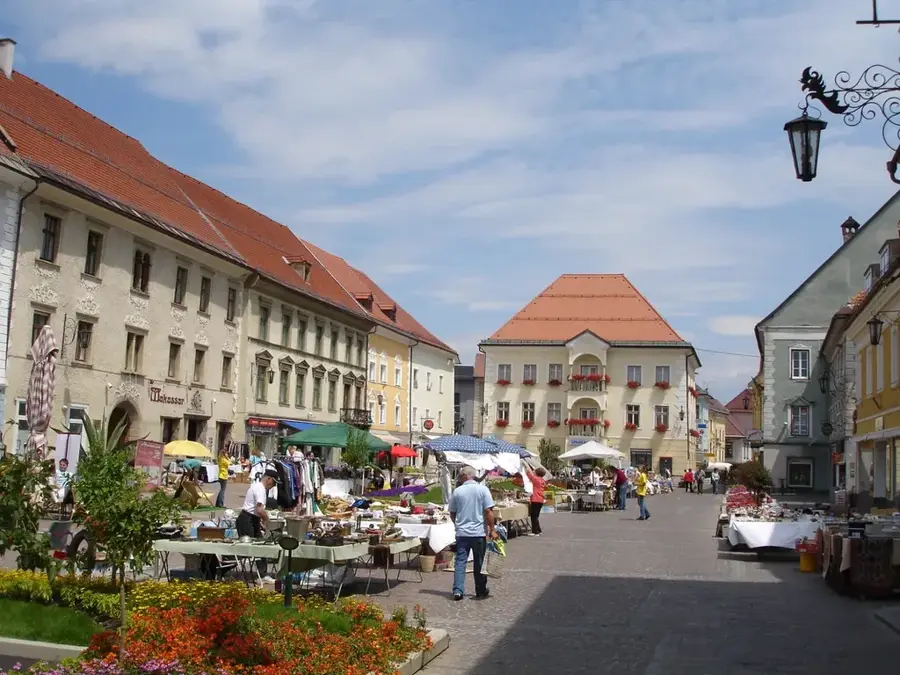
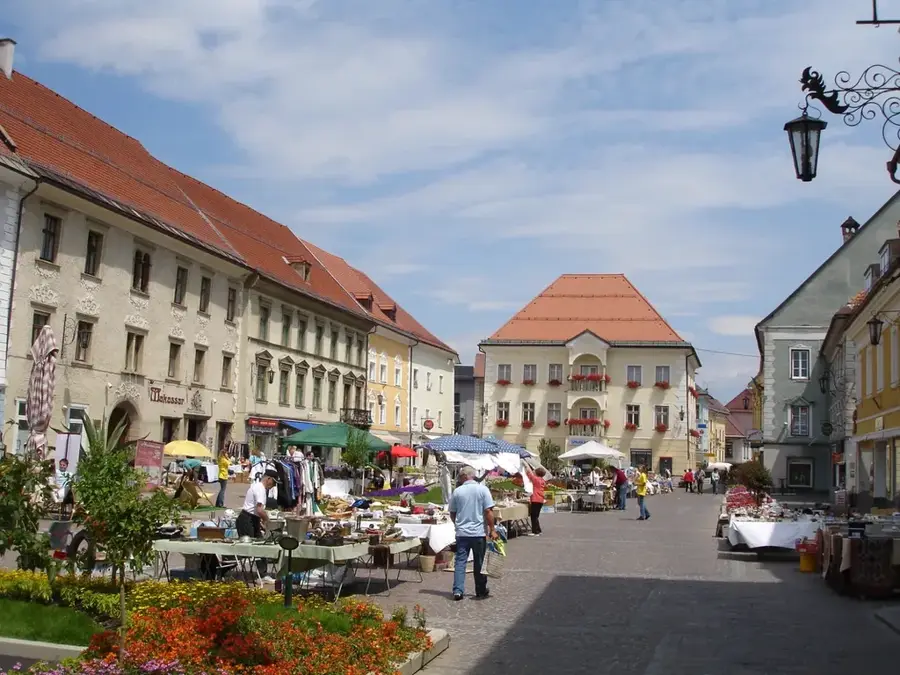
  • Historical mining shaped towns like Judenburg and Murau.
  • The tree line in this region is located at approximately 1,800 meters.
  • Numerous mountain lakes, such as Lake Ingering, are located in the Murtal Alps.

Explore nearby

Notable places around
Route planner — Car & Motorhome

Where do you start? We build the route here, with stops and country notes along the way.

Vehicle
Only stops with (optional):

© OpenStreetMap contributors · OpenRouteService

Sights in the town Murtal Alps (5)

Wenzelalpe📍 landmark

A peak in the Murtal Alps, part of the Niedere Tauern range.

Almhütte verfallen🏺 historical

Remains of a dilapidated alpine hut in the Murtal Alps.

Pfarrkirche hl. Martin⛪ religious

A Roman Catholic parish church dedicated to Saint Martin.

Pfarrkirche hl. Gotthard⛪ religious

The Pfarrkirche hl. Gotthard is a heritage-listed parish church dedicated to St. Gotthard in the Murtal Alps.

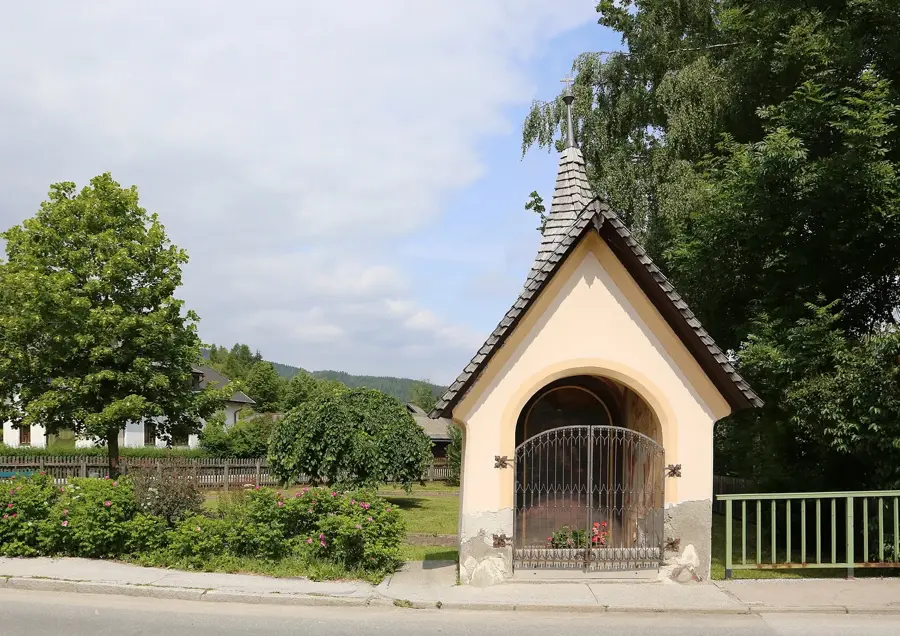
Nothelferkapelle in See📍 landmark

Fourteen Holy Helpers chapel in See, a small pilgrimage church with frescoes in the Murtal Alps.

Sights nearby

Frequently asked questions

What is the highest mountain in the region?
The Zirbitzkogel at 2,396 meters is the most famous peak.
What activities are available in winter?
Skiing, snowshoeing, and tobogganing are very popular.
Is the region suitable for hiking?
Yes, there are well-marked paths through stone pine forests.
Are there managed mountain huts?
Yes, many huts like the Zirbitzkogelhaus offer catering.
How is the accessibility?
Best reached by car via the Mur Valley.
Murtal Alps: where is it located?
Murtal Alps is located in Carinthia, Austria.
Murtal Alps: what is there to see?
Highlights include Wenzelalpe, Almhütte verfallen, Pfarrkirche hl. Martin.
Murtal Alps: when is the best time to visit?
The most pleasant time to visit is Jun, Aug.
Murtal Alps: why is it worth visiting?

The Murtal Alps extend as part of the Central Alps in the Austrian state of Styria along the upper Mur Valley.
View on map → The Top 50 Attractions → OpenStreetMap →
Europe
Explore with Plizio Discover more places in Europe
More places in Austria →

Nearby cities

History & landmarks
More places