Plizio Visual Lab
Gyumri
ℹ️Practical info — Gyumri
▾
🌤 Weather — 5 days
📍 Nearby
Sights nearby
💡 Tips
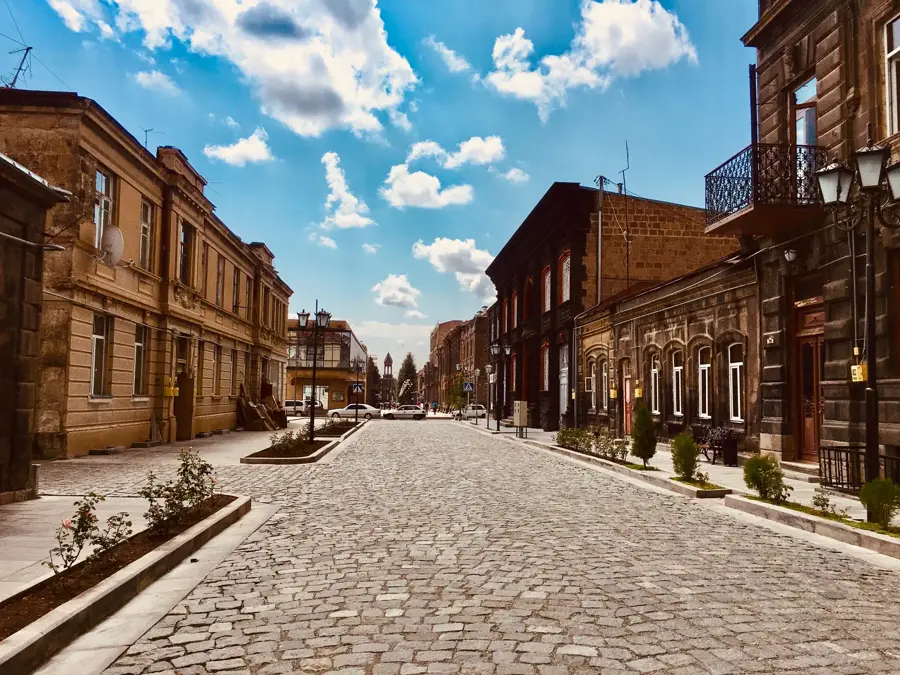
- Walk down Abovyan street to see the best-preserved black and red tuff stone architecture.
- Visit the local museums to learn about the impact and recovery from the tragic 1988 earthquake.
- The city has a bustling arts and cafe scene that feels quite distinct from the rest of the country.
- Many traditional restaurants require you to order in advance for highly specific regional dishes.
🍽 Food
A hearty local dish made of cheese, lavash, and onions, served in the old town's traditional taverns.
Baked cow's head, a highly unique local delicacy that must be pre-ordered at specialty restaurants.
Enjoy Armenian coffee and fresh cakes in the many welcoming cafes along Rijkov street.
🛍 Shopping · 🧘 Quiet spots
Gyumri is historically known for its silversmiths; look for fine craftsmanship in the small boutiques.
At the local market and in small shops, you can find vintage Soviet watches and traditional Armenian carpets.
The central city park is well-maintained and gives wide, quiet avenues for relaxation.
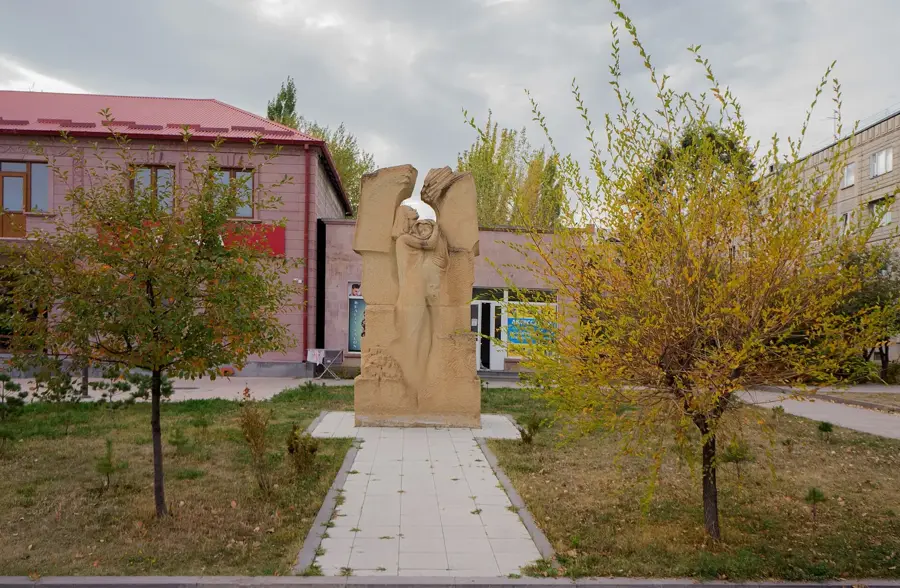
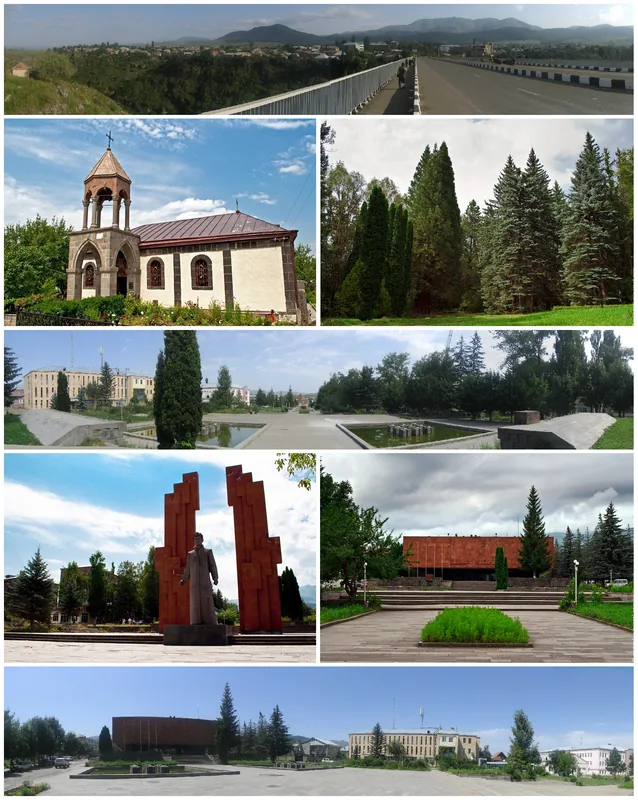
The area around the statue sits on a hill, offering a peaceful view over the entire city.
Water temperature…
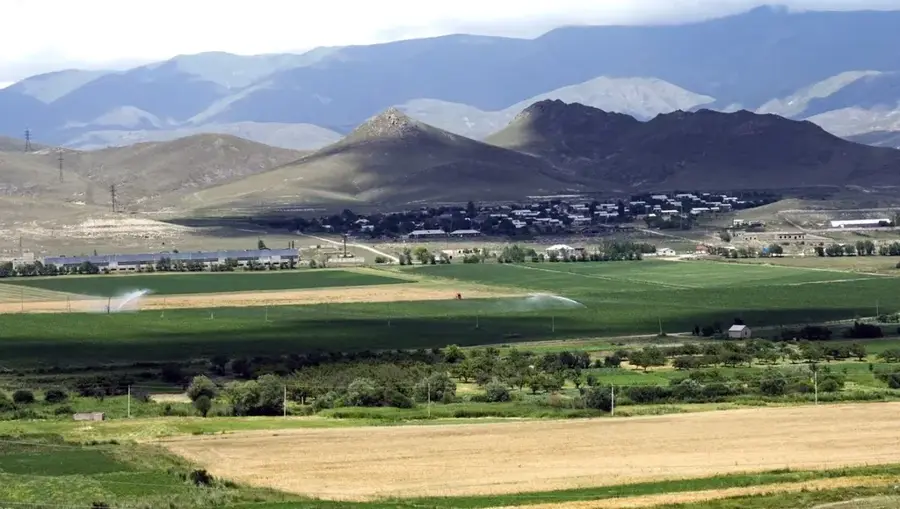
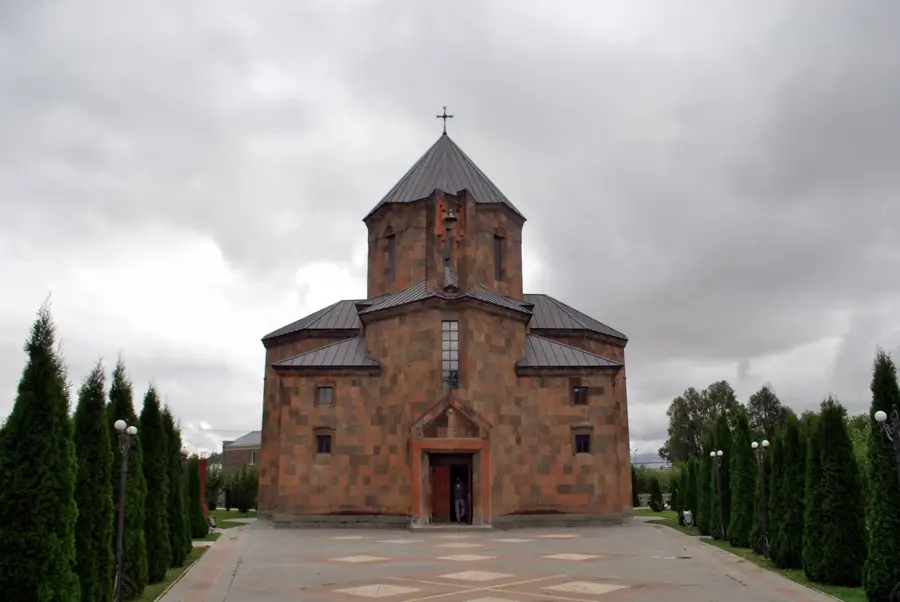
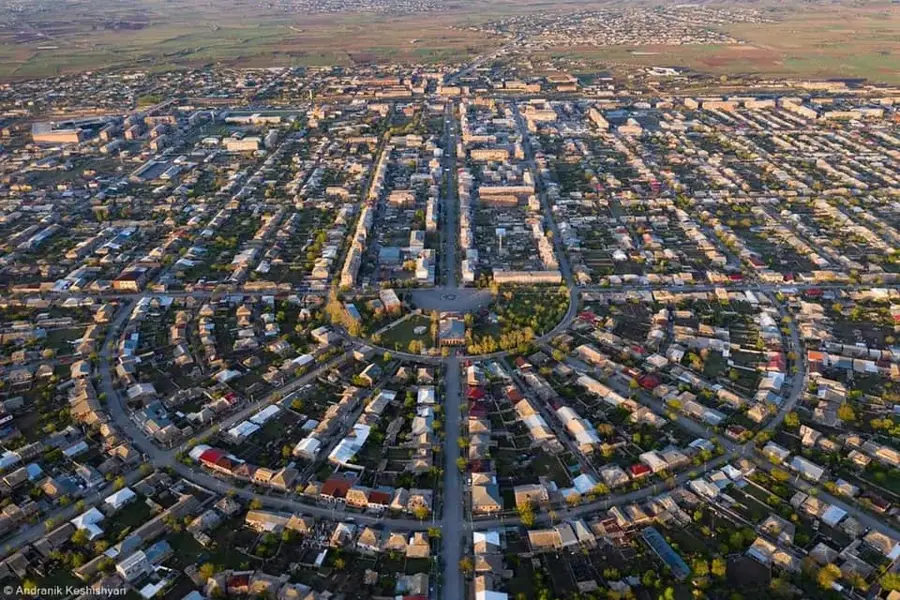
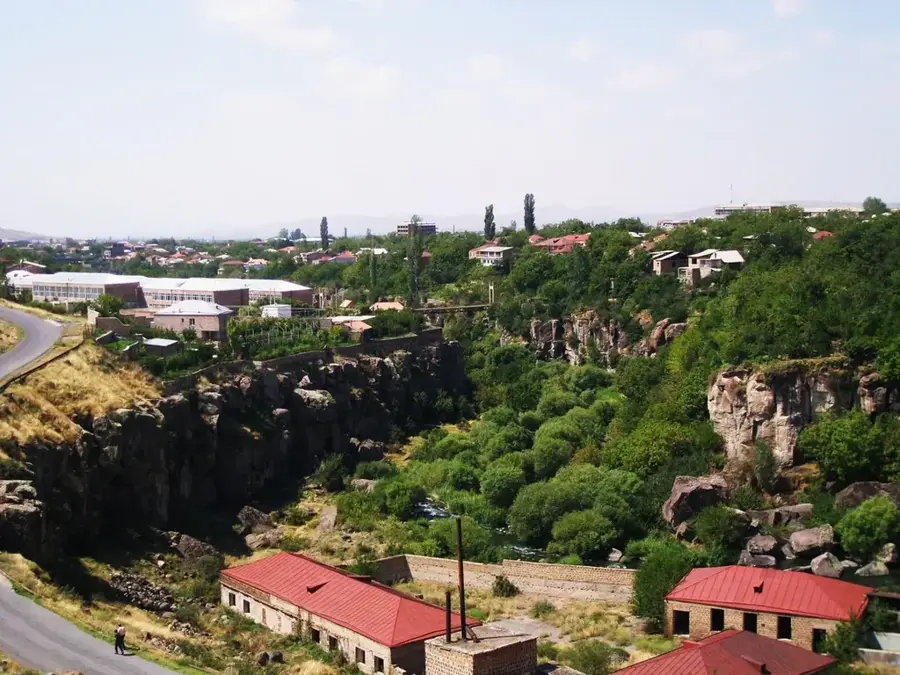
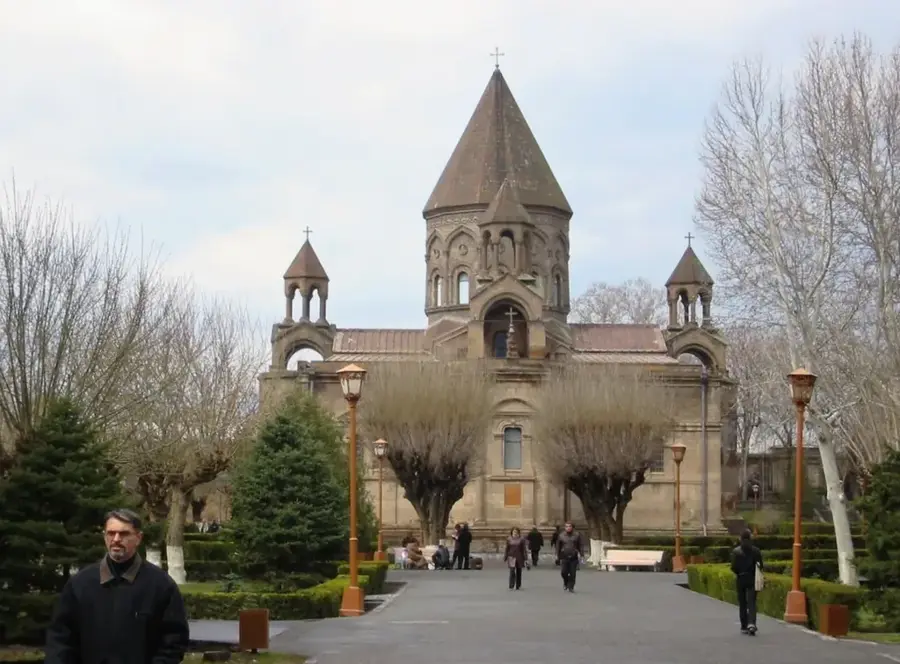
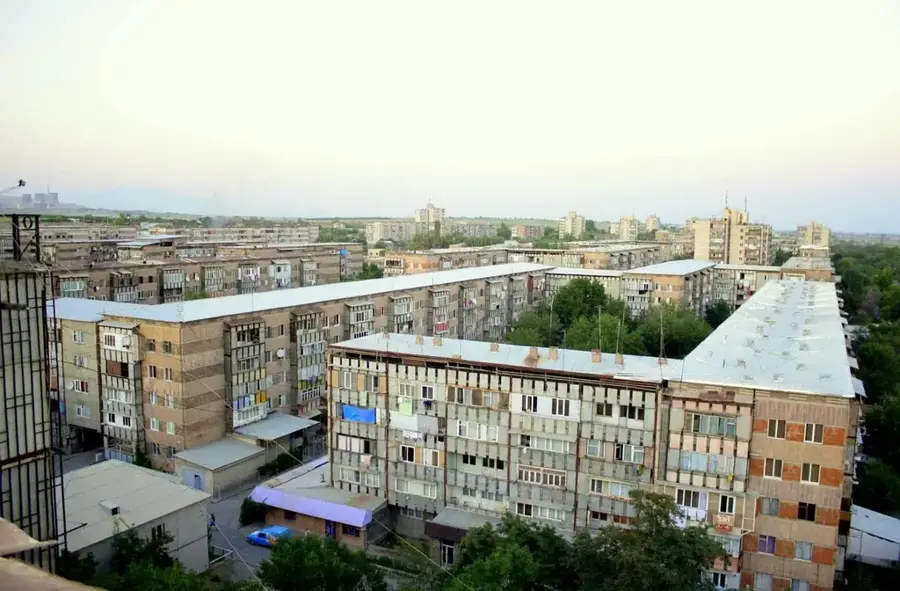
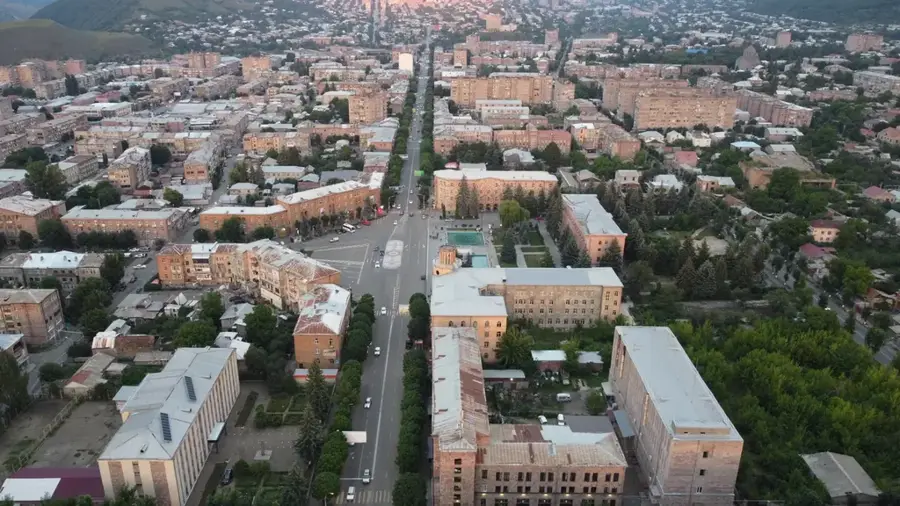
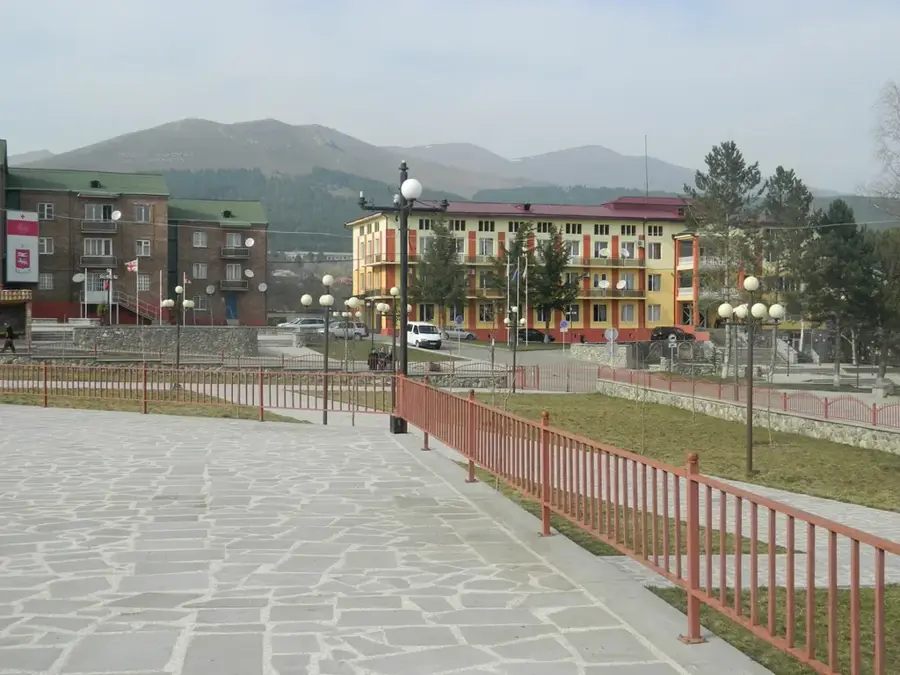
With around 110,000 inhabitants, Gyumri is Armenia's second largest city and the cultural heart of the north-western Shirak Province, sitting on the Akhurian plateau at roughly 1,550 metres altitude. In the 19th century the town flourished as Alexandropol, a Russian garrison and trading hub, developing a unique urban ensemble of merchant houses built from black and red volcanic tuff, wrought-iron balconies, inner courtyards and neoclassical churches, much of it preserved in the historic Kumayri district and around Vardanants Square. The catastrophic earthquake of 7 December 1988 measured 6.8 and killed roughly 25,000 people across the region; rebuilding has continued for decades. Gyumri is regarded as the secret capital of Armenian humour, folk music (the ashughs), handicrafts and ironwork, and still hosts a Russian military base alongside universities, museums and a lively arts quarter along the old railway line.
- Location: Armenia
- Top sights: Museum of National Architecture and Urban Life · Avetic Isahakyan's Home and Museum · The Gallery of Mariam and Eranuhi Aslamazyan Sister
- Nearby: Artik (20 km)
- Population: ~114.667 (2026)
Best time to visit & climate
The most pleasant time to visit is Jul–Sep.
| Jan | Feb | Mar | Apr | May | Jun | Jul | Aug | Sep | Oct | Nov | Dec | |
|---|---|---|---|---|---|---|---|---|---|---|---|---|
| Avg °C | -9 | -7 | -2 | 3 | 8 | 13 | 16 | 16 | 12 | 6 | -1 | -7 |
| Rain mm | 29 | 23 | 35 | 60 | 77 | 67 | 43 | 39 | 28 | 44 | 29 | 31 |
Geography
Facts
- The settlement of Kumayri was mentioned by Xenophon in 401 BC.
- In 1837, the city was renamed Alexandropol in honor of Tsarina Alexandra.
- The Black Fortress (Sev Berd) was completed in 1834 for border defense.
- The 1988 earthquake destroyed approximately 60 percent of the city.
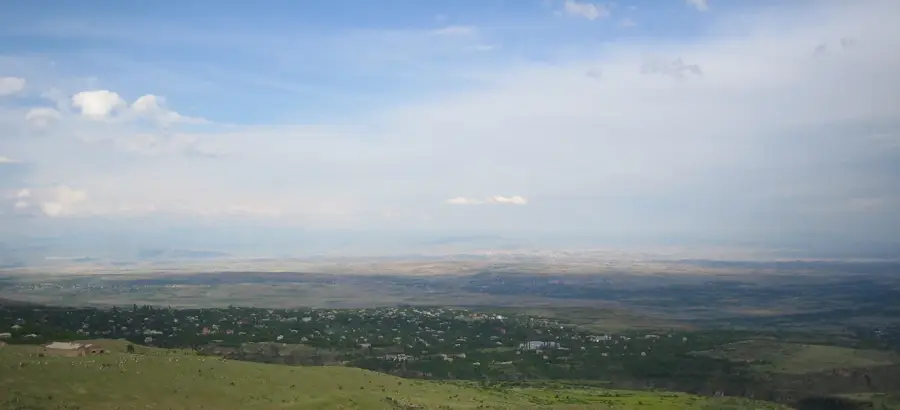
- Gyumri is situated at an elevation of 1,500 meters above sea level.
- The city contains the oldest Russian Orthodox church in Armenia.
Explore nearby
Notable places around
Route planner — Car & Motorhome
Where do you start? We build the route here, with stops and country notes along the way.
© OpenStreetMap contributors · OpenRouteService
Sights in the town Gyumri (12)
The Gallery of Mariam and Eranuhi Aslamazyan Sister🏛 museum
A gallery showcasing works of the Aslamazyan sisters in Gyumri.
Frequently asked questions
Why is Gyumri worth a visit?
Are there direct trains from Yerevan to Gyumri?
What is the typical dish in Gyumri?
Is Gyumri easily explorable on foot?
When is the weather best in Gyumri?
Gyumri: where is it located?
Gyumri: what is there to see?
Gyumri: when is the best time to visit?
Gyumri: why is it worth visiting?

Nearby cities
History & landmarks
Nature
More places