Plizio Visual Lab

Javakheti Plateau
Plizio editorial teamData Sources
plateau
—°9
Javakheti Plateau (Georgia)

Weather…

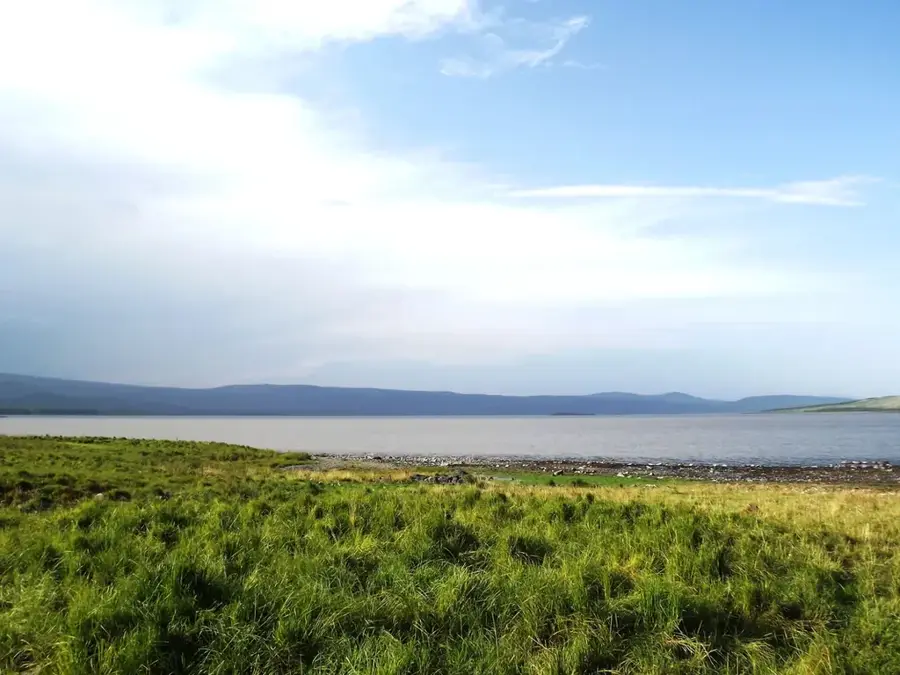
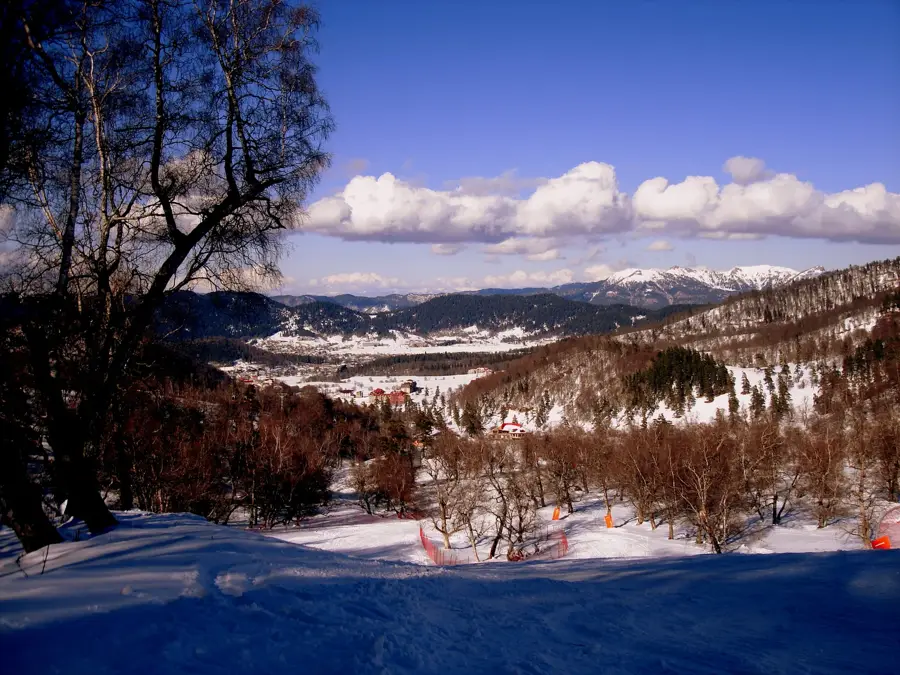
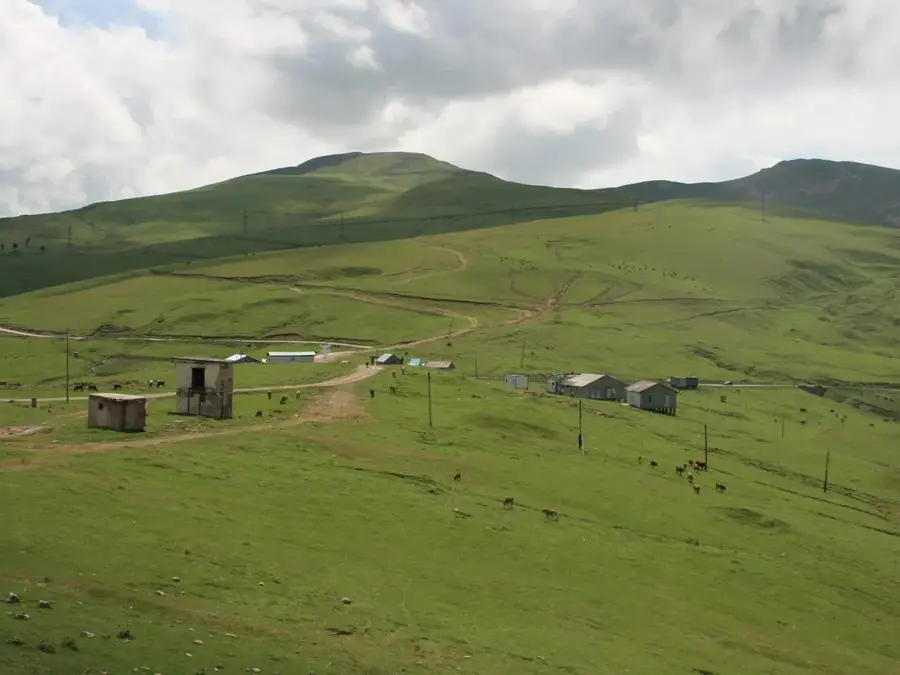
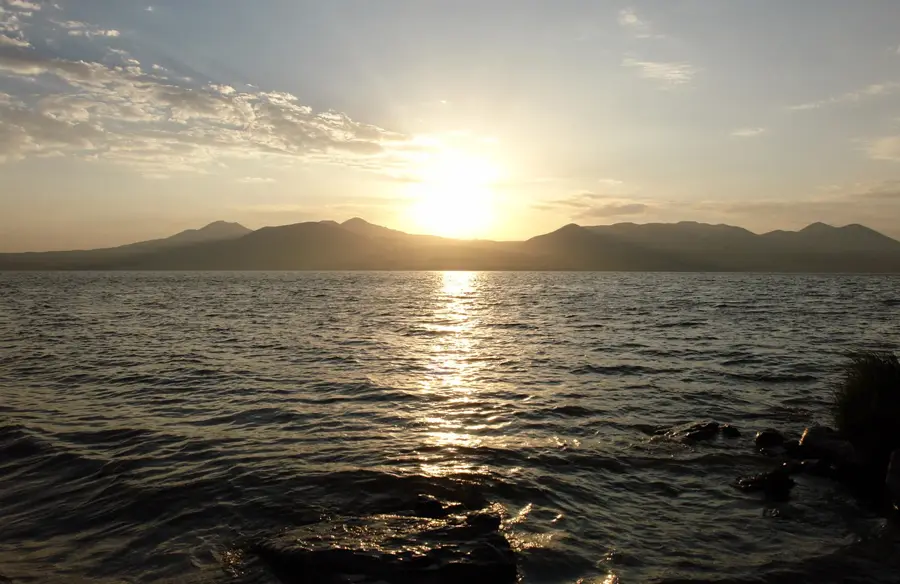
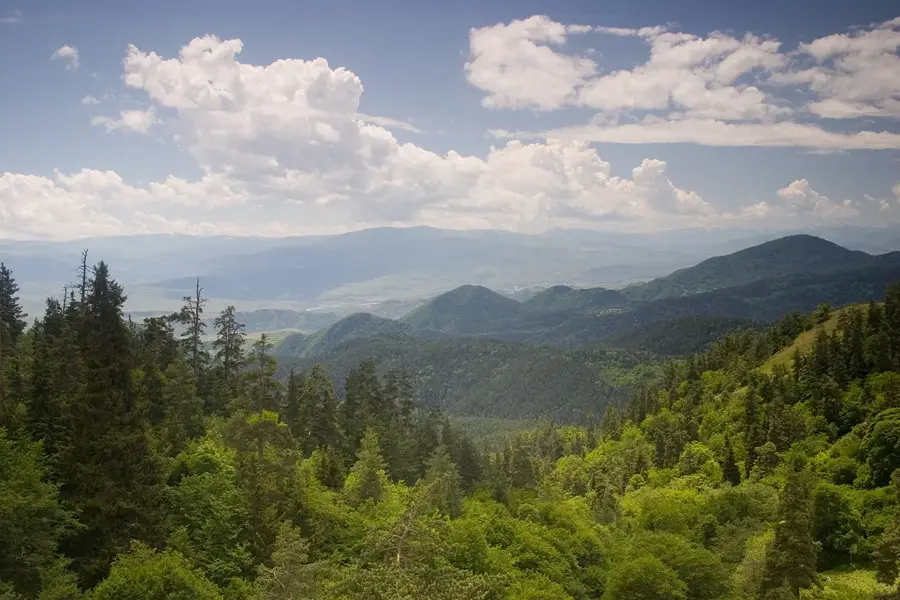
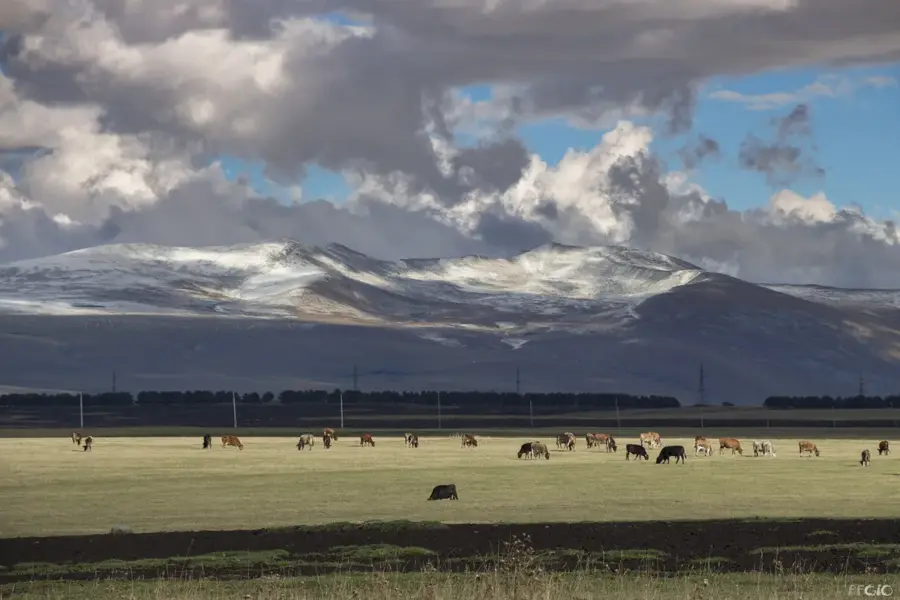
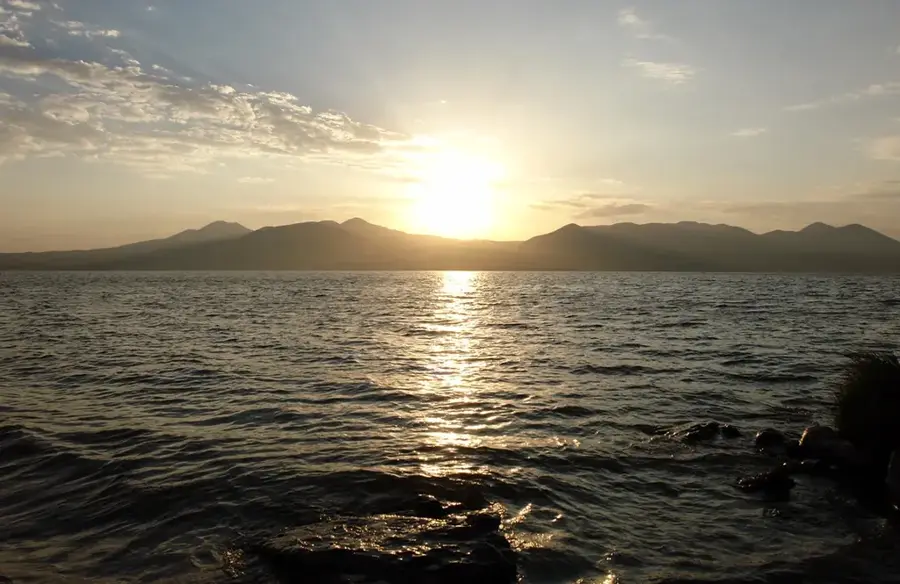
The Javakheti Plateau is a vast volcanic highland located in southern Georgia, spanning altitudes between 1,800 and 2,500 meters above sea level. Geologically, the plateau is characterized by Quaternary basaltic lava flows that have shaped a landscape of wide-open plains and gentle volcanic cones. The region is often referred to as Georgia's lake district, housing the country's largest lake by surface area, Lake Paravani, alongside others like Saghamo and Madatapa. Due to its high elevation, the plateau experiences a harsh climate with long, snowy winters and short, cool summers, which dictates the local economy focused on livestock breeding and hardy crops like potatoes. Historically, it served as a crucial buffer zone between the Georgian Kingdom and the Ottoman Empire, resulting in a landscape dotted with medieval fortress ruins and ancient Christian sites. The contemporary population is predominantly ethnic Armenian, contributing to a unique cultural mosaic that sets Javakheti apart from other Georgian regions.

Best time to visit & climate

The most pleasant time to visit is Jul–Sep.

JanFebMarAprMayJunJulAugSepOctNovDec
Avg °C-8-7-2381316161260-6
Rain mm342942587366424035483838

📋 Practical info

🧭
Getting there
The plateau is accessible via regional roads from major Georgian cities, with the journey offering scenic transitions as you climb in altitude. The main towns in the area, such as Akhalkalaki or Ninotsminda, usually serve as functional base camps for exploring the surrounding high-altitude environment.
📅
Best season
Summer is generally the most suitable time to visit, providing a cool and refreshing escape from the intense heat of the lower valleys. Winters are notoriously long, extremely cold, and snowy, making travel very difficult but appealing for those seeking severe, untouched landscapes.
⛰️
Terrain & paths
The landscape consists largely of vast, treeless volcanic plains interspersed with numerous high-altitude lakes and wetlands. While the rolling plains appear easy to navigate, the terrain can be surprisingly rocky, uneven, and marshy in areas near the numerous water bodies.
🎒
What to bring
Warm layers and a dependable windbreaker are absolutely necessary even in summer, as the elevated winds can be remarkably chilling. Waterproof footwear is highly recommended if you plan to explore the wetlands or lake shores, along with binoculars for bird watching.
🅿️
Parking
Formal parking lots are very rare, so visitors typically park off the shoulders of rural roads or near small village settlements. Always ensure your vehicle is parked safely without damaging the delicate grassy pastures or blocking local agricultural traffic.
⚠️
Safety
Rapid changes in weather are common, bringing sudden fog or freezing temperatures without much warning. It is advisable to avoid wandering too close to the international borders without a guide, and always inform someone of your planned route in this sparsely populated area.
⏱️
Time needed
A basic driving tour to see the main lakes might take just half a day, but true exploration demands more time. Bird watchers and nature photographers often spend two to three days visiting different wetlands to thoroughly observe the diverse migratory species.

Geography

Coordinates
41.33000, 43.67000

Facts

  • The plateau's average elevation ranges between 1,800 and 2,500 meters above sea level.
  • Lake Paravani, covering 37.5 square kilometers, is the largest lake in Georgia.
  • Winter temperatures on the plateau can drop significantly below -30 degrees Celsius.
  • The region contains significant prehistoric megalithic fortresses like Abuli and Shaori.
  • The geological foundation consists mainly of Pliocene-Quaternary volcanic rocks.
  • Approximately 95% of the population in the Akhalkalaki district is of Armenian descent.

Explore nearby

Notable places around
Route planner — Car & Motorhome

Where do you start? We build the route here, with stops and country notes along the way.

Vehicle
Only stops with (optional):

© OpenStreetMap contributors · OpenRouteService

Sights in the town Javakheti Plateau (9)

Lake Avchalagiol🌿 nature

A high-altitude volcanic lake offering panoramic views across the Javakheti plateau.

Ujmani Arts Center🎭 culture

A regional cultural hub hosting local art exhibitions and community events.

Lake Abuli🌿 nature

A serene alpine lake located at the foot of the volcanic Mount Abuli.

Abuli Fortress🏺 historical

A remarkable megalithic "cyclopean" fortress built from massive basalt blocks at 2500 metres altitude.

ganz'anis xidi📍 landmark

A traditional stone bridge spanning the local river on the Javakheti highlands.

Saghamo Lake Managed Reserve🌿 nature

A protected nature area centered around a volcanic lake, vital for migratory birds.

c`iklopuri c`ixe- simagre da namosaxlari🏺 historical

Ruins of an ancient megalithic settlement featuring massive dry-stone masonry.

didi arak`alis eklesia ,,surb xach`" ( cm. jvari)📍 landmark

An Armenian church, locally known as Surb Khach, featuring traditional stone architecture.

patara arak`alis ,,surb step`anos" eklesia📍 landmark

A small Armenian house of worship dedicated to Saint Stephen.

Sights nearby

Frequently asked questions

What is the Javakheti Plateau known for?
It is a volcanic plateau with numerous alpine lakes like Lake Paravani, known for its harsh, cool mountain climate.
When is the best time to visit?
Summer months (June to September) are convenient, as winters are extremely harsh and roads are often snowbound.
Are there historical sights nearby?
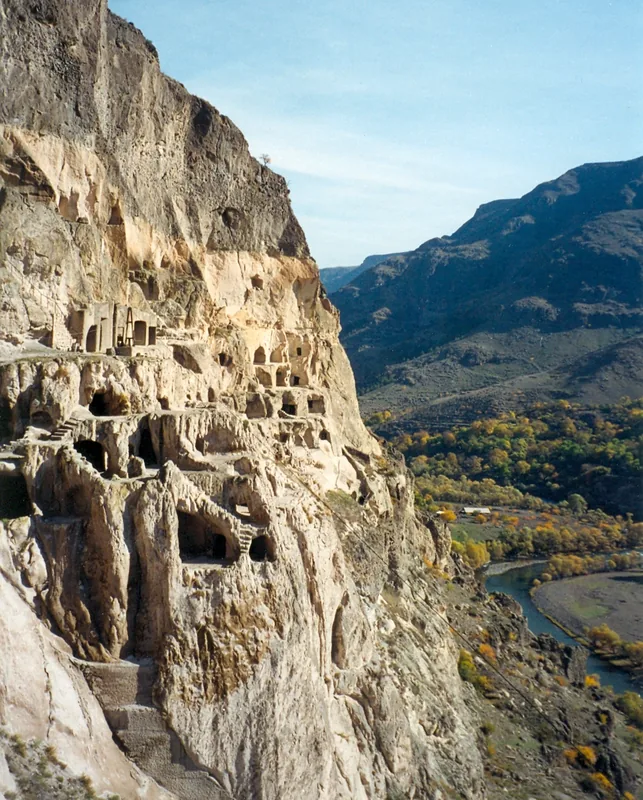
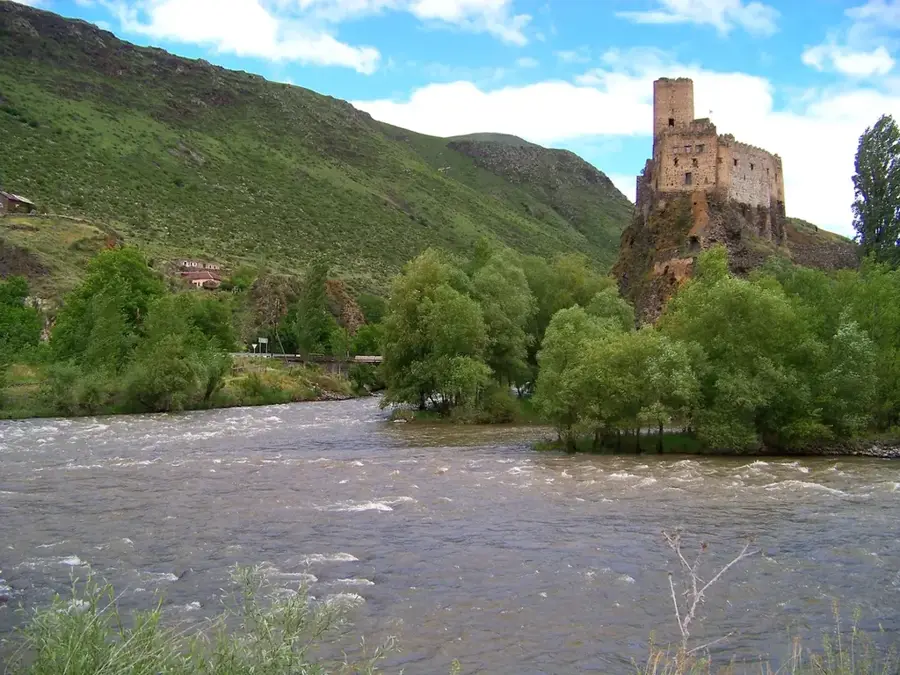
Yes, nearby are the impressive Vardzia cave city and Khertvisi fortress, both UNESCO heritage sites.
How to reach the plateau from Tbilisi?
Best reached by car or marshrutka via Tsalka; the journey takes about 3 to 4 hours through scenic mountain landscapes.
Is the region suitable for birdwatching?
Absolutely, the wetlands and lakes attract rare species like pelicans and cranes, especially during migration.
Javakheti Plateau: where is it located?
Javakheti Plateau is located in Georgia.
Javakheti Plateau: what is there to see?
Highlights include Lake Avchalagiol, Ujmani Arts Center, Lake Abuli.
Javakheti Plateau: when is the best time to visit?
The most pleasant time to visit is Jul, Sep.
Javakheti Plateau: why is it worth visiting?

The Javakheti Plateau is a vast volcanic highland located in southern Georgia, spanning altitudes between 1,800 and 2,500 meters above sea level.
View on map → The Top 50 Attractions → OpenStreetMap →
Asia
Explore with Plizio Discover more places in Asia
More places in Georgia →

Nearby cities

Nature

More places