Plizio Visual Lab
Uíge
ℹ️Practical info — Uíge
▾
🌤 Weather — 5 days
📍 Nearby
Sights nearby
💡 Tips
- Roads outside the city center can be unpaved or in poor condition; a 4x4 vehicle is strongly recommended.
- Cash is king here; carry enough Angolan Kwanza as ATMs can be unreliable and card payments are rare.
- Portuguese is essential; very little English is spoken outside of official or large commercial settings.
- The climate is cooler and wetter than the coast; bring a light jacket for evenings and rain gear.
- Local markets are animated but ask for permission before taking photographs of people or their stalls.
🍽 Food
The Angolan staple side dish made of cassava flour, found in almost every local eatery.
A hearty chicken stew cooked with palm oil; look for it in traditional central restaurants.
Buy locally grown papayas and bananas directly from the fruit stands at the street markets.
🛍 Shopping · 🧘 Quiet spots
The main city market where local farmers sell their harvest, spices, and everyday goods.
Look for woven baskets and wooden carvings at small roadside stalls.
Located just outside the city, these falls offer a beautiful and peaceful natural setting.
A relaxed central plaza great for taking a break under the shade of the trees.
Water temperature…
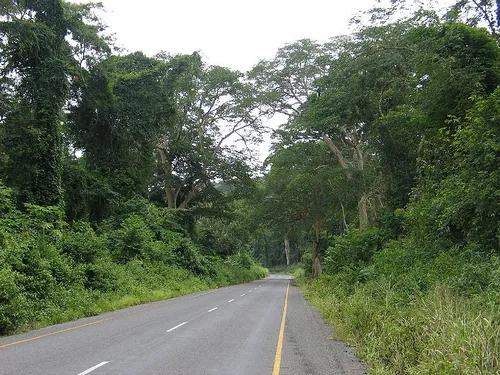
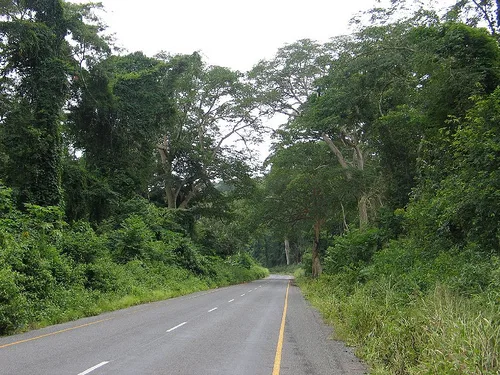
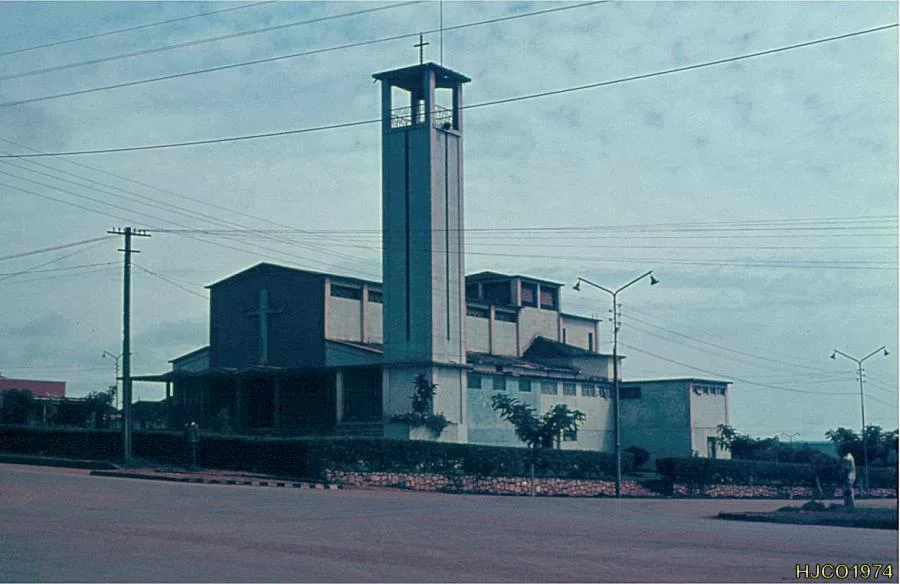
Uíge is the capital city of Uíge Province in northwestern Angola, standing as a significant regional hub for commerce, education, and agriculture. Positioned on a high plateau at an elevation of roughly 850 meters, the city enjoys a tropical highland climate that distinguishes it from the coastal lowlands. Established in 1917 and known as Carmona during the Portuguese colonial era, it experienced a massive boom in the 1950s and 60s, becoming one of the world's premier coffee-producing centers. The legacy of this 'green gold' era is still visible in the layout of the city and the surrounding plantation structures. Today, Uíge is a bustling urban center with a rapidly growing population, primarily composed of the Bakongo people, who maintain strong linguistic and cultural ties to the wider Congo Basin. The city serves as the home to Kimpa Vita University, named after the historic 18th-century Congolese leader, reflecting the area's deep-rooted historical consciousness. Economically, the city is transitioning from war-time recovery to sustainable growth, with major investments in road infrastructure connecting it to Luanda and the neighboring Democratic Republic of Congo. The local economy is driven by trade, subsistence farming, and a renewed interest in commercial coffee and cocoa production. Geographically, Uíge is surrounded by a diverse landscape of rainforests, savannas, and rolling hills, with natural landmarks like the Massau waterfalls adding to its scenic appeal. The city's strategic location makes it a gateway for cross-border trade, which is vital for the region's supply chain. While infrastructure development continues to be a priority for the local government, Uíge remains an animated cultural heartland, blending traditional heritage with the aspirations of a modern Angolan provincial capital.
- Location: Angola
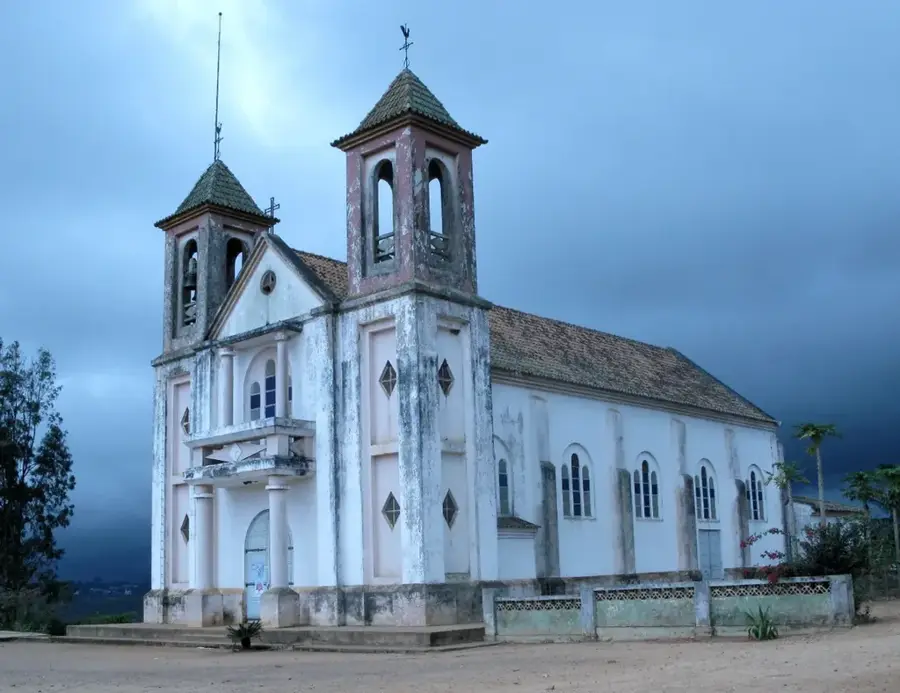
- Top sights: Estádio 4 de Janeiro · Diocese of Uíje · Uíge Province
- Nearby: Negage (28 km)
- Population: ~322.531 (2026)
Best time to visit & climate
The most pleasant time to visit is Jun–Aug.
| Jan | Feb | Mar | Apr | May | Jun | Jul | Aug | Sep | Oct | Nov | Dec | |
|---|---|---|---|---|---|---|---|---|---|---|---|---|
| Avg °C | 23 | 23 | 23 | 23 | 23 | 23 | 23 | 23 | 24 | 24 | 23 | 23 |
| Rain mm | 121 | 127 | 164 | 157 | 64 | 5 | 1 | 14 | 52 | 131 | 198 | 152 |
Geography
Facts
- The city sits at an average elevation of 850 meters above sea level.
- Uíge was formally established in 1917 during the Portuguese colonial era.
- The city was renamed from Carmona to Uíge following Angola's independence in 1975.
- It was historically the primary hub for coffee exports in Portuguese West Africa.
- The Kimpa Vita University provides higher education to thousands of students in the region.
- The Bakongo people form the ethnic majority in the city and surrounding areas.
- Uíge is located approximately 345 kilometers northeast of the capital, Luanda.
- The local economy relies heavily on the production of coffee, cassava, and sweet potatoes.
Explore nearby
Notable places around

Route planner — Car & Motorhome
Where do you start? We build the route here, with stops and country notes along the way.
© OpenStreetMap contributors · OpenRouteService
Sights in the town Uíge (3)
Frequently asked questions
How many days do you need for Uíge?
When is the best time to visit?
What is Uíge known for?
Is the city family-friendly?
What is the best way to get there?
Uíge: where is it located?
Uíge: what is there to see?
Uíge: when is the best time to visit?
Uíge: why is it worth visiting?