Plizio Visual Lab
Bengo Forest
Weather…
Water temperature…
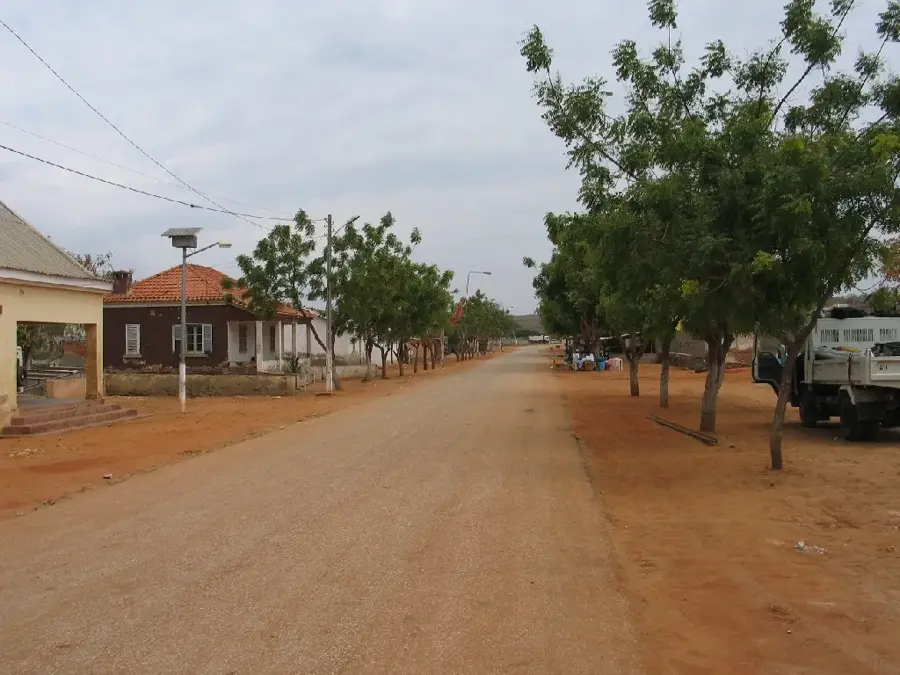
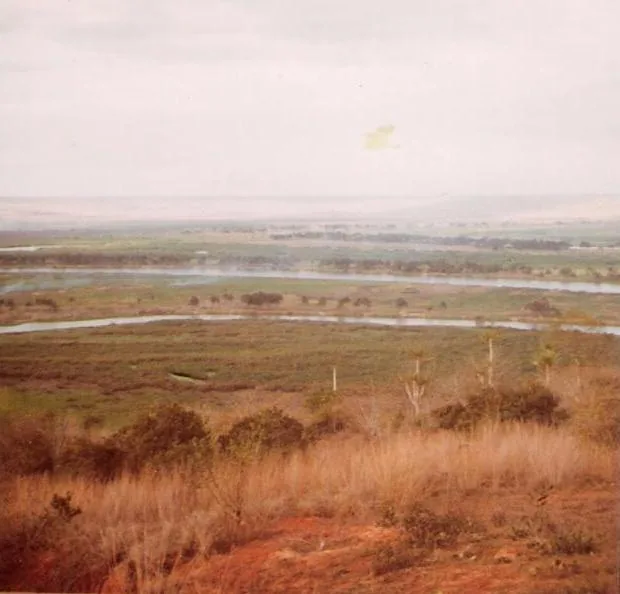
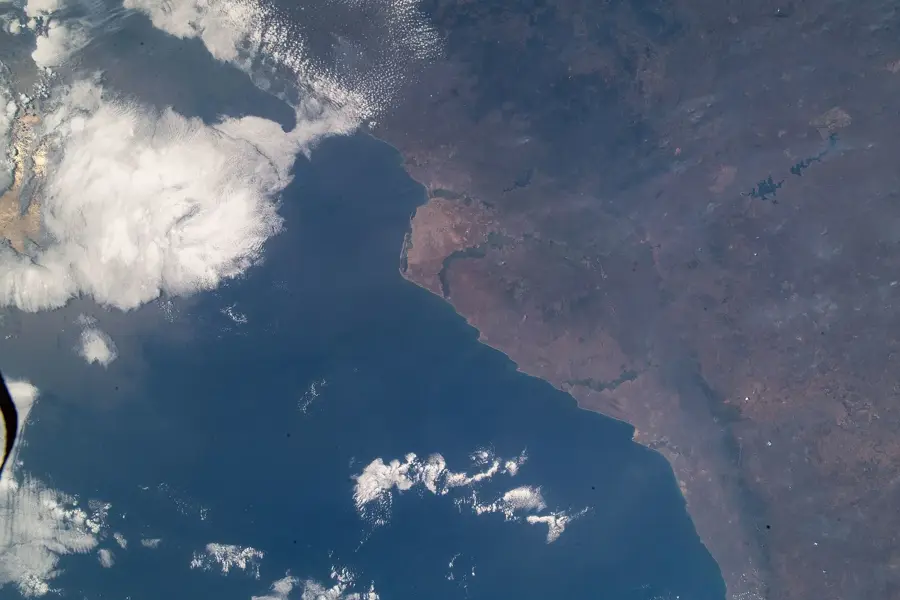
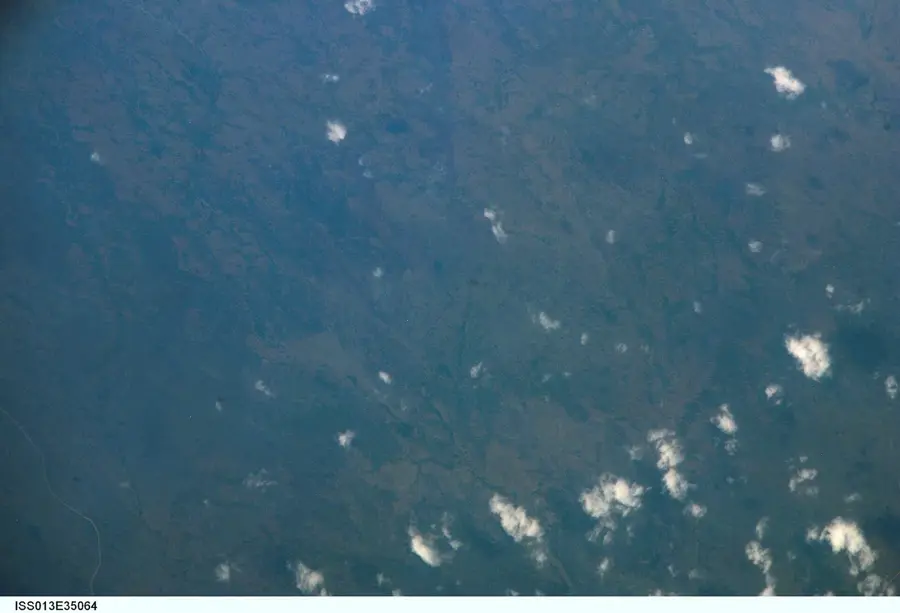
The Bengo Forest, located in the province of the same name in northwestern Angola, serves as a critical ecological refuge near the capital city of Luanda. The area features a diverse mosaic of dense dry tropical forests, gallery forests lining the riverbanks, and expansive savanna landscapes. Historically, the Bengo region has been vital for the agricultural support of the capital, with the forest providing essential natural resources. The forest's biodiversity is significant, providing a habitat for various species of antelopes, monkeys, and a wealth of endemic bird life. Geographically, it covers the rolling hills that transition from the coastal plains to the interior plateau. In recent decades, the ecosystem has faced substantial pressure from human activities, particularly charcoal production. Despite these challenges, the Bengo Forest remains a key component in maintaining the local microclimate and safeguarding water resources in an increasingly developed region. Ongoing conservation efforts are focused on preserving the remaining primary forest patches and promoting sustainable land-use practices.
- Location: Angola
- Nearby: Panguila (22 km)
Best time to visit & climate
The most pleasant time to visit is Jun–Aug.
| Jan | Feb | Mar | Apr | May | Jun | Jul | Aug | Sep | Oct | Nov | Dec | |
|---|---|---|---|---|---|---|---|---|---|---|---|---|
| Avg °C | 28 | 28 | 28 | 27 | 27 | 25 | 24 | 24 | 26 | 27 | 27 | 27 |
| Rain mm | 37 | 50 | 90 | 108 | 43 | 2 | 0 | 4 | 13 | 38 | 68 | 50 |
📋 Practical info
Geography
Facts
- The forest is situated in Bengo Province, 50 km from Luanda.
- It consists primarily of dry tropical primary forest vegetation.
- The area provides a sanctuary for several rare antelope species.
- The forest is essential for protecting the Dande River watershed.
- Historically, the region was a center for wild rubber collection.
- Illegal logging for charcoal is the most significant environmental threat.
Explore nearby
Notable places around



Route planner — Car & Motorhome
Where do you start? We build the route here, with stops and country notes along the way.
© OpenStreetMap contributors · OpenRouteService
Sights nearby
Frequently asked questions
When is the best time to visit Bengo-Wald?
How difficult is a hike in Bengo-Wald?
Is there parking or a good access road?
Are there toilets or food on site?
Is Bengo-Wald family-friendly and good for photos?
Bengo Forest: where is it located?
Bengo Forest: when is the best time to visit?
Bengo Forest: why is it worth visiting?

Nearby cities
History & landmarks
Nature
More places