Plizio Visual Lab

Kwanza
Plizio editorial teamData Sources
River
—°1
Kwanza (Angola)

Weather…

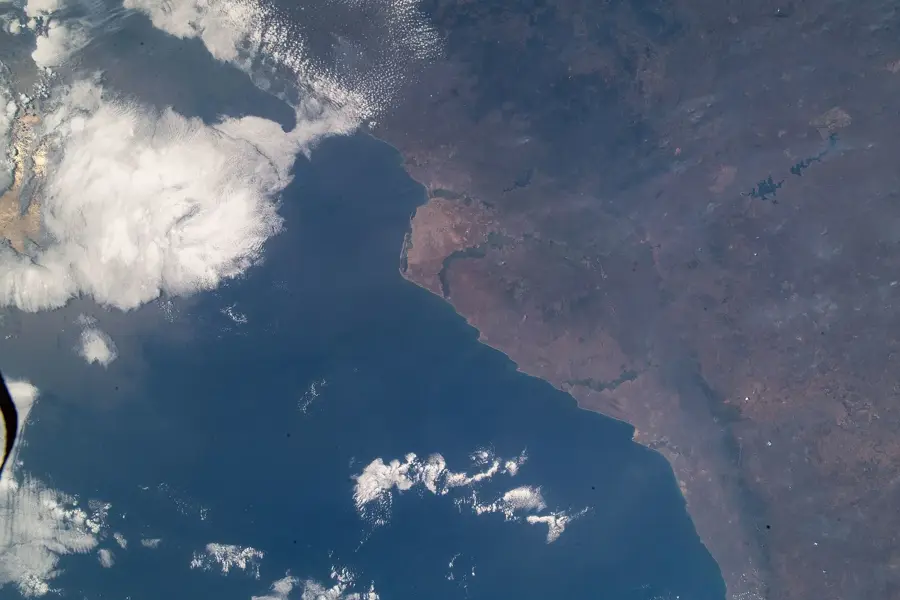
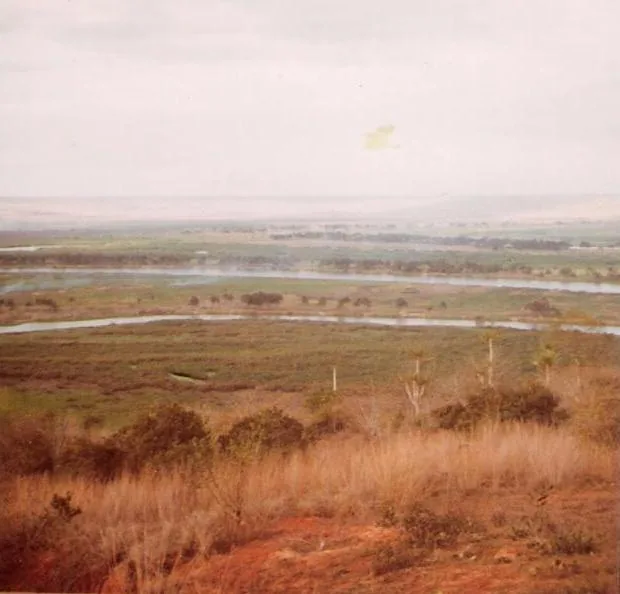
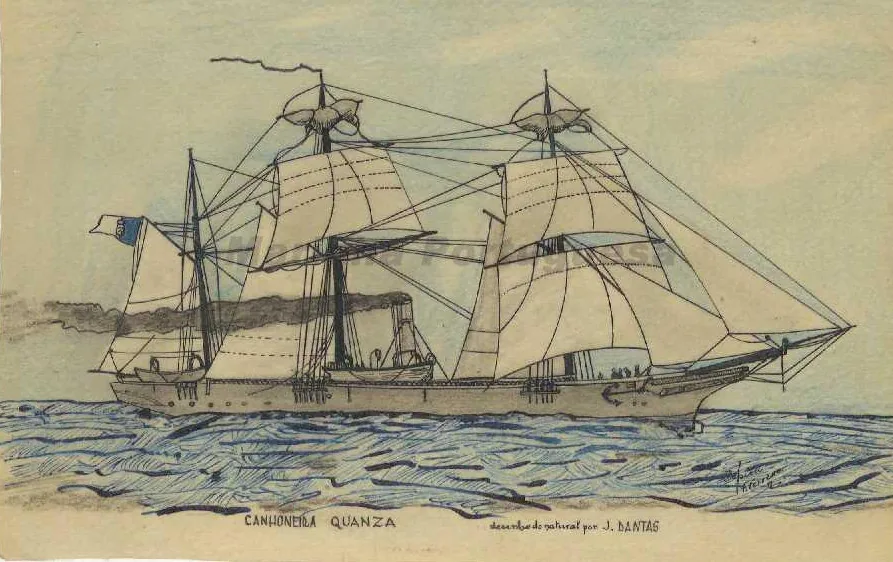
The Kwanza is the longest river flowing entirely within the borders of Angola, serving as a vital artery for the nation's economy and history. Originating in the Bié Plateau at an altitude of approximately 1,500 meters, it flows for 960 kilometers in a northwestern direction before emptying into the Atlantic Ocean south of Luanda. Its basin covers an area of over 150,000 square kilometers and touches ten different provinces. Historically, the Kwanza was a crucial route for Portuguese exploration and trade with the interior regions. In modern times, its significance is primarily linked to energy production, as it powers massive hydroelectric plants such as Capanda and Lauca. The river is navigable for its final 250 kilometers, making it important for local transport and fishing. The diverse flora and fauna along its banks, from dense gallery forests to coastal mangroves, make it a focal point for environmental conservation in Southwestern Africa.

Best time to visit & climate

The most pleasant time to visit is Jul–Sep.

JanFebMarAprMayJunJulAugSepOctNovDec
Avg °C272828272624222223252627
Rain mm22356373201035123023

📋 Practical info

🧭
Getting there
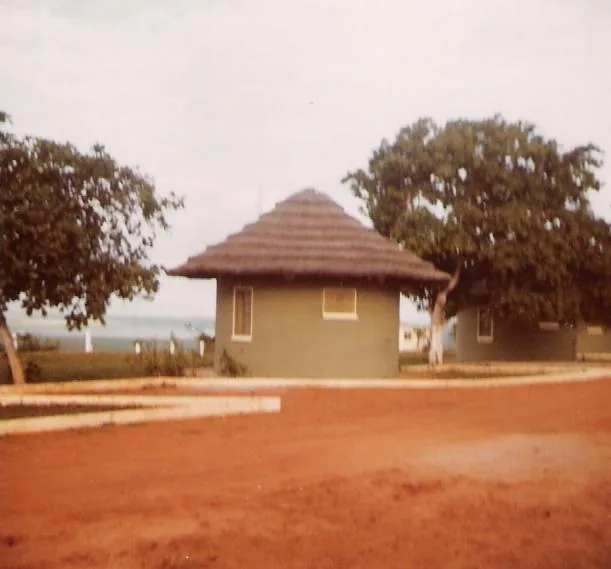
Access to this long inland river is typically via major overland roads that run near the large river bridges or modern dams. Tourist lodges or fishing camps along the banks generally serve as comfortable and secure starting points for most water explorations.
📅
Best season
The dry months are generally the best time for a visit, as the weather is more stable and the dirt paths leading to the banks are less muddy. During the rainy season, the river is typically very swollen, making some riverside areas extremely hard to access.
⛰️
Terrain & paths
The riverside terrain typically changes from deep gorges in the interior to wide, flatter floodplains near the river's mouth. Paths by the water are often bordered by dense vegetation and can become incredibly slippery and muddy following heavy rainfall.
🎒
What to bring
Good mosquito protection, durable outdoor clothing, and closed, non-slip footwear are generally essential for any excursions. Those planning longer walking tours or boat rides should typically also bring strong sun protection and plenty of drinking water.
🅿️
Parking
Sufficiently safe parking spots are usually found near the dams, at official boat docks, or on the guarded grounds of tourist lodges. Leaving a vehicle unattended along lonely stretches of road is generally not recommended by local residents and guides.
⚠️
Safety
As the river sometimes has considerable currents and wildlife, it is typically advisable to stay only at clearly designated spots by the water. Boat trips should generally only be undertaken with licensed and experienced operators to ensure complete safety.
⏱️
Time needed
The duration of a stay can vary greatly, from a brief photo stop at a major bridge to a multi-day retreat in a dedicated fishing camp. For boat or nature explorations, most visitors generally plan to spend at least a full half-day in the immediate area.

Geography

Coordinates
-9.35610, 13.14970

Facts

  • Length: 960 kilometers
  • Basin area: 151,422 sq km
  • Source: Bié Plateau
  • Hydroelectric: Capanda, Lauca
  • Navigability: approx. 250 km
  • Mouth: Atlantic Ocean

Explore nearby

Notable places around
Route planner — Car & Motorhome

Where do you start? We build the route here, with stops and country notes along the way.

Vehicle
Only stops with (optional):

© OpenStreetMap contributors · OpenRouteService

Sights in the town Kwanza (1)

Quiçama National Park📍 landmark

Bordered by the Kwanza River, this sprawling national park is known for its baobab trees and wildlife rehabilitation efforts.

Sights nearby

Frequently asked questions

Can you boat on the Kwanza River?
Yes on some stretches, but conditions depend heavily on water level and location. A local operator matters.
What is the best time to visit the Kwanza?
The dry season is usually better for riverbank visits and boat trips. After rain, the river can be stronger and rougher.
Is the Kwanza family-friendly?
Yes, if you choose safe riverbank spots and keep an eye on children. Swimming is not sensible everywhere.
What is the river known for?
The Kwanza is one of Angola's most important rivers and shapes farming, settlements, and energy supply.
Is there anything to see along the banks?
Often yes: nature, small settlements, and sometimes beautiful river scenery. Exactly what you see depends on the section.
Kwanza: where is it located?
Kwanza is located in Angola.
Kwanza: when is the best time to visit?
The most pleasant time to visit is Jul, Sep.
Kwanza: why is it worth visiting?
The Kwanza is the longest river flowing entirely within the borders of Angola, serving as a vital artery for the nation's economy and history.
View on map → The Top 50 Attractions → OpenStreetMap →
Africa
Explore with Plizio Discover more places in Africa
More places in Angola →

Nearby cities

History & landmarks

Nature
More places