Plizio Visual Lab
N'dalatando
ℹ️Practical info — N'dalatando
▾
🌤 Weather — 5 days
📍 Nearby
Sights nearby
💡 Tips
- The Botanical Garden of Kilombo is for its lush bamboo forests, but go in the morning for the best light.
- Roads outside the city center can be uneven; hiring a 4x4 or a local driver is advisable if you are exploring the province.
- Portuguese is essential; download a translation app as English is rarely spoken here.
- Cash (Angolan Kwanza) is king. Card machines are unreliable outside of major hotels or gas stations.
🍽 Food
The staple Angolan side dish made from cassava flour, often served with rich stews at local 'tascas'.
A hearty chicken stew made with palm oil and garlic, a classic you must try at traditional restaurants.
Buy mangoes, papayas, and bananas directly from vendors along the main roads.
🛍 Shopping · 🧘 Quiet spots
The bustling heart of local commerce where you can buy fresh produce, spices, and everyday items.
Look for small street vendors selling wooden carvings and traditional fabrics in the city center.
Wander through the massive, centuries-old bamboo groves. It's an incredibly peaceful and shaded retreat.
Drive up to the hills surrounding N'dalatando for a quiet, panoramic view of the lush, green valley.
Water temperature…
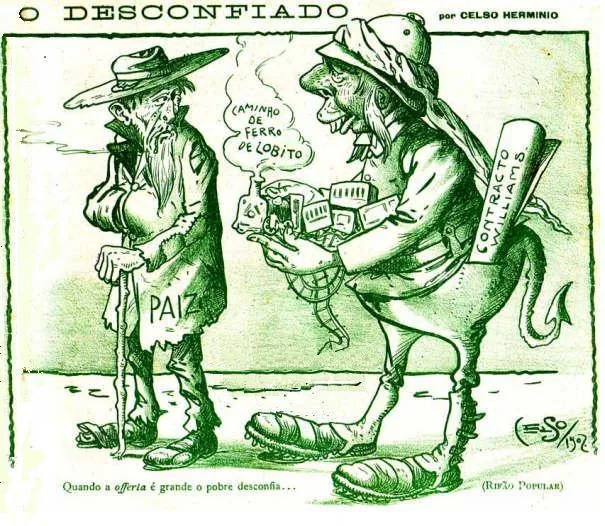
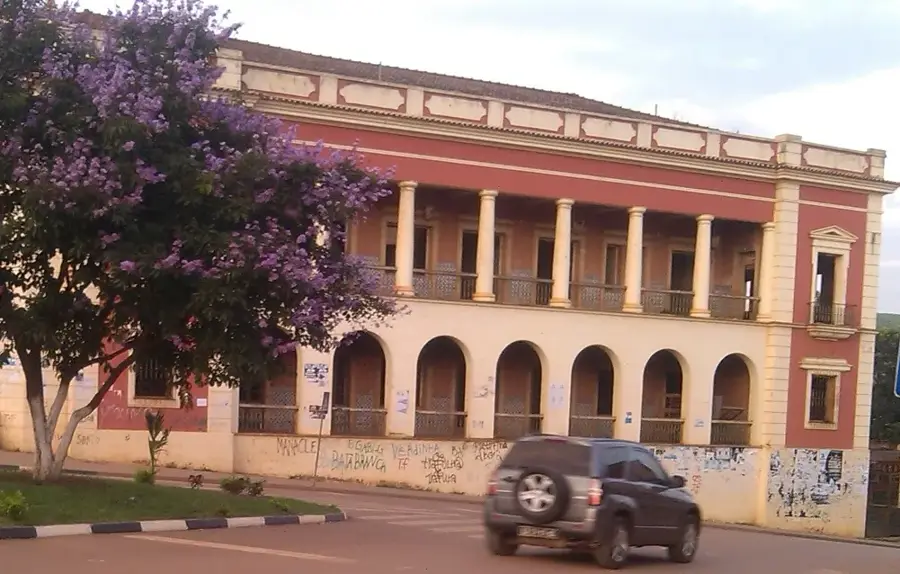
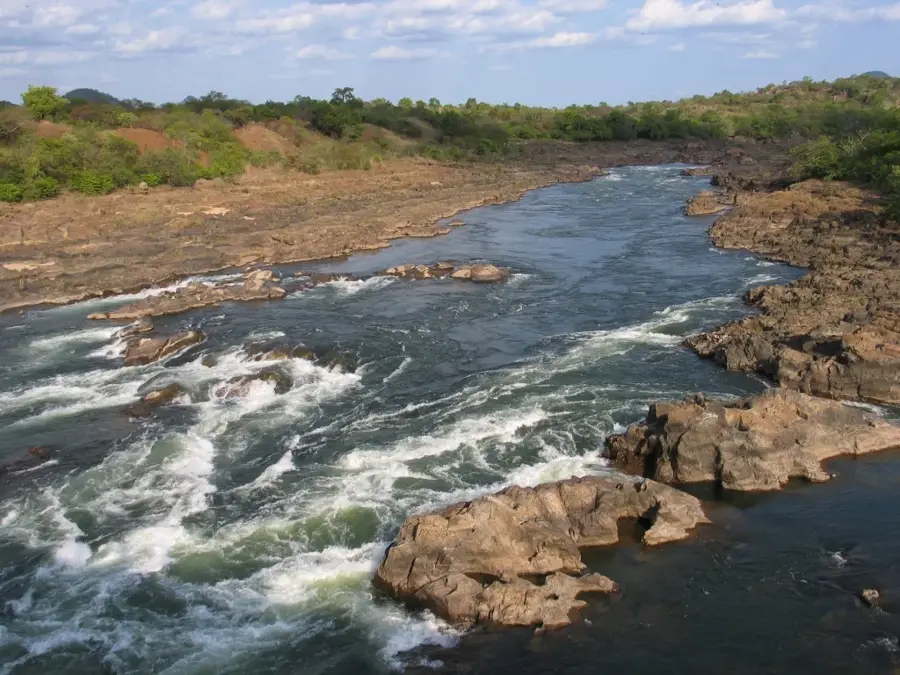
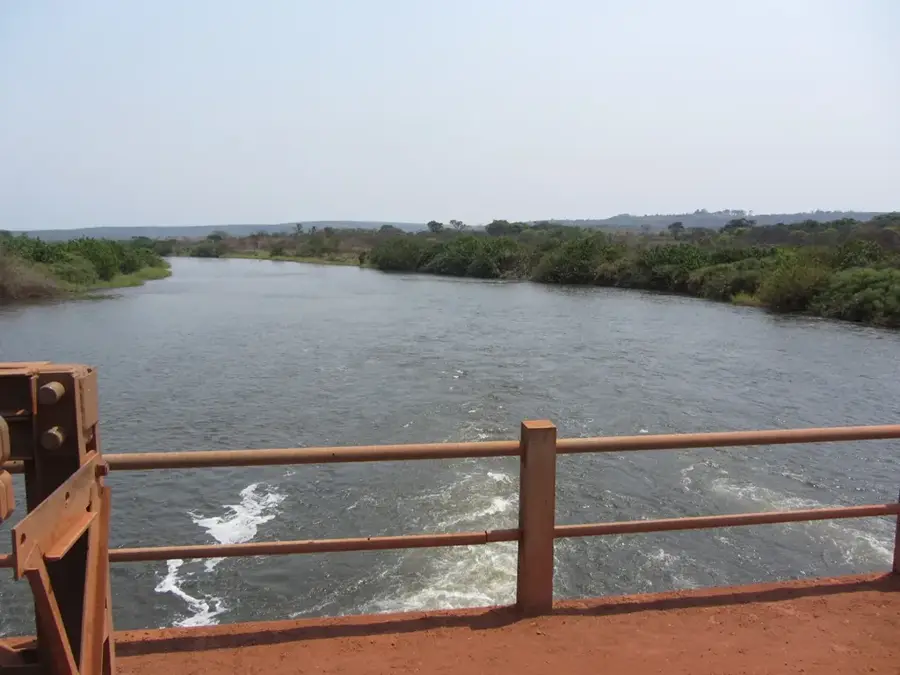
N'dalatando, the verdant capital of Cuanza Norte Province in Angola, serves as a vital bridge between the Atlantic coast and the country's central interior. Situated about 248 kilometers from Luanda, the city is perched on a plateau characterized by rolling hills and lush rainforests, benefiting from a humid tropical climate with high annual rainfall. This environment earned it the nickname 'The City of Flowers.' Historically, the settlement grew in importance during the late 19th century as a key station for the Luanda Railway. Known as Vila Salazar during the colonial era, it was a centerpiece of the Portuguese agricultural effort in Africa, focusing on coffee production, which once dominated the global market. The N'dalatando Botanical Garden, established in the early 20th century, remains the city’s most famous landmark, housing rare specimens like giant bamboos and the lively Torch Ginger (Etlingera elatior). Economically, N'dalatando is a hub for trade and transport, strategically located on the EN-230 highway, the main artery connecting Luanda to the diamond-rich Lunda provinces. The reactivation of the Luanda Railway has rejuvenated the local economy, allowing for the efficient transport of agricultural produce, including maize, beans, and cassava, to urban markets. The city is also blessed with abundant water resources, with the Muua River flowing nearby and the Mazagão waterfalls providing scenic beauty and potential for eco-tourism. The urban fabric is a blend of aging colonial structures and new post-war developments, reflecting Angola's rapid reconstruction efforts. Cultural life in N'dalatando is deeply rooted in the Ambundu traditions, with the Kimbundu language widely spoken alongside Portuguese. The city hosts several educational institutions, including branches of the Kimpa Vita University, making it a regional center for higher learning. Challenges such as urban sprawl and infrastructure maintenance are being addressed through government-led urbanization plans. For visitors, the city features a tranquil escape with its cooler temperatures and botanical wonders, standing as a testament to the resilience and natural wealth of the Angolan highlands.
- Location: Angola
- Nearby: Lucala (40 km)
- Population: ~161.584 (2026)
Best time to visit & climate
The most pleasant time to visit is Jun–Aug.
| Jan | Feb | Mar | Apr | May | Jun | Jul | Aug | Sep | Oct | Nov | Dec | |
|---|---|---|---|---|---|---|---|---|---|---|---|---|
| Avg °C | 25 | 25 | 25 | 25 | 25 | 24 | 23 | 24 | 25 | 25 | 24 | 24 |
| Rain mm | 71 | 84 | 134 | 114 | 25 | 3 | 1 | 8 | 32 | 90 | 145 | 101 |
Geography
Facts
- N'dalatando is located at 9°17′52″S 14°54′42″E, approximately 240km east of Luanda.
- The city's status was elevated from a town to a city in 1956 by Portuguese decree.
- The surrounding Cuanza Norte province is known for its high-quality Robusta coffee.
- N'dalatando is one of the greenest cities in Angola due to its microclimate.
- The botanical garden is often used for scientific research by local universities.
- New housing projects like 'Quilómetro 11' have expanded the city's residential area.
- The local football team, Porcelana FC, is named after the city's famous flower.
- Transport between N'dalatando and Malanje has been vastly improved by new asphalt roads.
Explore nearby
Notable places around
Route planner — Car & Motorhome
Where do you start? We build the route here, with stops and country notes along the way.
© OpenStreetMap contributors · OpenRouteService
Sights in the town N'dalatando (1)
Frequently asked questions
How many days should you stay in N'dalatando?
When is the best time to visit?
What is N'dalatando known for?
Is the town easy to reach?
Is N'dalatando family-friendly?
N'dalatando: where is it located?
N'dalatando: when is the best time to visit?
N'dalatando: why is it worth visiting?

Nearby cities
History & landmarks
More places