Plizio Visual Lab

Iron Route Mine Site
Plizio editorial teamData Sources
mine
—°6
Iron Route Mine Site (Andorra)

Weather…

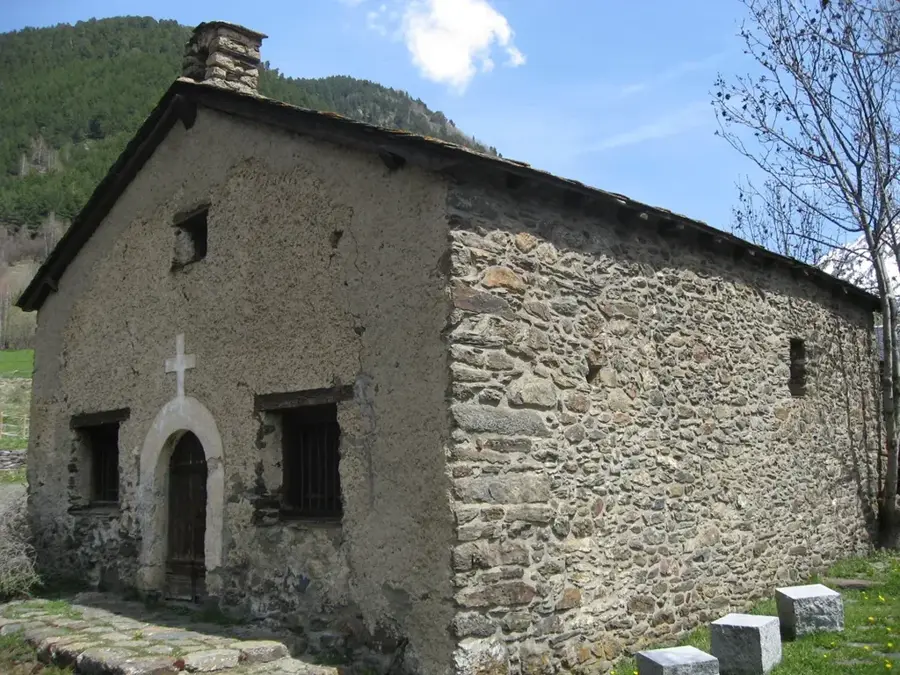
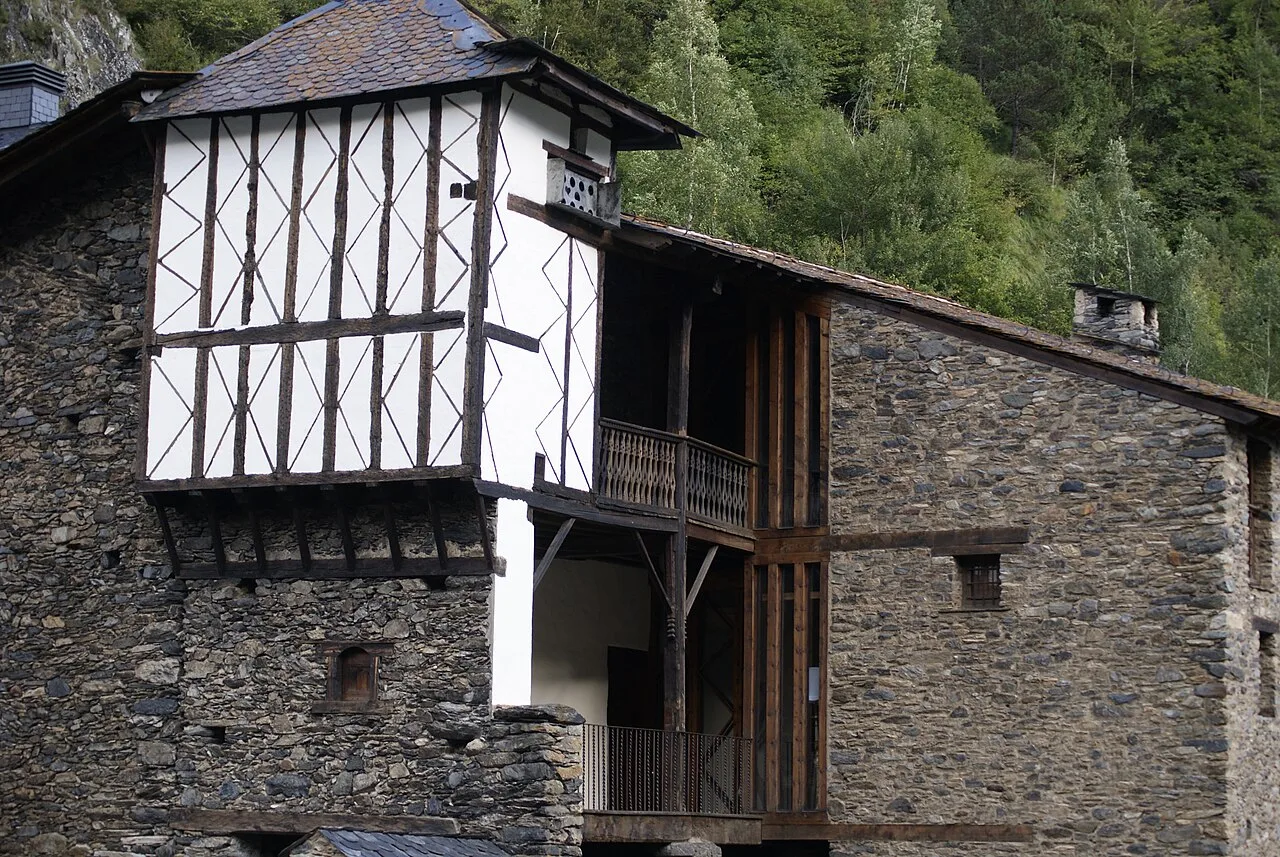
The Llorts Iron Mine (Mina de Llorts) is a significant historical site that showcases Andorra's rich industrial past as part of the wider 'Ruta del Ferro' (Iron Route). Iron production was a major economic driver for the principality between the 17th and 19th centuries, providing income for rural communities before the rise of tourism. At the Llorts site, visitors can enter a 30-meter-deep gallery to see where miners manually extracted iron ore under challenging conditions. The mine is part of a cultural walking trail that connects various industrial landmarks, including charcoal kilns and traditional forges (fargas). As a member of the 'Iron Route in the Pyrenees' cultural heritage project, the mine serves as an educational center reflecting the transition from an agrarian society to one utilizing its natural mineral resources. It remains a key example of how geology and history intertwine in the parish of Ordino.

Best time to visit & climate

The most pleasant time to visit is Jun–Aug.

JanFebMarAprMayJunJulAugSepOctNovDec
Avg °C-2-21591416161282-1
Rain mm604857717752464750647049

📋 Practical info

🏭
What is this place?
The Iron Route Mine Site stands as a captivating monument to Andorra's robust 19th-century metallurgical industry, which once formed the backbone of the local mountain economy. This heritage location highlights the challenging labor and complex resource extraction methods used by historical Andorran communities.
🚪
Visiting
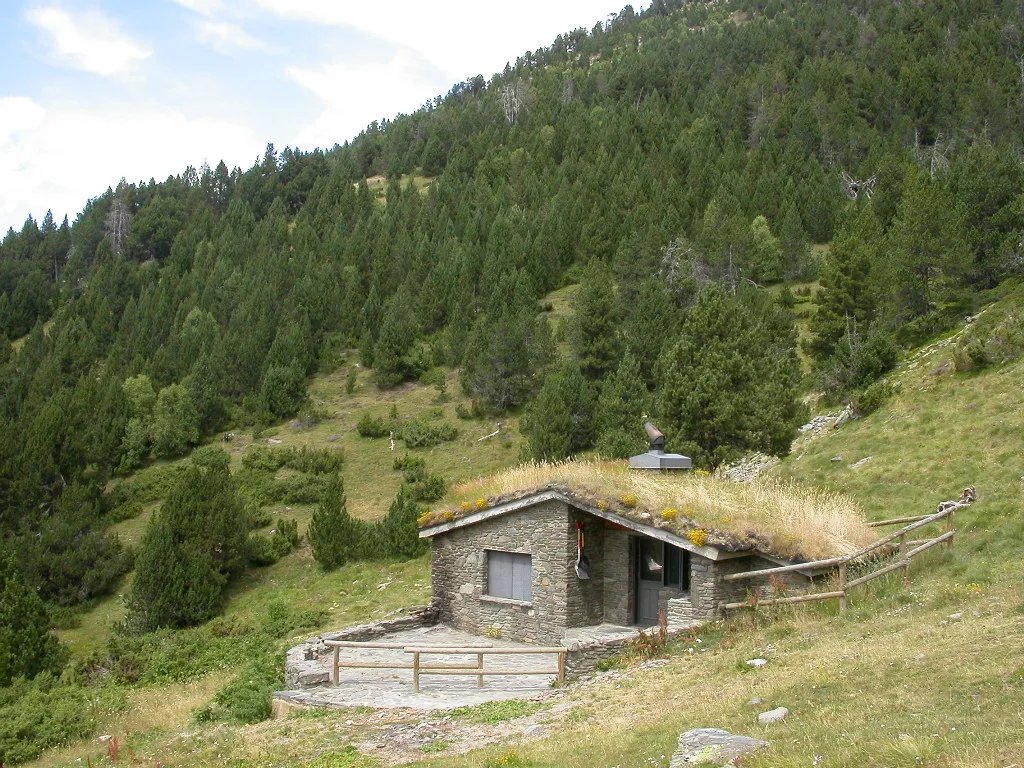
Unlike active industrial zones, this historical site is explicitly designed for public exploration, featuring safe pathways tracing the old mining operations. Visitors can freely wander the restored exterior grounds and often join guided tours during the peak summer months to enter specific tunnel segments.
👀
Where to view it
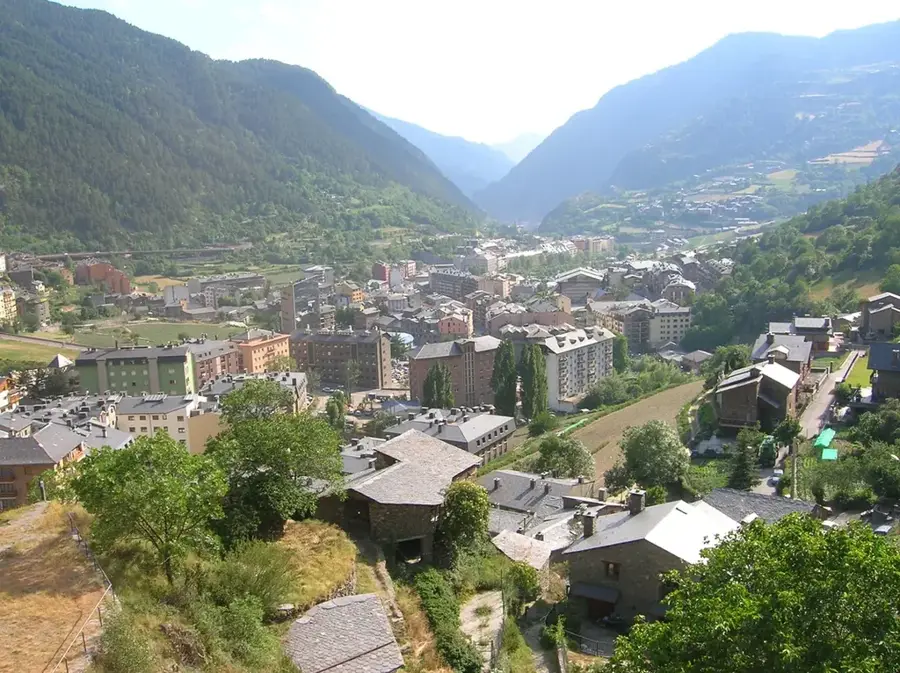
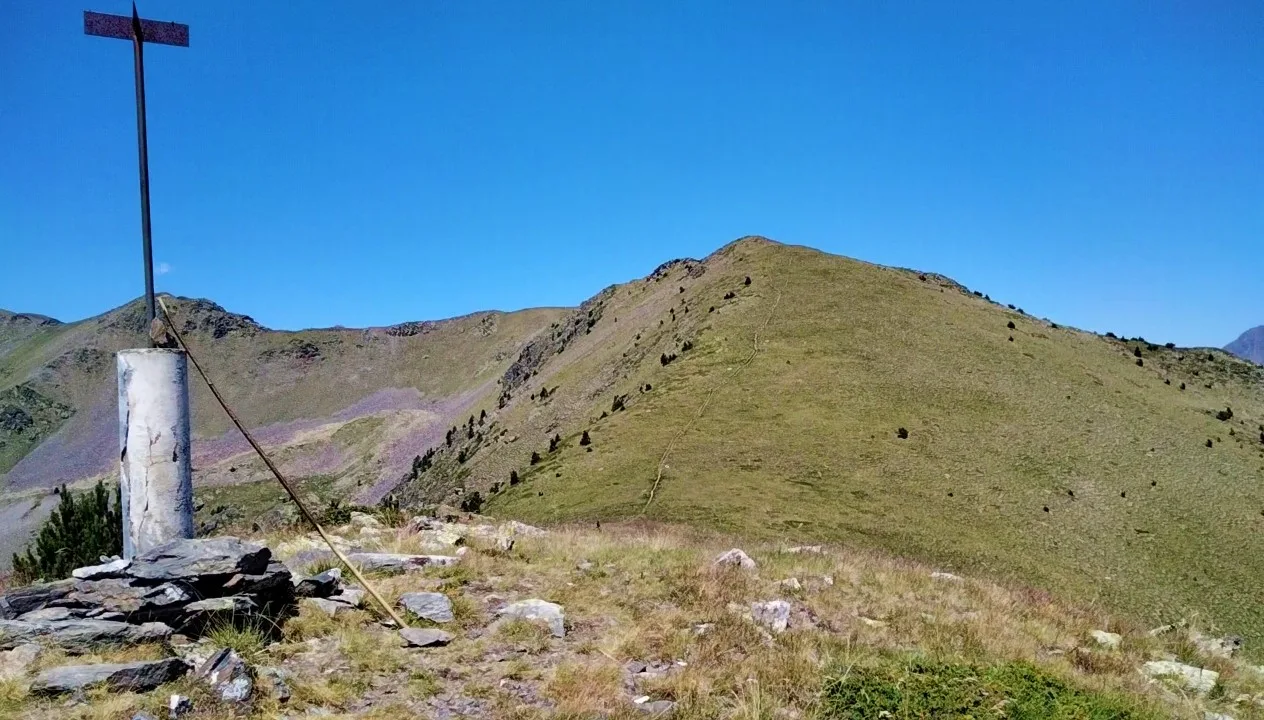
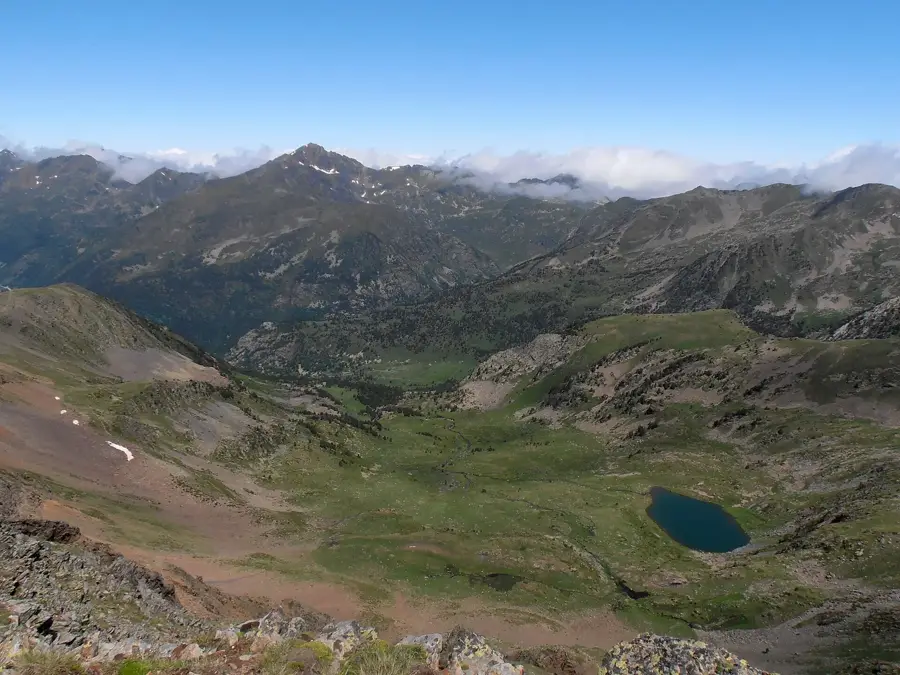
Excellent panoramic views of the scattered mining remnants and the striking valley landscape can be enjoyed from the well-marked hiking trails of the Route of Iron. Carefully placed informational panels along the scenic route offer the best vantage points to imagine the historical valley ecosystem.
🧺
Local products
Along the trail and in nearby mountain parishes, rustic souvenir shops sometimes offer artistic ironwork crafted by modern local blacksmiths honoring the ancient traditions. Additionally, hikers can frequently find small mountain eateries serving hearty Andorran stews and locally cured meats.
📆
Active season
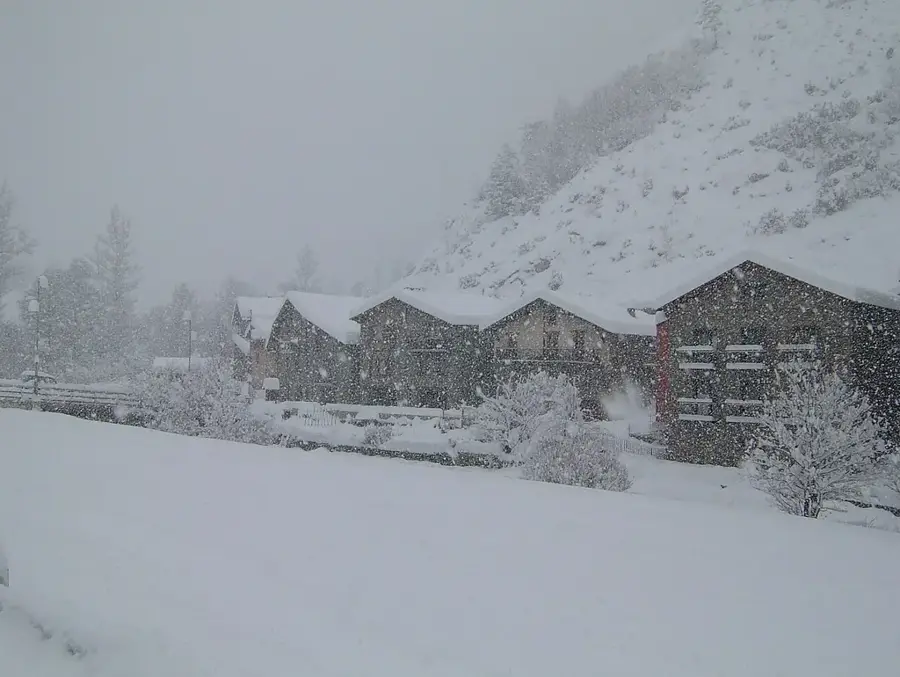
The open-air route is best explored between May and October when the mountain weather is predominantly sunny and the hiking paths are clear of dangerous ice. Winter completely transforms the area, burying the historical features under heavy snowdrifts and shifting focus to nearby ski resorts.
Nearby
Combining this historical hike with a visit to the nearby Rossell Forge (Farga Rossell) Interpretation Center provides a complete picture of the iron transformation process. Visitors also highly recommend relaxing in the pretty village of Ordino after a long day of exploring the rugged valley terrain.

Geography

Coordinates
42.59750, 1.53020

Facts

  • Mainly operational during the 19th century
  • Key stop on the national Iron Route (Ruta del Ferro)
  • Features a 30-meter-long accessible mining gallery
  • Located in the village of Llorts in the Ordino parish
  • Iron was Andorra's primary export until the late 1800s
  • Part of the UNESCO-linked Iron Route of the Pyrenees

Explore nearby

Notable places around
Route planner — Car & Motorhome

Where do you start? We build the route here, with stops and country notes along the way.

Vehicle
Only stops with (optional):

© OpenStreetMap contributors · OpenRouteService

Sights in the town Iron Route Mine Site (6)

Mina de Llorts🏛 museum

Former iron ore mine in Llorts, Andorra, now open as a museum.

Sant Pere del Serrat

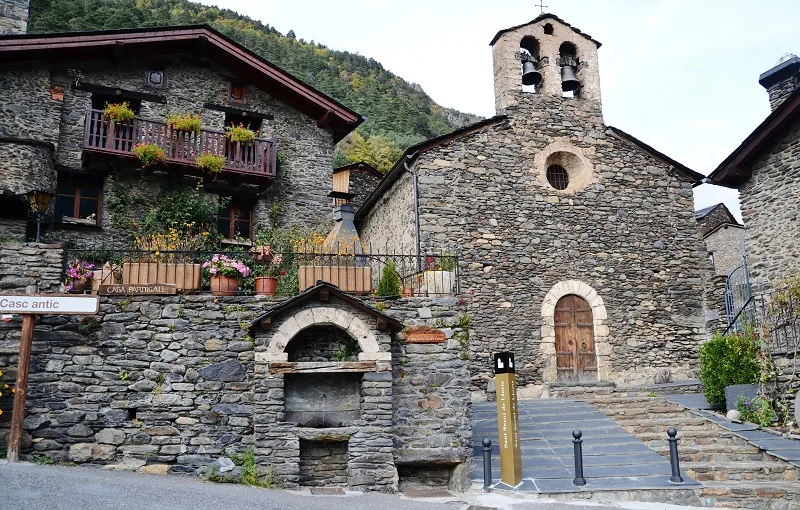
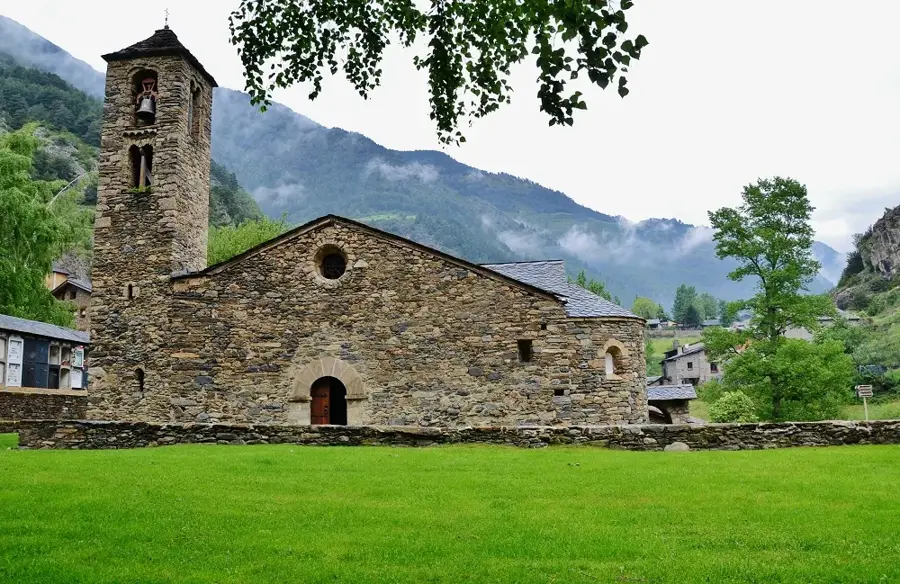
Church building in El Serrat, Andorra, dedicated to Saint Peter.

Església de Sant Martí de la Cortinada

Church building in La Cortinada, Andorra, dedicated to Saint Martin.

Pic del Clot del Cavall

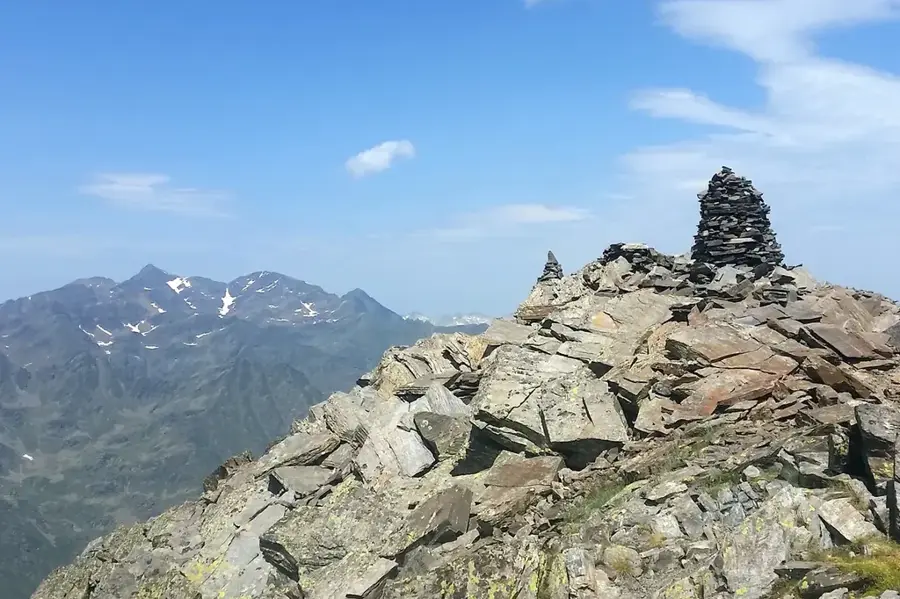
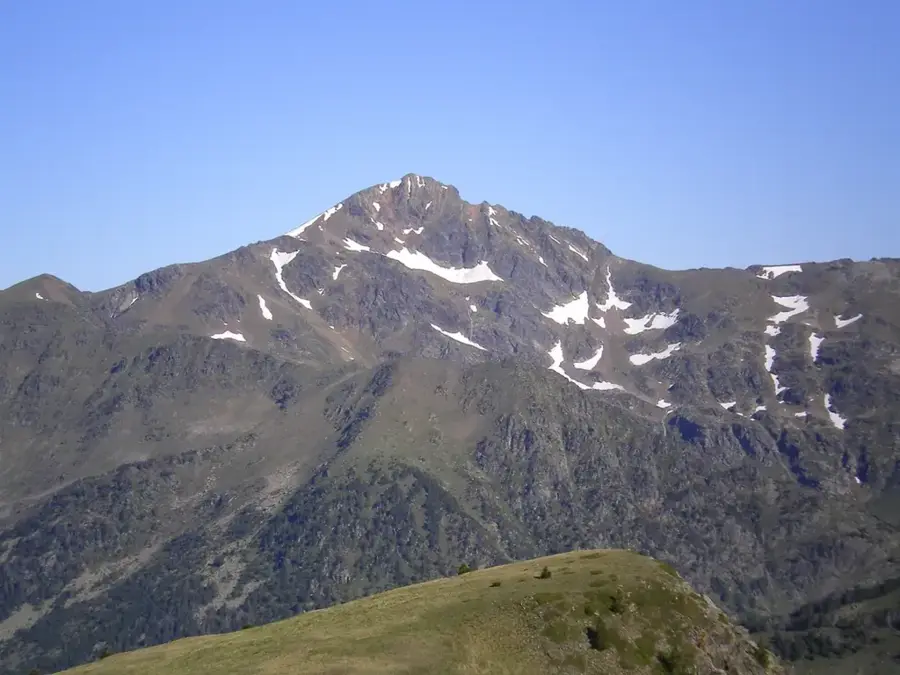
Mountain in Andorra, a peak in the Pyrenees.

Pic de Percanela

Mountain in Andorra, a peak in the Pyrenees.

Pic de l'Hortell

Mountain in Andorra, a peak in the Pyrenees.

Sights nearby

Frequently asked questions

What is the Iron Route Mine?
It is a historic mine in Llorts, part of the cultural heritage of the Andorran iron industry.
When do guided tours take place?
Tours are mostly offered from June to September; reservations are recommended.
Is the mine suitable for people with claustrophobia?
The accessible gallery is about 30 meters long and relatively spacious, though some spots are narrow.
What should you wear for the visit?
Wear sturdy shoes and a light jacket, as the mine remains cool even in summer.
Is there parking nearby?
Yes, there are public parking spaces right at the start of the hiking trail in Llorts.
Iron Route Mine Site: where is it located?
Iron Route Mine Site is located in Andorra.
Iron Route Mine Site: what is there to see?
Highlights include Mina de Llorts, Sant Pere del Serrat, Església de Sant Martí de la Cortinada.
Iron Route Mine Site: when is the best time to visit?
The most pleasant time to visit is Jun, Aug.
Iron Route Mine Site: why is it worth visiting?

The Llorts Iron Mine (Mina de Llorts) is a significant historical site that showcases Andorra's rich industrial past as part of the wider 'Ruta del Ferro' (Iron Route).
View on map → The Top 50 Attractions → OpenStreetMap →
Europe
Explore with Plizio Discover more places in Europe
More places in Andorra →

Nature

More places