Plizio Visual Lab
Mahmud-e-Raqi
ℹ️Practical info — Mahmud-e-Raqi
▾
🌤 Weather — 5 days
📍 Nearby
Sights nearby
💡 Tips
- Dress conservatively to respect the local culture and traditions.
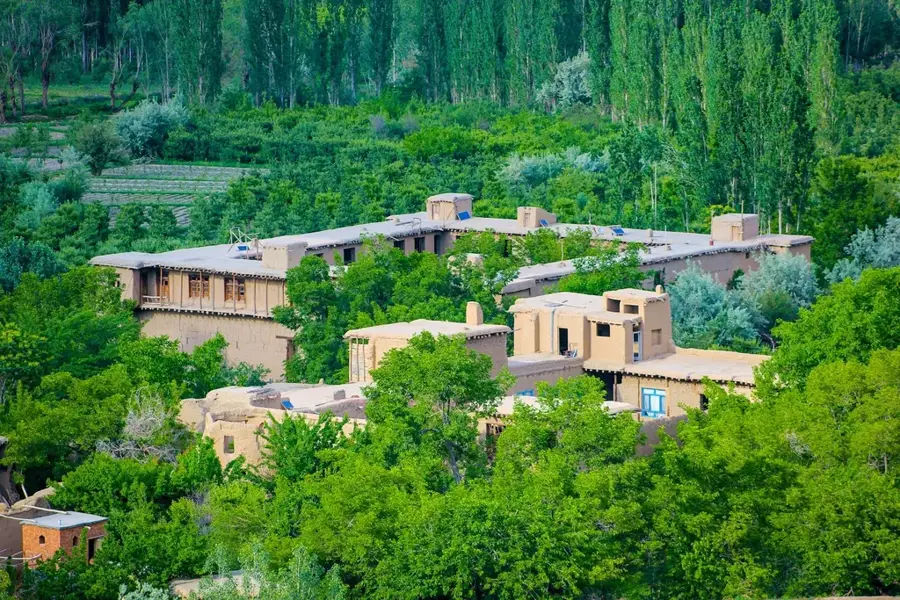
- The area is very green; enjoy the shade of the dense trees during the midday heat.
- Travel by road should ideally be done during daylight hours.
- Carry enough cash, as ATMs and card payments are essentially non-existent.
🍽 Food
The national dish, available in local roadside eateries.
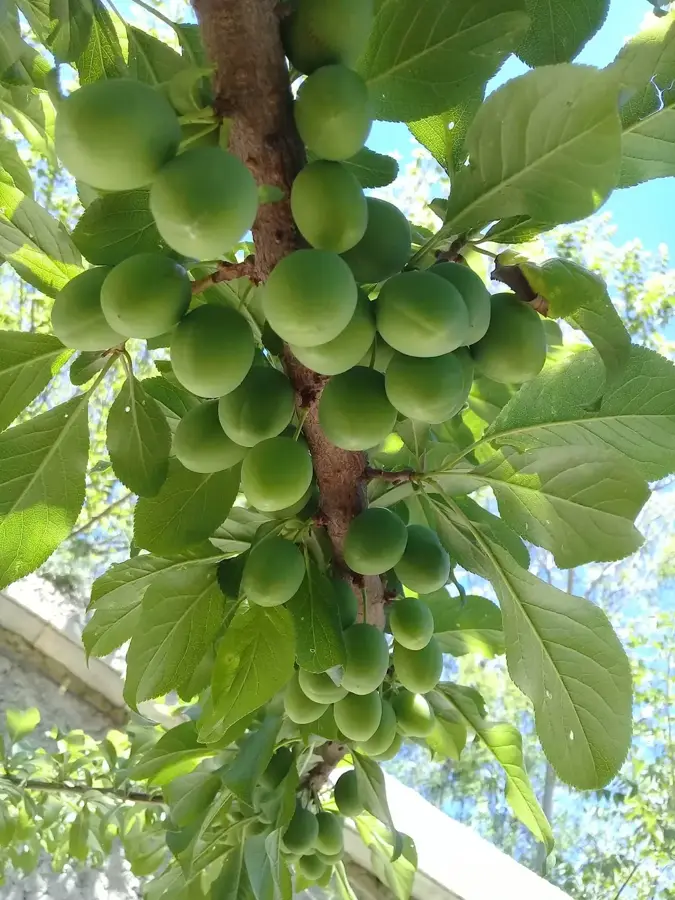
Buy these sweet, juicy fruits directly from local farmers.
Pick up fresh, warm flatbread straight from a local bakery's tandoor.
🛍 Shopping · 🧘 Quiet spots
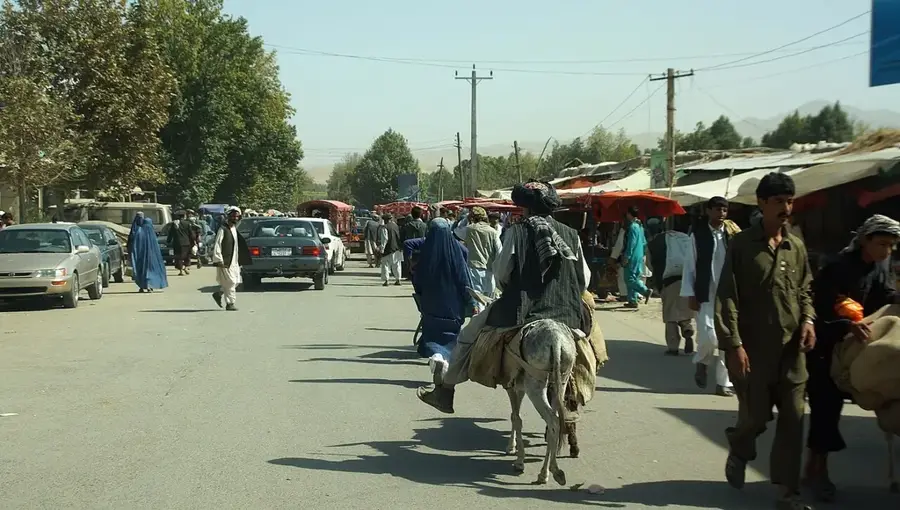
The main market features incredibly fresh fruits and vegetables grown nearby.
Look for colorful local textiles in the central bazaar.
Take a peaceful walk along the edges of the green farms.
Find a quiet spot under the trees near the local water channels.
Water temperature…
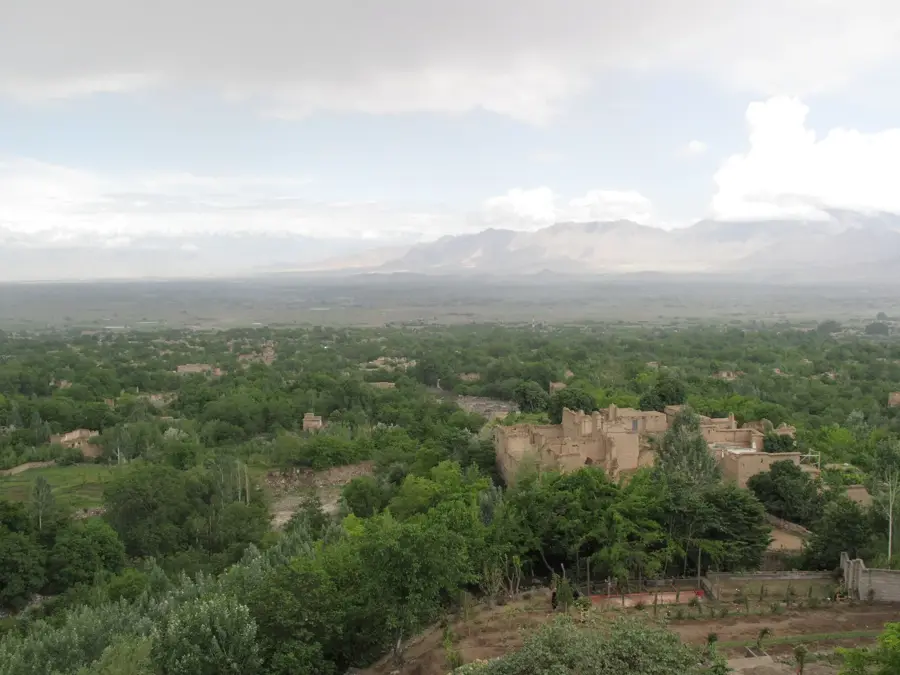
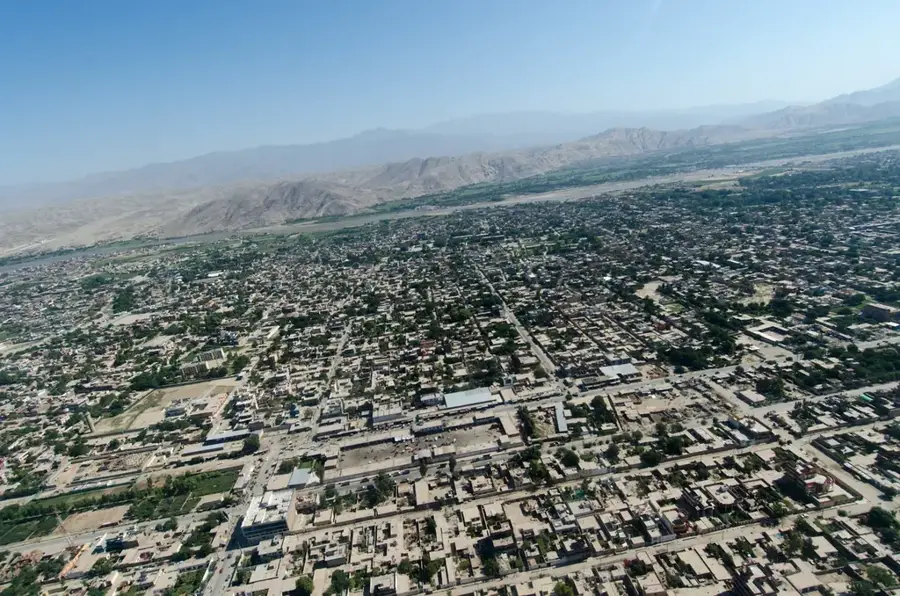
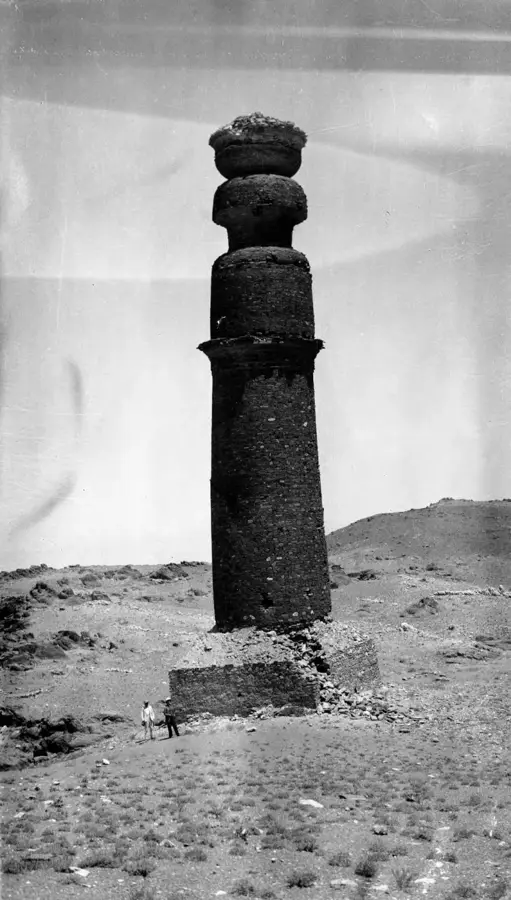
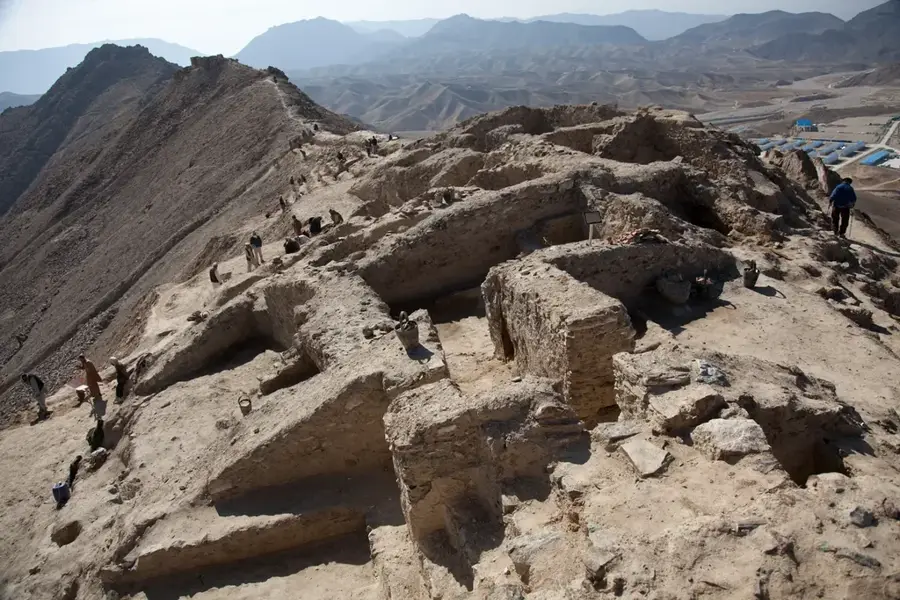
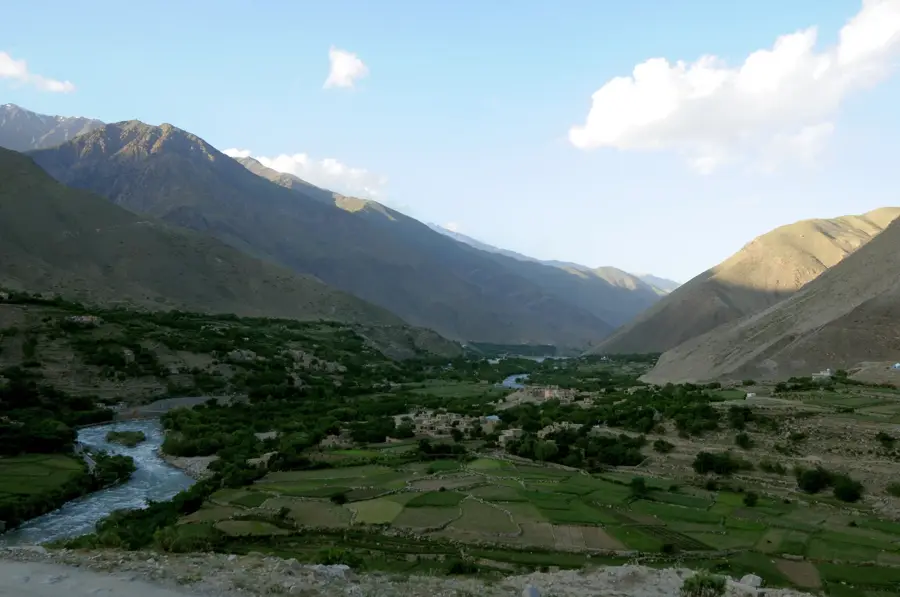
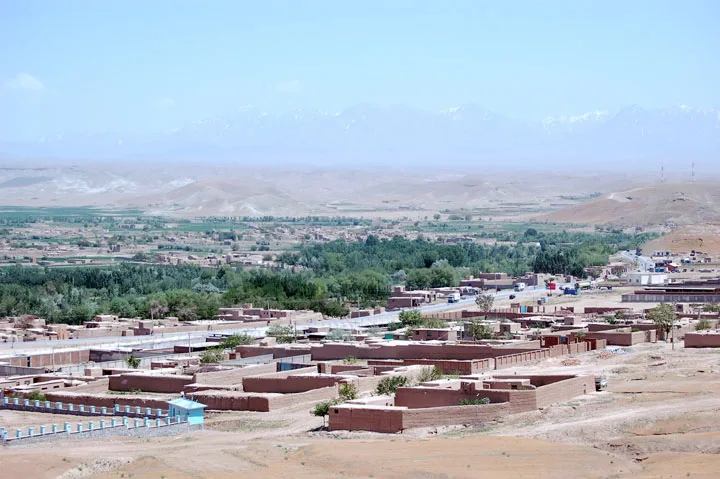
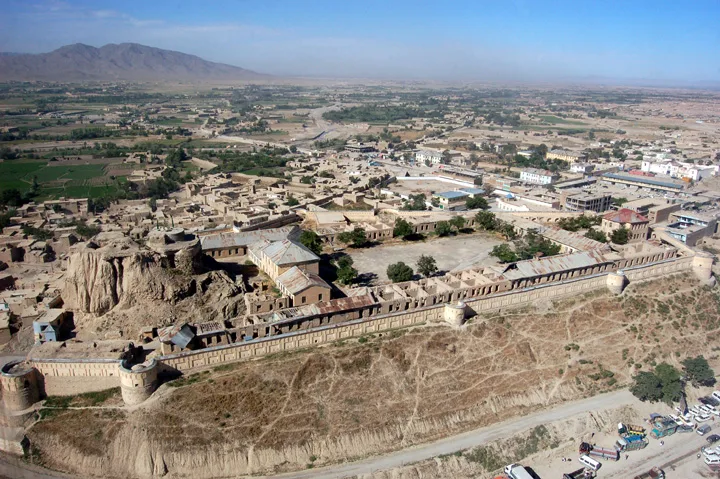
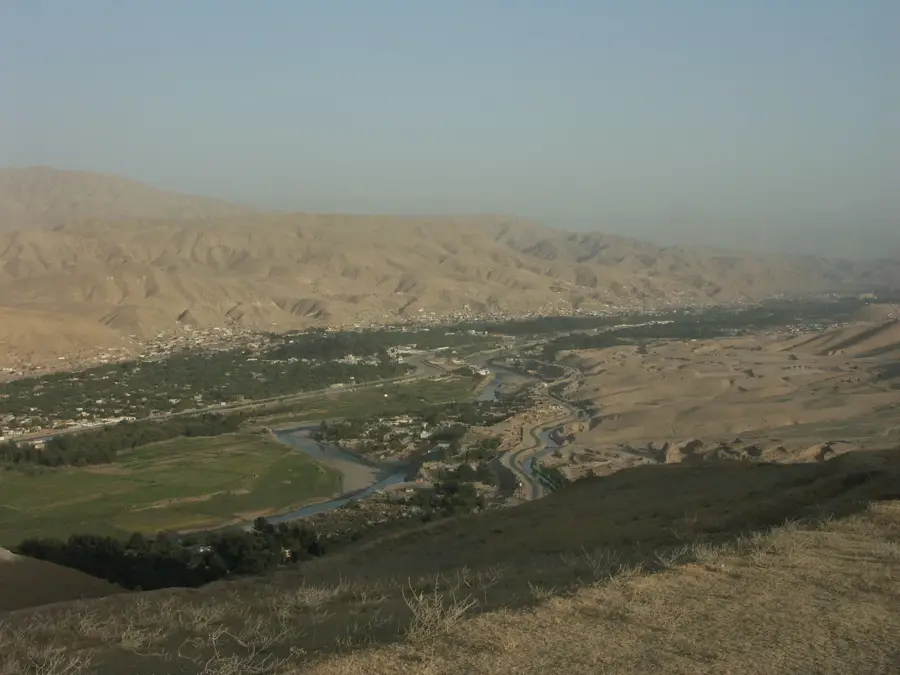
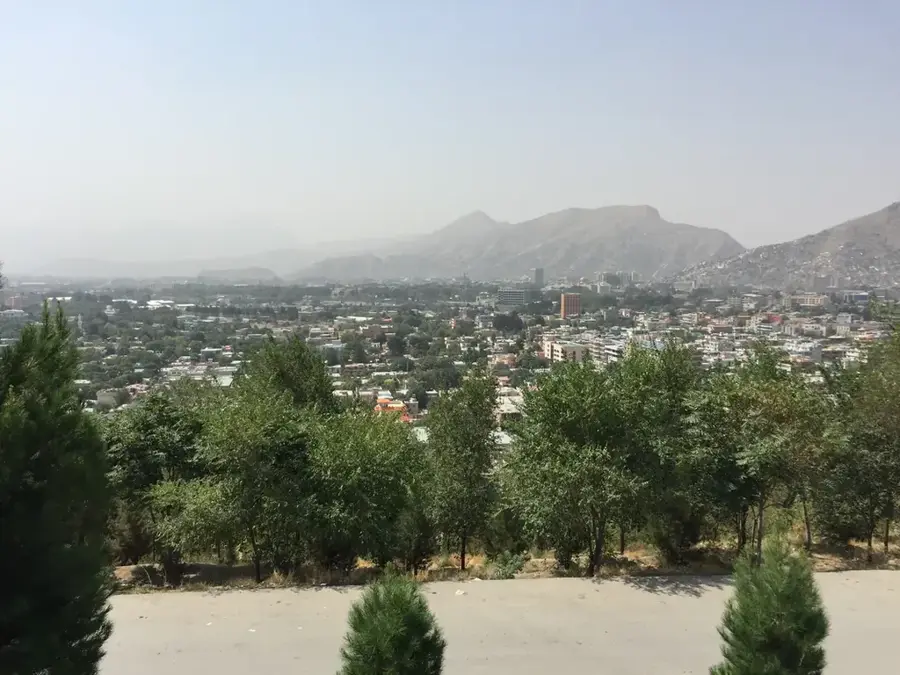
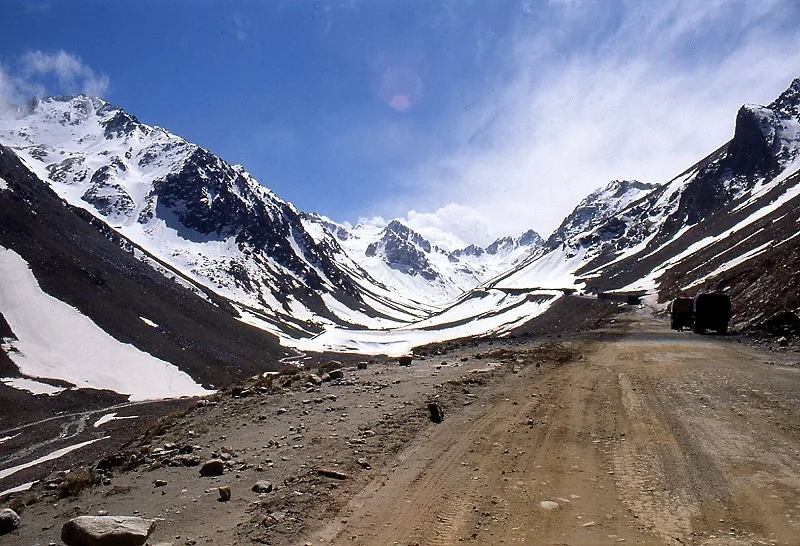
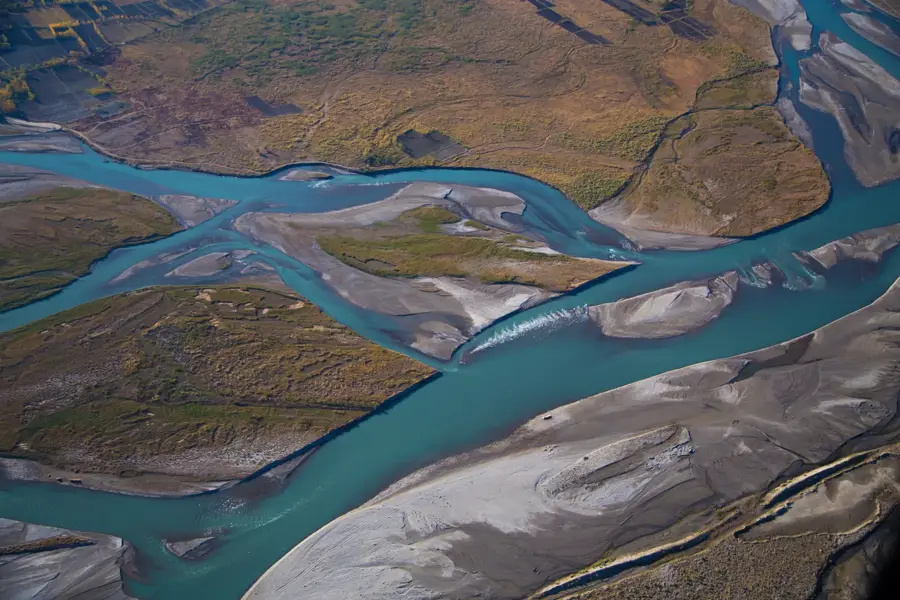
Mahmud-e-Raqi, the capital of Kapisa Province in northeastern Afghanistan, is a city of immense historical pedigree and strategic geographic importance. Located in the scenic Kohistan region at the foothills of the Hindu Kush, it sits near the confluence of the Panjshir, Ghorband, and Kabul rivers. This area was once the heart of the ancient Kushan Empire; the nearby archaeological site of Begram served as the summer capital of King Kanishka, where the famous 'Begram Ivory' and other Silk Road treasures were discovered. Although modern Mahmud-e-Raqi is a smaller provincial capital, its location makes it a vital gateway to the Panjshir Valley and a key link to Kabul, situated just 70 kilometers to the southwest. The city's economy is deeply rooted in agriculture, benefiting from the fertile alluvial soil of the Kapisa plains. It is a primary trading post for high-quality fruits, particularly grapes, pomegranates, and mulberries, which are exported throughout the region. Demographically, the city is a melting pot of Tajiks, Pashtuns, and Pashai people, contributing to a rich local culture and linguistic diversity. A cornerstone of the city's modern identity is Al-Beroni University, a prestigious institution named after the polymath scholar Al-Beroni, which serves as a major educational hub for the northeastern provinces. The urban landscape of Mahmud-e-Raqi is characterized by a mix of traditional stone architecture and new governmental buildings, all set against a backdrop of lush orchards and snow-capped peaks. The city also serves as an important administrative center, overseeing the development of Kapisa's rural districts. Its temperate climate and natural beauty have historically made it a favored retreat for those seeking respite from the heat of the plains. Despite the challenges of the past decades, Mahmud-e-Raqi continues to thrive as a center of learning and trade, bridging the gap between Afghanistan's ancient Buddhist past and its contemporary regional roles.
- Location: Afghanistan
- Population: ~7.407 (2026)
Best time to visit & climate
The most pleasant time to visit is Jun–Aug.
| Jan | Feb | Mar | Apr | May | Jun | Jul | Aug | Sep | Oct | Nov | Dec | |
|---|---|---|---|---|---|---|---|---|---|---|---|---|
| Avg °C | -3 | -1 | 4 | 10 | 14 | 18 | 21 | 19 | 15 | 10 | 5 | 0 |
| Rain mm | 38 | 56 | 64 | 64 | 37 | 22 | 25 | 28 | 24 | 20 | 26 | 20 |
Geography
Facts
- Capital of Kapisa, one of the most densely populated provinces.
- Located near the ancient site of Begram (Kapisa), a Kushan capital.
- Home to Al-Beroni University, a major regional academic center.
- Sits at an elevation of 1,450 meters (4,750 feet) in the Kohistan region.
- Major trade hub for the region's famous grapes and pomegranates.
- Strategically located at the junction leading to the Panjshir Valley.
- Primary ethnic group is Tajik, with Pashtun and Pashai minorities.
- Historically a significant center for the development of early Buddhism.
Explore nearby
Notable places around
Route planner — Car & Motorhome
Where do you start? We build the route here, with stops and country notes along the way.
© OpenStreetMap contributors · OpenRouteService
Sights in the town Mahmud-e-Raqi (1)
Frequently asked questions
Where is Mahmud-e Raqi located?
Are there sights?
Is it developed for tourism?
How to travel there?
What is important?
Mahmud-e-Raqi: where is it located?
Mahmud-e-Raqi: when is the best time to visit?
Mahmud-e-Raqi: why is it worth visiting?
Nearby cities
History & landmarks
Nature
More places