Attractions in Côte d’Ivoire
The finest attractions in Côte d’Ivoire at a glance: castles, natural wonders, historic old towns and more. Each place links to a detailed page with map, tips and photos.
Culture & History
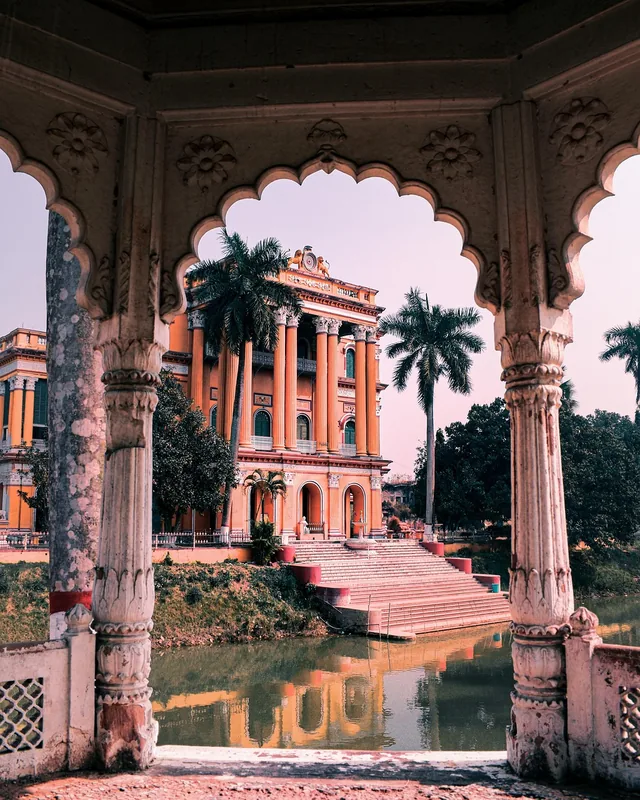
Palace of Culture Abidjan
The largest cultural event center in Abidjan, situated right on the lagoon, hosts concerts and theatrical performances.
Learn more →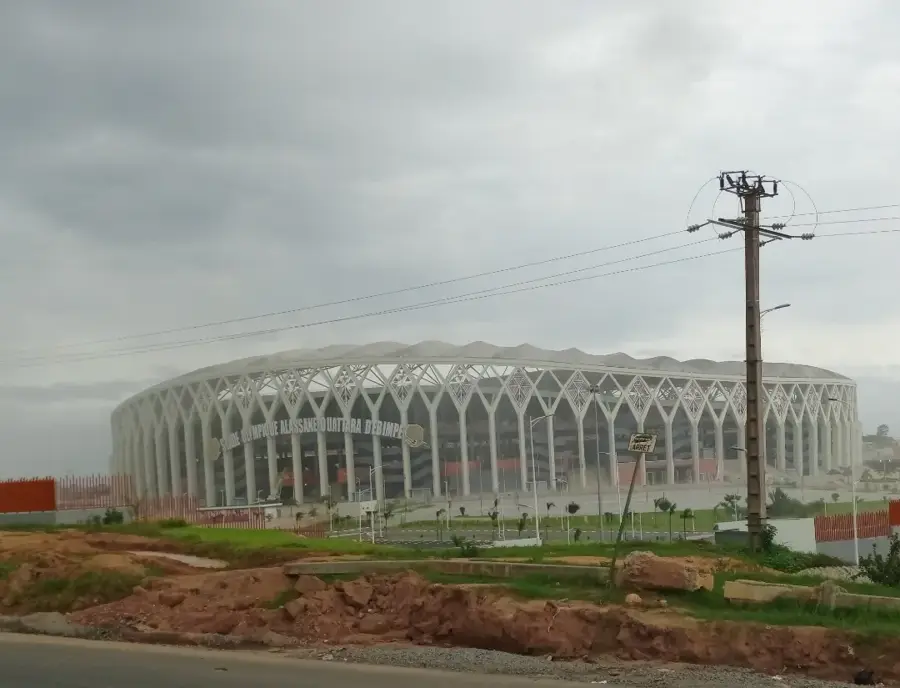
Alassane Ouattara Olympic Stadium
The largest stadium in Ivory Coast, also known as the National Stadium, was the main venue for the 2023 Africa Cup of Nations.
Learn more →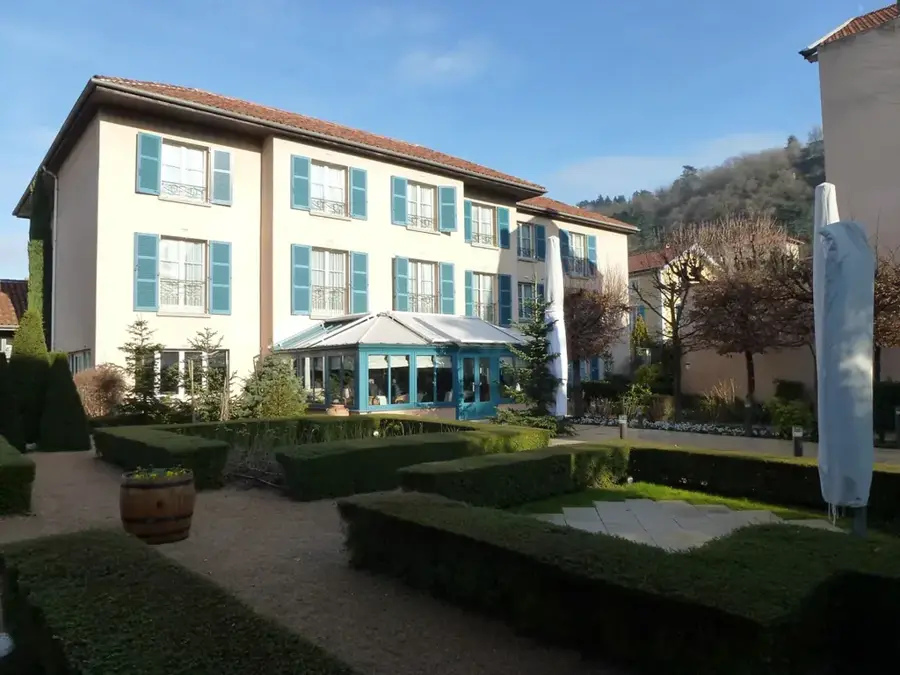
La Pyramide
A distinctive pyramid-shaped high-rise in Abidjan, built in the 1970s as a symbol of the Ivorian economic miracle.
Learn more →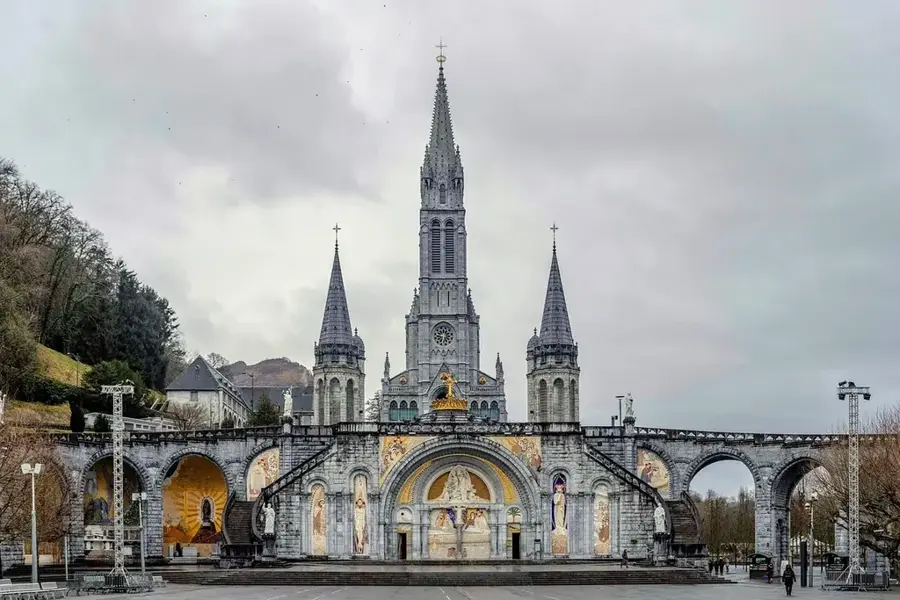
Basilica of Our Lady of Peace
The basilica in Yamoussoukro is one of the largest churches in the world, modeled after St.
Learn more →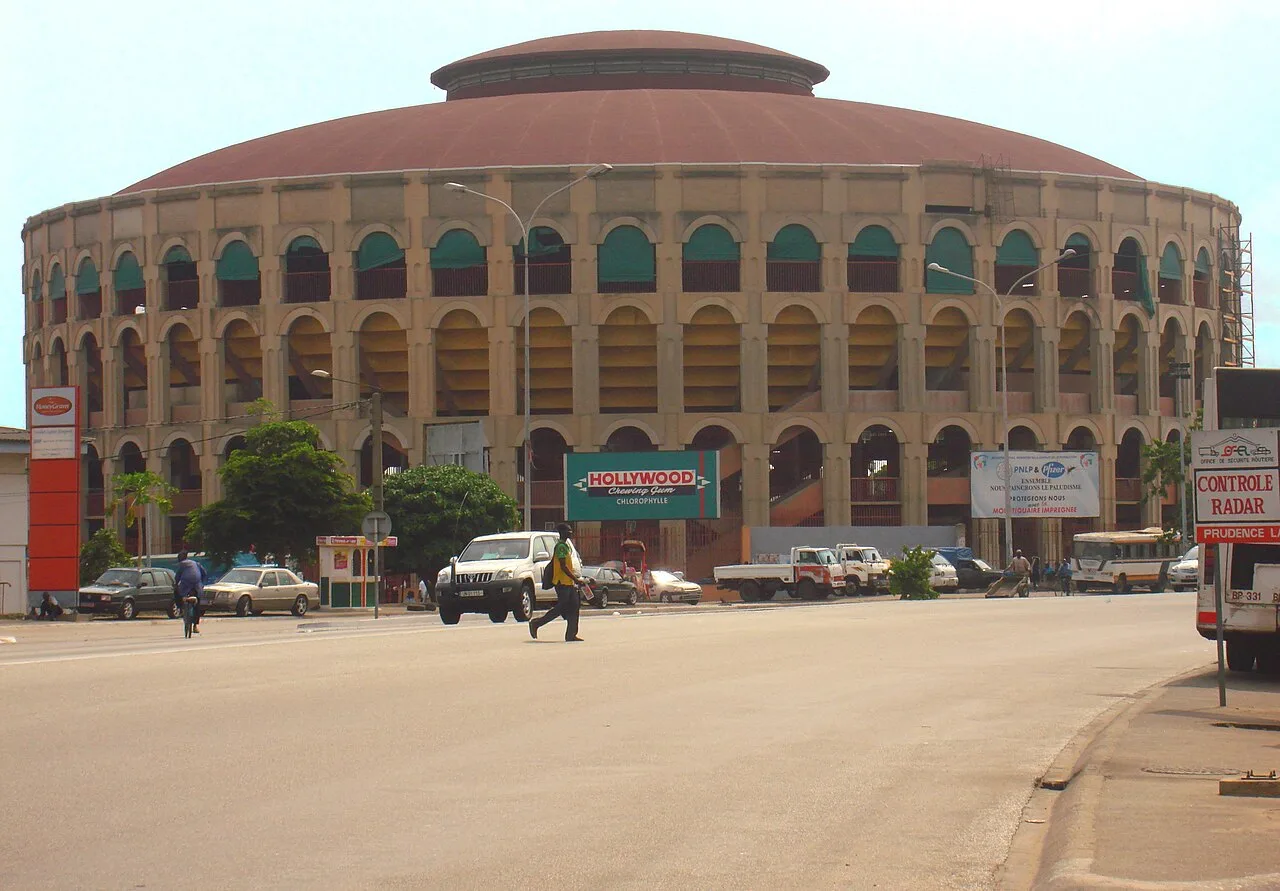
Treichville War Memorial
An important memorial in Abidjan dedicated to the soldiers who fought and died for France in the World Wars.
Learn more →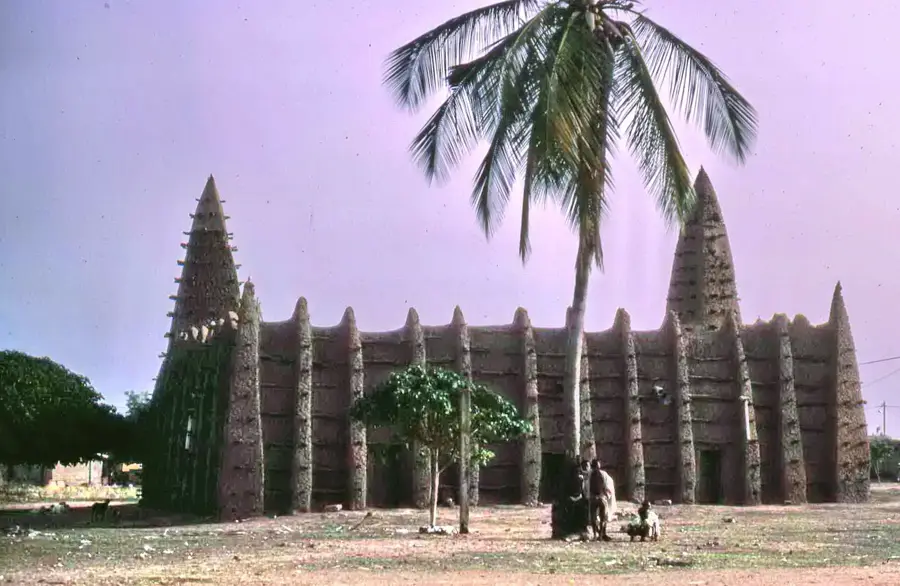
Nambira Mosque
A remarkable historic mosque in northern Ivory Coast, representing the Sudanese architectural style of the region.
Learn more →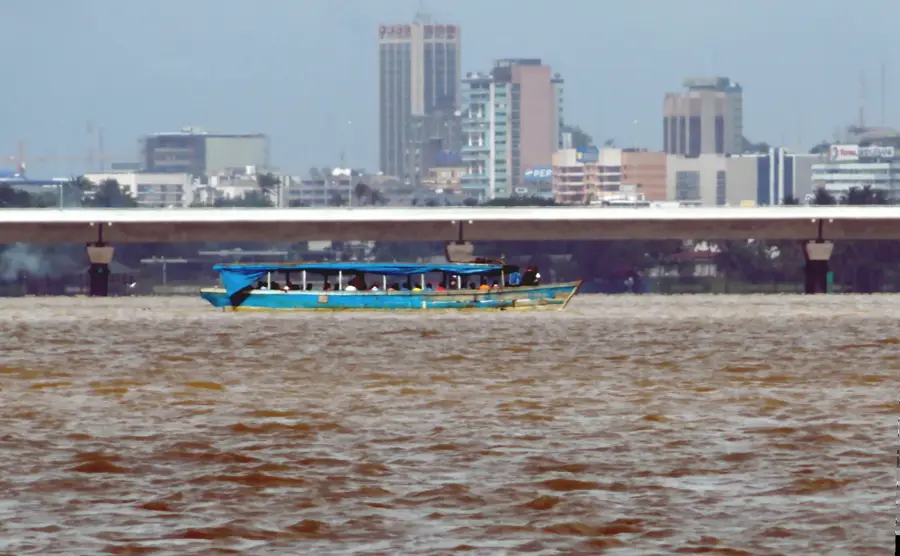
Henri-Konan-Bédié Bridge
An important toll road bridge in Abidjan that connects the Riviera and Marcory districts across the Ébrié Lagoon.
Learn more →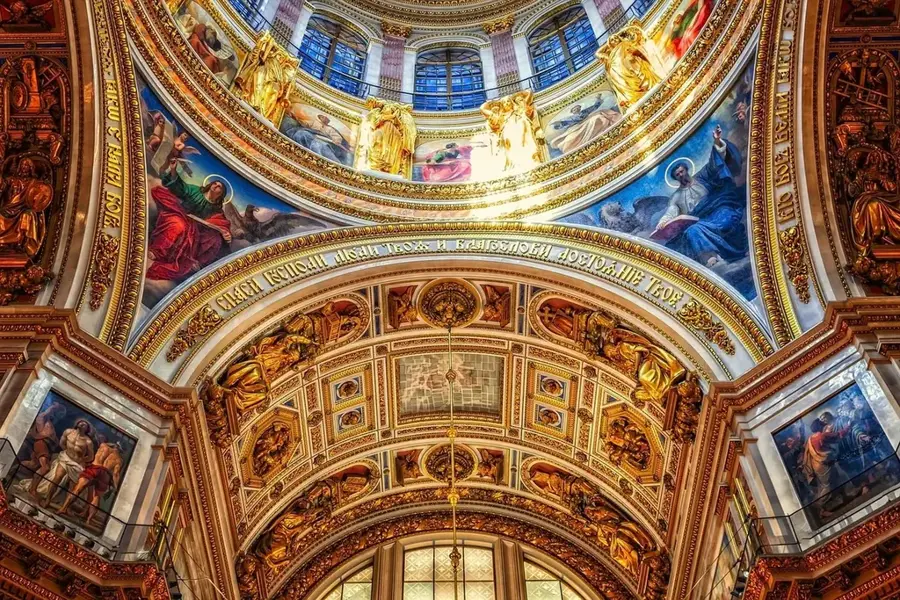
St. Teresa Cathedral Bouaké
A significant Catholic cathedral in the country's second-largest city, known for its striking architecture.
Learn more →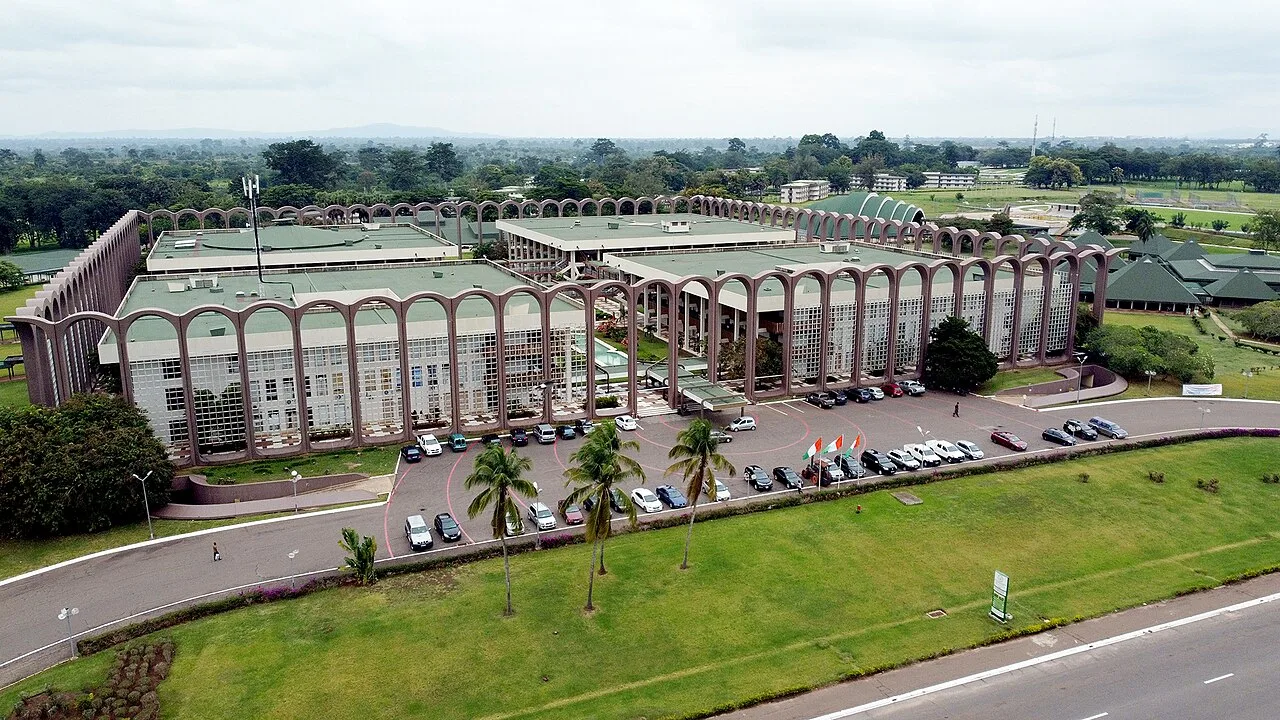
Presidential Palace Yamoussoukro
The sprawling complex of the Presidential Palace is famous for its artificial lake, where sacred crocodiles live.
Learn more →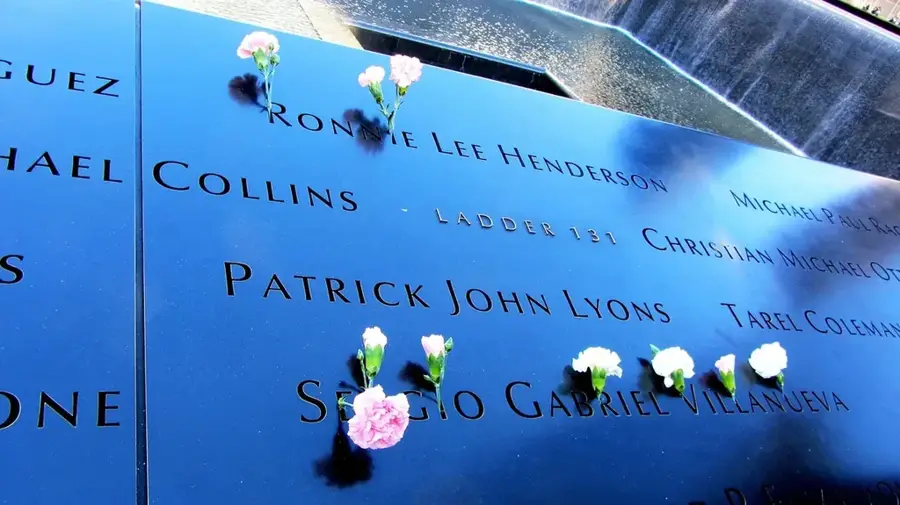
Postel 2001 Building
Another distinctive high-rise in the heart of Abidjan, which historically served as a headquarters for telecommunications.
Learn more →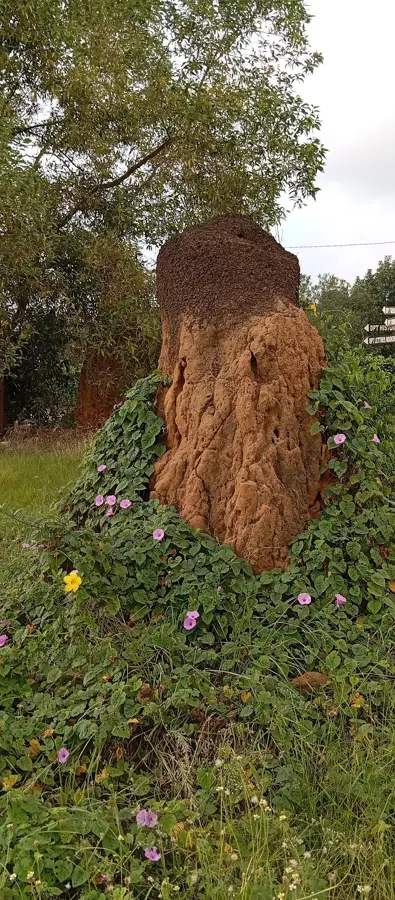
Grande Mosquée de la Riviera Golf
This large and elegant mosque in Abidjan is an important religious center for the city's Muslim community.
Learn more →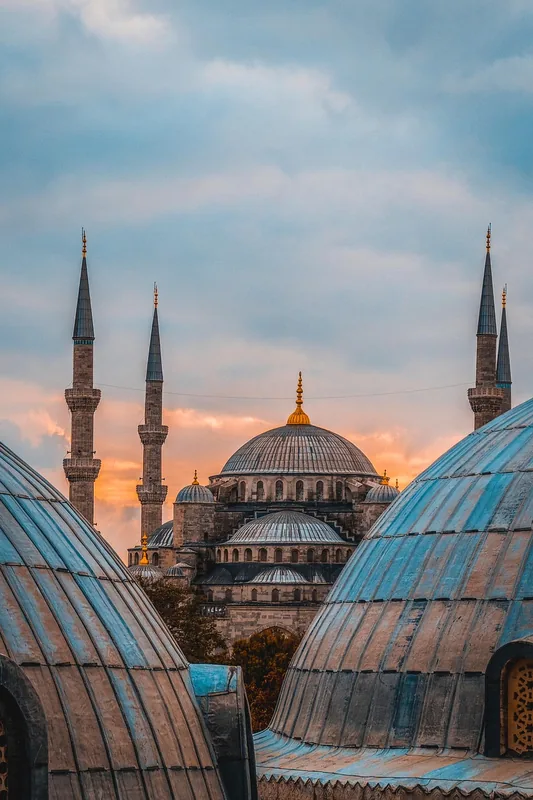
Tingréla Mosque
Another outstanding example of traditional Sudanese-Sahelian mud architecture in northern Ivory Coast.
Learn more →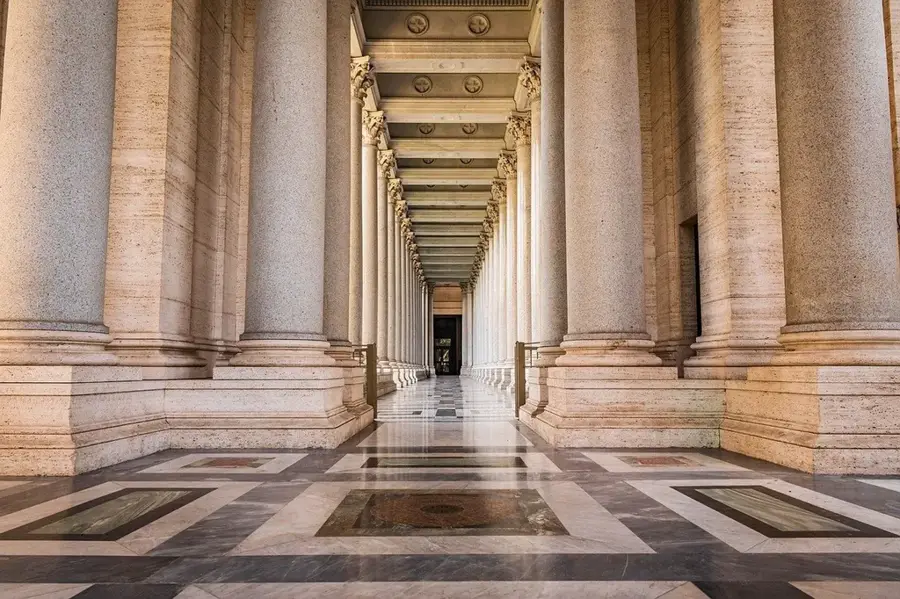
St. Paul's Cathedral
The Roman Catholic cathedral in Abidjan is known for its unique modern architecture and striking tower.
Learn more →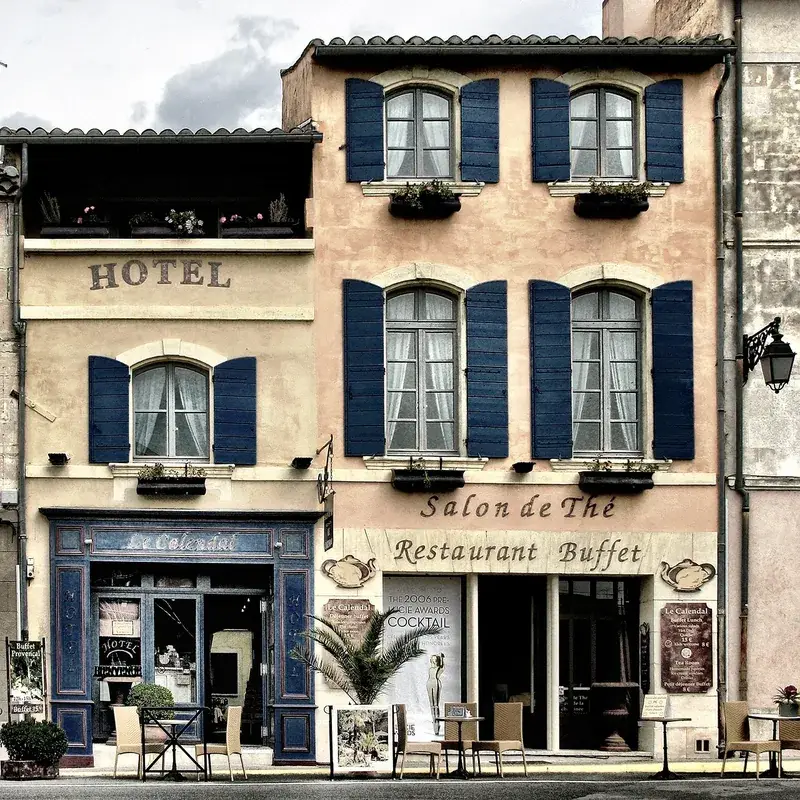
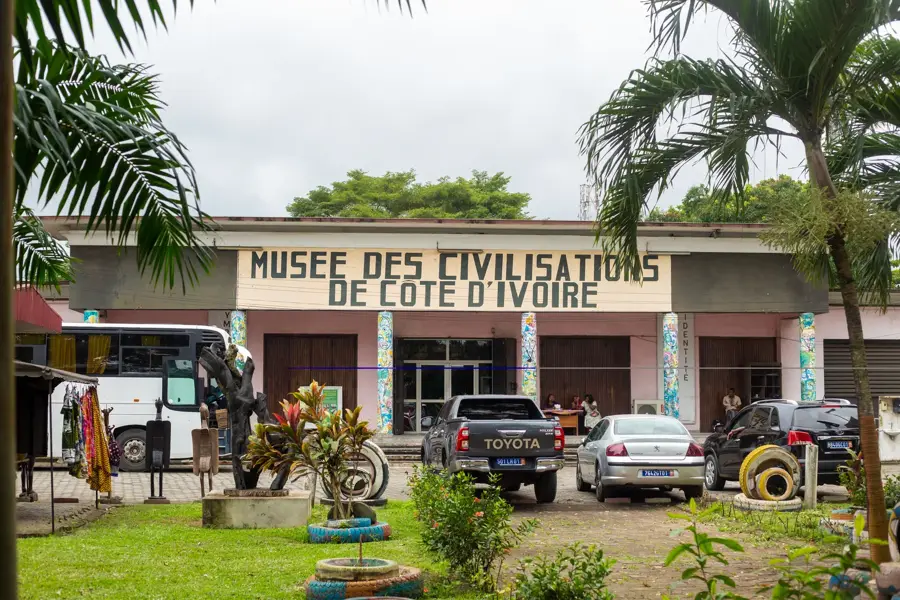
Museum of Civilizations of Côte d'Ivoire
The most important museum in Abidjan, presenting the rich cultural and historical heritage of Ivory Coast.
Learn more →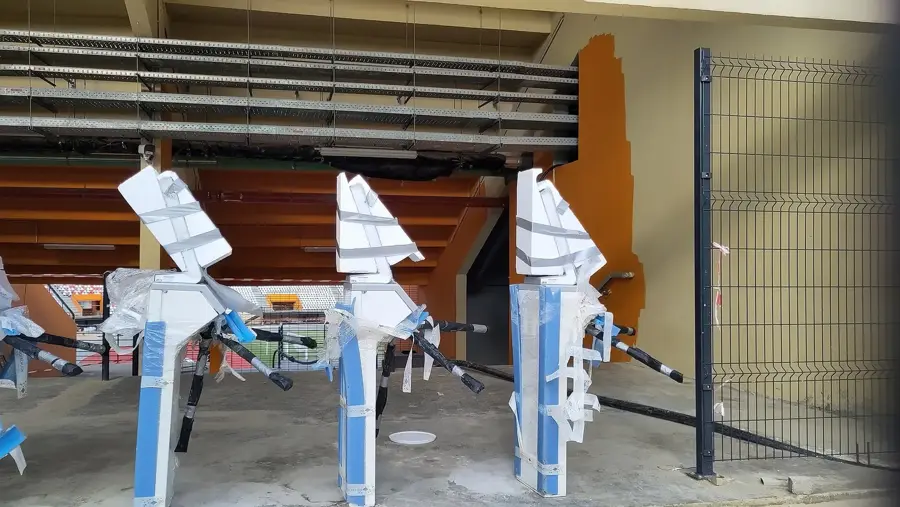
Administrative Tower A
Part of a significant government complex in the center of Abidjan, housing various ministries.
Learn more →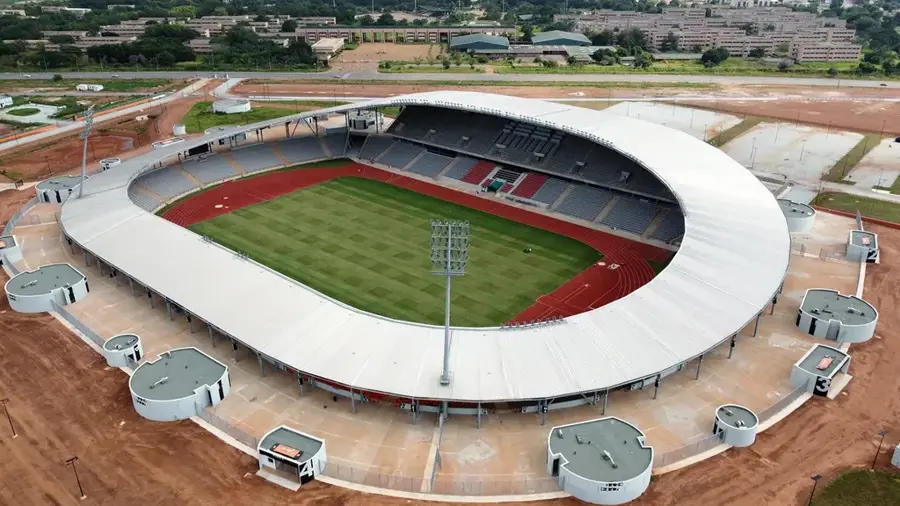
Charles Konan Banny Stadium
A modern football stadium in the political capital Yamoussoukro, built for international tournaments.
Learn more →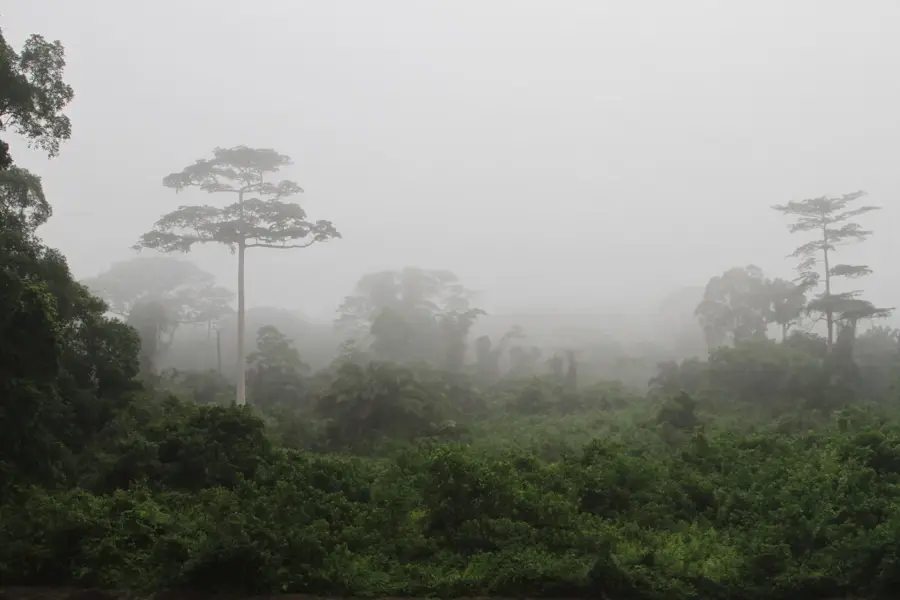
Taï
The gateway to the Taï National Park, one of the last primary rainforests in West Africa and a UNESCO site.
Learn more →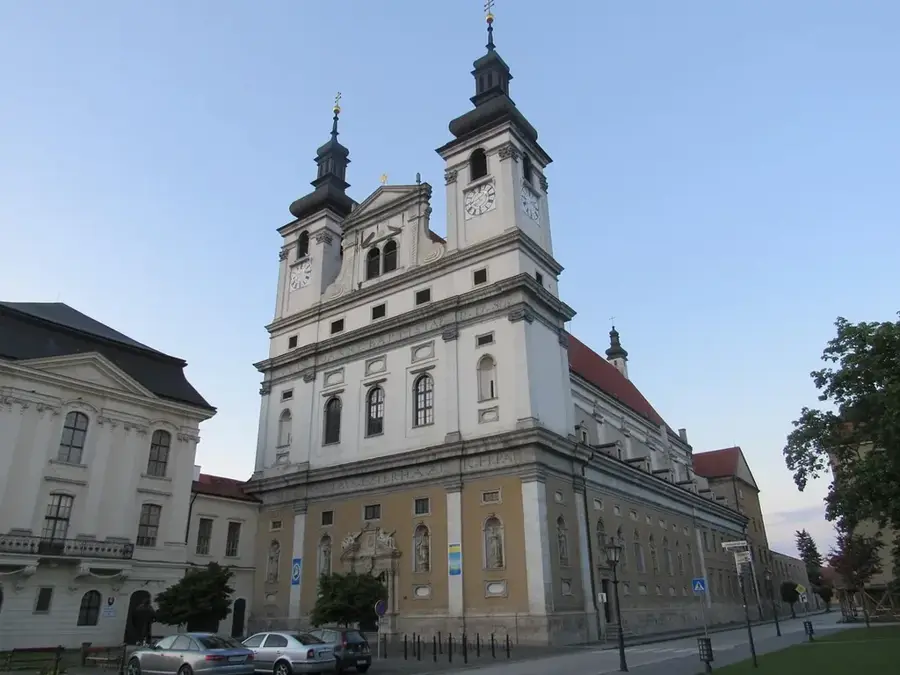
St. John the Baptist Cathedral
The most important Catholic church in Korhogo, serving as a religious center for the northern region.
Learn more →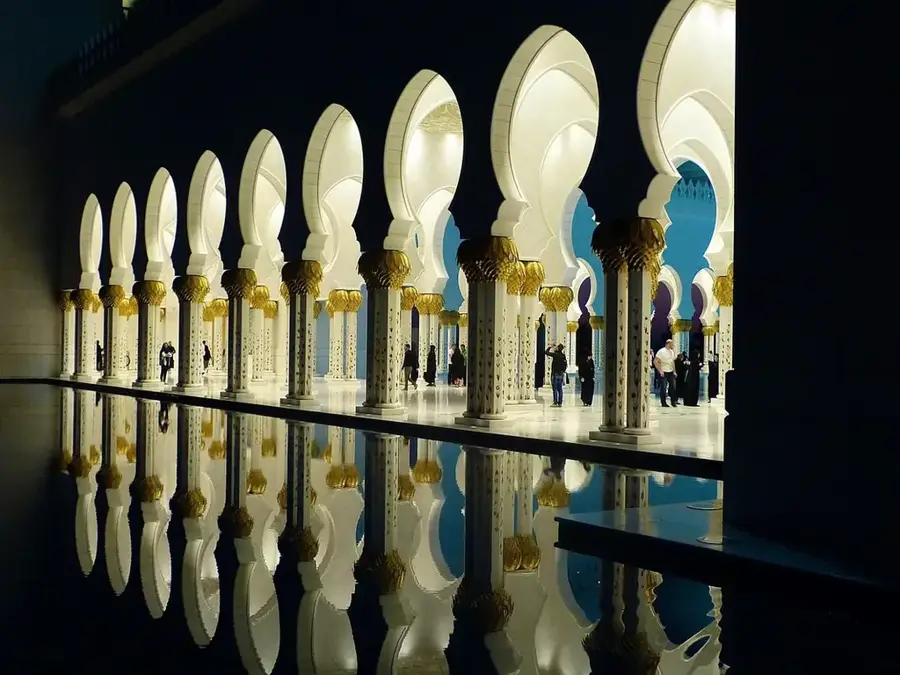
Great Mosque of Kong
This historic mosque in the Sudanese architectural style made of mud is a symbol of the old Kong Empire.
Learn more →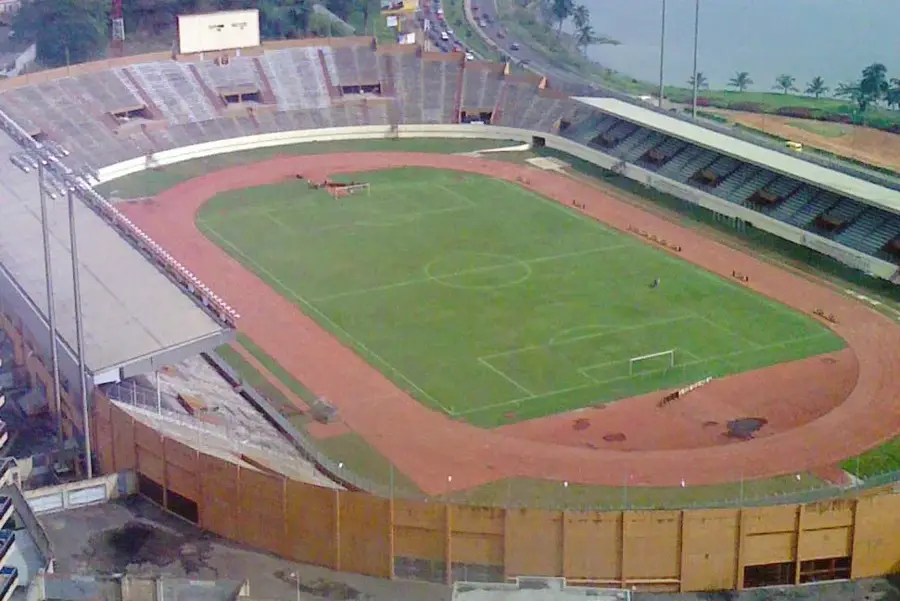
Félix Houphouët-Boigny Stadium
This historic multi-purpose stadium in Abidjan is named after the first president of Ivory Coast.
Learn more →Nature
Abidjan East Lagoon
An ecologically important part of the lagoon system in eastern Abidjan.
Learn more →
Ébrié Lagoon
This lagoon connects the city of Abidjan to the Atlantic Ocean.
Learn more →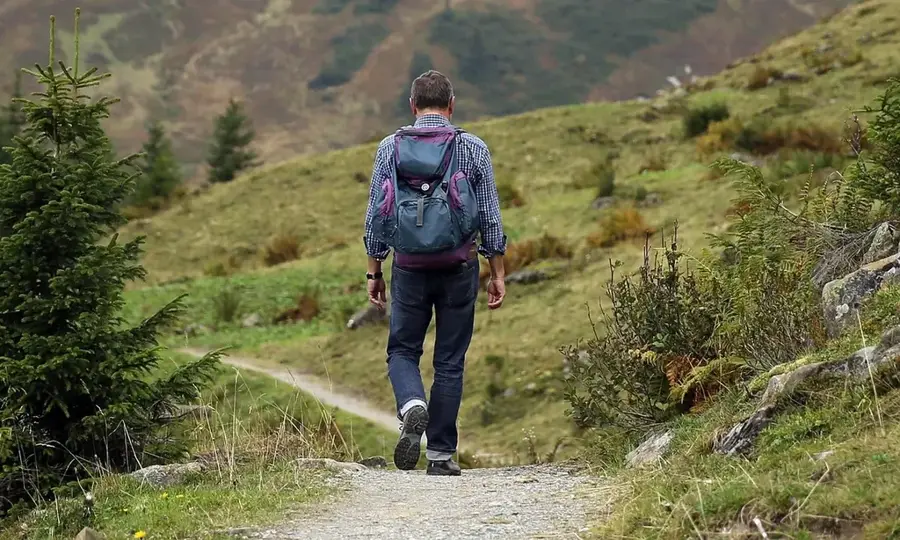
Man Mountains
The Man Massif is the most prominent mountain range in western Ivory Coast, containing several peaks over 1,000 meters.
Learn more →
Mount Nimba
The Nimba massif is the country's highest peak and an important nature reserve.
Learn more →
Mount Biankouma
A mountain range near the border with Guinea, known for its forests.
Learn more →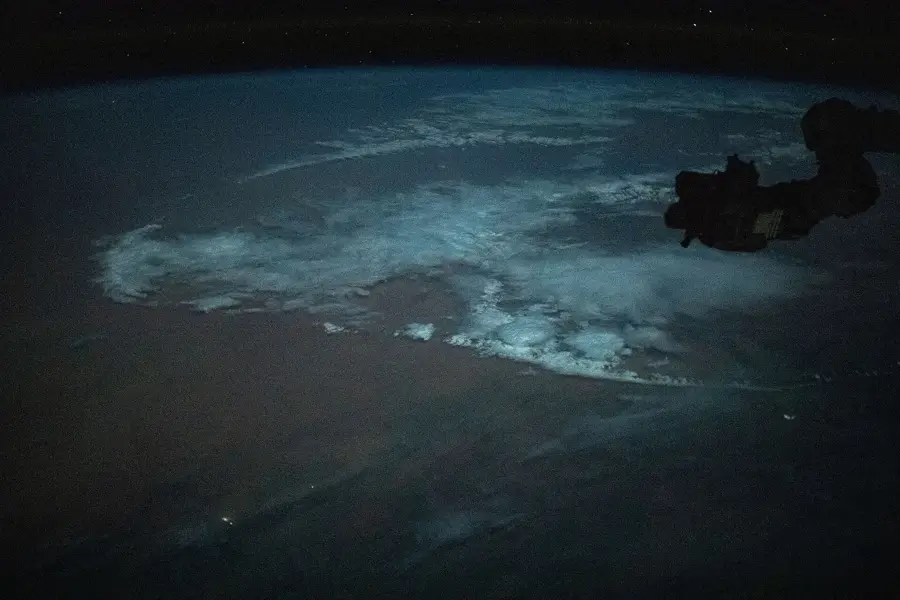
Mount Poko
A prominent mountain in the country's western highlands.
Learn more →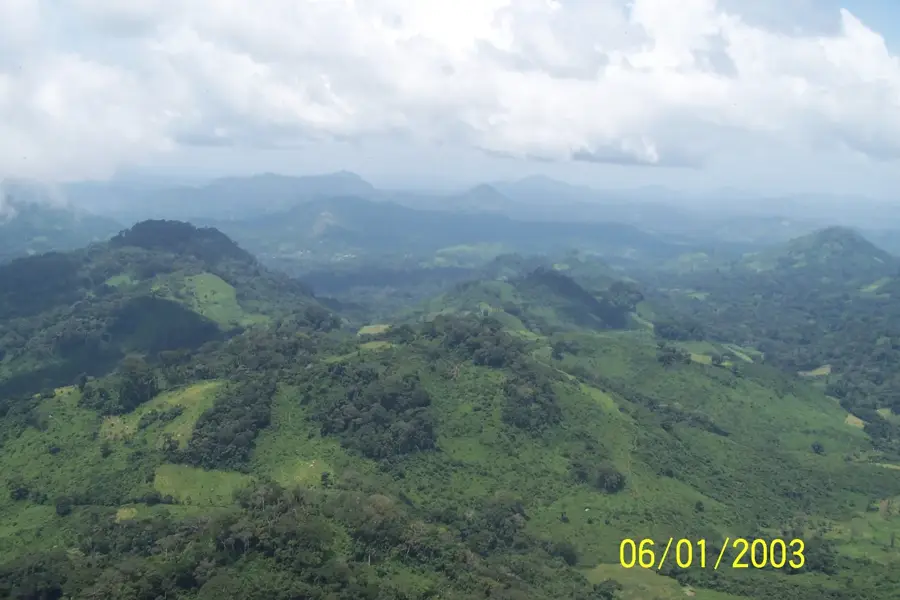
Mount Toura
A mountain in the Toura region in the west of the country.
Learn more →More highlights
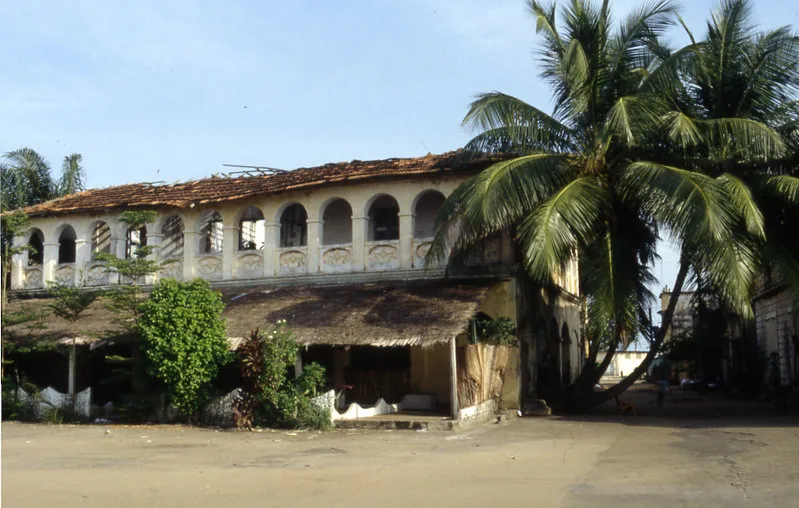
Historic Town of Grand-Bassam
This historic town served as the first French colonial capital of Ivory Coast between 1893 and 1896.
Learn more →
Taï Forest
The Tai forest relief represents one of the last major remnants of primary tropical rainforest in West Africa.
Learn more →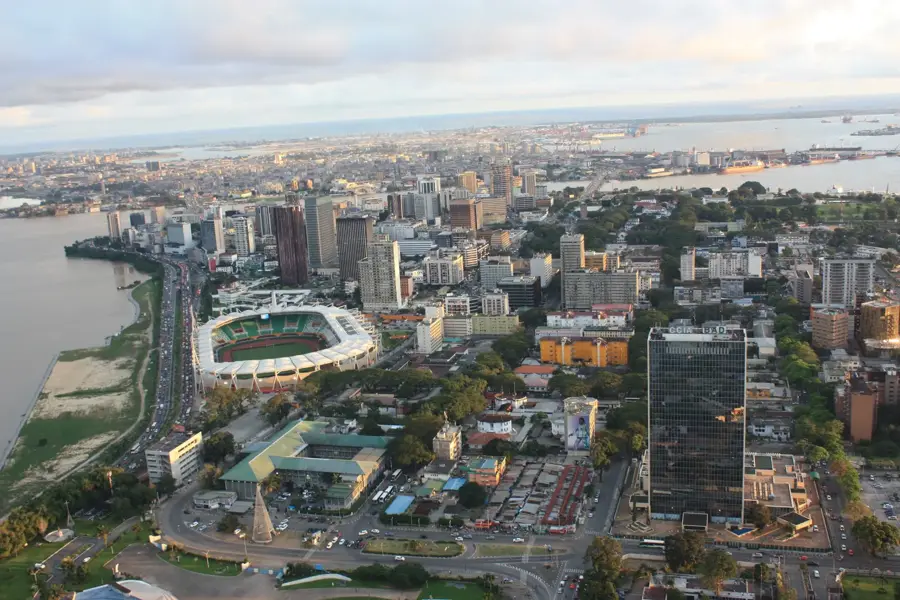
West Abidjan Lagoon
The western Abidjan lagoon relief extends from the city toward the town of Dabou.
Learn more →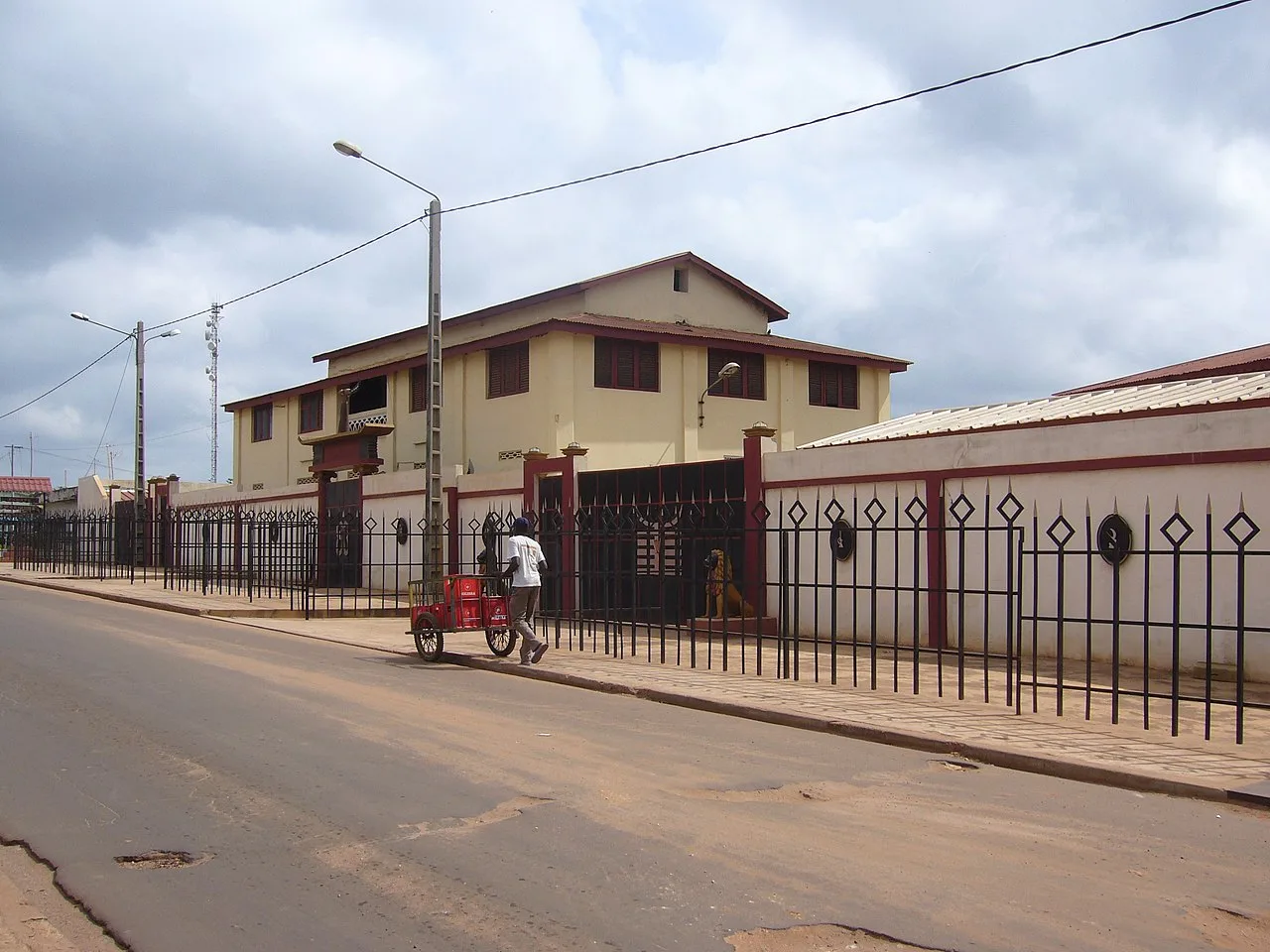
Royal Palace of Indénié in Abengourou
Abengourou is the seat of the traditional Indenie kingdom and home to the royal palace built in 1882.
Learn more →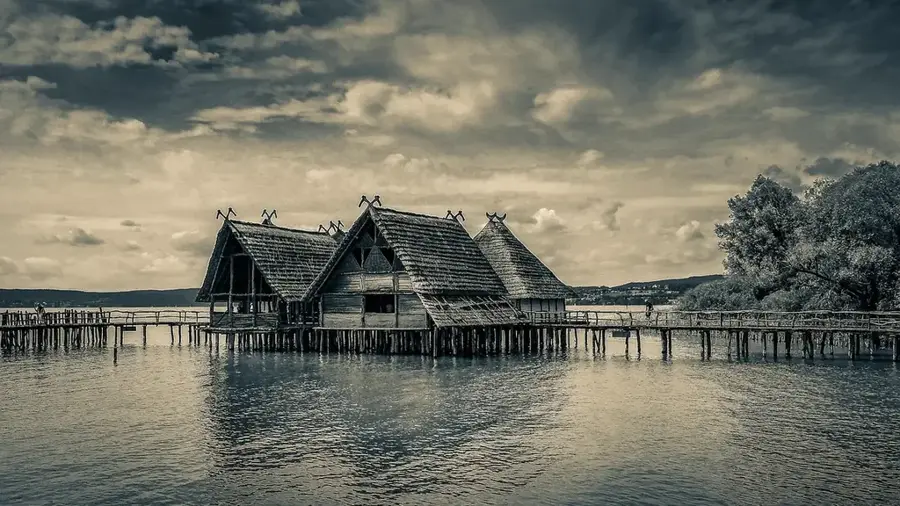
Historic Stilt Village of Tiagba
A traditional stilt village in the Ébrié Lagoon that has preserved the pre-colonial way of life of coastal peoples.
Learn more →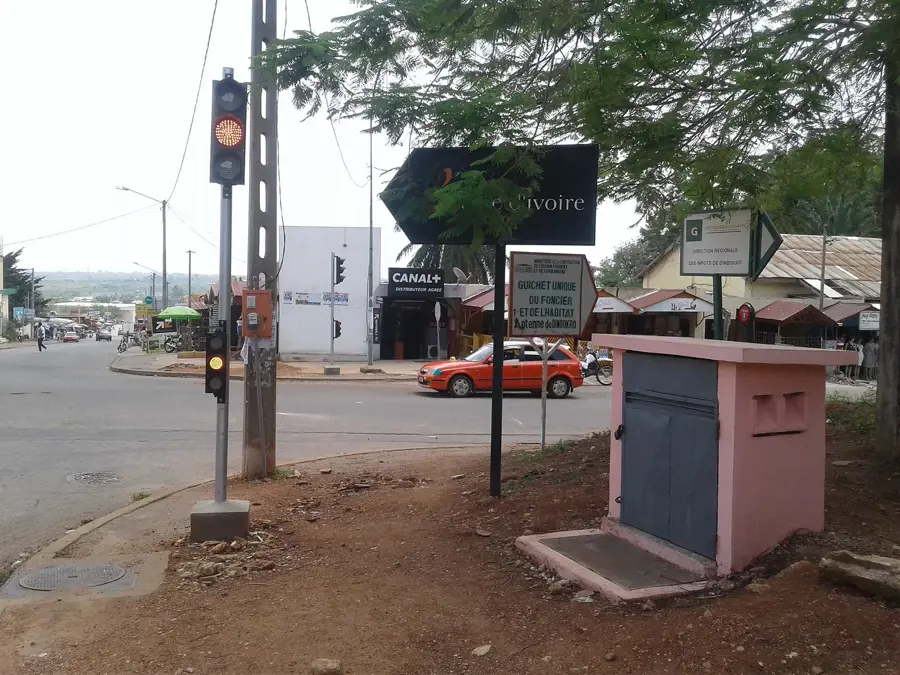
Historic Viaduct of Dimbokro
A significant colonial railway viaduct spanning the N'Zi River, which was important for the development of the country.
Learn more →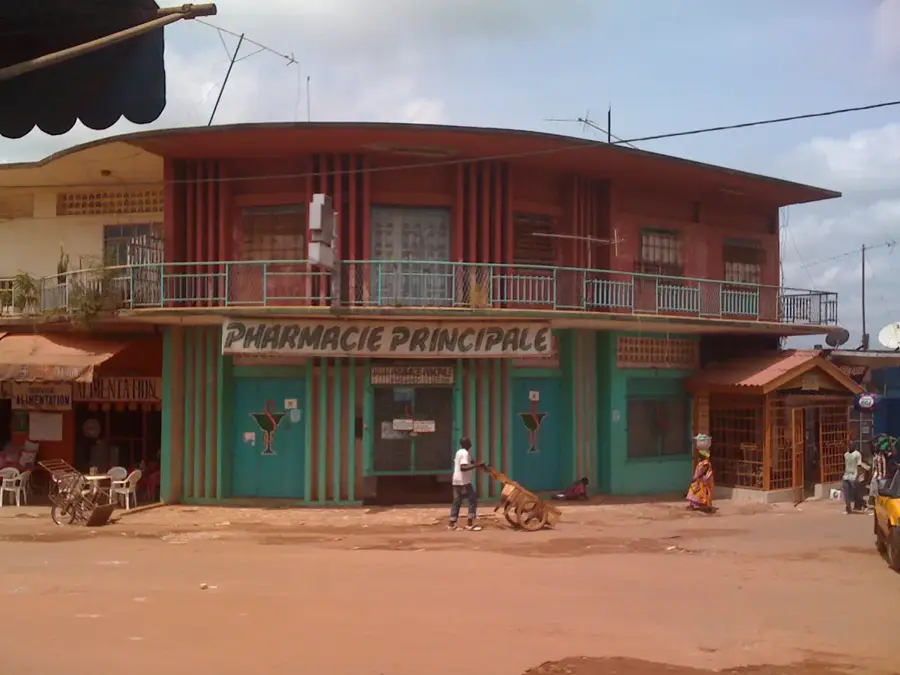
Historic Center of Gagnoa
Gagnoa is an important historical center of the Bété people and played a major role in the political history of the country.
Learn more →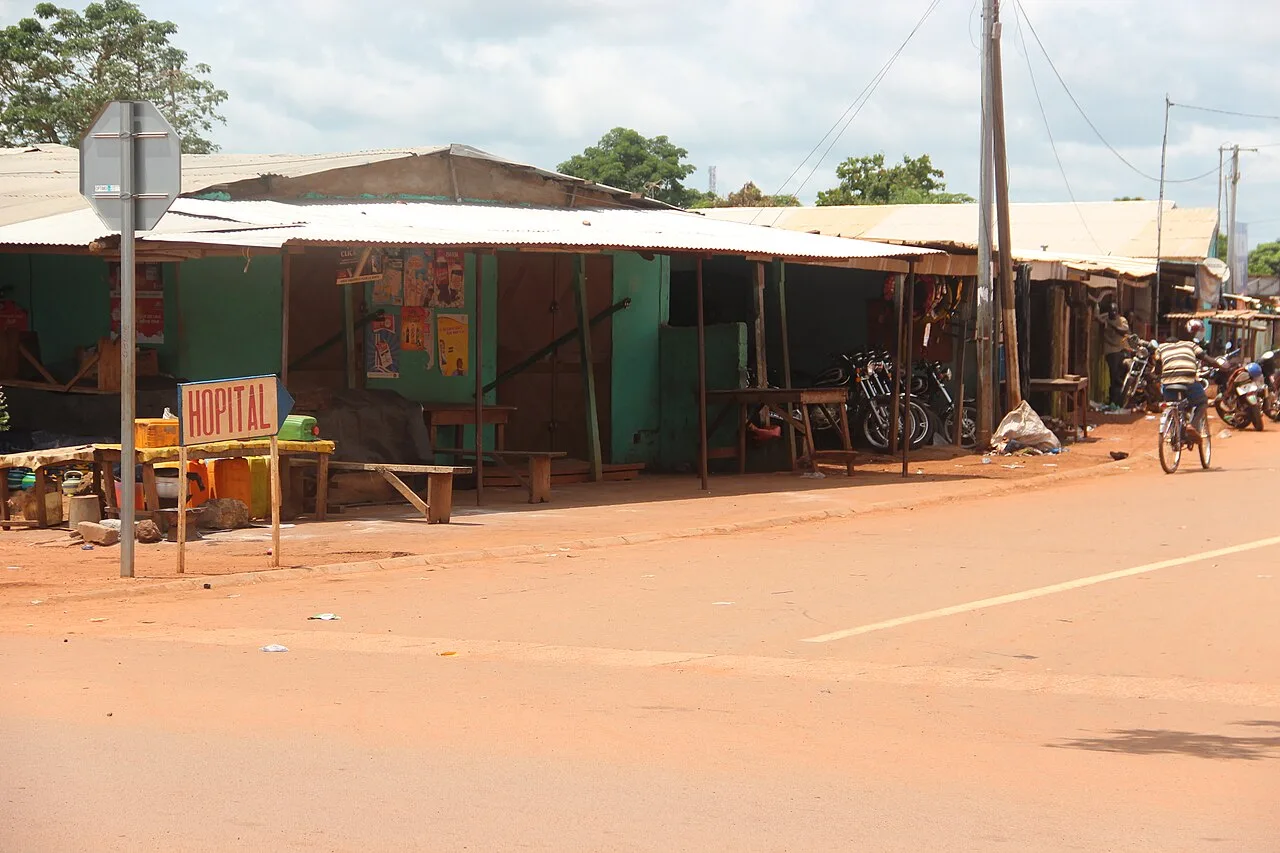
Historic Pottery Center Katiola
In addition to its colonial significance, Katiola is a historic center of the traditional pottery of the Mangoro women.
Learn more →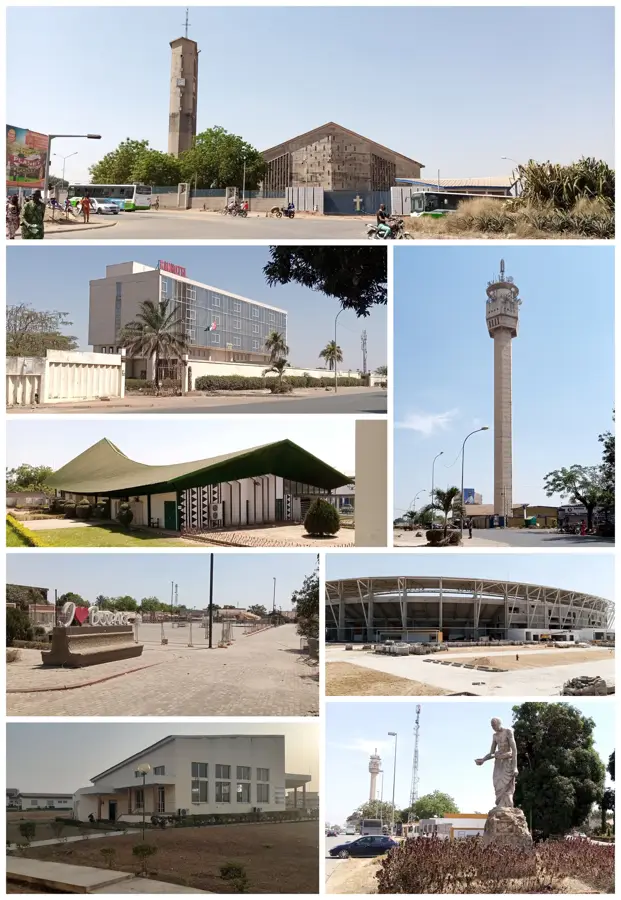
French Military Post Bouaké
Founded in 1899, the city served as a central military and later administrative base in the middle of the country.
Learn more →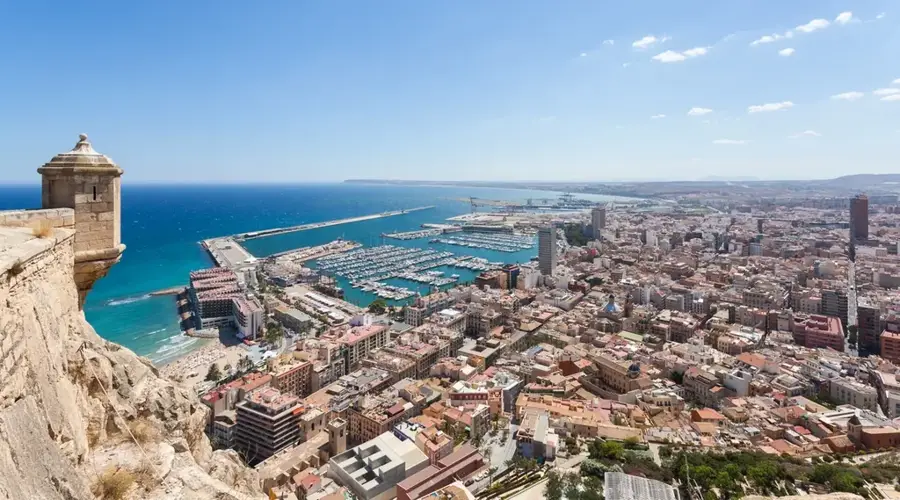
Historic Port City of San Pédro
Originally a small fishing village that was massively expanded in the 1960s as a strategic government project.
Learn more →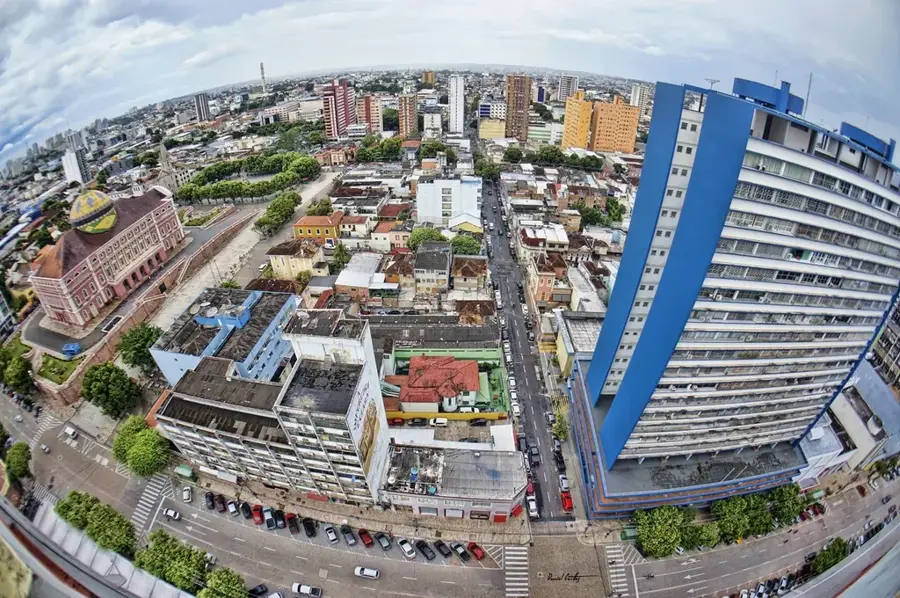
Historic Center of Man
An important administrative and military base during the French colonial period in the western mountain region.
Learn more →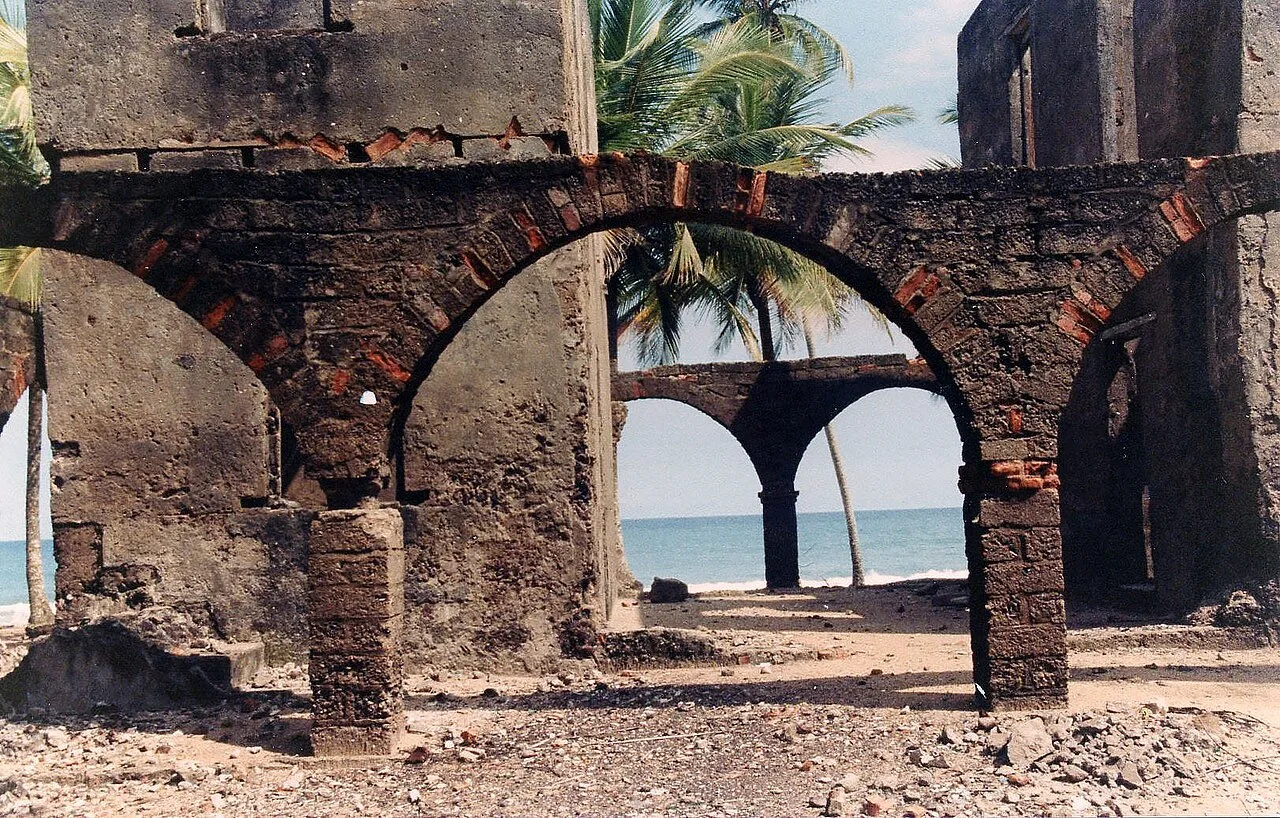
Colonial Warehouses of Jacqueville
A historic center of the palm oil trade, known for its British and French colonial warehouses.
Learn more →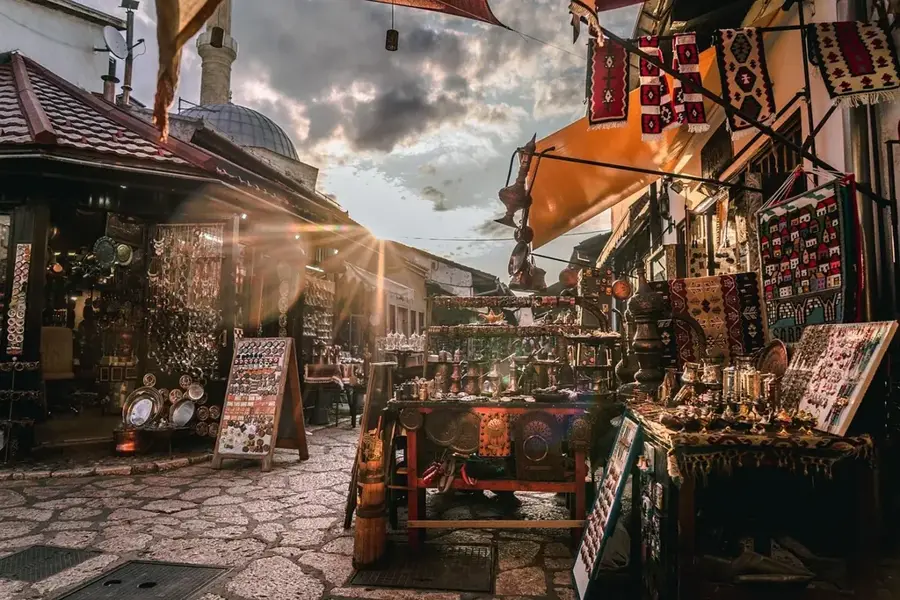
Historic Market Town of Ferkessédougou
An old marketplace and later an important railway junction for cattle and agricultural trade in the north.
Learn more →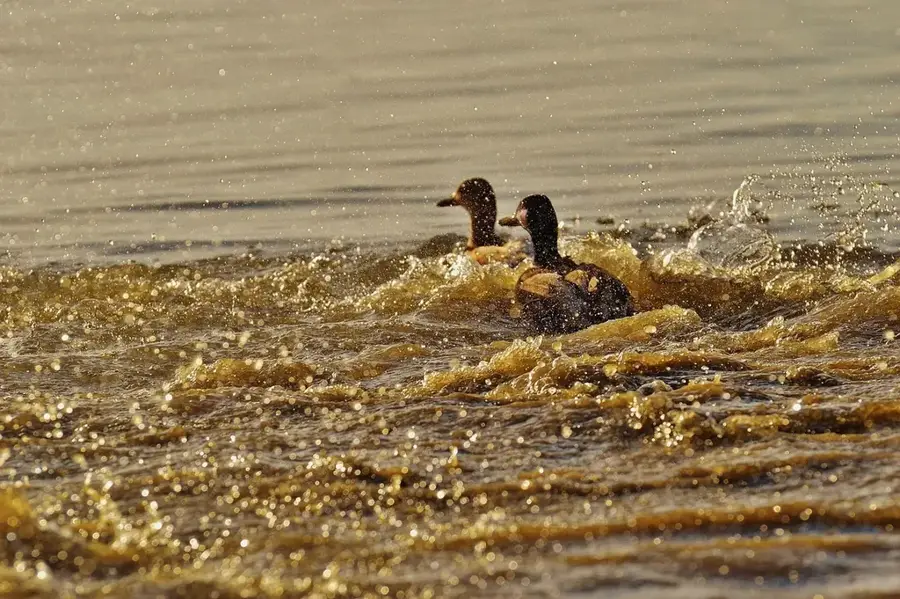
Agboville and the Abbey Revolt
The historic site of the great revolt of the Abbey population in 1910 against French colonial rule.
Learn more →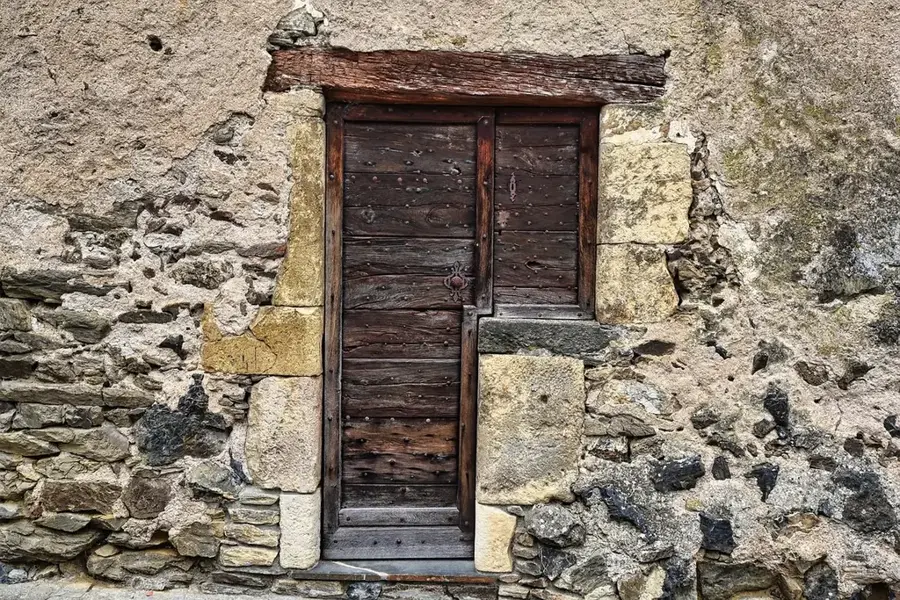
Former capital Bingerville
Was the capital of the French colony from 1900 to 1934 and houses the former governor's palace.
Learn more →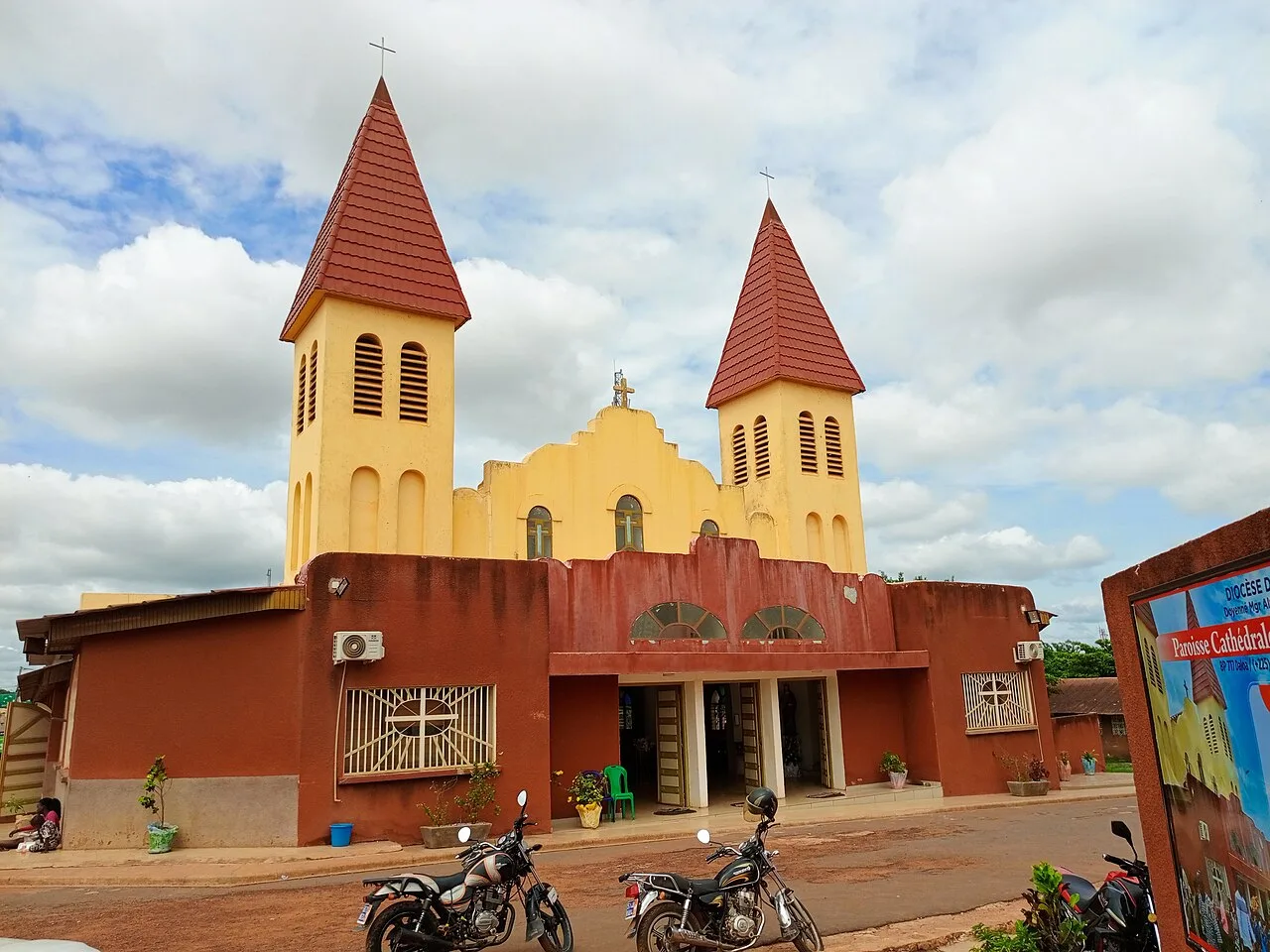
Trading Post Daloa
Daloa developed into a central hub for cocoa and coffee in the west during the colonial period.
Learn more →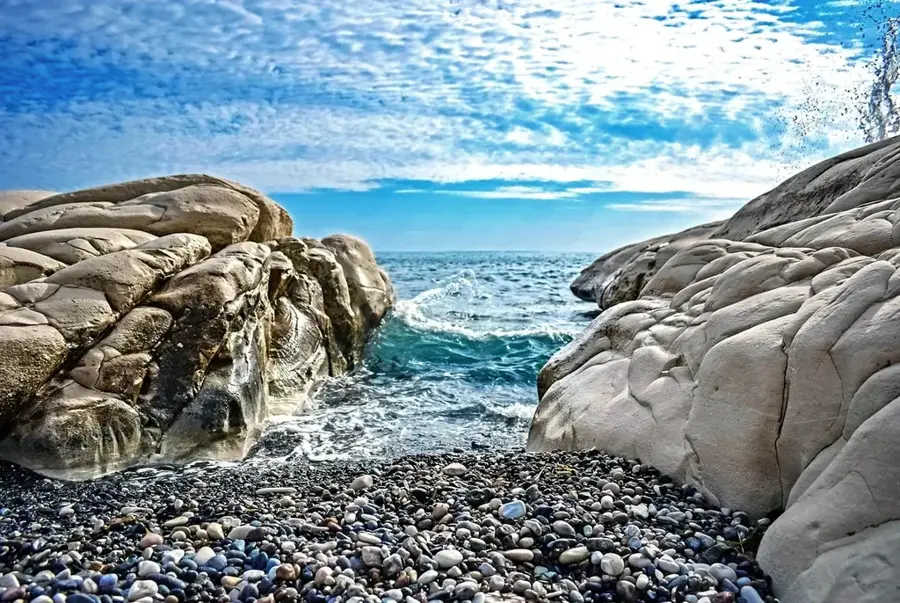
Governor's Palace and Wharf of Sassandra
Remains of early colonial port infrastructure and administration in Sassandra on the Atlantic.
Learn more →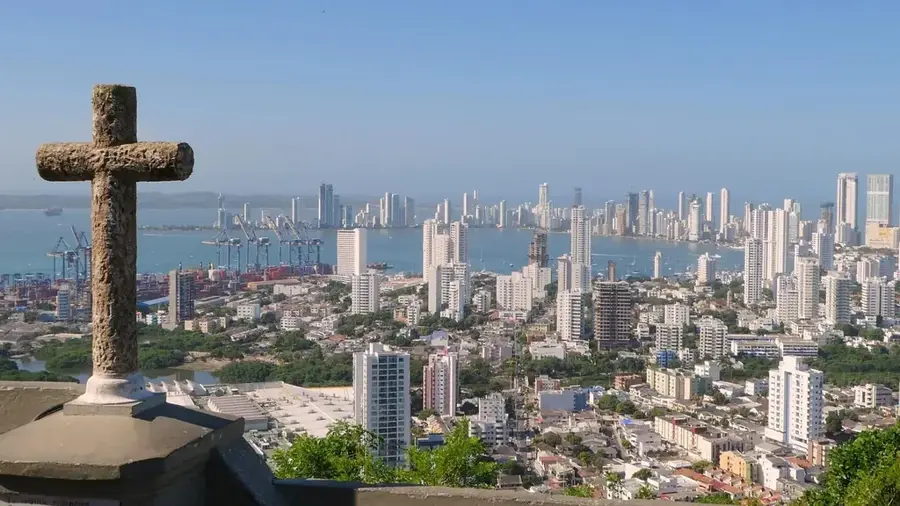
Fort Faidherbe in Dabou
A French fortress built in 1853 to secure colonial control on the lagoon.
Learn more →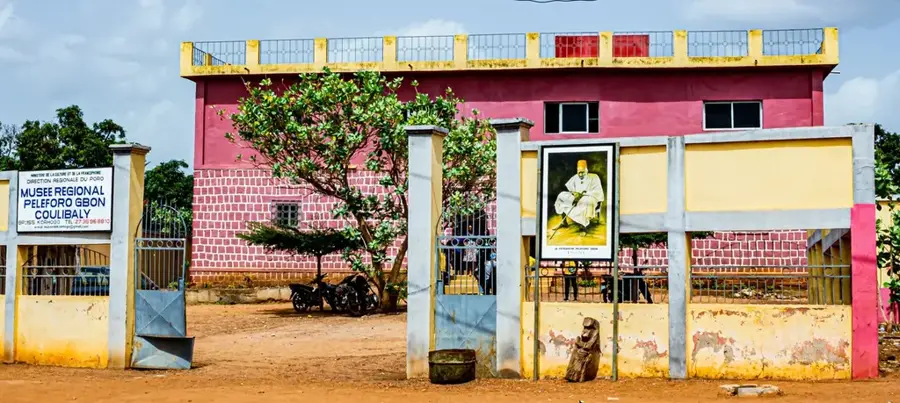
Péléforo Gbon Coulibaly's Palace in Korhogo
The historic palace of one of the most influential leaders of the Senufo in the early 20th century.
Learn more →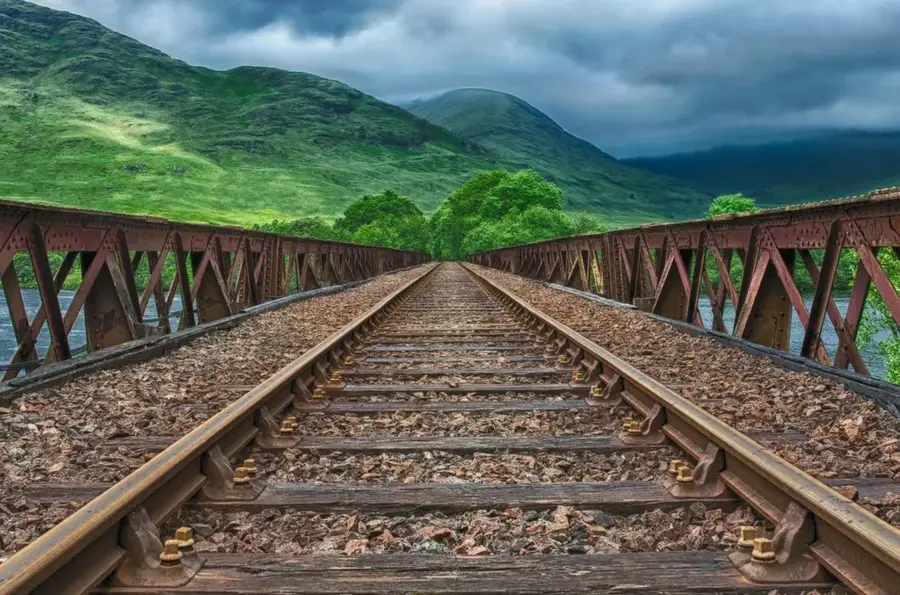
Railway Town Anyama
An important hub of the historic Abidjan-Ouagadougou railway line built by the French.
Learn more →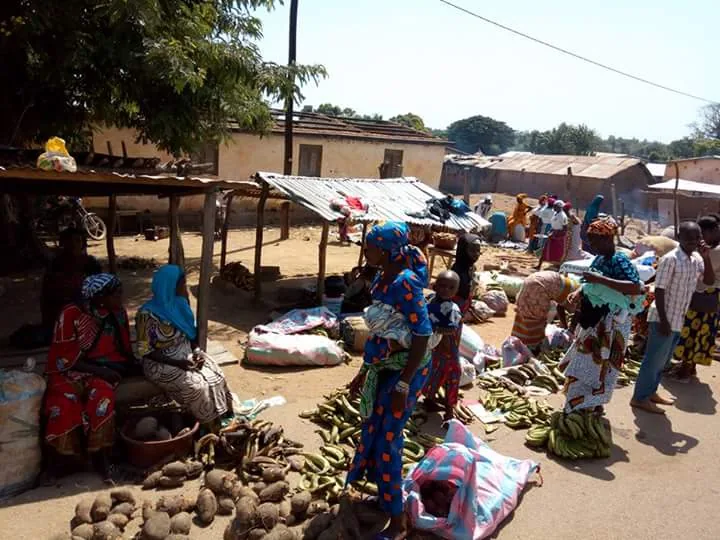
Odienné and Vakaba Touré's Tomb
The city was the capital of the Kabadougou empire founded by Vakaba Touré in the 19th century.
Learn more →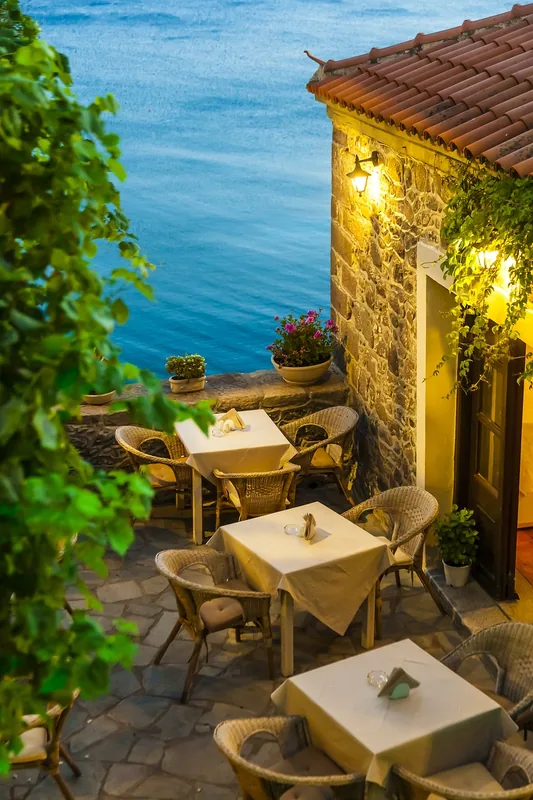
Traditional Senufo Village of Niofoin
A historically intact Senufo village famous for its old fetish houses and rites.
Learn more →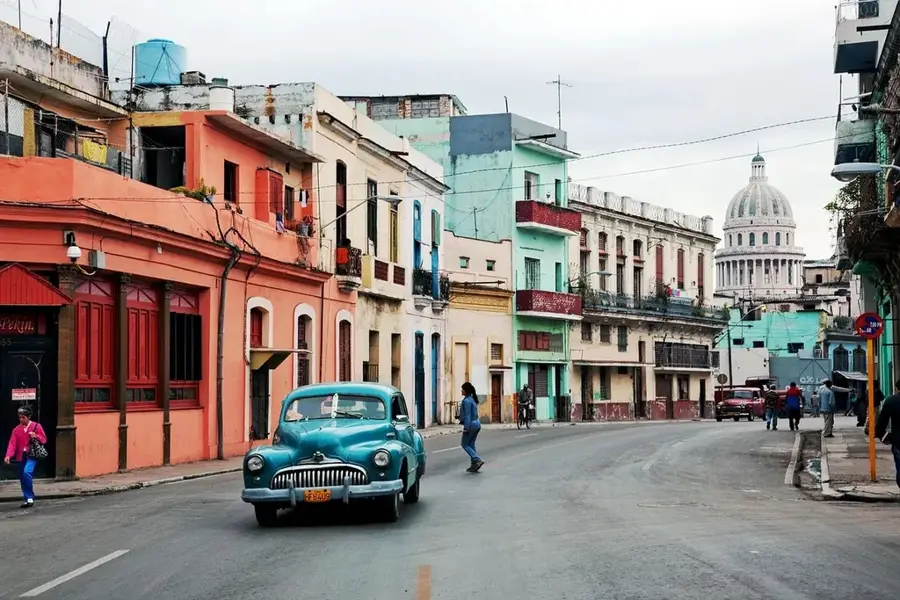
Colonial Town Grand-Lahou
The old colonial settlement, which is now slowly sinking into the sea due to coastal erosion.
Learn more →Frequently asked questions
What are the top attractions in Côte d’Ivoire?
Among the most popular are Palace of Culture Abidjan, Alassane Ouattara Olympic Stadium, La Pyramide, Basilica of Our Lady of Peace, Treichville War Memorial and many more – the full top 50 list is on this page.
When is the best time to visit Côte d’Ivoire?
May to October offers the most pleasant weather; July and August are warmest and busiest.