Plizio Visual Lab
Historic Center of Man
Weather…
Water temperature…
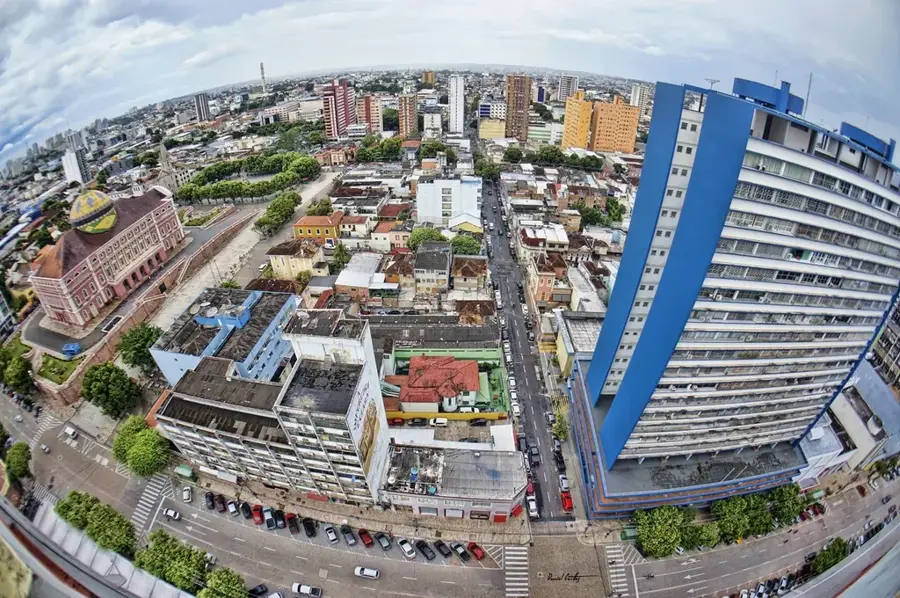
Man, famously known as the 'City of 18 Mountains,' stands as one of the most scenic and historically significant urban centers in western Ivory Coast. Its colonial history took root in the late 19th century when French authorities recognized the strategic value of the region’s fertile highlands and its proximity to the Liberian border. The city was established as an administrative hub for the mountainous west, and the architecture within its historic core still bears the distinct marks of the French colonial era. The 1920s proved to be a transformative decade with the large-scale introduction of coffee and cocoa plantations, which propelled Man into a vital economic node and facilitated the development of regional infrastructure. The Dan (or Yacouba) people, who have inhabited the area for centuries, maintained their rich cultural traditions despite colonial interventions, notably their world-renowned stilt dances and sacred mask ceremonies. During the political upheavals of the early 21st century, Man became a focal point of strategic importance, underscoring its role as the gateway to the country's west. Today, Man thrives as a center for agricultural commerce and a primary destination for travelers exploring the surrounding peaks and waterfalls. The city represents a unique synthesis of colonial legacy, spirited indigenous culture, and dramatic natural beauty.
- Location: Côte d’Ivoire
- Top sights: Cercle de Man · Singes sacrés de la Foret Sacrée de Gbepleu
- Nearby: Biankouma (37 km)
Best time to visit & climate
The most pleasant time to visit is Jan, Feb, Dec.
| Jan | Feb | Mar | Apr | May | Jun | Jul | Aug | Sep | Oct | Nov | Dec | |
|---|---|---|---|---|---|---|---|---|---|---|---|---|
| Avg °C | 24 | 26 | 27 | 26 | 26 | 24 | 24 | 23 | 24 | 24 | 25 | 24 |
| Rain mm | 11 | 45 | 91 | 131 | 171 | 228 | 195 | 260 | 262 | 171 | 75 | 24 |
📋 Practical info
Geography
Facts
- Man is situated at an average elevation of approximately 450 meters above sea level.
- Mount Tonkoui, rising to 1,189 meters, is the highest peak in the immediate vicinity.
- The iconic rock formation 'La Dent de Man' (Man's Tooth) overlooks the city.
- Between 2002 and 2003, Man was a flashpoint of significant conflict during the civil war.
- The area is famous for its sacred forests where monkeys are traditionally protected by locals.
- The city serves as the seat of the Catholic Diocese of Man, established in 1968.
Explore nearby
Notable places around


Route planner — Car & Motorhome
Where do you start? We build the route here, with stops and country notes along the way.
© OpenStreetMap contributors · OpenRouteService
Sights in the town Historic Center of Man (2)
Sights nearby
Frequently asked questions
Why is Man known as the "City of 18 Mountains"?
What is the "Liana Bridge" nearby?
What can you see in the center?
How is the weather in Man?
Are there waterfalls there?
Historic Center of Man: where is it located?
Historic Center of Man: what is there to see?
Historic Center of Man: when is the best time to visit?
Historic Center of Man: why is it worth visiting?

Nearby cities
More places