Plizio Visual Lab
Colonial Town Grand-Lahou
Weather…
Water temperature…
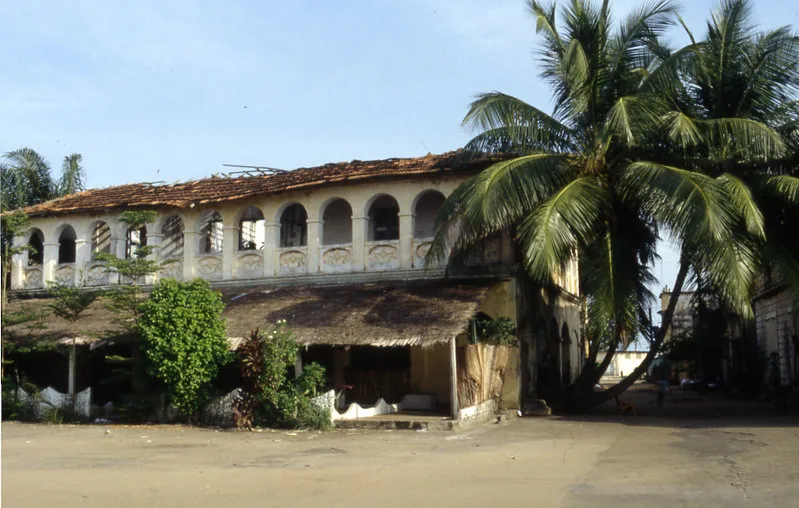
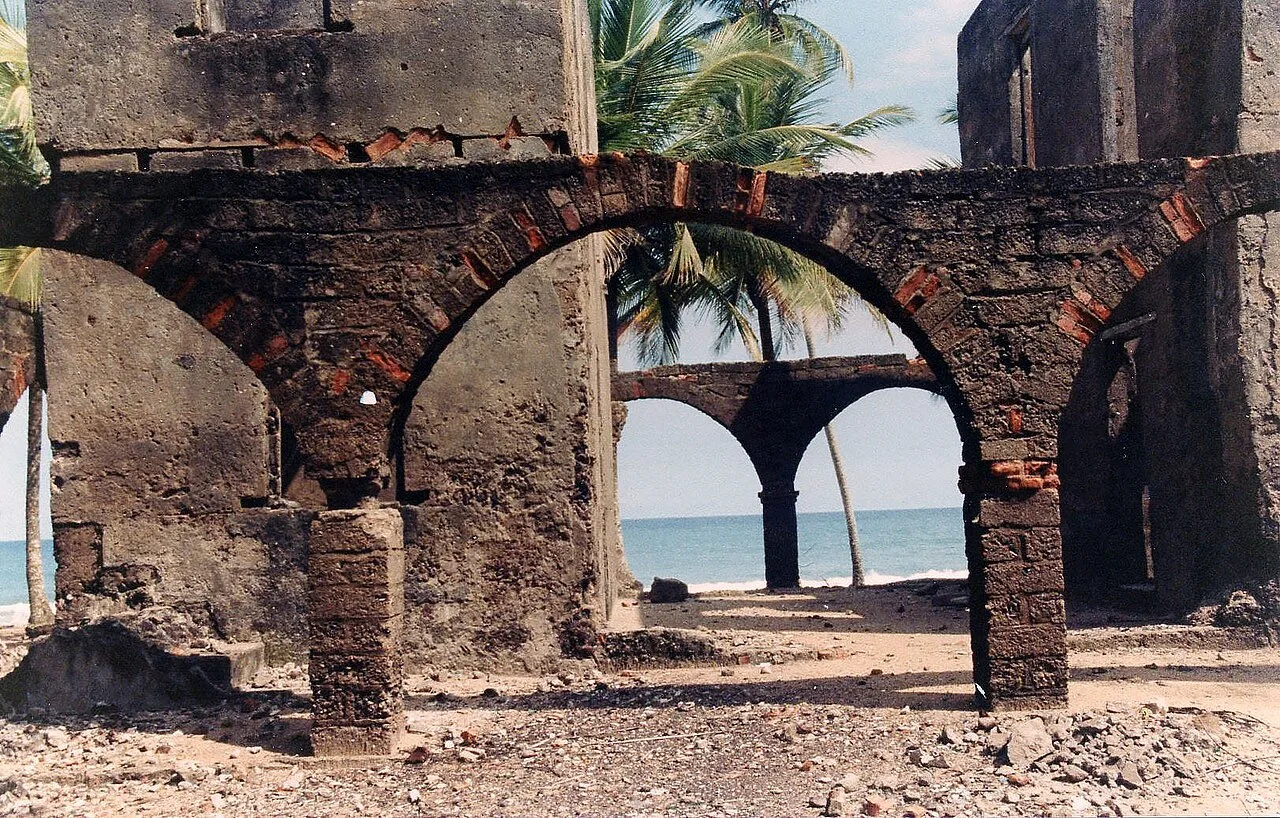
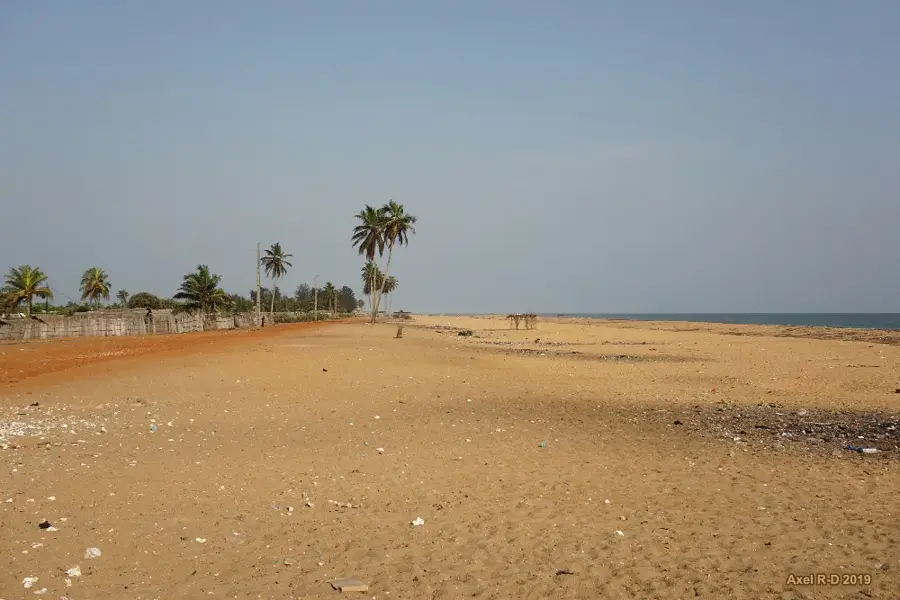
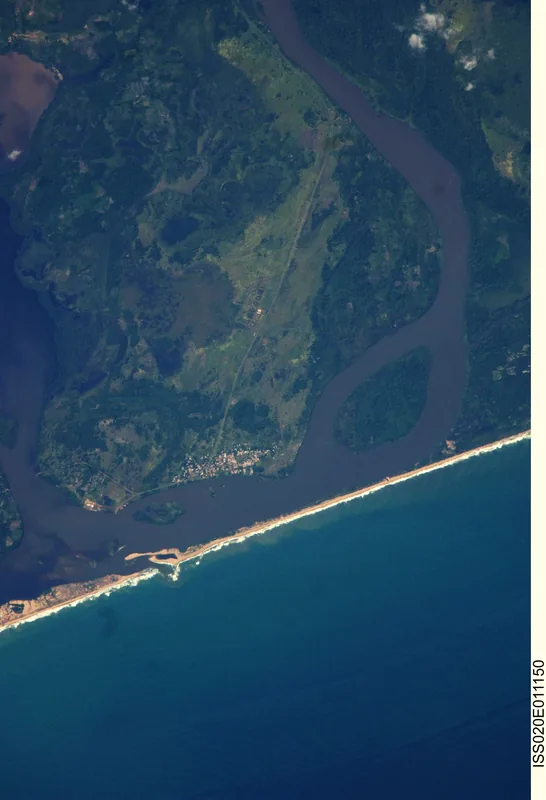
The old town of Grand-Lahou, also known as Lahou-Kpanda, is a hauntingly beautiful example of Ivorian colonial history being slowly reclaimed by the sea. Located on a narrow sandy spit between the Atlantic Ocean and the Bandama lagoon, it flourished in the late 19th and early 20th centuries as a premier export port for palm oil, rubber, and timber. The town was an animated meeting point for European merchants and the indigenous Avikam people, resulting in an urban landscape defined by ornate colonial warehouses and stilt-supported fishing villages. However, since the 1970s, severe coastal erosion has caused nearly two-thirds of the town to vanish beneath the waves. Once-grand buildings that served as centers of commerce now stand as submerged ruins, leading to the relocation of the administrative capital to 'New Grand-Lahou' further inland. Despite its shrinking footprint, Lahou-Kpanda remains a site of deep cultural significance where traditional fishing practices and ancestral ties persist against the advancing tide. The town’s history serves as a poignant reminder of the fragility of West African coastal heritage in the face of environmental change and rising sea levels.
- Location: Côte d’Ivoire
- Top sights: Grand-Lahou · Grand-Lahou Department · Bandama River
- Nearby: Jacqueville (68 km)
- Population: ~2.757 (2023)
Best time to visit & climate
The most pleasant time to visit is Jan, Aug, Sep.
| Jan | Feb | Mar | Apr | May | Jun | Jul | Aug | Sep | Oct | Nov | Dec | |
|---|---|---|---|---|---|---|---|---|---|---|---|---|
| Avg °C | 27 | 28 | 28 | 28 | 27 | 26 | 25 | 24 | 25 | 26 | 27 | 27 |
| Rain mm | 33 | 66 | 110 | 147 | 211 | 289 | 105 | 51 | 86 | 131 | 98 | 55 |
📋 Practical info
Geography
Facts
- Grand-Lahou is strategically positioned where the Bandama River meets the Atlantic Ocean.
- The town was a key administrative circle ('cercle') center during the French colonial era.
- Scientists use Grand-Lahou as a primary case study for coastal retreat in West Africa.
- The original town layout followed a grid pattern typical of French colonial planning.
- The surrounding Tagba Lagoon is a vital ecosystem for migratory birds and local shellfish.
- Relocation of the population to the new site (N'Zida) began in earnest during the 1970s.
Explore nearby
Notable places around


Route planner — Car & Motorhome
Where do you start? We build the route here, with stops and country notes along the way.
© OpenStreetMap contributors · OpenRouteService
Sights in the town Colonial Town Grand-Lahou (3)
Sights nearby
Frequently asked questions
Why is the old town of Grand-Lahou sinking?
Can the ghost town still be visited today?
What is the best time to visit Grand-Lahou?
Is there accommodation available?
Is the area suitable for families?
Colonial Town Grand-Lahou: where is it located?
Colonial Town Grand-Lahou: what is there to see?
Colonial Town Grand-Lahou: when is the best time to visit?
Colonial Town Grand-Lahou: why is it worth visiting?

Nearby cities
Nature
More places