Plizio Visual Lab
Historic Pottery Center Katiola
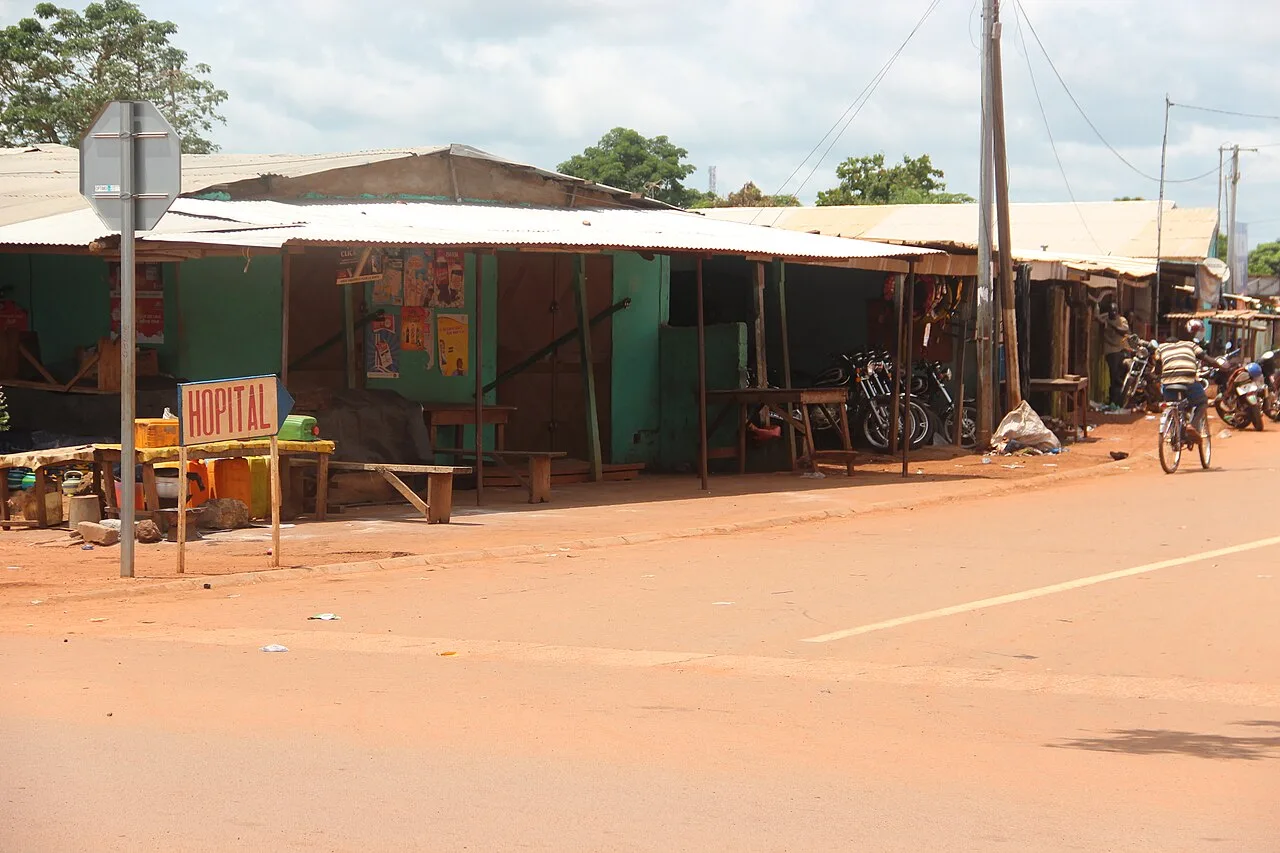
Katiola, located in the heart of central Ivory Coast, is world-renowned for its centuries-old pottery tradition, which is intimately tied to the history of the Mangoro people. Long before the colonial era, the town was a center of artisanal excellence where Mangoro women crafted sophisticated earthenware from local clay for both domestic use and ritual trade. During the French colonial administration, Katiola's importance surged following the arrival of the railway in 1912, turning it into a key logistical hub for the Hambol region. This rail connection facilitated the export of not only ceramics but also agricultural products like tobacco and cotton, which became staples of the local economy. The town's architecture reflects this dual heritage: traditional open-air firing pits coexist with early 20th-century colonial administrative buildings and railway structures. Katiola has historically served as a cultural bridge between the northern savannas and the southern forests, blending the customs of the Tagouana and Mangoro ethnic groups. Today, it remains the primary center for Ivorian ceramic art, where the skills of shaping and firing clay are passed down as living heritage. Visitors to Katiola can witness a seamless blend of historical resilience and artistic continuity that defines the town's identity.
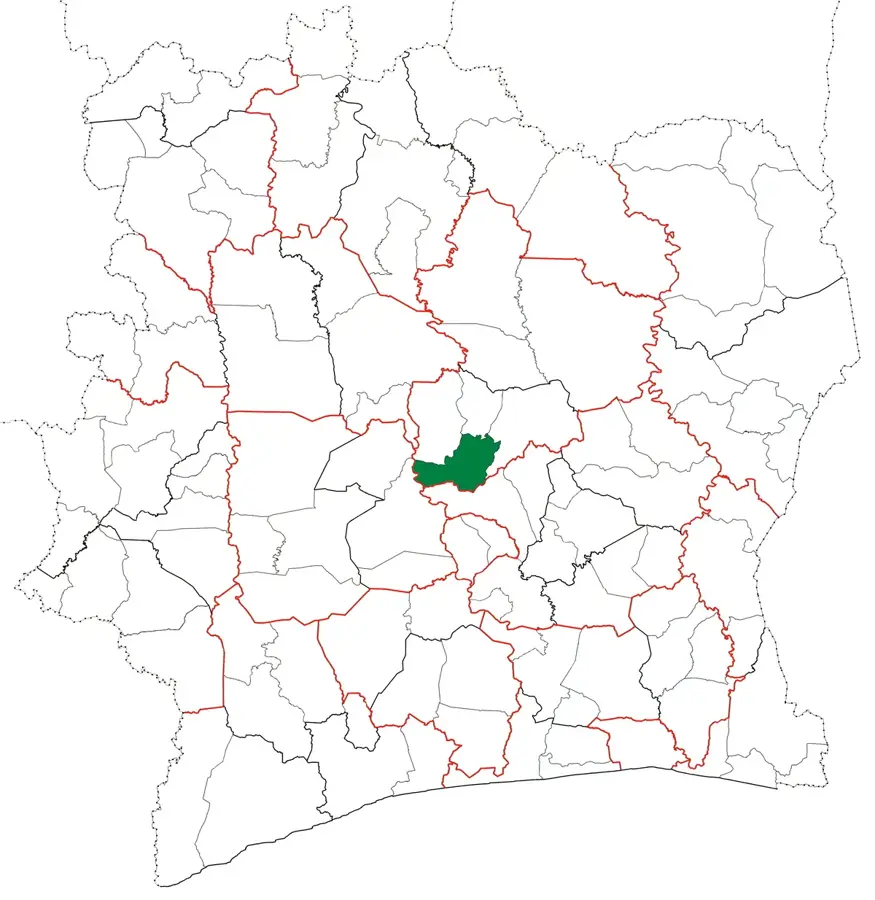
- Location: Côte d’Ivoire
- Nearby: Bouaké (49 km)
Best time to visit & climate
The most pleasant time to visit is Jan, Nov, Dec.
| Jan | Feb | Mar | Apr | May | Jun | Jul | Aug | Sep | Oct | Nov | Dec | |
|---|---|---|---|---|---|---|---|---|---|---|---|---|
| Avg °C | 26 | 28 | 29 | 28 | 27 | 26 | 25 | 25 | 25 | 26 | 26 | 26 |
| Rain mm | 9 | 41 | 80 | 124 | 145 | 174 | 170 | 181 | 227 | 144 | 40 | 14 |
📋 Practical info
Geography
Facts
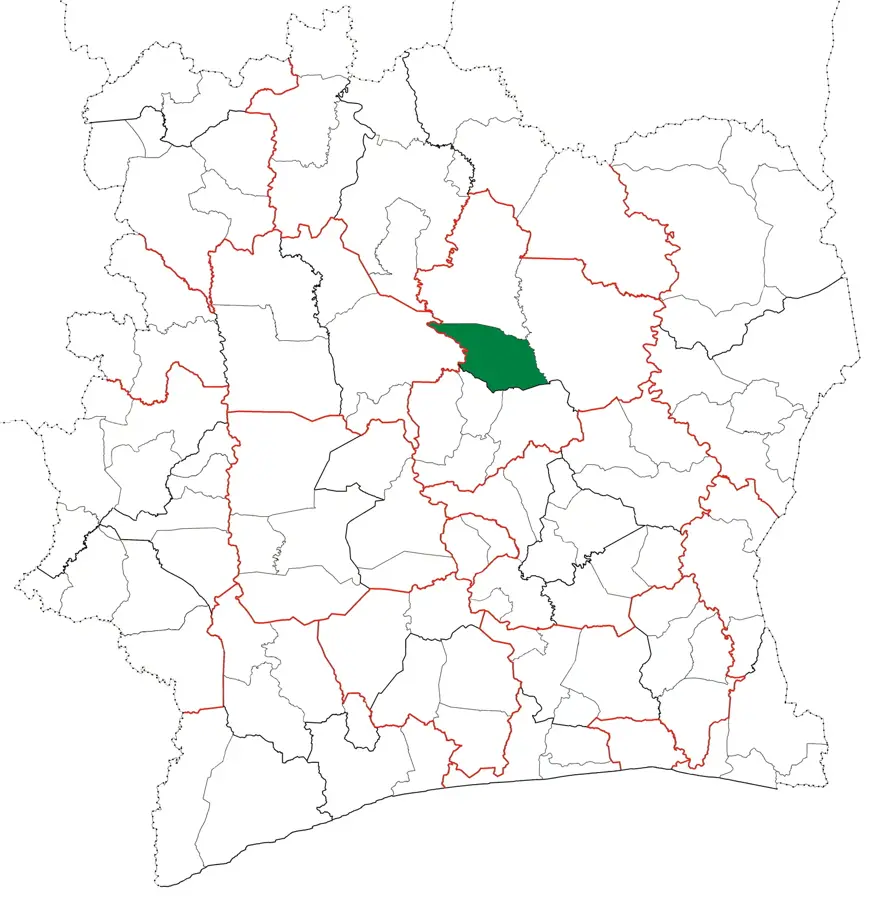
- Katiola is the capital of the Hambol Region and a significant transport node on the A3 highway.
- The Mangoro pottery is distinctive for its lack of using a potter's wheel, relying on hand-molding.
- The town became a key station for the Abidjan-Niger railway in 1912, boosting its growth.
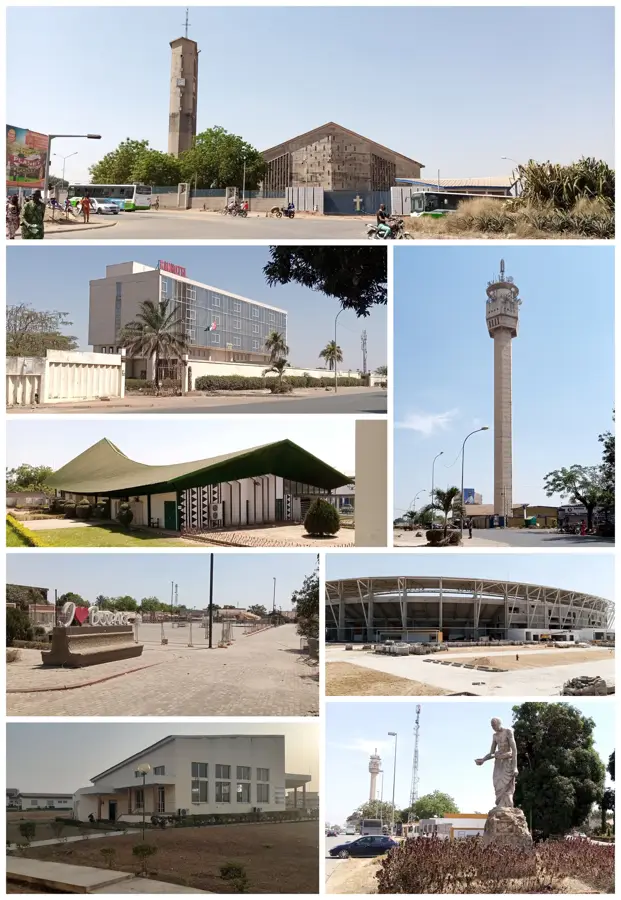
- Katiola's Saint Joan of Arc Cathedral is a major religious landmark built in the colonial style.
- Historically, the town was a regional center for the French colonial tobacco monopoly.
- The surrounding area is a major producer of shea butter in addition to its famous ceramics.
Explore nearby
Notable places around





Route planner — Car & Motorhome
Where do you start? We build the route here, with stops and country notes along the way.
© OpenStreetMap contributors · OpenRouteService
Sights in the town Historic Pottery Center Katiola (1)
Sights nearby
Frequently asked questions
What is Katiola famous for?
Can you watch the potters at work?
Where can you buy the ceramics?
What colonial traces still remain?
How do you reach Katiola?
Historic Pottery Center Katiola: where is it located?
Historic Pottery Center Katiola: when is the best time to visit?
Historic Pottery Center Katiola: why is it worth visiting?