Plizio Visual Lab
Reconciliation Place
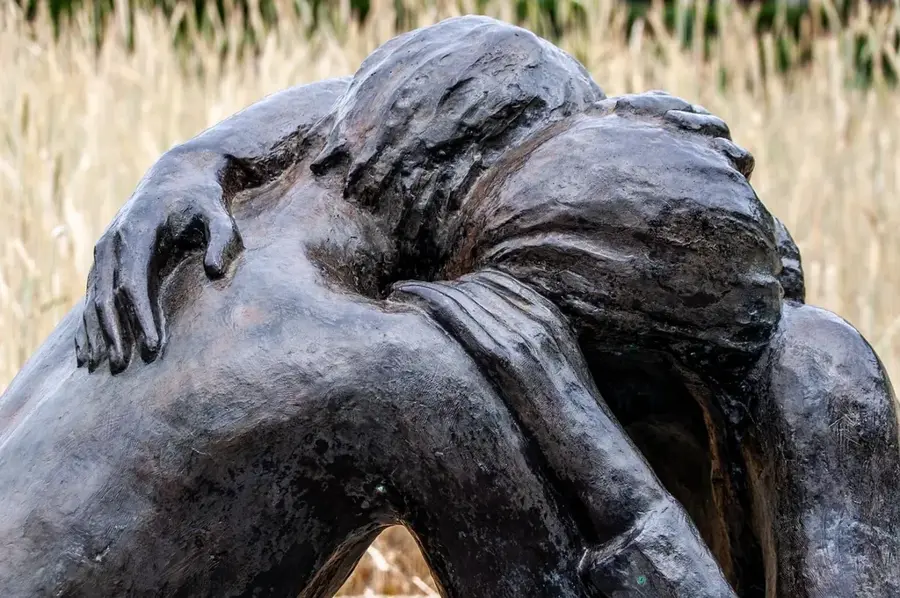
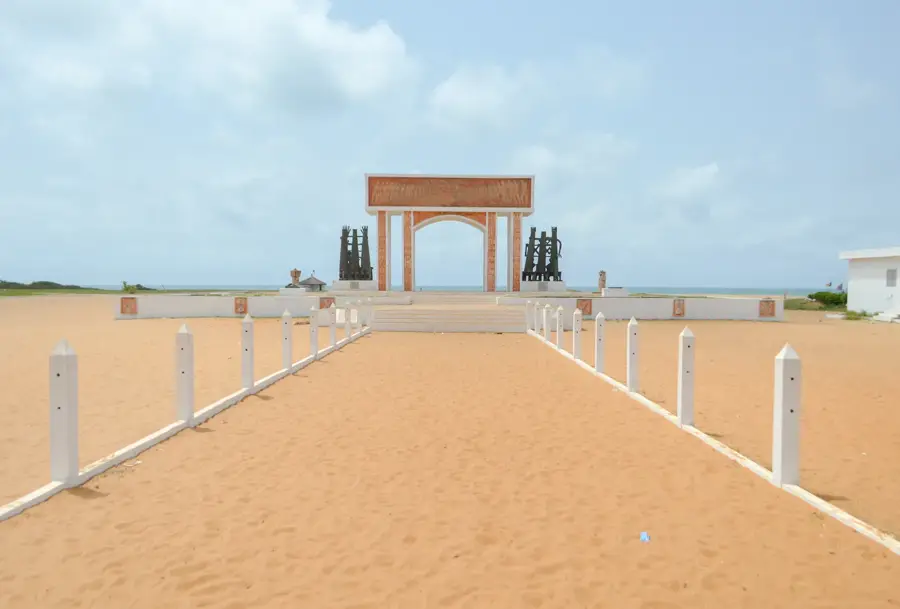
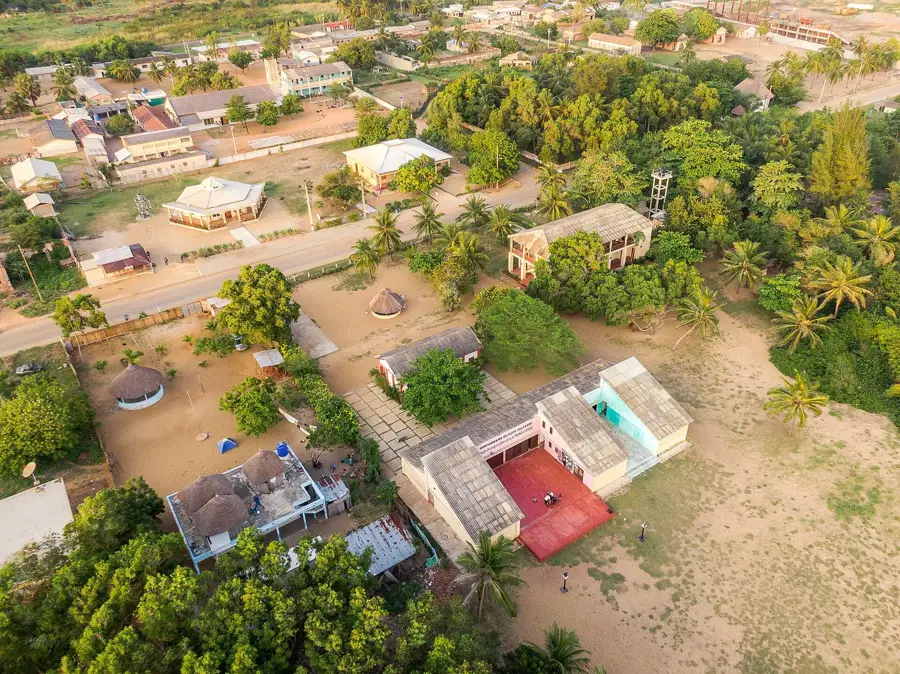
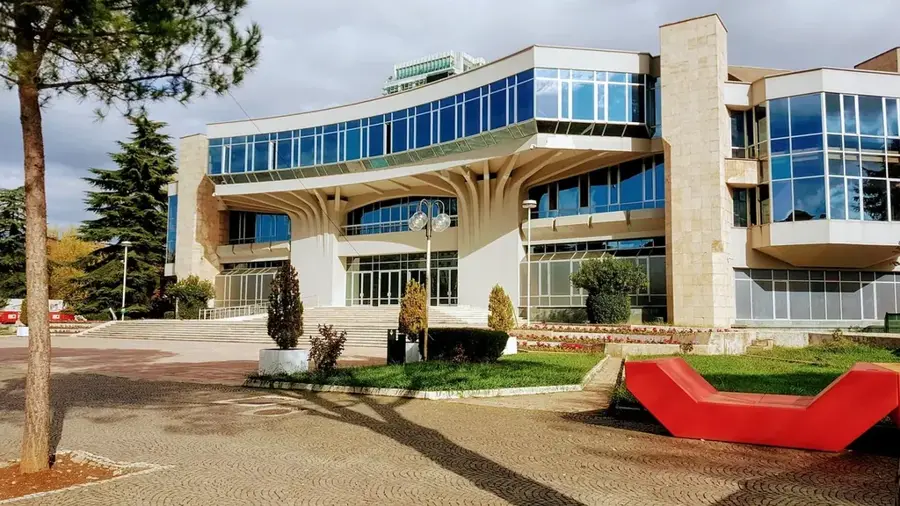
Reconciliation Place in Ouidah is a symbolic site inaugurated in 1992 as part of 'The Slave Route' project to mark the conclusion of the transatlantic slave trade. Strategically located near the historic slave route, the square serves as a space for healing and reflection for descendants of both the victims and those involved in the trade. The monument within the square features symbols of unity and peace, emphasizing the necessity of acknowledging the painful past to build a shared future. Ouidah was one of the most significant export ports for enslaved people in West Africa, and this square represents a deliberate step toward moral reparation. Each year, commemorative events are held here, attracting international visitors and historians focused on the history of the African diaspora. The atmosphere of the site is defined by solemnity and respect for the millions who were shipped into slavery through this port. The square is not merely a memorial but an active center for intercultural dialogue and the promotion of human rights.
- Location: Benin
- Top sights: Fosse commune, route des esclaves · MEMORIAL ZOMACHI Cité de la diaspora (escale du retour)
- Nearby: Azizakouè (7 km)
Best time to visit & climate
The most pleasant time to visit is Jan, Nov, Dec.
| Jan | Feb | Mar | Apr | May | Jun | Jul | Aug | Sep | Oct | Nov | Dec | |
|---|---|---|---|---|---|---|---|---|---|---|---|---|
| Avg °C | 27 | 28 | 28 | 28 | 27 | 26 | 25 | 25 | 25 | 26 | 27 | 27 |
| Rain mm | 16 | 33 | 83 | 112 | 159 | 185 | 143 | 84 | 161 | 143 | 39 | 16 |
📋 Practical info
Geography
Facts
- The square was inaugurated in 1992 during the 'Ouidah 92' festival.
- It is a key component of the UNESCO 'Slave Route' project.
- Ouidah was a major hub for the transatlantic slave trade for centuries.
- The monument symbolizes reconciliation between different ethnic groups.
- It serves as a site for significant cultural and religious gatherings.
- The project aims to promote peace and historical awareness.
Explore nearby
Notable places around

Route planner — Car & Motorhome
Where do you start? We build the route here, with stops and country notes along the way.
© OpenStreetMap contributors · OpenRouteService
Sights in the town Reconciliation Place (2)
Sights nearby
Frequently asked questions
What does this square symbolize?
Is entry free?
Are there monuments in the square?
Can you sit in the shade?
When are commemorations held there?
Reconciliation Place: where is it located?
Reconciliation Place: what is there to see?
Reconciliation Place: when is the best time to visit?
Reconciliation Place: why is it worth visiting?

Nearby cities
History & landmarks


Nature
More places