Plizio Visual Lab
Dassa Hills
Weather…
Water temperature…
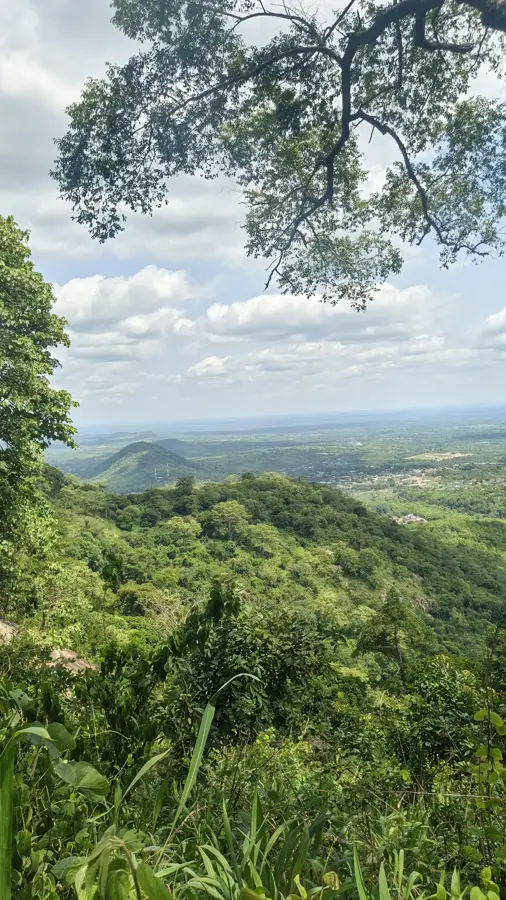
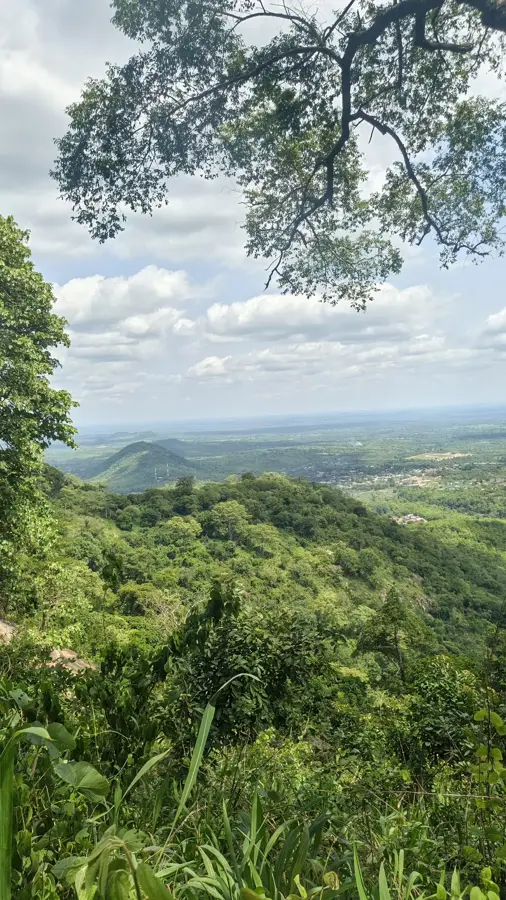
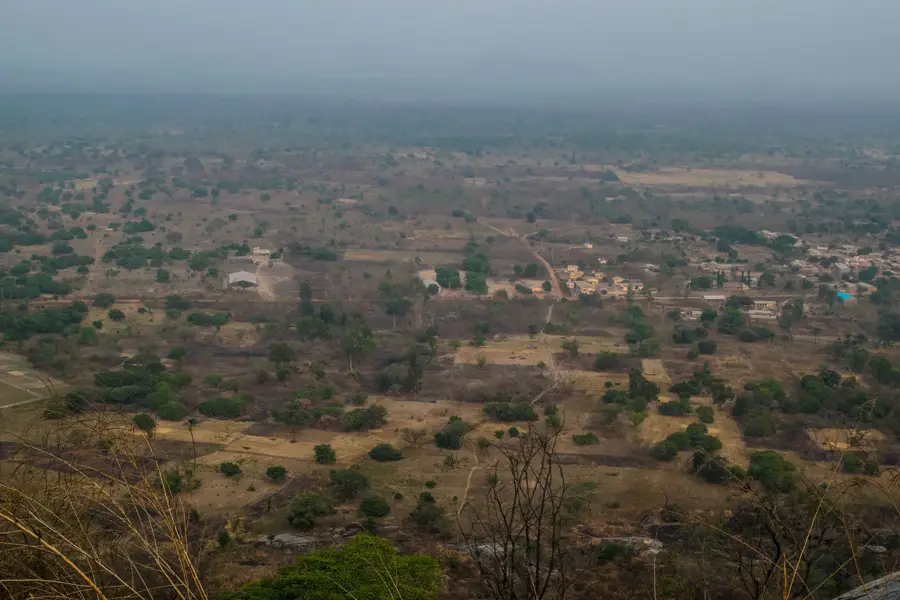
The Dassa Hills, located in the Collines Department of central Benin, are a striking geological formation consisting of a multitude of granitic inselbergs. The region is famously known as the "City of 41 Hills," with each elevation possessing its own spiritual and historical significance for the local Idaasha ethnic group. These distinctive rock formations were created through millions of years of erosion, rising steeply from the surrounding peneplain. Historically, the hills served as impregnable sanctuaries during the tribal wars of the 18th and 19th centuries. Today, Dassa-Zoumè is a significant religious center, particularly due to the Marian Grotto, which attracts thousands of pilgrims annually. Geographically, the hills mark the transition from the coastal plain to Benin's northern plateau. Vegetation on the hills is sparse, consisting mainly of grasses and xerophytic plants, while the valleys provide fertile soil for the cultivation of yams and maize. The combination of natural beauty and cultural heritage makes the Dassa Hills one of the country's most iconic landmarks.
Best time to visit & climate
The most pleasant time to visit is Jan, Nov, Dec.
| Jan | Feb | Mar | Apr | May | Jun | Jul | Aug | Sep | Oct | Nov | Dec | |
|---|---|---|---|---|---|---|---|---|---|---|---|---|
| Avg °C | 25 | 27 | 28 | 28 | 27 | 26 | 25 | 25 | 25 | 26 | 26 | 25 |
| Rain mm | 16 | 21 | 57 | 112 | 146 | 185 | 236 | 202 | 257 | 153 | 18 | 6 |
📋 Practical info
Geography
Facts
- The hills are primarily composed of Precambrian granite and gneiss.
- Dassa-Zoumè is situated at an average elevation of about 200 meters.
- The highest peak in the region reaches just over 400 meters in height.
- The Catholic pilgrimage site, "Grotte Notre-Dame d'Arigbo," was inaugurated in 1954.
- Idaasha kings were traditionally buried on the summits of these hills.
- The region experiences two rainy seasons and two dry seasons per year.
Explore nearby
Notable places around


Route planner — Car & Motorhome
Where do you start? We build the route here, with stops and country notes along the way.
© OpenStreetMap contributors · OpenRouteService
Sights in the town Dassa Hills (1)
Sights nearby
Frequently asked questions
What is special about the Dassa Hills?
Why is Dassa called the 'City of 41 Hills'?
Are there religious sites in the hills?
Can you climb the hills?
Where is Dassa-Zoumè located?
Dassa Hills: where is it located?
Dassa Hills: when is the best time to visit?
Dassa Hills: why is it worth visiting?

Nature
More places