Plizio Visual Lab
The Door of No Return
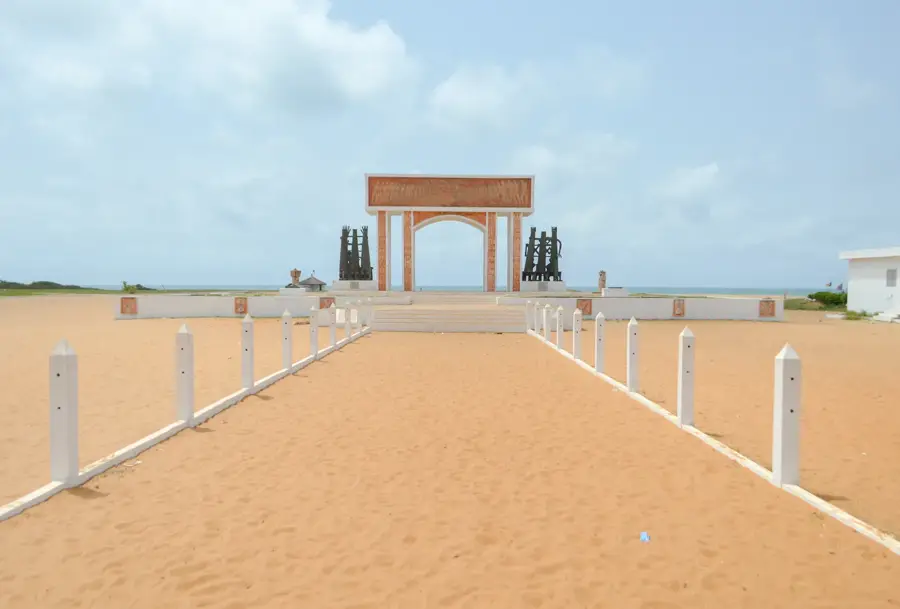
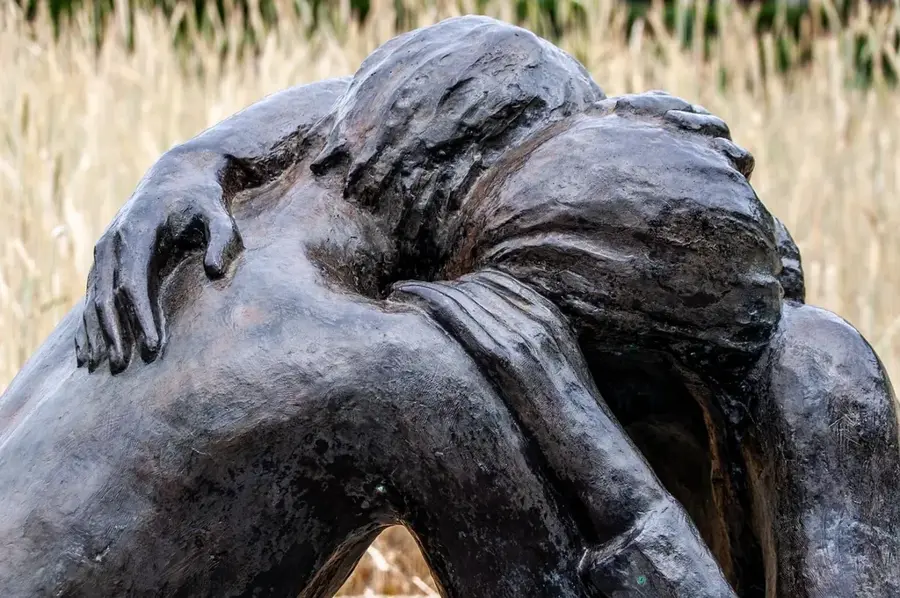
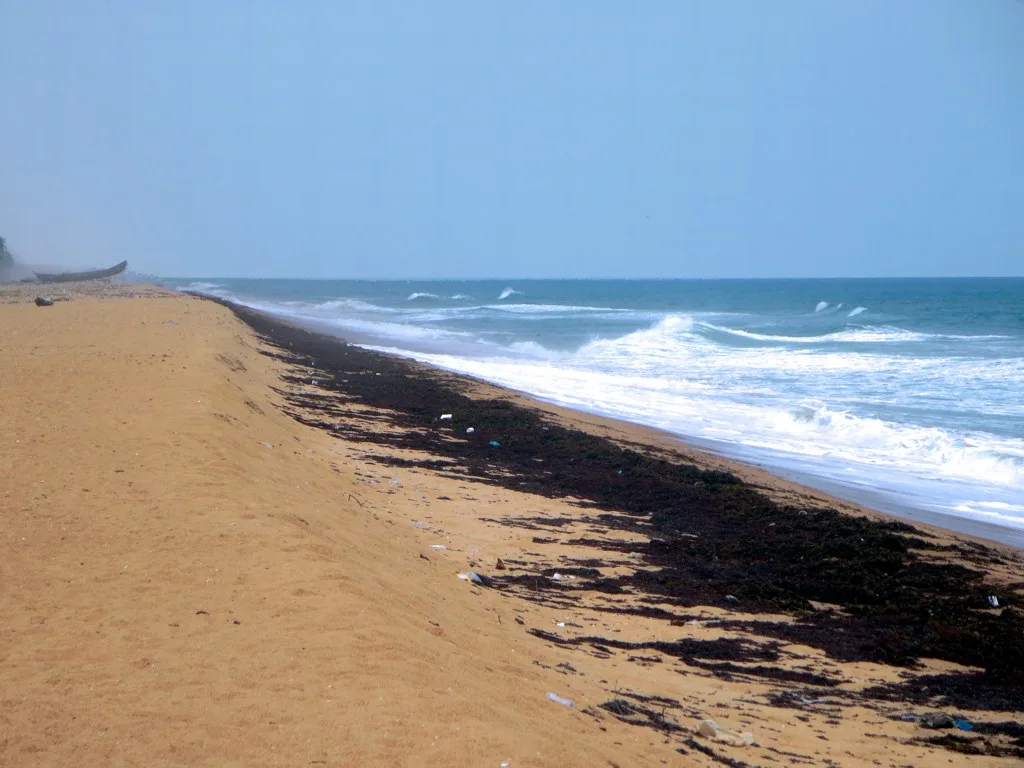
The Door of No Return (La Porte du Non-Retour) in Ouidah is a monumental memorial dedicated to the millions of Africans who were forcibly transported during the transatlantic slave trade. Inaugurated in 1992 in collaboration with UNESCO, the structure stands on the beach at the exact site where slave ships once departed for the Americas. The architecture of the arch features bronze reliefs depicting chained individuals being led towards the sea, providing a visual representation of the site's tragic history. Between the 17th and 19th centuries, Ouidah was one of the busiest slave ports in the Gulf of Guinea, with over one million people estimated to have been deported from this shore. The memorial marks the end of the Route des Esclaves (Slave Route), a four-kilometer path that traces the final stages of the captives' journey on African soil. Annual commemorative ceremonies are held here, particularly on January 10th during the National Voodoo Day, to honor the ancestors. The site serves as a place of reflection, reconciliation, and international education regarding the history and impact of slavery.
- Location: Benin
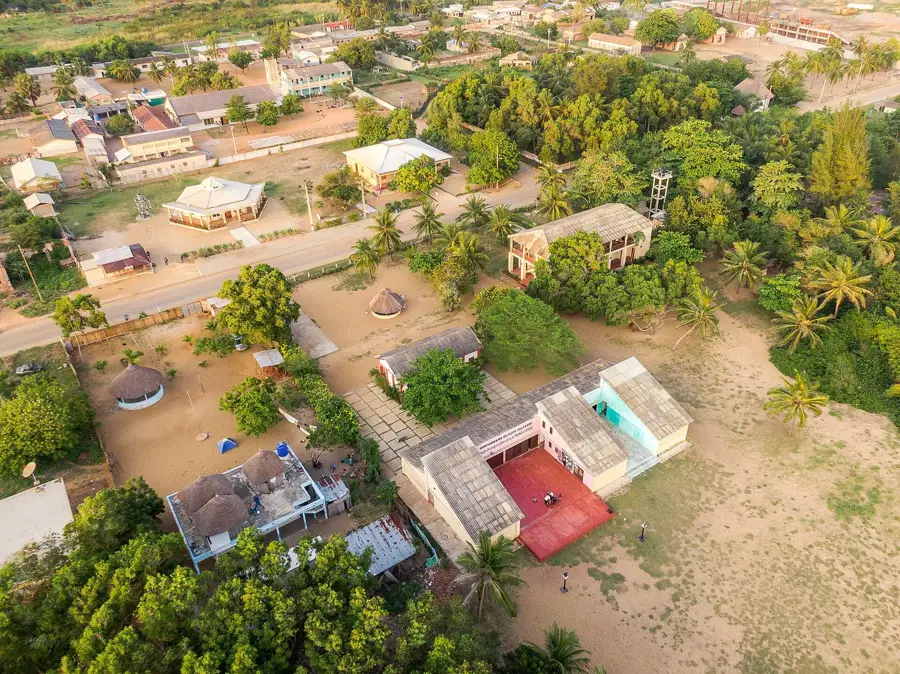
- Top sights: Porte du Non-Retour · Musée de la Porte du Non-Retour · Centre de Développement Artistique et Culturel Elijah
- Nearby: Azizakouè (7 km)
Best time to visit & climate
The most pleasant time to visit is Jan, Nov, Dec.
| Jan | Feb | Mar | Apr | May | Jun | Jul | Aug | Sep | Oct | Nov | Dec | |
|---|---|---|---|---|---|---|---|---|---|---|---|---|
| Avg °C | 27 | 28 | 28 | 28 | 27 | 26 | 25 | 25 | 25 | 26 | 27 | 27 |
| Rain mm | 16 | 33 | 83 | 112 | 159 | 185 | 143 | 84 | 161 | 143 | 39 | 16 |
📋 Practical info
Geography
Facts
- The memorial was erected in 1992 to mark the 500th anniversary of Columbus's arrival in America.
- It marks the end of the 4 km 'Route des Esclaves' in Ouidah.
- Estimated 1 to 2 million people were deported from the shores of Ouidah.
- The arch was designed by the Beninese architect Fortuné Bandeira.
- Ouidah was the second largest slave port on the continent after Luanda.
- The project was realized as part of the UNESCO 'The Slave Route' program.
Explore nearby
Notable places around



Route planner — Car & Motorhome
Where do you start? We build the route here, with stops and country notes along the way.
© OpenStreetMap contributors · OpenRouteService
Sights in the town The Door of No Return (5)
Sights nearby
Frequently asked questions
What does the Door of No Return symbolize?
Is there an entrance fee for the monument?
How do I reach the monument?
Is photography allowed?
When is the best time to visit?
The Door of No Return: where is it located?
The Door of No Return: what is there to see?
The Door of No Return: when is the best time to visit?
The Door of No Return: why is it worth visiting?

Nearby cities
Nature
More places