Plizio Visual Lab
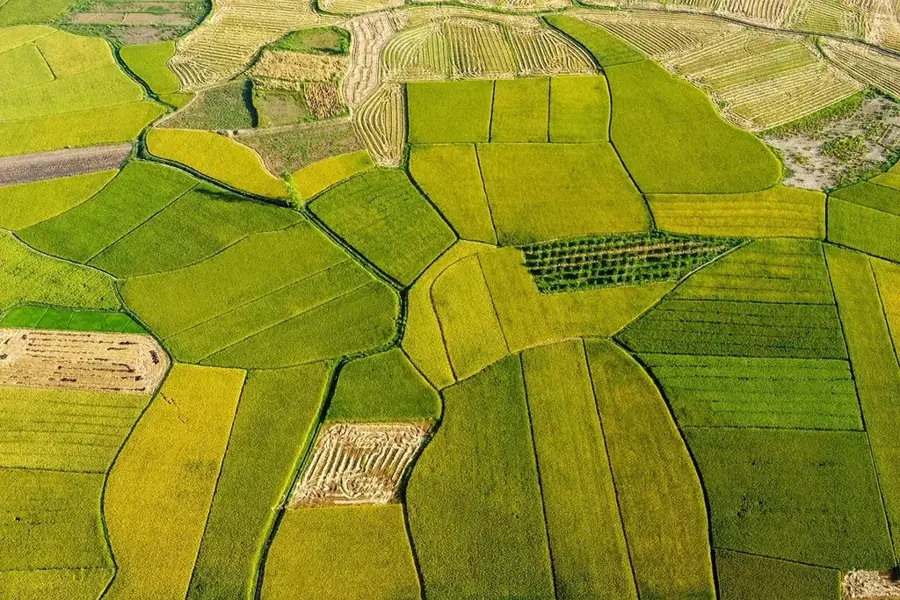
Rice Fields of the Ouémé Valley
Weather…
Water temperature…
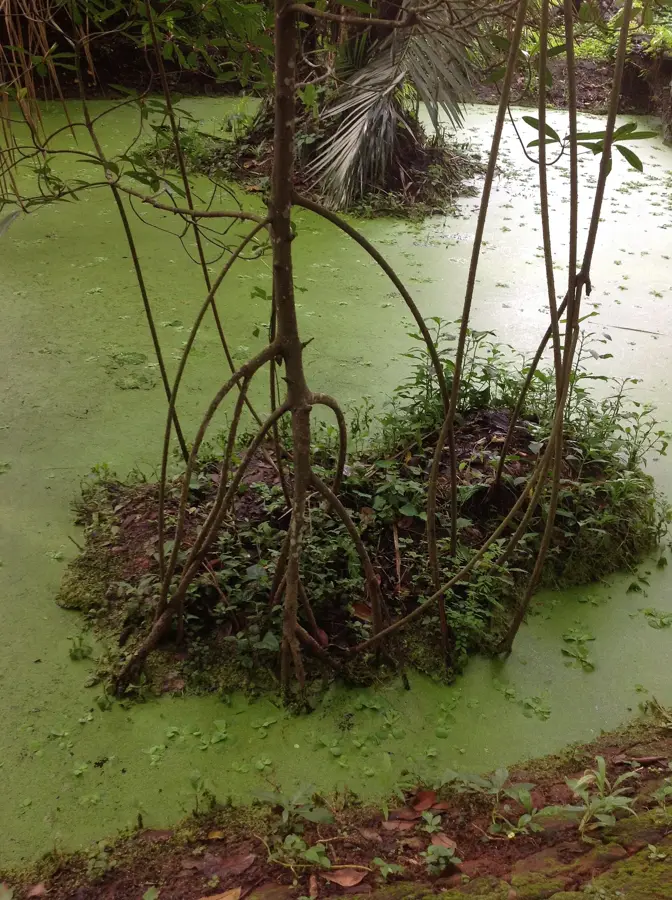
The Ouémé Valley in southeastern Benin is the second most fertile river valley in Africa after the Nile, serving as the primary hub for the nation's rice cultivation. The vast floodplains of the Ouémé River provide good hydrological conditions for wet rice farming, which is essential for national food security. Each year, the valley undergoes a natural cycle of flooding and recession that deposits nutrient-rich silt onto the fields, naturally fertilizing the land. Farmers in the districts of Dangbo, Adjohoun, and Bonou utilize traditional techniques combined with modern irrigation methods to maximize yields. Beyond rice, the valley is also a major producer of maize and vegetables, earning it the reputation of being the breadbasket of southern Benin. The dense network of settlements along the fertile banks highlights the vital role this ecosystem has played for the population for centuries. Recent government initiatives have focused on mechanization to further enhance the productivity of the rice fields.
- Location: Benin
- Nearby: Azizakouè (69 km)
Best time to visit & climate
The most pleasant time to visit is Jan, Nov, Dec.
| Jan | Feb | Mar | Apr | May | Jun | Jul | Aug | Sep | Oct | Nov | Dec | |
|---|---|---|---|---|---|---|---|---|---|---|---|---|
| Avg °C | 26 | 27 | 27 | 27 | 27 | 26 | 25 | 25 | 25 | 26 | 26 | 26 |
| Rain mm | 21 | 31 | 70 | 112 | 159 | 203 | 191 | 135 | 236 | 171 | 46 | 18 |
📋 Practical info
Geography
Facts
- The Ouémé Valley is considered the second most fertile valley in Africa after the Nile
- The Ouémé River is the longest in Benin, stretching 510 kilometers
- Primary rice cultivation zones are located in Dangbo and Adjohoun
- Annual flooding deposits nutrient-rich silt across the agricultural lands
- Rice is a strategic crop for Benin's national food security
- The valley covers an approximate area of 14,000 square kilometers
Explore nearby
Notable places around




Route planner — Car & Motorhome
Where do you start? We build the route here, with stops and country notes along the way.
© OpenStreetMap contributors · OpenRouteService
Sights in the town Rice Fields of the Ouémé Valley (1)
Sights nearby
Frequently asked questions
What is special about rice cultivation in the Ouémé Valley?
Can you visit the rice fields?
When is the rice harvest season?
Which rice varieties are grown there?
How does the river affect rice cultivation?
Rice Fields of the Ouémé Valley: where is it located?
Rice Fields of the Ouémé Valley: when is the best time to visit?
Rice Fields of the Ouémé Valley: why is it worth visiting?

History & landmarks




Nature

More places