Plizio Visual Lab
Salaga Slave Market
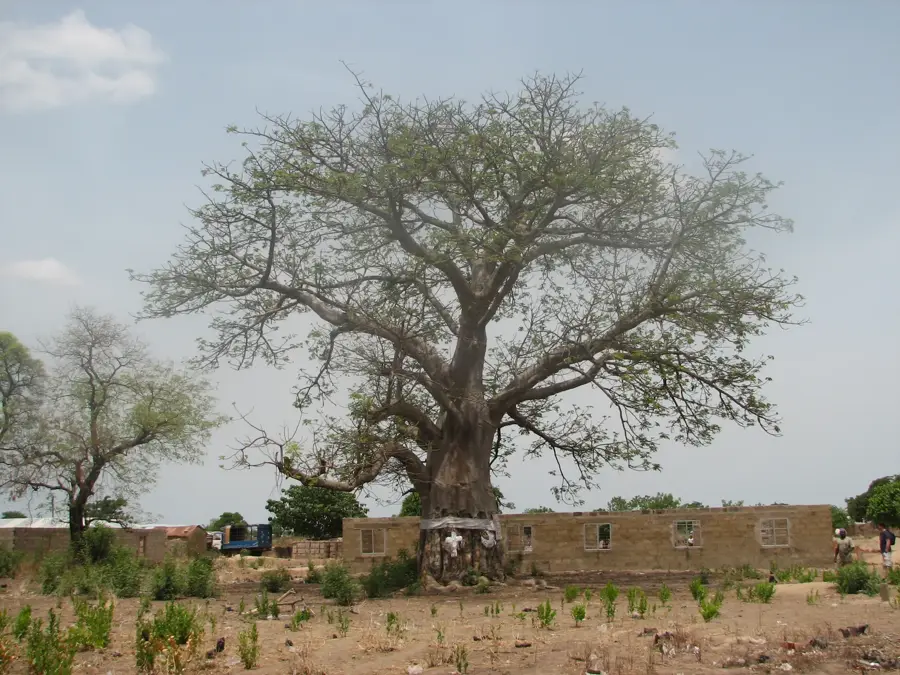
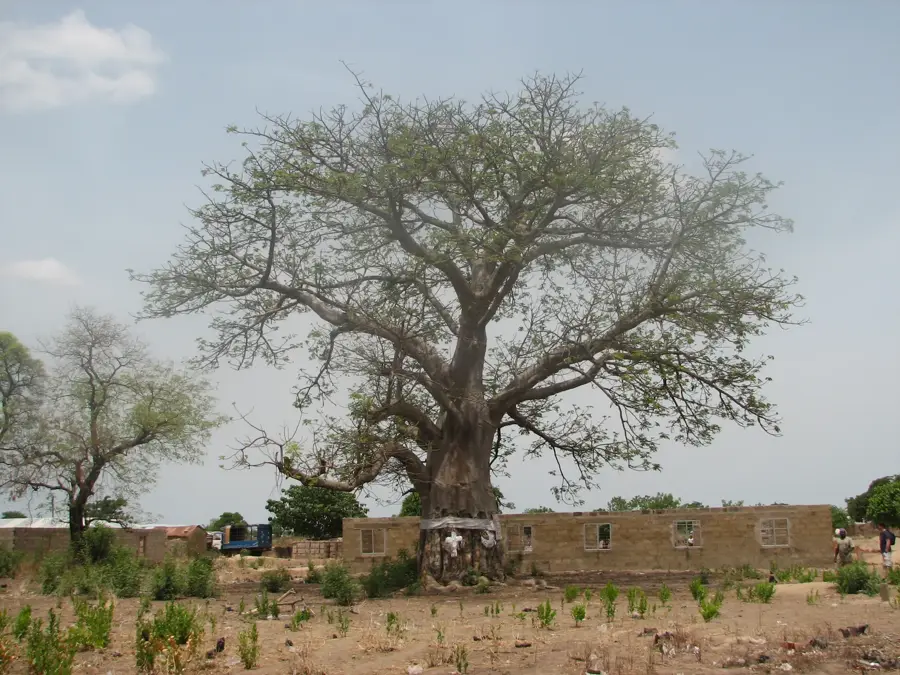
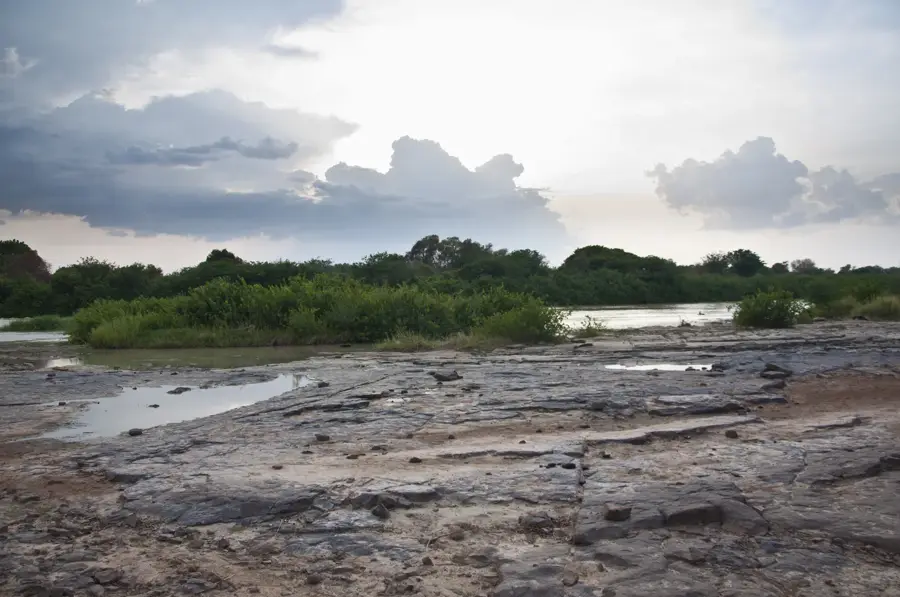
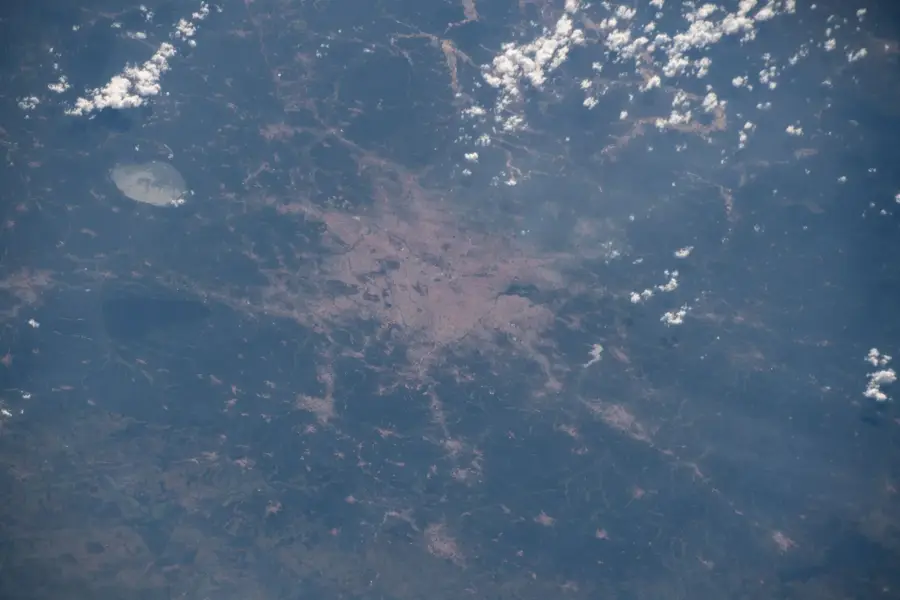
The Salaga Slave Market in northern Ghana was one of the most significant hubs for the slave trade in West Africa during the 18th and 19th centuries. Salaga, once known as the 'Timbuktu of the South', was situated at a strategic intersection of trade routes connecting the Sahara with the Gold Coast. While the market was famous for its trade in kola nuts, textiles, and gold, it sadly became a central location for the sale of thousands of enslaved people to the Ashanti Empire and European buyers. Visitors today can still see the ancient baobab trees that served as hitching posts for the captives, as well as the wells where slaves were washed before being put up for sale. A small local museum preserves chains, iron rings, and other painful relics of this era to keep the memory of this dark chapter alive. Salaga's history illustrates the complexity of the slave trade in West Africa, involving both local rulers and foreign powers. Today, the site serves as an important memorial for the African diaspora and a monument against inhumanity, set within the vast savannah landscape of northern Ghana.
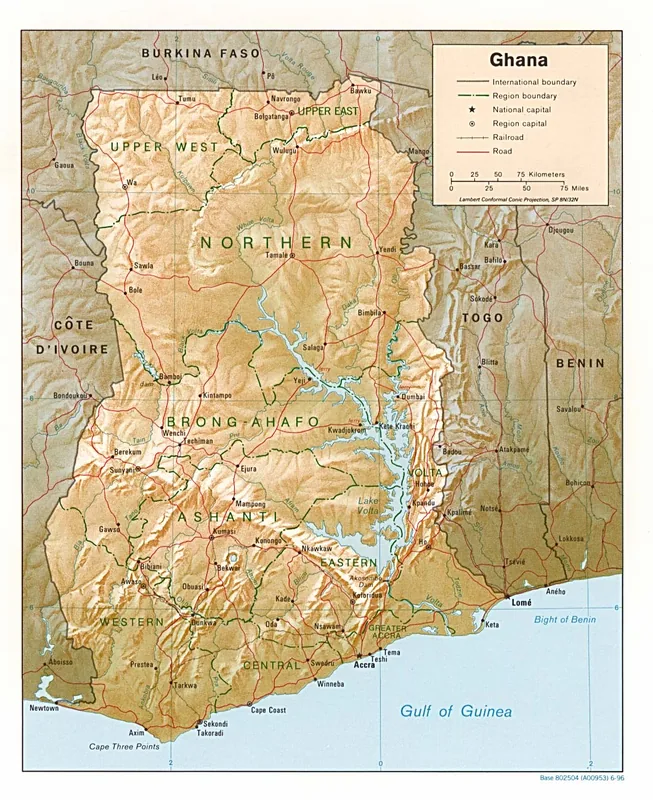
- Location: Ghana
- Top sights: East Gonja Municipal District · Salaga
Best time to visit & climate
The most pleasant time to visit is Jan, Nov, Dec.
| Jan | Feb | Mar | Apr | May | Jun | Jul | Aug | Sep | Oct | Nov | Dec | |
|---|---|---|---|---|---|---|---|---|---|---|---|---|
| Avg °C | 26 | 29 | 30 | 29 | 28 | 27 | 26 | 26 | 26 | 27 | 27 | 26 |
| Rain mm | 7 | 20 | 54 | 103 | 130 | 162 | 199 | 177 | 230 | 150 | 27 | 5 |
📋 Practical info
Geography
Facts
- The slave market reached its peak activity during the 18th and 19th centuries.
- Salaga was referred to as the 'Timbuktu of the South' due to its trade importance.
- Ancient baobab trees in the market square served as tying posts for captives.
- Over 30 specialized wells were dug to wash the enslaved before sale.
- The market was also a vital hub for the regional kola nut trade.
- The local museum displays original chains and shackles from the era.
Explore nearby
Notable places around


Route planner — Car & Motorhome
Where do you start? We build the route here, with stops and country notes along the way.
© OpenStreetMap contributors · OpenRouteService
Sights in the town Salaga Slave Market (2)
Sights nearby
Frequently asked questions
Where is Salaga located?
What can be seen at the Salaga Slave Market today?
Do I need a guide for the visit?
What was the significance of the slave wells?
Is the site suitable for children?
Salaga Slave Market: where is it located?
Salaga Slave Market: what is there to see?
Salaga Slave Market: when is the best time to visit?
Salaga Slave Market: why is it worth visiting?