Plizio Visual Lab
Pikworo Slave Camp
Weather…
Water temperature…
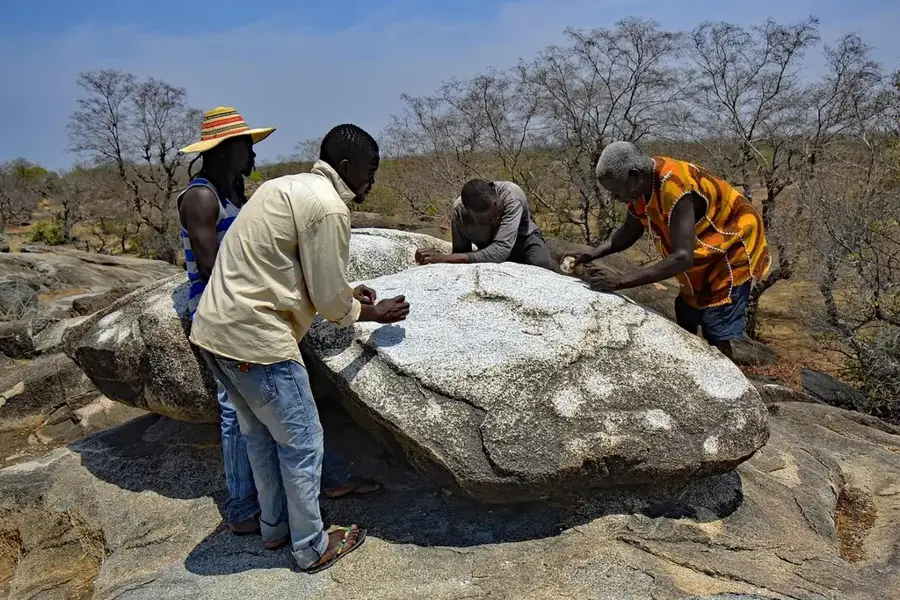
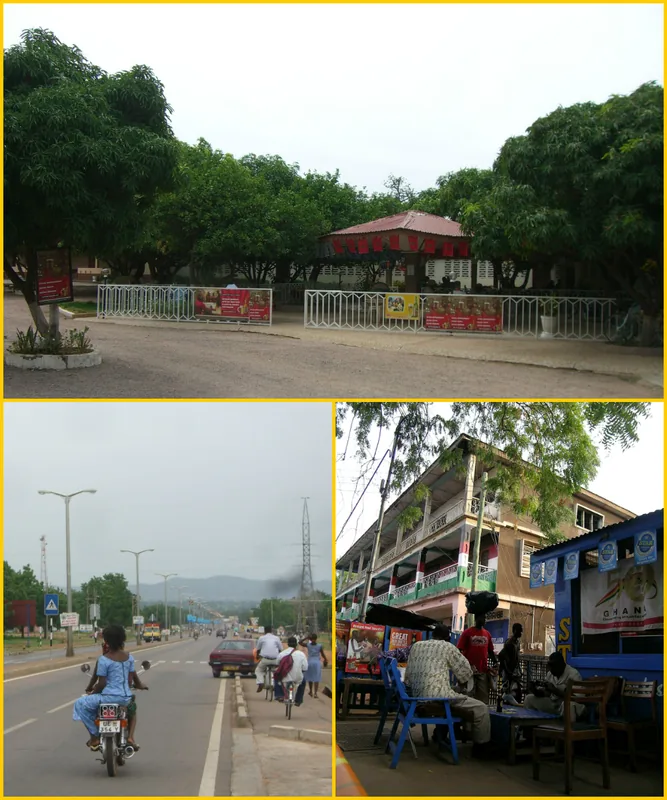
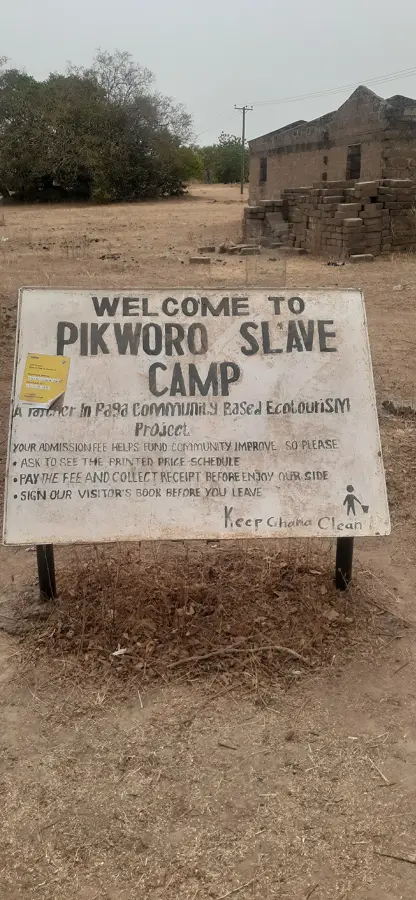
The Pikworo Slave Camp, located in Paga in northern Ghana, was established around 1845 as a primary transit center for the trans-Atlantic slave trade. It served as a holding point for captives from the Sahel region before they embarked on the grueling 600-kilometer march south to the coastal slave markets. One of the most poignant features of the site is the series of hollows carved directly into the rocks, which the captives used as eating bowls for their meager meals. The camp functioned as both a slave market and a penal colony, where rebellious individuals were subjected to harsh punishments on designated rocks. Guards monitored the camp from strategic lookout points on the surrounding boulders to prevent escapes in the arid landscape. Today, the site stands as a somber memorial and educational center, offering a stark look into the history of human exploitation that shaped Ghana's regional identity. It preserves the physical evidence of the logistical organization of the slave trade during the mid-19th century.
- Location: Ghana
- Nearby: Navrongo (7 km)
Best time to visit & climate
The most pleasant time to visit is Jan, Nov, Dec.
| Jan | Feb | Mar | Apr | May | Jun | Jul | Aug | Sep | Oct | Nov | Dec | |
|---|---|---|---|---|---|---|---|---|---|---|---|---|
| Avg °C | 25 | 29 | 32 | 32 | 30 | 28 | 27 | 26 | 26 | 26 | 26 | 25 |
| Rain mm | 1 | 4 | 10 | 57 | 92 | 122 | 213 | 269 | 194 | 68 | 2 | 0 |
📋 Practical info
Geography
Facts
- Founded around 1845 as a transit camp
- Located in Paga in the northern region of Ghana
- Captives marched 600 km to reach southern markets
- Rock hollows served as eating bowls for prisoners
- Site functioned as both a market and penal colony
- Guards used granite boulders as lookout posts
Explore nearby
Notable places around
Route planner — Car & Motorhome
Where do you start? We build the route here, with stops and country notes along the way.
© OpenStreetMap contributors · OpenRouteService
Sights nearby
Frequently asked questions
What was the Pikworo Slave Camp?
Where is Pikworo located?
What are the 'slave bowls' in the rocks?
Can the camp be visited all year round?
Are there other attractions nearby?
Pikworo Slave Camp: where is it located?
Pikworo Slave Camp: when is the best time to visit?
Pikworo Slave Camp: why is it worth visiting?

Nearby cities


History & landmarks
More places