Plizio Visual Lab
Kabwe
ℹ️Practical info — Kabwe
▾
🌤 Weather — 5 days
📍 Nearby
Sights nearby
💡 Tips
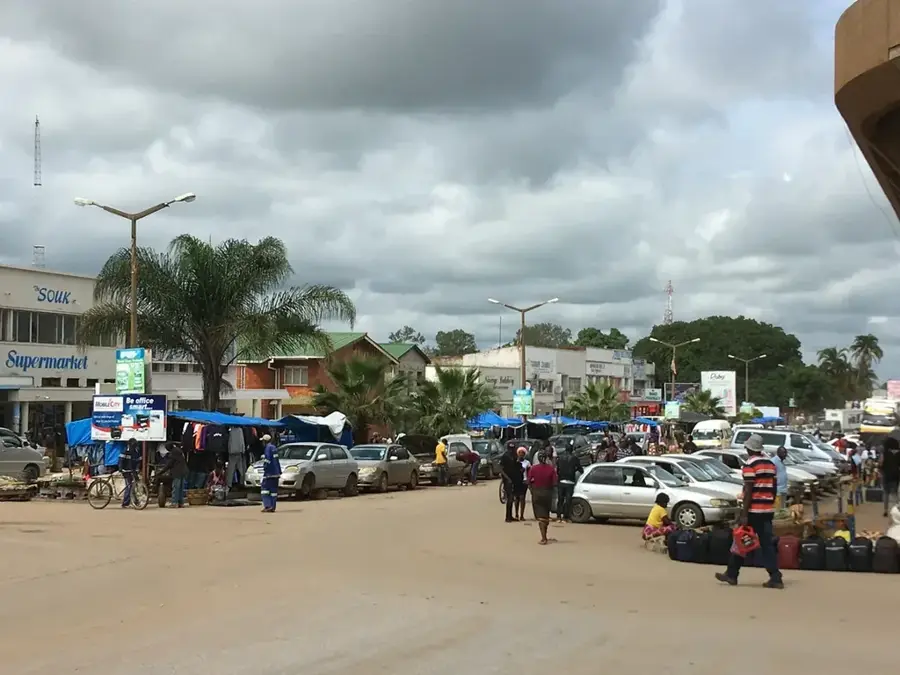
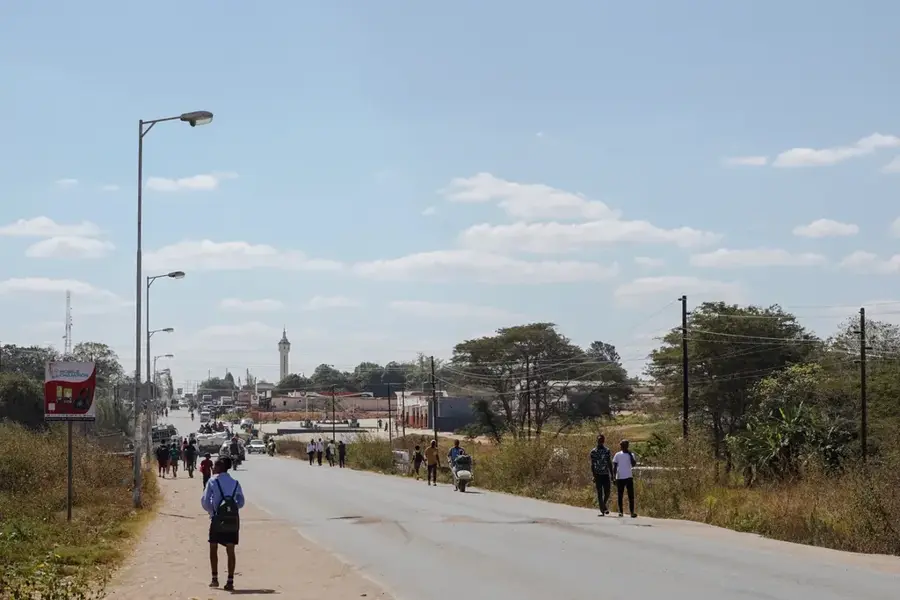
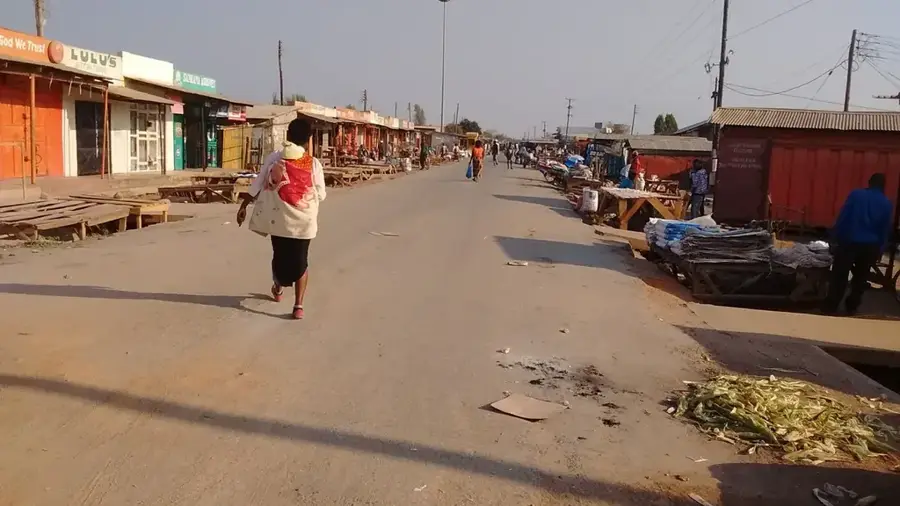
- As a major transit hub, Kabwe is bustling; the bus terminal is the best place to find onward transport, but keep a close eye on your belongings.
- Visit the Big Tree National Monument in the town center, a historic fig tree that once served as a meeting place.
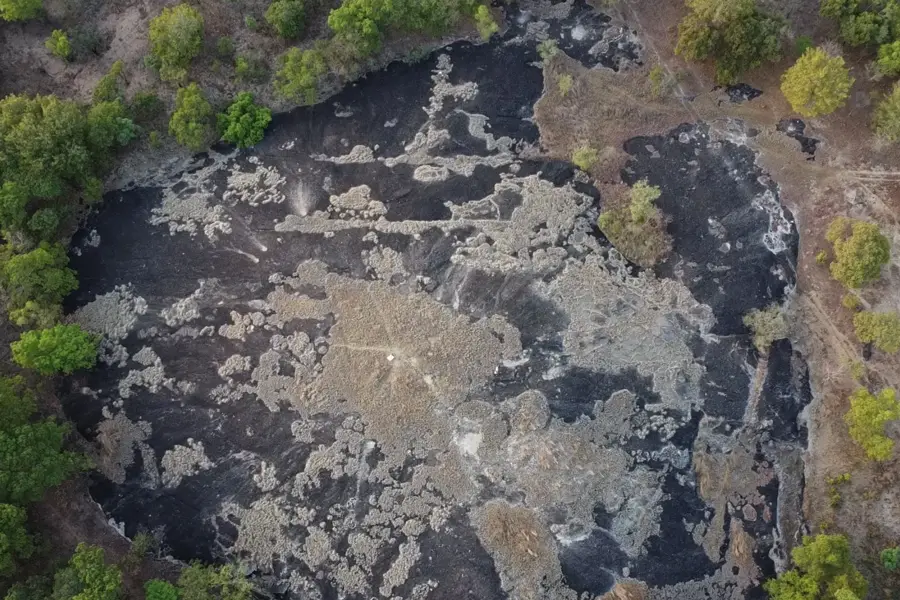
- Due to its history as a lead mining town, avoid playing in or kicking up dust in unpaved outer areas to minimize lead exposure.
- Taxis are available but usually unmetered; always agree on the fare before starting your journey.
🍽 Food
The Zambian staple meal; find the best authentic versions at bustling eateries near the main transport hubs.
Tiny dried fish usually fried with tomatoes and onions, served at local restaurants across town.
During the season, vendors along the Great North Road sell incredibly sweet, freshly picked mangoes.
🛍 Shopping · 🧘 Quiet spots
A large, bustling market first-rate for buying local spices, fresh vegetables, and second-hand clothing.
Look for artisans selling intricate wire cars and copper jewelry near the main thoroughfares.
A short drive from the center, the campus features a peaceful, leafy environment for a relaxed walk.
Even if you don't play, the club's surroundings offer a green, quiet escape from the dusty town center.
Water temperature…
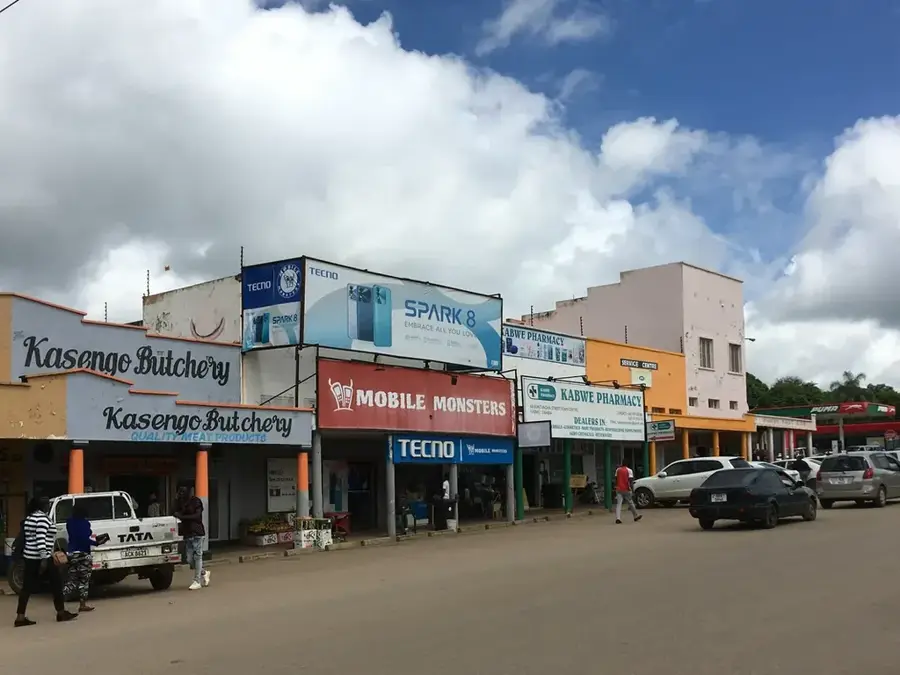
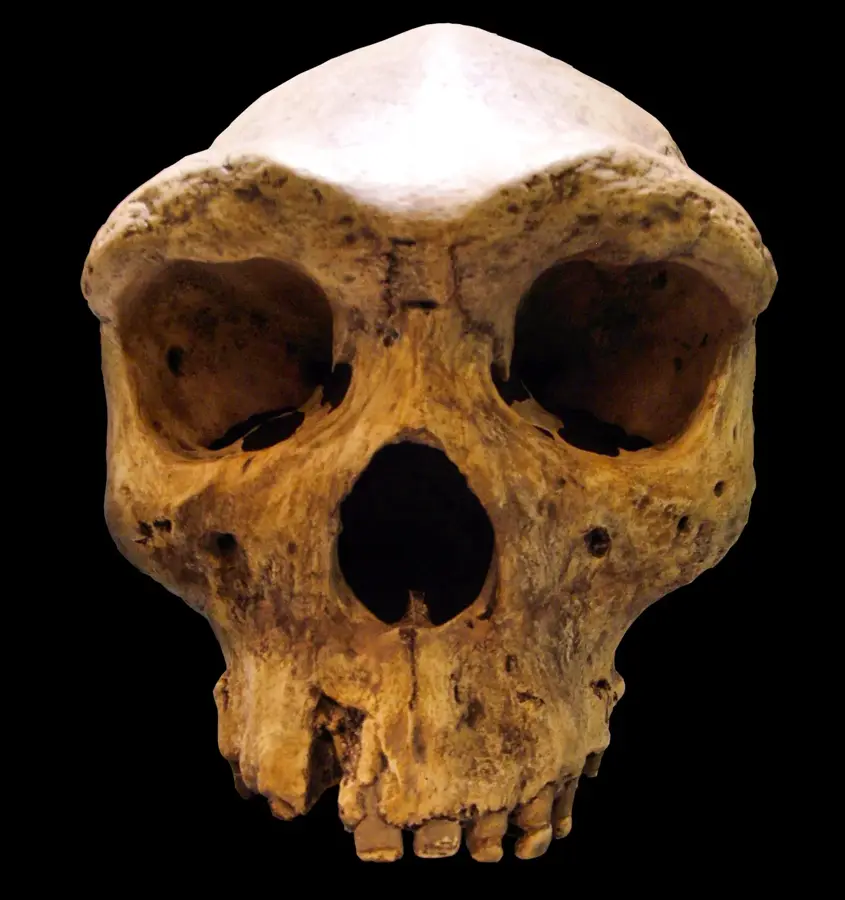
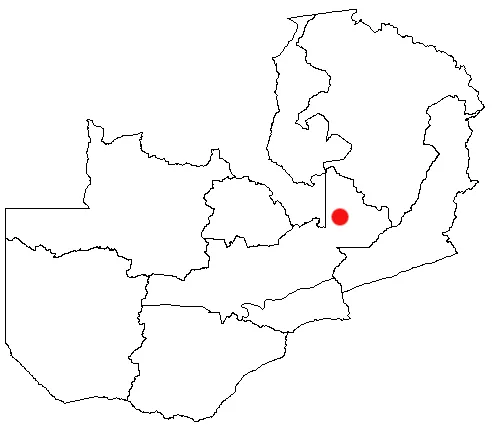
Kabwe, formerly known as Broken Hill, is the provincial capital of the Central Province in Zambia, situated approximately 140 kilometers north of Lusaka. Founded in 1902 following the discovery of vast lead and zinc deposits, it holds the distinction of being Zambia's first modern mining town. The city sits at an elevation of 1,180 meters on the central plateau and serves as a critical railway hub connecting the capital to the Copperbelt region. Historically, Kabwe gained global fame in 1921 when the skull of 'Broken Hill Man' (Homo heidelbergensis) was discovered in a local mine, providing a landmark find for the study of human evolution. While the mines closed in 1994, the industrial legacy has resulted in significant environmental challenges due to heavy lead contamination, prompting ongoing international remediation efforts. Today, Kabwe is diversifying its economy through commercial farming and trade, while remaining a key administrative and transport link for the country.
- Location: Zambia
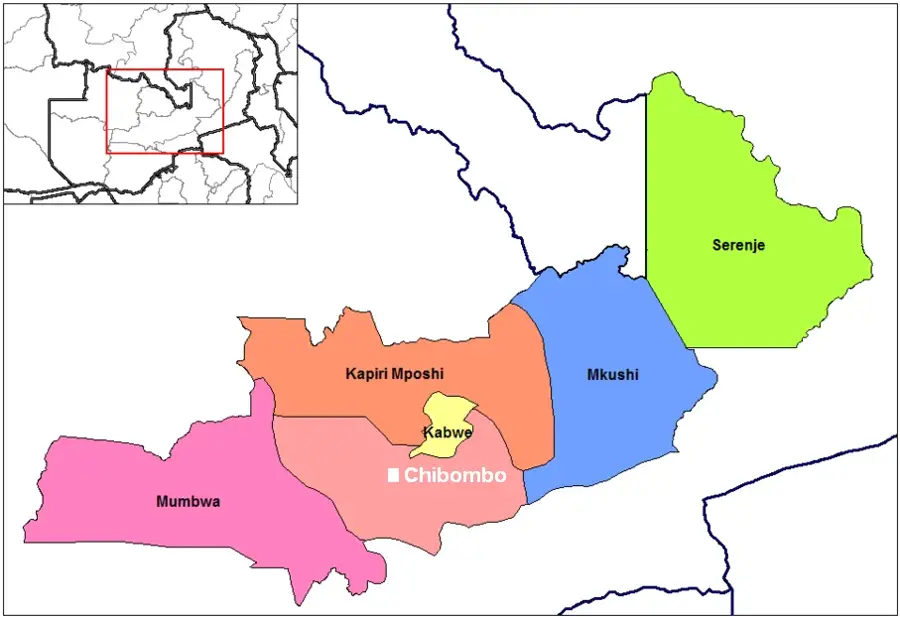
- Nearby: Chibombo (45 km)
- Population: ~288.598 (2026)
Best time to visit & climate
The most pleasant time to visit is May, Aug, Sep.
| Jan | Feb | Mar | Apr | May | Jun | Jul | Aug | Sep | Oct | Nov | Dec | |
|---|---|---|---|---|---|---|---|---|---|---|---|---|
| Avg °C | 22 | 22 | 22 | 20 | 19 | 17 | 17 | 20 | 23 | 26 | 26 | 23 |
| Rain mm | 252 | 186 | 119 | 38 | 3 | 1 | 1 | 1 | 0 | 10 | 96 | 244 |
Geography
Facts
- Kabwe was established in 1902 as a lead and zinc mining outpost.
- The skull found here in 1921 is currently held by the British Museum.
- The city's elevation is approximately 1,180 meters (3,870 feet).
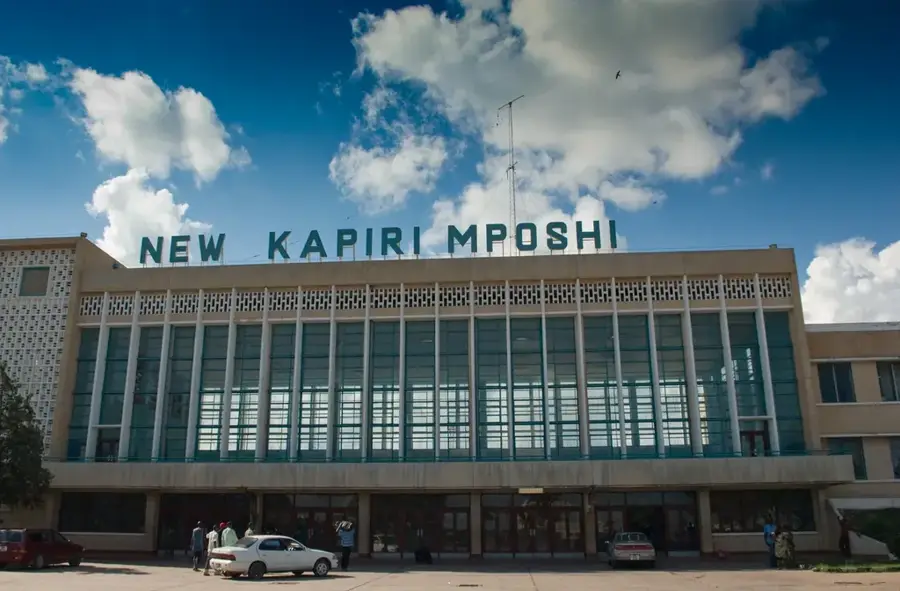
- It serves as the headquarters for the national railway operator, Zambia Railways.
- The name 'Kabwe' means 'small stone' or 'ore' in the local language.
- Kabwe is surrounded by fertile lands used for large-scale commercial farming.
Explore nearby
Notable places around
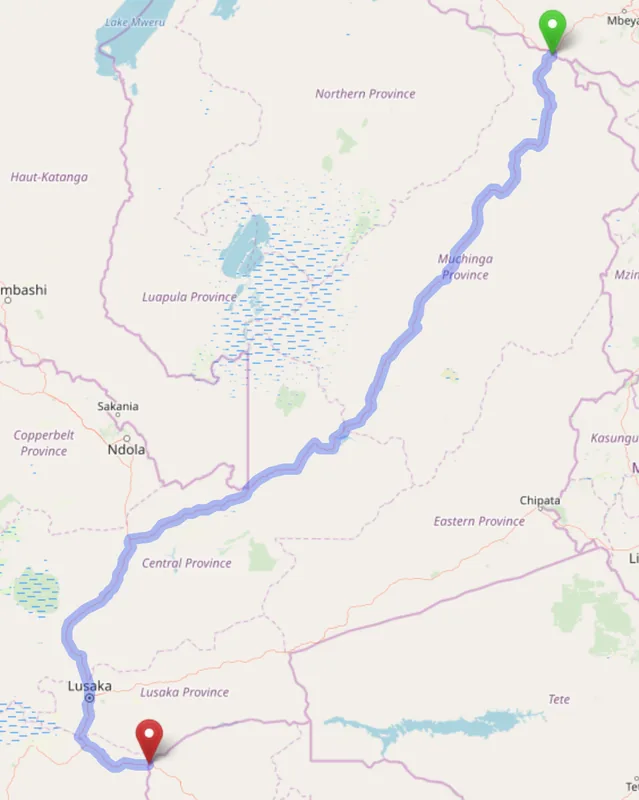
Route planner — Car & Motorhome
Where do you start? We build the route here, with stops and country notes along the way.
© OpenStreetMap contributors · OpenRouteService
Frequently asked questions
Where is Kabwe located geographically?
What is the historical significance of Kabwe?
Is Kabwe suitable as a stopover?
What is the climate like in Kabwe?
Are there hospitals there?
Kabwe: where is it located?
Kabwe: when is the best time to visit?
Kabwe: why is it worth visiting?

Nearby cities
History & landmarks
Nature
More places