Plizio Visual Lab
Kasanka National Park
Weather…
Water temperature…
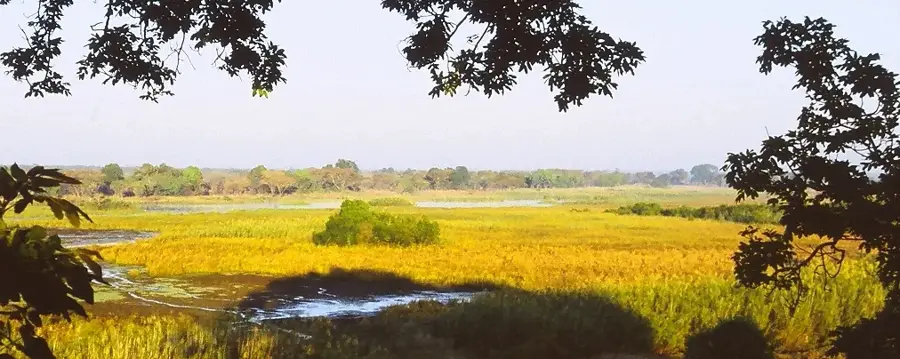
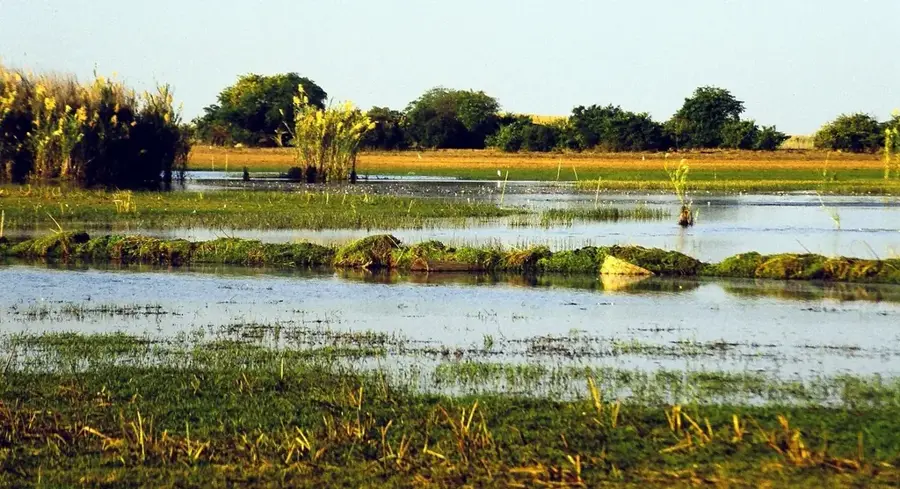
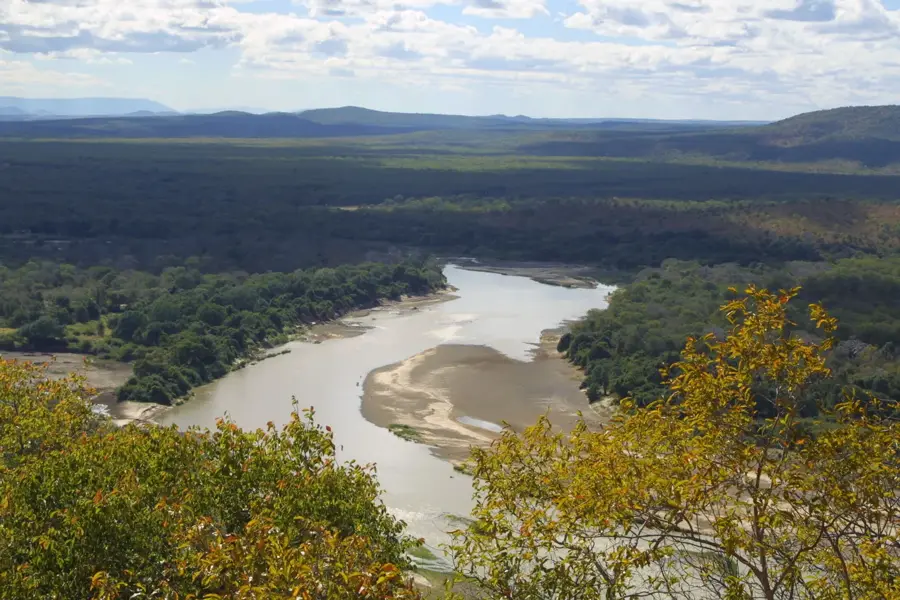
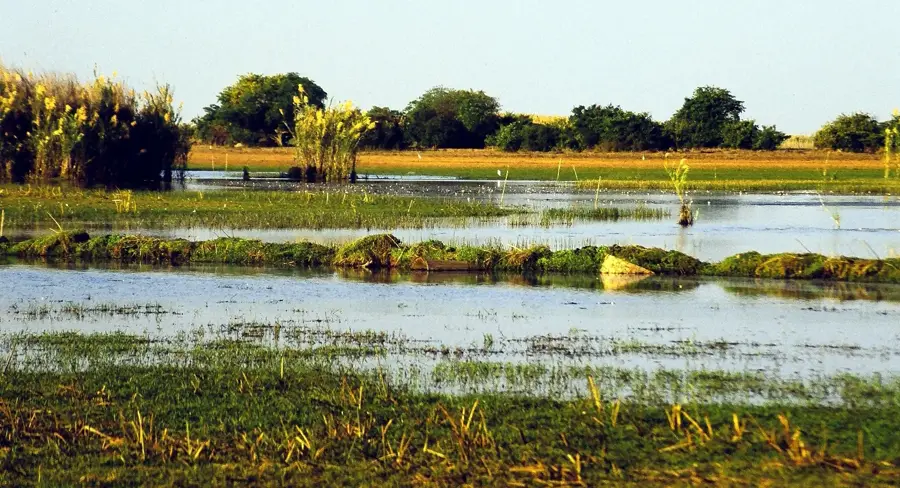
Kasanka National Park is one of Zambia's smallest parks, yet it hosts one of the most spectacular natural wonders on Earth. Every year between October and December, approximately ten million straw-colored fruit bats descend upon a small patch of evergreen swamp forest. This is the world's largest mammal migration, surpassing even the famous wildebeest migration of the Serengeti in terms of numbers. At dusk, the sky turns black as millions of bats take flight to forage, a sight that is truly awe-inspiring. Beyond the bats, Kasanka is a haven for birdwatchers and one of the best places to spot the shy, semi-aquatic sitatunga antelope. The park features a diverse landscape of miombo woodland, riverine forests, and papyrus swamps. Managed by a private trust, the park emphasizes conservation and community involvement. Visitors can enjoy unique vantage points from high-canopy hides built into the trees, providing exceptional views of the wildlife below. The best time to visit is undoubtedly during the 'bat season' from late October to mid-December. The park is accessible by road from Lusaka, taking about six hours, or by private charter flight. Dining at the lodges is often communal and features local Zambian ingredients. Kasanka gives a quiet, intimate experience for those looking to witness a unique biological phenomenon in a pristine and well-managed wilderness setting.
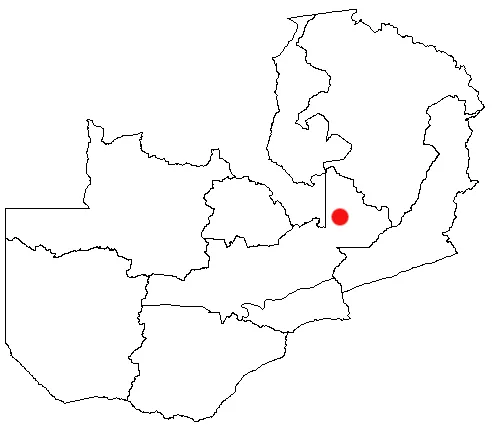
- Location: Zambia
- Nearby: Serenje (76 km)
📋 Practical info
Geography
Facts
- 10 million fruit bats migrate
- Central swamp forest area
- Over 330 bird species
- Privately managed park
- Best place for sitatunga
- Important puku antelope refuge
- No large predators like lions
- Famous 'Fibwe' viewing hide
Explore nearby
Notable places around
Route planner — Car & Motorhome
Where do you start? We build the route here, with stops and country notes along the way.
© OpenStreetMap contributors · OpenRouteService
Sights nearby
Frequently asked questions
Kasanka National Park: where is it located?
Kasanka National Park: why is it worth visiting?

Nearby cities
History & landmarks
Nature
More places