Plizio Visual Lab

Zambezi Gorge
Plizio editorial teamData Sources
Relief
—°3
Zambezi Gorge (Zambia)

Weather…

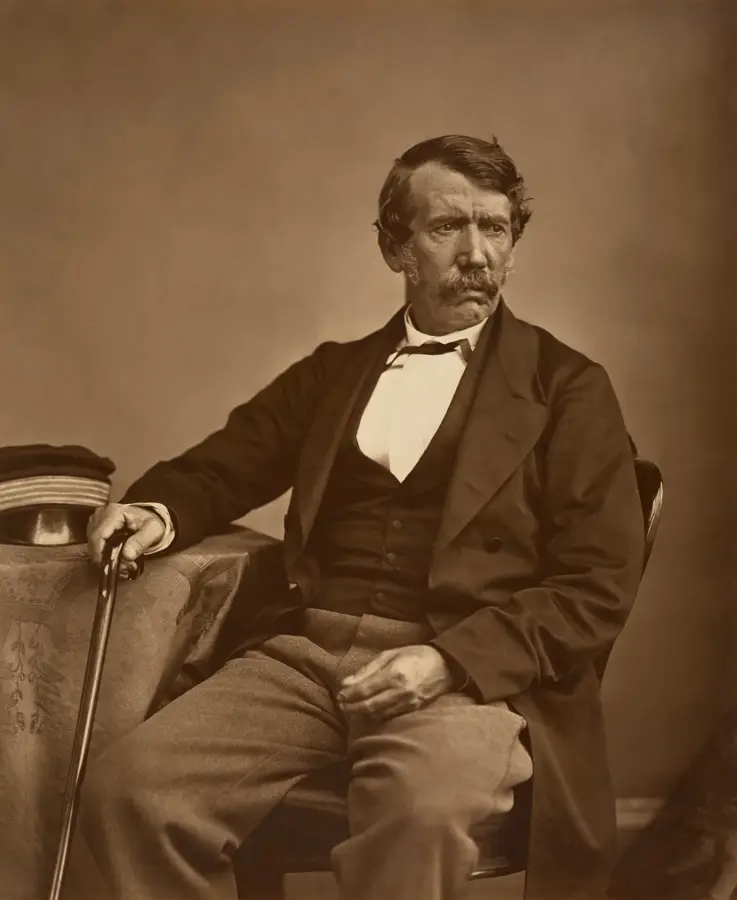
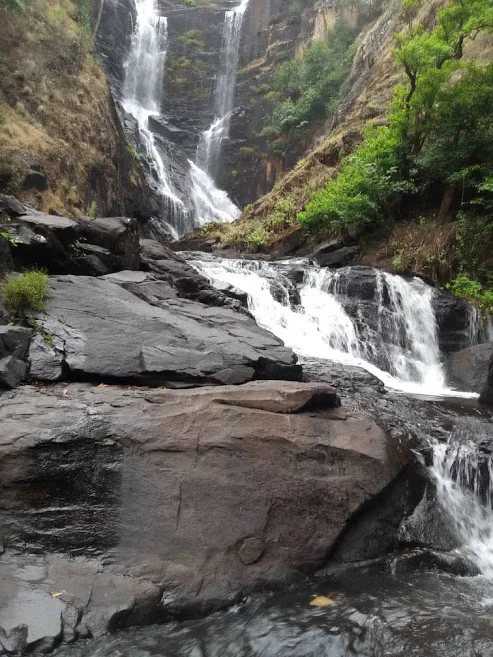
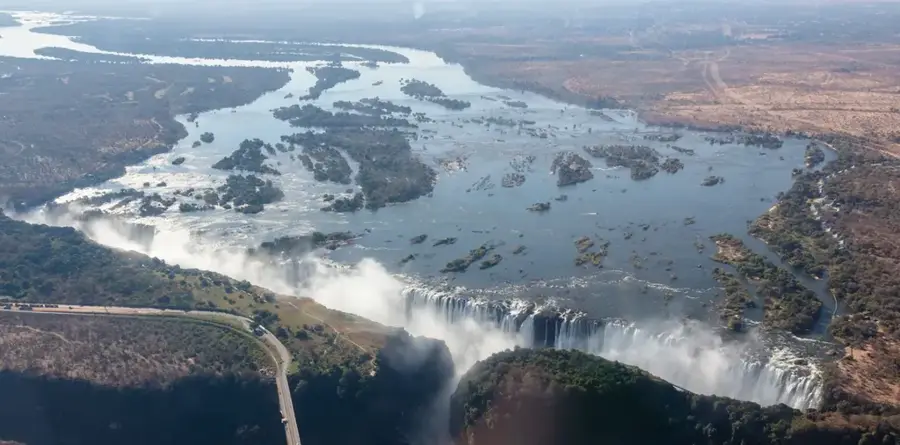
The Zambezi Gorge, also known as the Batoka Gorge, stretches immediately below the Victoria Falls on the border between Zambia and Zimbabwe. Geologically, it is a deep incision in the basalt plateau, formed by the erosive power of the Zambezi River over millions of years. The gorge reaches depths of up to 120 meters and is characterized by steep, almost vertical walls of dark volcanic rock. In this section, the river forms a series of technically challenging rapids, internationally acclaimed as one of the premier locations for whitewater rafting. Historically, the gorge played a significant role in the exploration of the region by David Livingstone during the 1850s. Today, the gorge is not only a major tourist destination but also the site of planned hydroelectric projects, such as the Batoka Gorge Hydroelectric Scheme, intended to bolster the power supply of both neighboring nations. The ecological significance of the gorge is also high, as it provides a critical habitat for rare birds of prey, including the Taita falcon.

Best time to visit & climate

The most pleasant time to visit is May, Jun, Aug.

JanFebMarAprMayJunJulAugSepOctNovDec
Avg °C262525232119182125292826
Rain mm1311259233320021264137

📋 Practical info

🧭
Getting there
Access to the gorge is primarily from the towns of Victoria Falls in Zimbabwe or Livingstone in Zambia, where steep paths descend from the rim. Many tourists reach the bottom via specialized walkways or as part of organized white-water rafting expeditions.
📅
Best season
The low water season from August to December is the best time for activities within the gorge, as the river's flow is less extreme and paths are accessible. During the high water months, the immense spray from the falls and rising river levels can make some areas dangerous or closed.
⛰️
Terrain & paths
The terrain within the gorge is extremely vertical, with sheer basalt cliffs and rocky, uneven ground near the river's edge. Navigating the depths of the gorge requires physical fitness, as the paths are often steep and can be slippery due to the constant moisture.
🎒
What to bring
High-grip footwear is mandatory for the rocky descents, and waterproof clothing or covers are recommended due to the spray from Victoria Falls. For those planning to engage in water activities, specialized aquatic gear and life jackets are typically provided by tour operators.
🅿️
Parking
Parking is available at designated lots within the Victoria Falls or Mosi-oa-Tunya National Parks, near the main entry points to the gorge paths. Visitors staying in nearby hotels often use hotel shuttles or taxis to reach the viewpoints and trailheads to avoid parking issues.
⚠️
Safety
The combination of sheer cliffs and powerful river currents presents significant risks; staying on marked trails is crucial for safety. It is strongly advised not to swim in the gorge except in designated, guide-supervised areas, as the water can be extremely turbulent.
⏱️
Time needed
A visit to the gorge can range from a two-hour hike to the bottom and back to a full-day rafting trip through the various rapids. Most people spend about half a day exploring the views and the immediate paths leading down from the rim of the canyon.

Geography

Coordinates
-17.90000, 25.80000

Facts

  • The gorge begins immediately at the base of the Victoria Falls.
  • The walls reach a maximum height of approximately 120 meters.
  • The river section features 13 major whitewater rapids.
  • The gorge was carved by erosion into the Batoka basalt plateau.
  • It is the site for the proposed Batoka Gorge Hydroelectric Scheme.
  • The area is a key nesting site for the rare Taita falcon.

Explore nearby

Notable places around
Route planner — Car & Motorhome

Where do you start? We build the route here, with stops and country notes along the way.

Vehicle
Only stops with (optional):

© OpenStreetMap contributors · OpenRouteService

Sights in the town Zambezi Gorge (3)

Zambezi Nature Sanctuary

A protected area for native animals and plants along the Zambezi River.

A'Zambezi Lodge

Accommodation with a view of the Zambezi, surrounded by natural river landscape.

Old Drift Cemetery

A historic cemetery from the early colonial period on the banks of the Zambezi.

Sights nearby

Frequently asked questions

Is Zambezi Gorge safe for tourists?
Yes, it is safe at official viewpoints; keep away from edges.
Do you need a ticket for the gorge?
Access is often free, but tourist hotspots may charge fees.
When is the best light for photography?
Shortly after sunrise, the light is softest and best for photography.
How long does it take on foot?
Visiting the viewpoints takes about 1-2 hours, depending on pace.
Is there protection from the sun?
No, there is little shade; hats and sunscreen are a must.
Zambezi Gorge: where is it located?
Zambezi Gorge is located in Zambia.
Zambezi Gorge: what is there to see?
Highlights include Zambezi Nature Sanctuary, A'Zambezi Lodge, Old Drift Cemetery.
Zambezi Gorge: when is the best time to visit?
The most pleasant time to visit is May, Jun, Aug.
Zambezi Gorge: why is it worth visiting?

The Zambezi Gorge, also known as the Batoka Gorge, stretches immediately below the Victoria Falls on the border between Zambia and Zimbabwe.
View on map → The Top 50 Attractions → OpenStreetMap →
Africa
Explore with Plizio Discover more places in Africa
More places in Zambia →

Nearby cities

History & landmarks
Nature
More places