Plizio Visual Lab
Kabwe Region
Weather…
Water temperature…
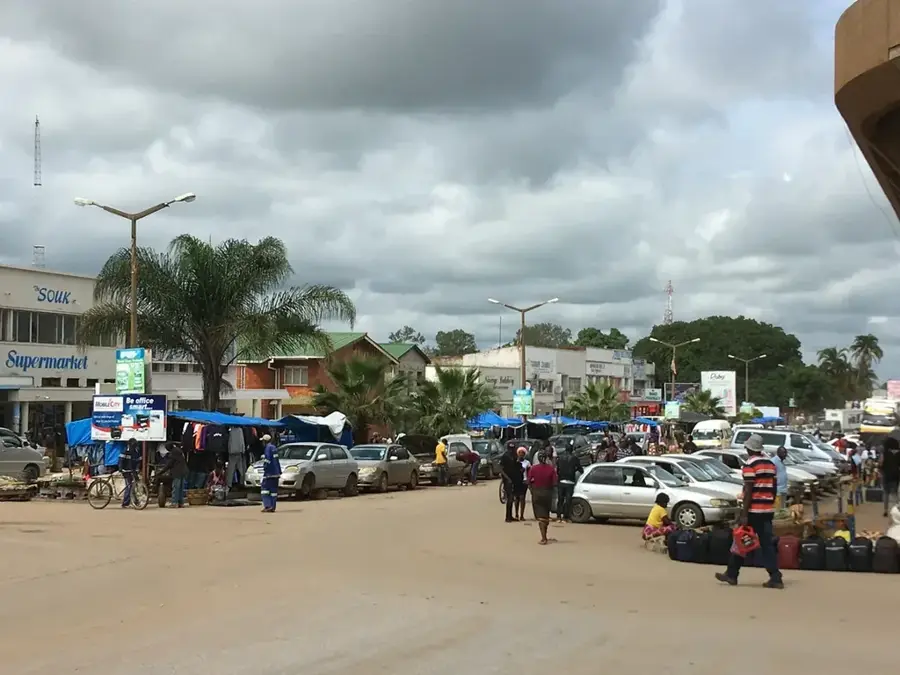
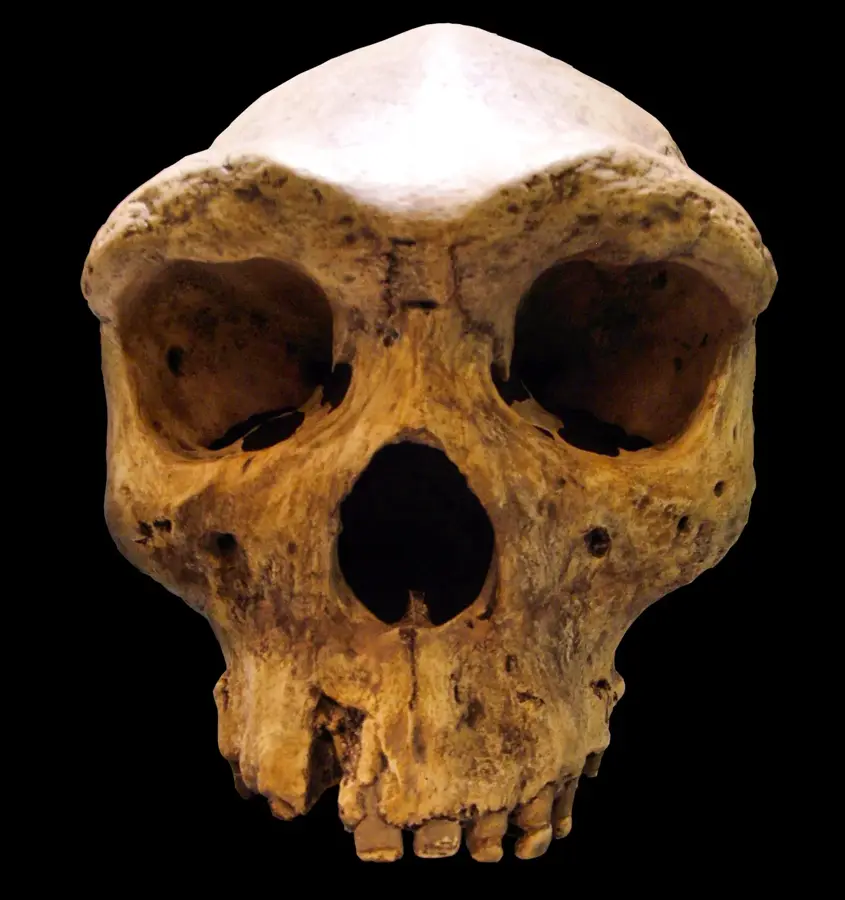
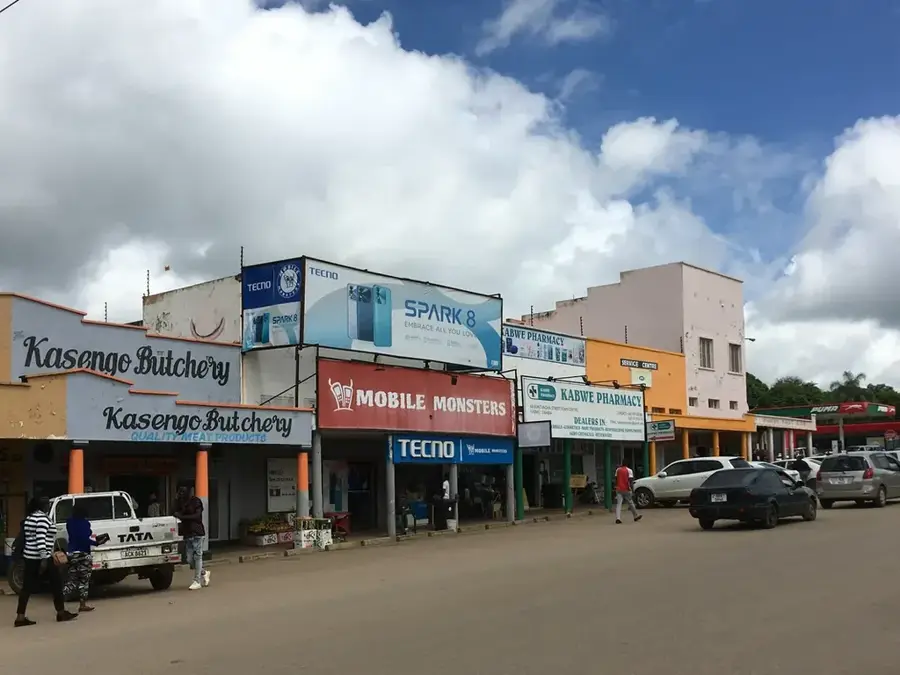
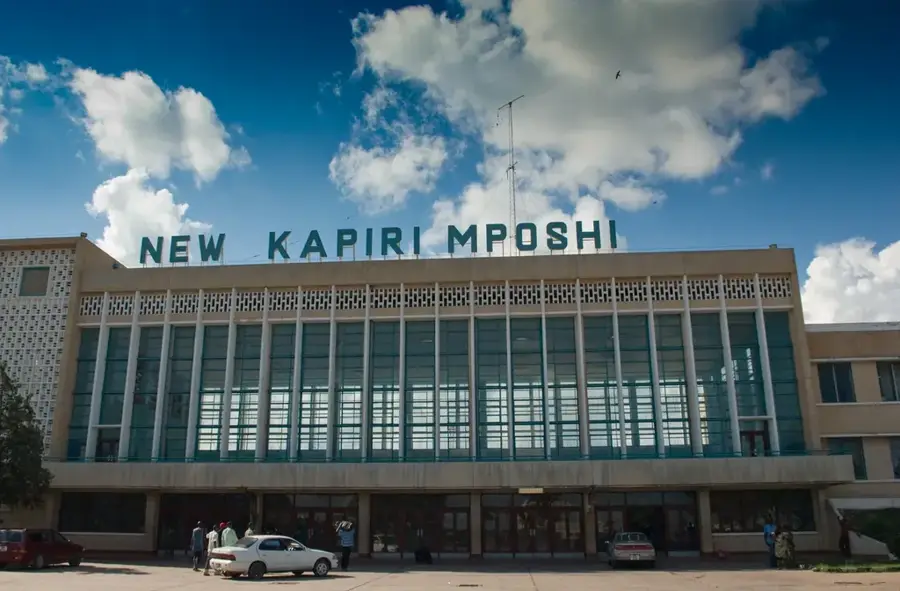
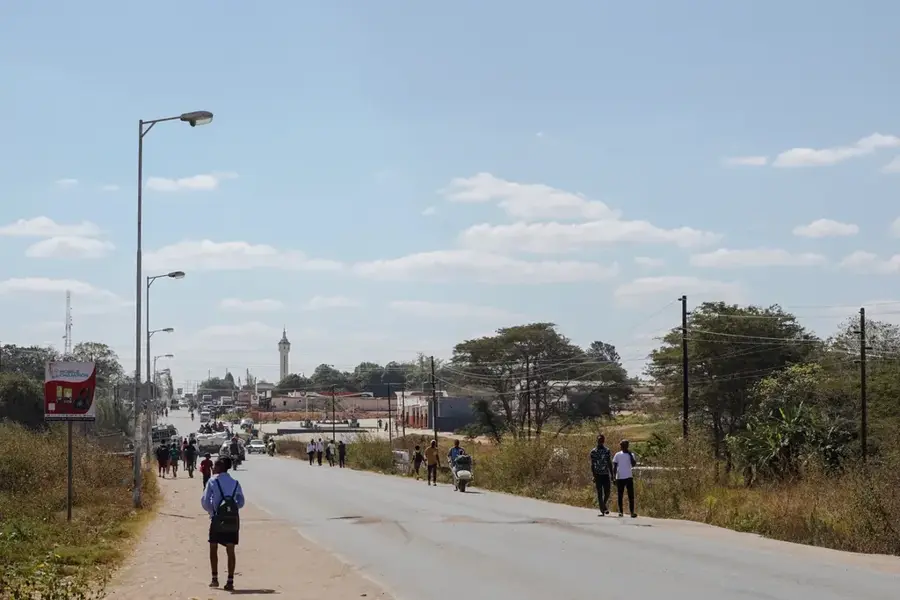
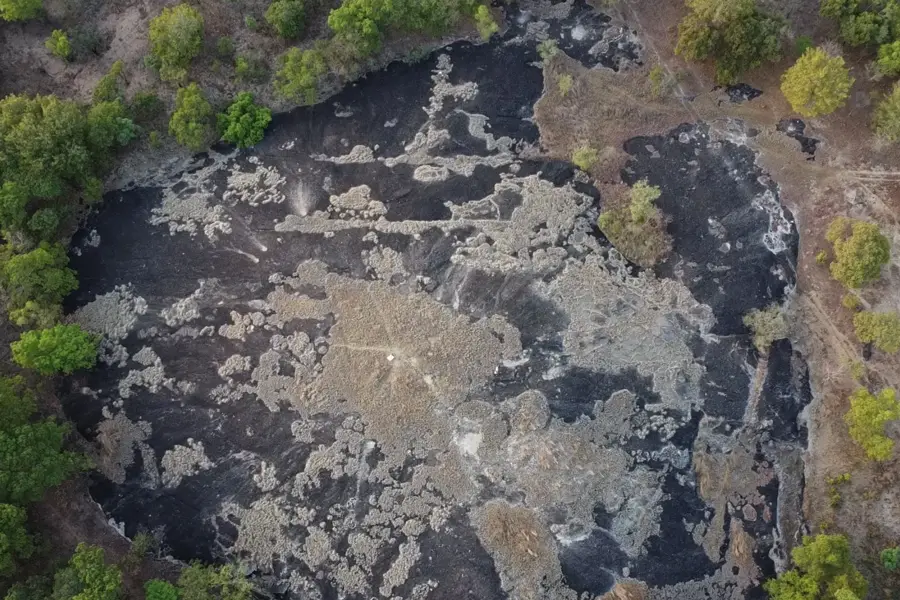
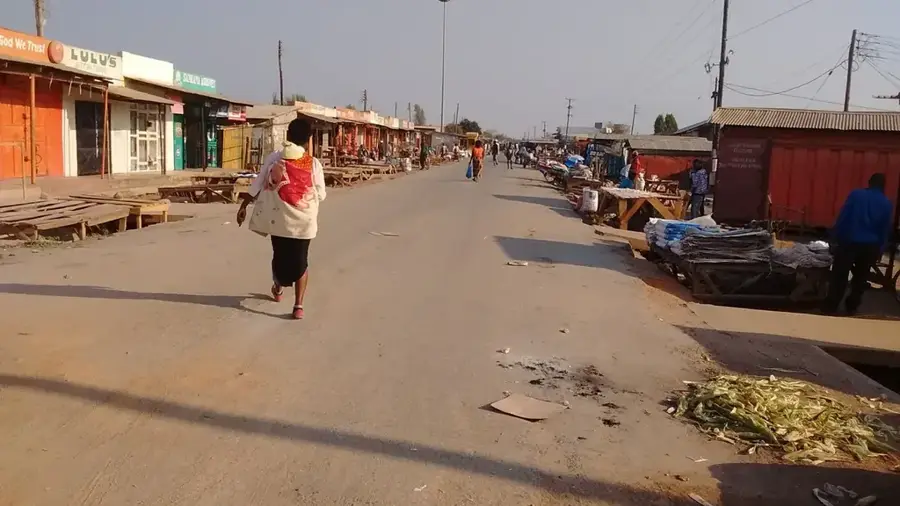
The Kabwe region in central Zambia is a place of profound historical weight and significant environmental challenges. Originally known as Broken Hill, it was the site of the country's first major mine, which began operations in 1904 and produced lead and zinc for nearly a century. The region gained international scientific fame in 1921 when miners discovered the 'Kabwe Skull,' a fossil of Homo rhodesiensis that provided pivotal evidence for human evolution in Africa. Geographically, Kabwe sits on a high plateau and serves as a critical transport hub connecting Lusaka to the northern Copperbelt province. However, the legacy of intensive mining has left a severe ecological footprint; Kabwe is frequently cited as one of the most lead-polluted places on Earth, necessitating large-scale cleanup and health intervention programs. Politically, the area is revered as the birthplace of Zambian independence, with the Mulungushi Rock of Authority serving as a symbolic site for national gatherings. Despite its industrial history, the surrounding district remains a productive agricultural zone, famous for its large-scale farming of maize and tobacco. Today, Kabwe is at a crossroads, seeking to rehabilitate its environment while transitioning toward a diversified economic future.
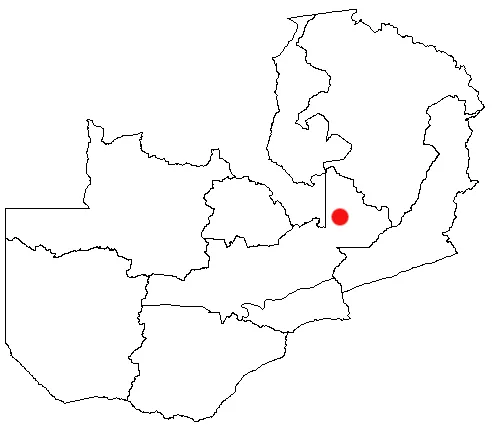
- Location: Zambia
- Top sights: steam locomotive · steam locomotive 113
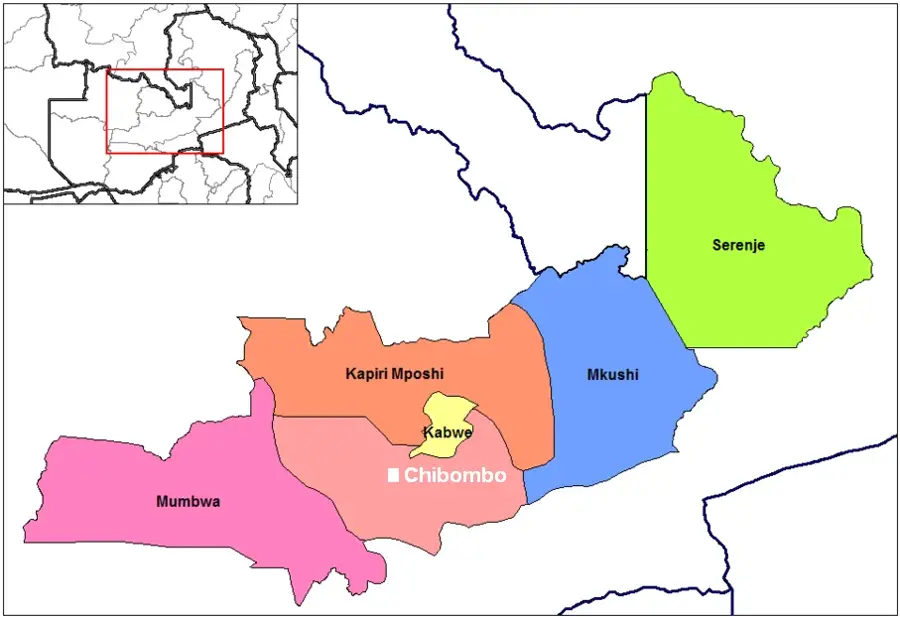
- Nearby: Chibombo (45 km)
Best time to visit & climate
The most pleasant time to visit is May, Aug, Sep.
| Jan | Feb | Mar | Apr | May | Jun | Jul | Aug | Sep | Oct | Nov | Dec | |
|---|---|---|---|---|---|---|---|---|---|---|---|---|
| Avg °C | 22 | 22 | 22 | 20 | 19 | 17 | 17 | 20 | 23 | 26 | 26 | 23 |
| Rain mm | 252 | 186 | 119 | 38 | 3 | 1 | 1 | 1 | 0 | 10 | 96 | 244 |
📋 Practical info
Geography
Facts
- The Kabwe mine was the first commercial mine in Zambia, opened in 1904.
- The Kabwe Skull is estimated to be between 125,000 and 300,000 years old.
- Kabwe serves as the headquarters for Zambia Railways Limited.
- Lead levels in local children's blood have been recorded at 10 times the limit.
- The Mulungushi Rock of Authority is known as the 'birthplace' of the nation.
- The town was a strategic communication center during World War II.
Explore nearby
Notable places around
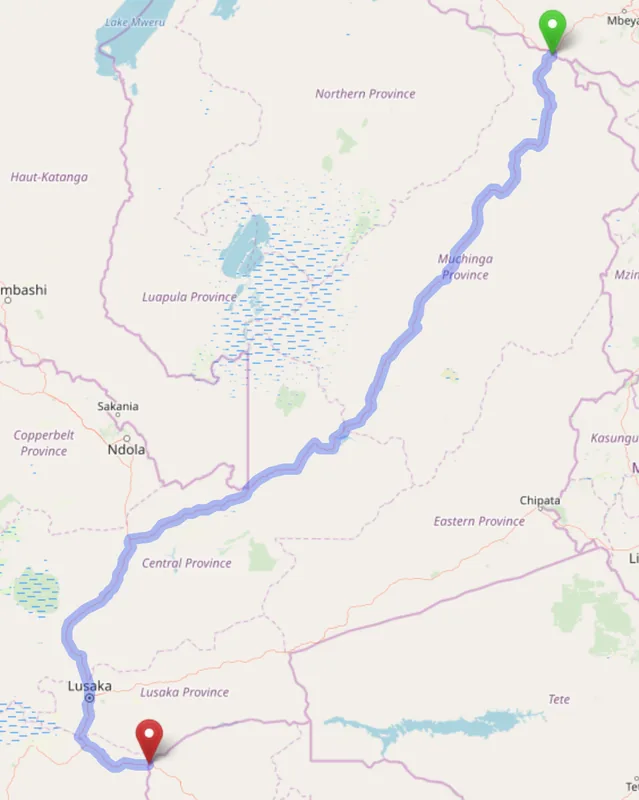
Route planner — Car & Motorhome
Where do you start? We build the route here, with stops and country notes along the way.
© OpenStreetMap contributors · OpenRouteService
Sights in the town Kabwe Region (2)
Sights nearby
Frequently asked questions
Is the Kabwe region a tourist hub?
Are there historical sights?
What is the best travel time?
Is the area family-friendly?
How do you get to Kabwe?
Kabwe Region: where is it located?
Kabwe Region: what is there to see?
Kabwe Region: when is the best time to visit?
Kabwe Region: why is it worth visiting?

Nearby cities
History & landmarks
Nature
More places