Plizio Visual Lab
Senanga
ℹ️Practical info — Senanga
▾
🌤 Weather — 5 days
📍 Nearby
Sights nearby
💡 Tips
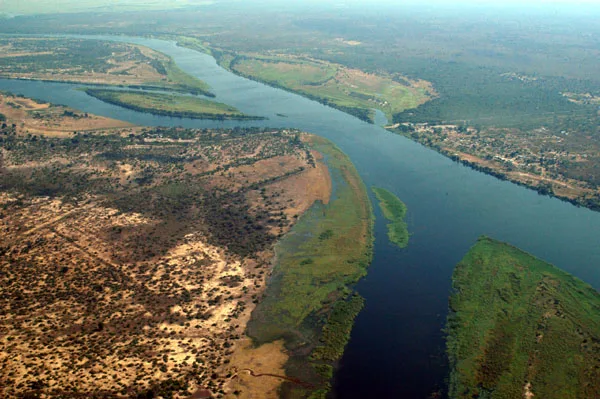
- Use the ferry or bridge to cross the Zambezi for spectacular views of the river and floodplains.
- Visit during the late dry season to see the vast landscape before the floods return.
- Senanga is a great base for angling enthusiasts looking to catch the famous Tiger fish.
- Observe the local Lozi traditions, which are very prominent in this part of Western Province.
- Head to the riverbank to watch fishermen in their traditional dugout canoes (makoros).
🍽 Food
A local delicacy from the Zambezi, known for its firm texture and strong flavour.
The most common local fish, typically served fried or stewed with tomatoes and onions.
Often served with pumpkin leaves or other leafy vegetables grown in the river silt.
🛍 Shopping · 🧘 Quiet spots
Excellent for finding Barotse-style woven baskets, known for their durability and patterns.
A good place to pick up fresh river fish and locally grown seasonal produce.
Away from the ferry terminals, find peaceful spots for birdwatching and spotting hippos.
Walking towards the outskirts has vast, quiet views of the surrounding wilderness.
Water temperature…
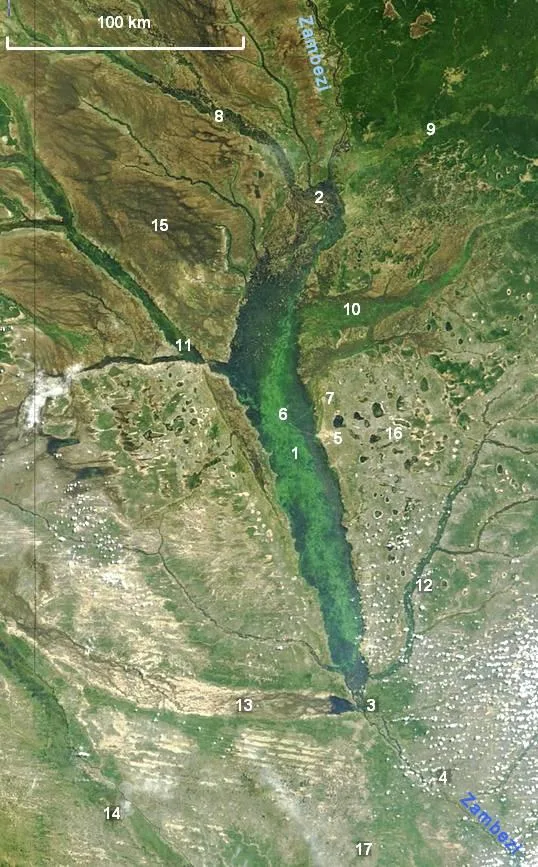
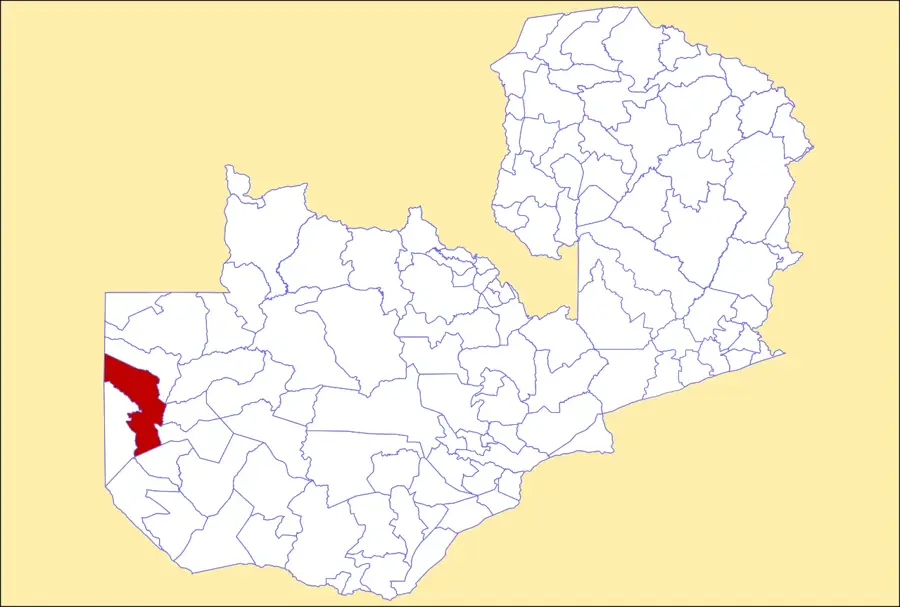
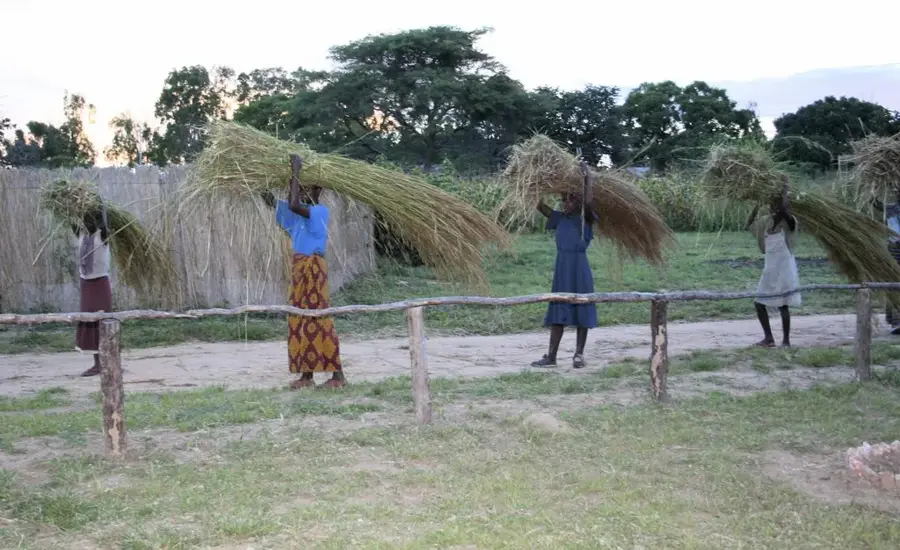
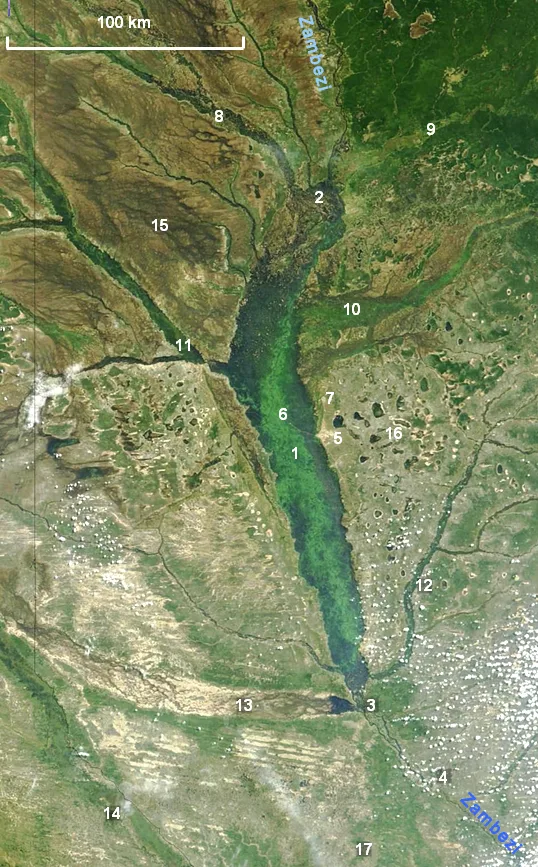
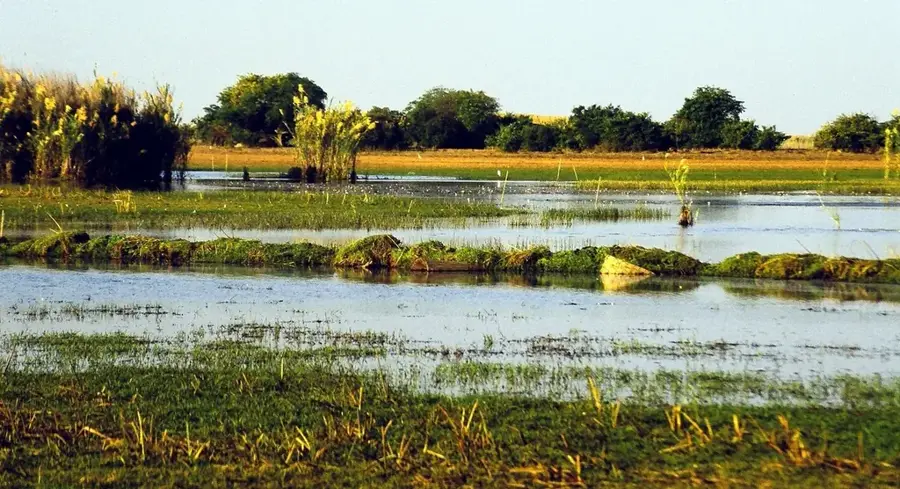
Senanga is a prominent town in the Western Province of Zambia, strategically located on the eastern bank of the Zambezi River. It serves as a major commercial and administrative hub for the Barotse Floodplain, one of Africa's most significant wetland ecosystems. Historically, the town is deeply integrated into the Barotse Kingdom, playing a role in the cultural life of the Lozi people and their seasonal migrations. The geography of the region is characterized by vast, flat grasslands that vanish under water during the rainy season, providing fertile ground for agriculture. The local economy thrives on cattle ranching, fishing, and rice cultivation, which are the primary sources of livelihood for the residents. The completion of the Senanga Bridge has greatly enhanced transport links across the Zambezi, facilitating trade and movement within the province. Senanga's identity is defined by its rich cultural heritage, including traditional crafts and ceremonies that draw visitors from across the country.
- Location: Zambia
- Population: ~20.878 (2024)
Best time to visit & climate
The most pleasant time to visit is Apr, May, Aug.
| Jan | Feb | Mar | Apr | May | Jun | Jul | Aug | Sep | Oct | Nov | Dec | |
|---|---|---|---|---|---|---|---|---|---|---|---|---|
| Avg °C | 24 | 24 | 23 | 22 | 20 | 18 | 18 | 21 | 25 | 28 | 27 | 25 |
| Rain mm | 218 | 159 | 132 | 34 | 2 | 1 | 0 | 0 | 2 | 14 | 104 | 204 |
Geography
Facts
- Located on the Zambezi River near the Barotse Floodplain
- A key gateway to the Sioma Ngwezi National Park
- Famous for large-scale rice cultivation in the district
- The town sits at an elevation of roughly 1,030 meters
- Features a strategically important bridge across the Zambezi
- Central hub for traditional Lozi cattle ranching
Explore nearby
Notable places around
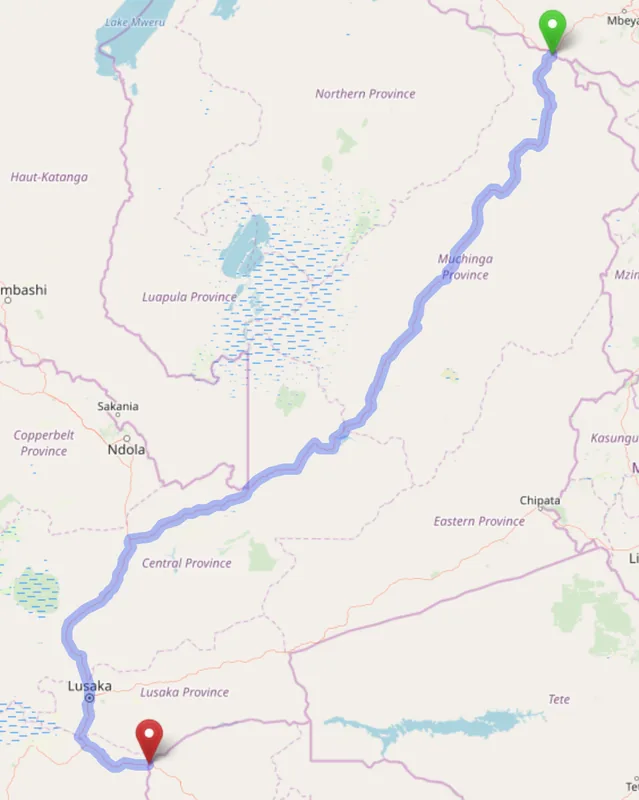
Route planner — Car & Motorhome
Where do you start? We build the route here, with stops and country notes along the way.
© OpenStreetMap contributors · OpenRouteService
Frequently asked questions
How long for Senanga?
When to visit?
How to get there?
Local dishes?
Is Senanga family-friendly?
Senanga: where is it located?
Senanga: when is the best time to visit?
Senanga: why is it worth visiting?

Nearby cities
History & landmarks
Nature
More places