Plizio Visual Lab
Mongu
ℹ️Practical info — Mongu
▾
🌤 Weather — 5 days
📍 Nearby
Sights nearby
💡 Tips
- Be cautious when driving; Mongu is built on sandy terrain, and side roads often have deep sand.
- Buy cashew nuts locally, as Mongu is the heart of Zambia's cashew production.
- If visiting for the Kuomboka ceremony, ensure you book accommodation many months in advance.
- Watch the sunset over the Barotse Floodplain for one of the most iconic views in Zambia.
- Respect the local Lozi culture and the traditions surrounding the Litunga (King).
🍽 Food
The best in the country, available roasted or raw at almost every street corner.
A strong-flavored fish from the Zambezi, often served grilled in waterfront eateries.
Highly prized fish caught fresh from the waters of the Barotse Floodplain.
🛍 Shopping · 🧘 Quiet spots
Famous for intricately woven Lozi baskets and fresh cashew nuts.
A great place to buy fresh fish and local agricultural products directly from the boats.
A walk along the edge of the plateau features vast, tranquil views over the plains.
Away from the main harbour, you can find peaceful spots along the mighty river.
Water temperature…
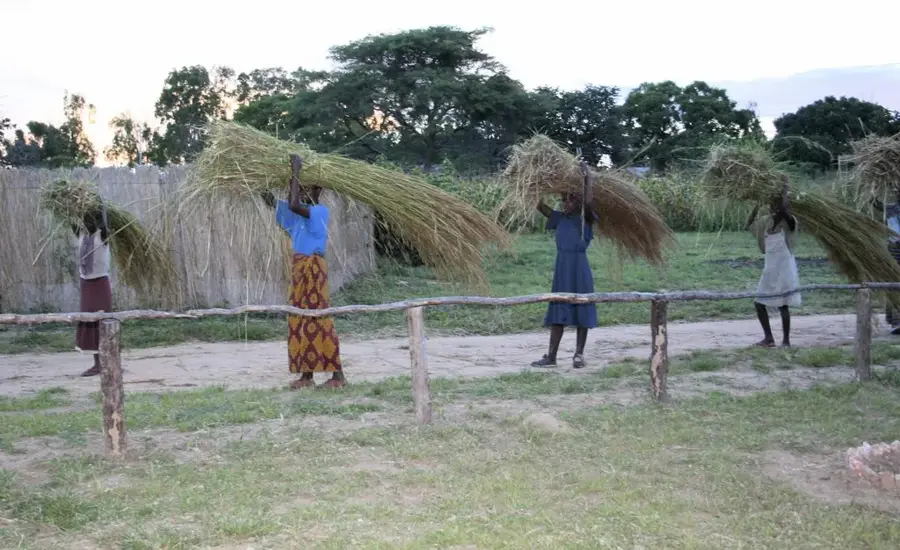
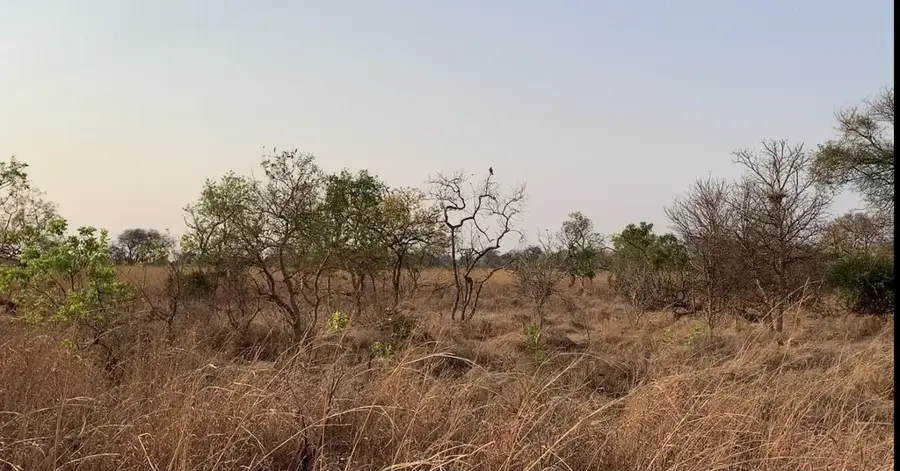
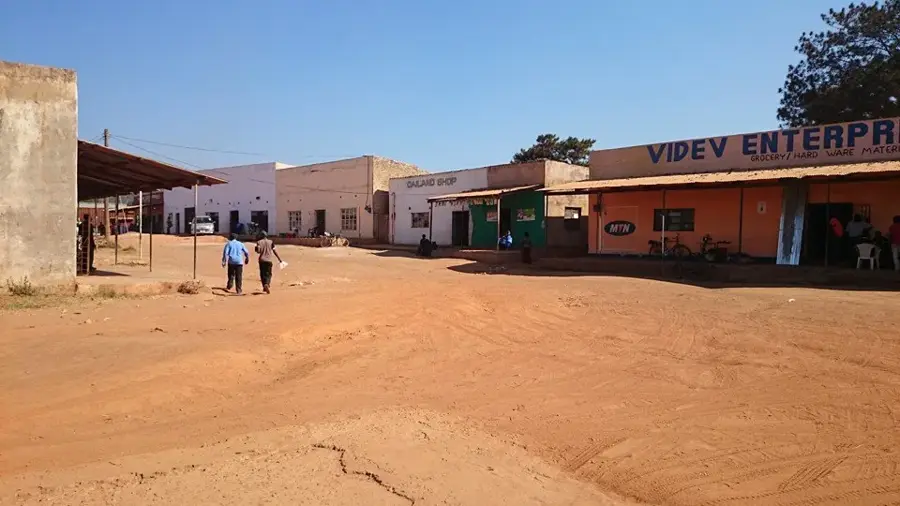
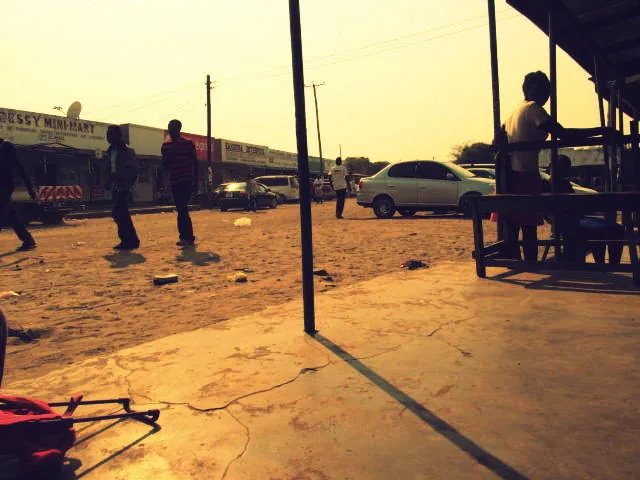
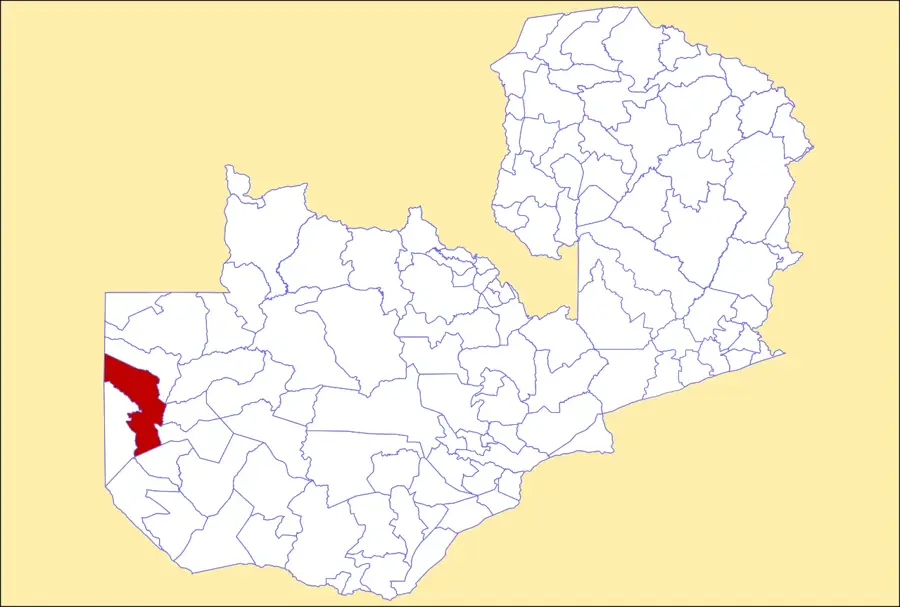
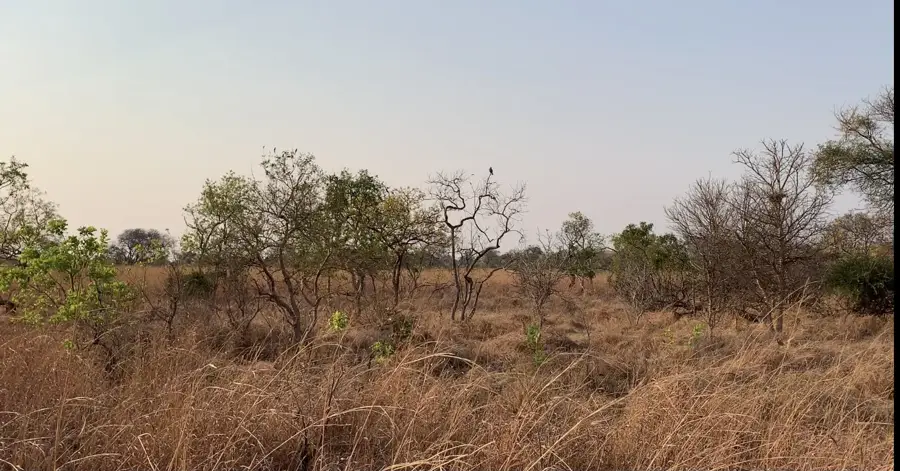
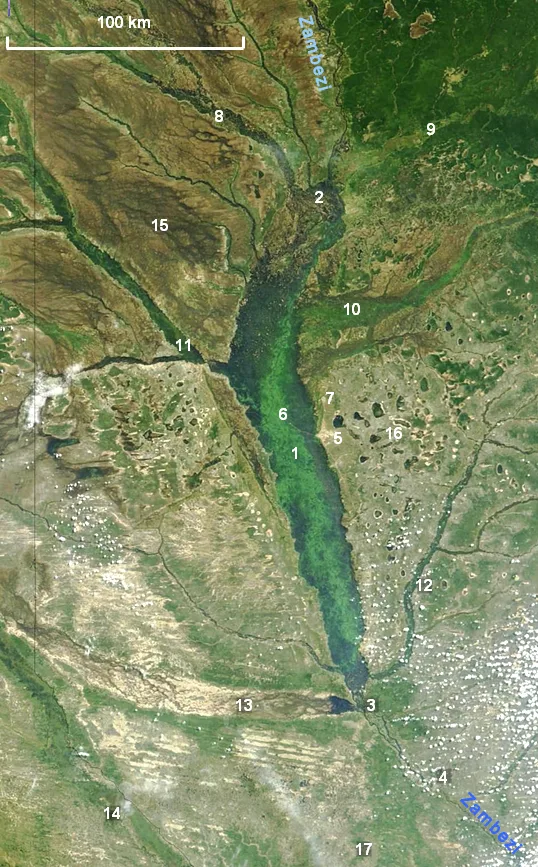
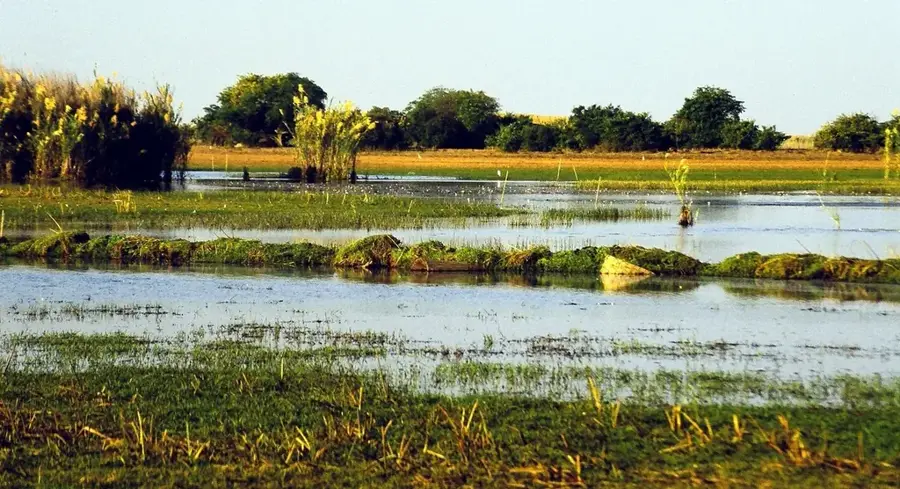
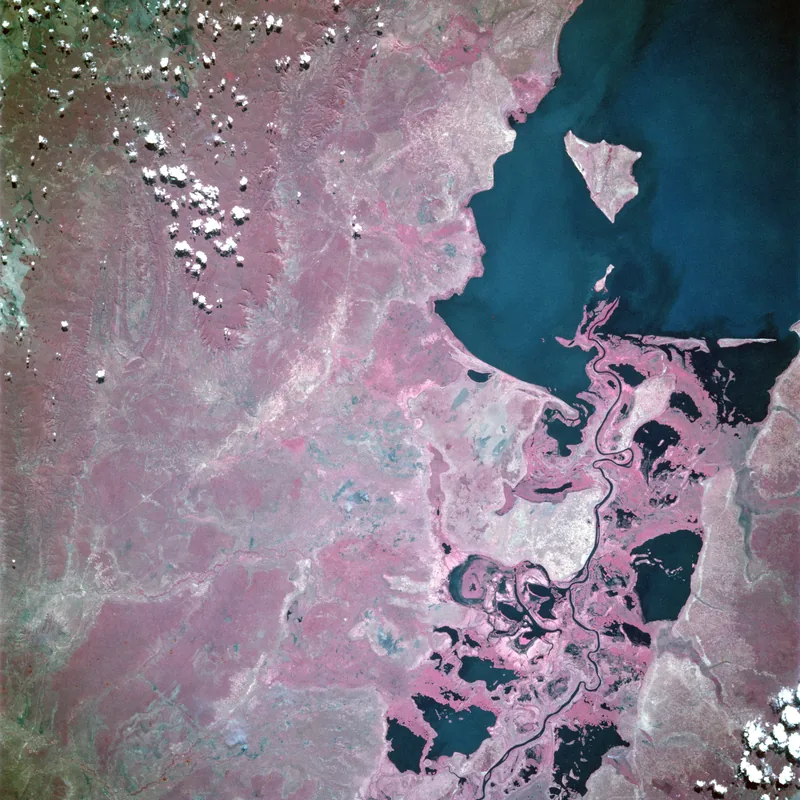
Mongu is the capital of Zambia's Western Province and serves as the cultural heartland of the Lozi people. The city is perched on a sandy ridge overlooking the vast Barotse Floodplain of the Zambezi River, one of Africa's largest and most important wetland systems. Mongu is globally renowned for the annual Kuomboka ceremony, a majestic pageant where the Litunga, the Lozi King, moves from his summer home in the flooded plains to his winter residence on higher ground. Historically, the region was known as Barotseland and maintains a strong sense of traditional governance and identity. The city's landscape features a blend of traditional Lozi architecture and colonial-era administrative buildings. The local economy is sustained by floodplain fishing, cattle rearing, and the production of rice and cashew nuts, for which the district is famous. Geographically, the town features striking vistas of the surrounding floodplains, especially during the peak of the rainy season. Mongu is linked to the rest of Zambia by a remarkable causeway road that traverses the floodplain. It also stands as a key educational and healthcare hub for the western region.
- Location: Zambia
- Nearby: Kaoma (69 km)
Best time to visit & climate
The most pleasant time to visit is Apr, May, Aug.
| Jan | Feb | Mar | Apr | May | Jun | Jul | Aug | Sep | Oct | Nov | Dec | |
|---|---|---|---|---|---|---|---|---|---|---|---|---|
| Avg °C | 23 | 23 | 23 | 22 | 20 | 18 | 18 | 21 | 25 | 28 | 27 | 24 |
| Rain mm | 215 | 173 | 137 | 29 | 2 | 1 | 0 | 0 | 2 | 16 | 96 | 230 |
Geography
Facts
- Provincial capital of Western Zambia.
- Traditional seat of the Lozi people.
- Home to the famous Kuomboka festival.
- Leading center for cashew nut production.
- Overlooks the vast Barotse Floodplain.
- Renowned for its high-quality rice cultivation.
Explore nearby
Notable places around
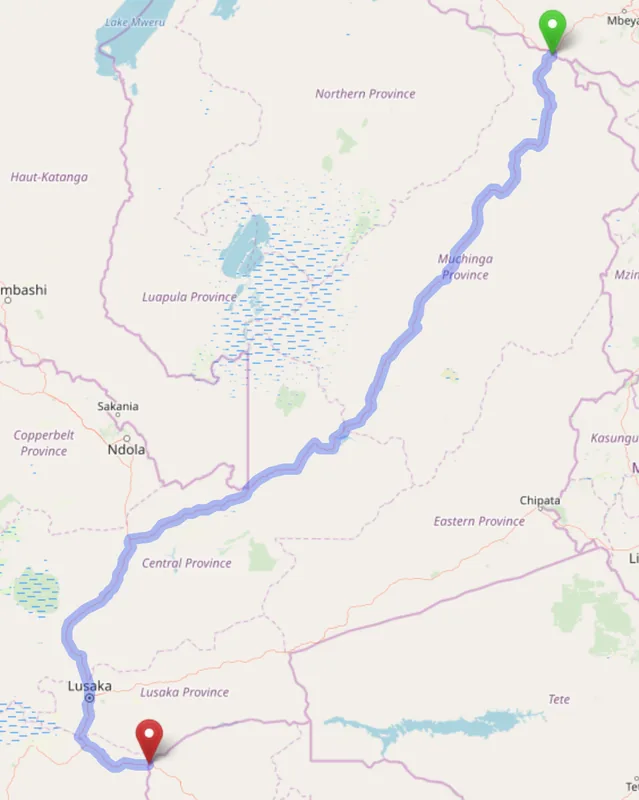
Route planner — Car & Motorhome
Where do you start? We build the route here, with stops and country notes along the way.
© OpenStreetMap contributors · OpenRouteService
Frequently asked questions
What makes Mongu special?
What are the highlights?
Is there nature there?
When to visit?
How to get there?
Mongu: where is it located?
Mongu: when is the best time to visit?
Mongu: why is it worth visiting?

Nearby cities
History & landmarks
Nature
More places