Plizio Visual Lab
Jibla
ℹ️Practical info — Jibla
▾
🌤 Weather — 5 days
📍 Nearby
Sights nearby
💡 Tips
- Jibla sits at a high altitude; expect cooler temperatures, especially in the evening, despite being in Yemen.
- Modest clothing is strictly required; women should consider wearing an abaya and headscarf to respect local customs.
- The town's steep, cobblestone alleyways require very comfortable walking shoes with good grip.
- When photographing the historic houses and mosques, always ask for permission before pointing your camera at local residents.
🍽 Food
The traditional Yemeni stew made with meat broth and fenugreek froth is a must-try, often served bubbling hot.
Freshly baked in a tandoor-style oven, this bread is first-rate for scooping up local stews.
Try the traditional coffee spiced with ginger and cardamom, often enjoyed in small local teahouses.
🛍 Shopping · 🧘 Quiet spots
Look for antique silver pieces with intricate designs, historically a significant local craft.
The local markets sell excellent spices and the dried coffee husks used to make a popular tea-like drink.
The courtyard of this historic 11th-century mosque is peaceful and features an excellent spot for quiet reflection.
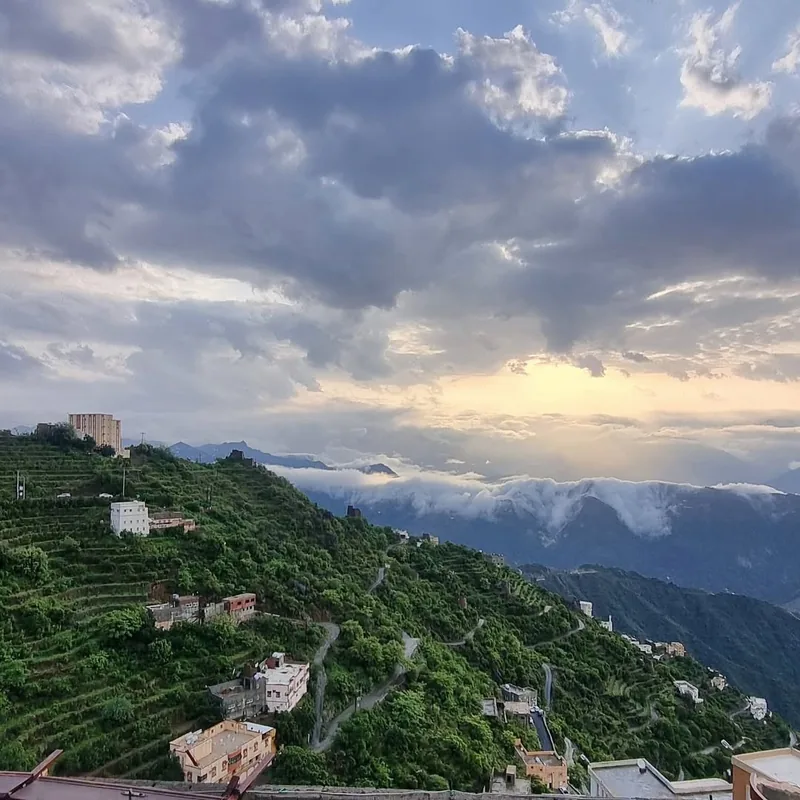
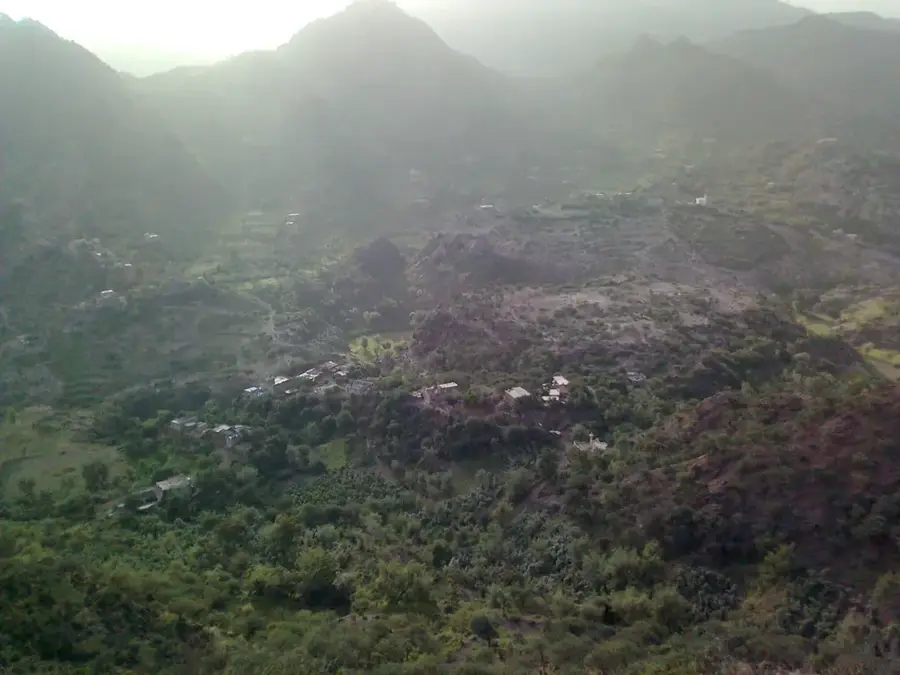
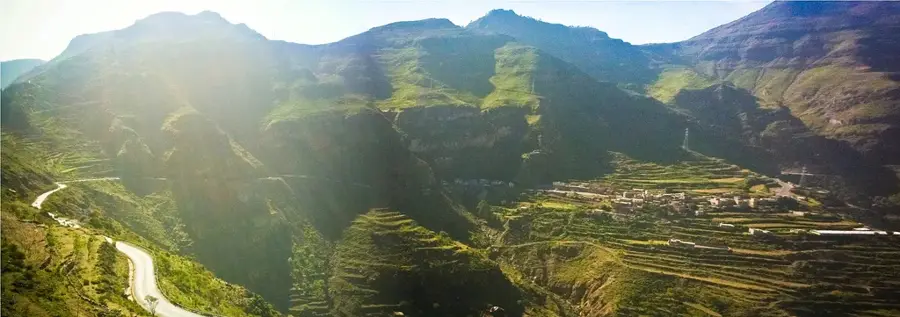
Take a walk to the edges of the town to overlook the lush, terraced agricultural fields cascading down the mountains.
Water temperature…
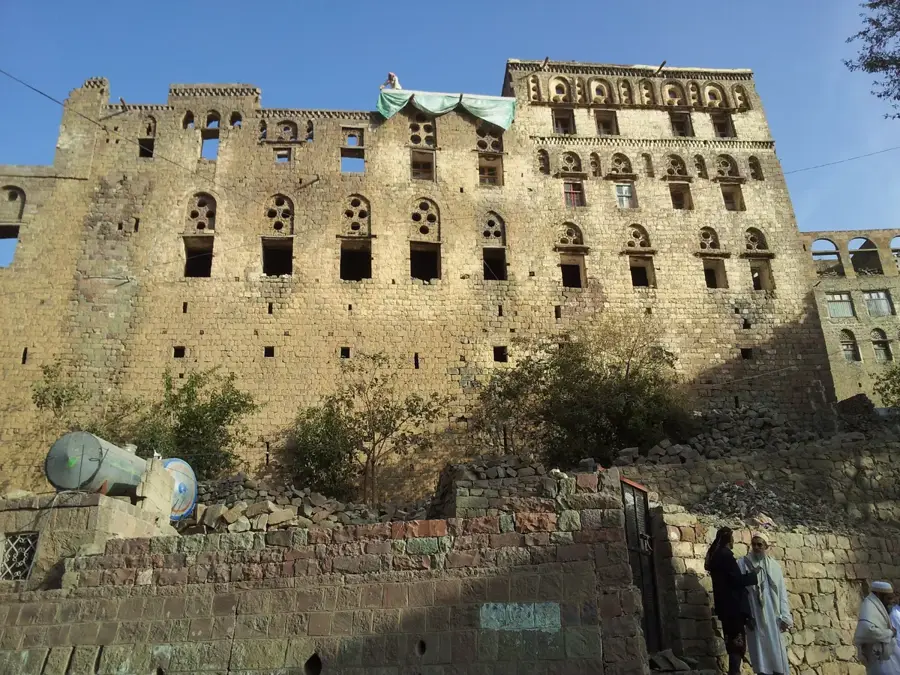
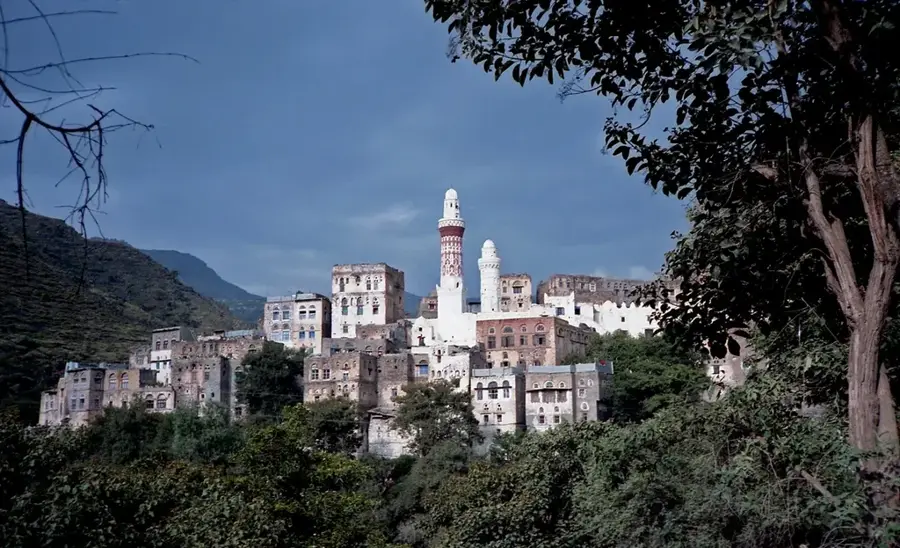
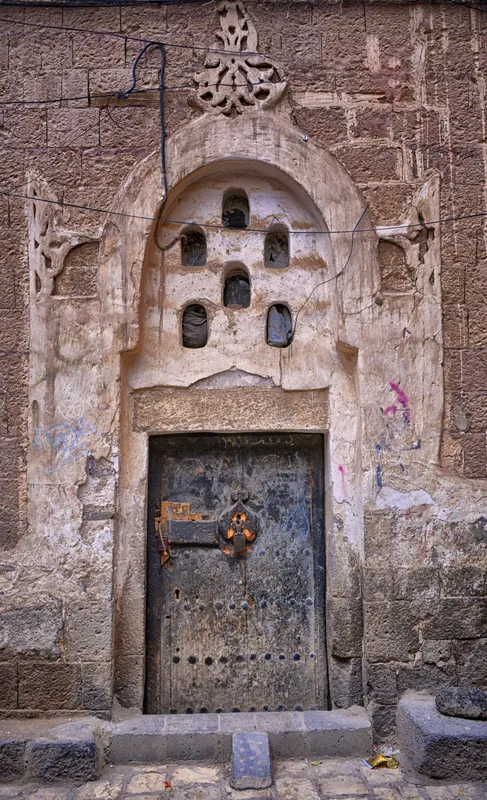
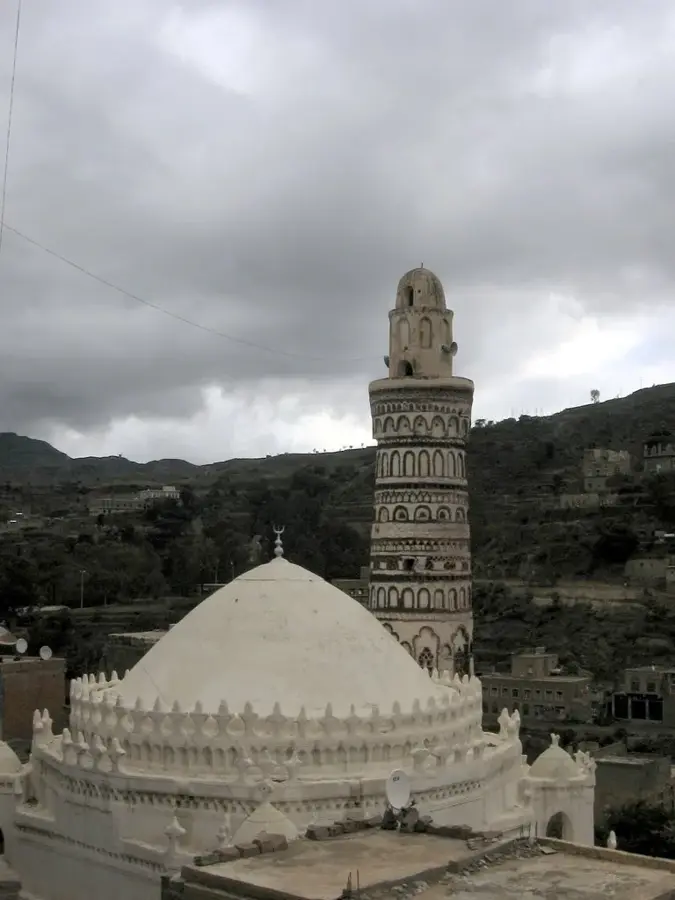
Jibla lies about eight kilometres south-west of Ibb on a mountain ridge at 2,200 metres elevation and was, in the 11th and 12th centuries, the capital of the Sulayhid kingdom under the famous queen Arwa bint Ahmad, who reigned from 1067 until 1138 with remarkable political acumen and is still remembered in Yemeni folk memory as "the little Bilqis". Queen Arwa built a magnificent palace at Jibla and the still-standing Queen Arwa Mosque, a square structure with two minarets, in whose mausoleum she herself was finally buried. The oldest facades of the old town date from this period, with their narrow paved alleys, small inner courtyards and finely carved stonework. The town was also a centre of the Ismaili mission in Yemen and preserves traditional crafts such as goldsmithing, leatherwork and pottery. The surrounding countryside grows coffee, qat, grapes and walnuts, while Jibla's markets are among the liveliest of the mountain region.
- Location: Yemen
- Nearby: Sumara Pass (26 km)
Best time to visit & climate
The most pleasant time to visit is Jan, Feb, Dec.
| Jan | Feb | Mar | Apr | May | Jun | Jul | Aug | Sep | Oct | Nov | Dec | |
|---|---|---|---|---|---|---|---|---|---|---|---|---|
| Avg °C | 23 | 24 | 27 | 28 | 29 | 30 | 29 | 28 | 28 | 26 | 24 | 23 |
| Rain mm | 5 | 3 | 8 | 36 | 35 | 37 | 55 | 75 | 75 | 31 | 5 | 13 |
Geography
Facts
- Jibla served as the capital of the Sulayhid State from 1064 to 1138.
- Queen Arwa al-Sulayhi ruled Yemen from Jibla for 52 consecutive years.
- The city is situated at an elevation of approximately 2,200 meters.
- The Queen Arwa Mosque was commissioned and built in 1088 CE.
- The city features a stone aqueduct that has operated for over 900 years.
- Jibla has been on the UNESCO World Heritage tentative list since 2002.
Explore nearby
Notable places around

Route planner — Car & Motorhome
Where do you start? We build the route here, with stops and country notes along the way.
© OpenStreetMap contributors · OpenRouteService
Frequently asked questions
How much time to plan for Jibla?
When is the best time to visit Jibla?
How to reach Jibla?
What is special about Jibla?
Are there guided tours?
Jibla: where is it located?
Jibla: when is the best time to visit?
Jibla: why is it worth visiting?

Nearby cities




History & landmarks

More places