Plizio Visual Lab
Olbia
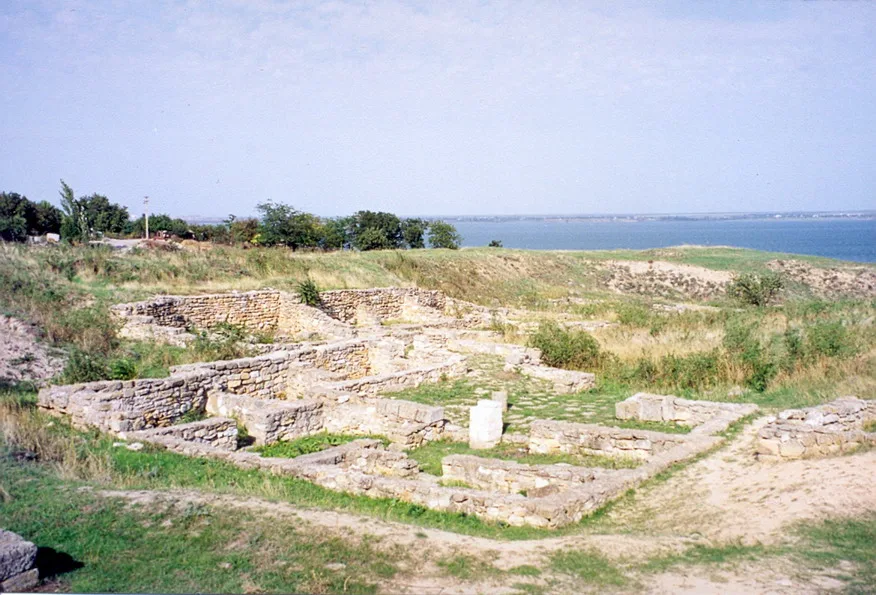
Olbia, situated on the right bank of the Bug Estuary, was one of the most significant ancient Greek colonies on the Black Sea coast. Founded in the 7th century BC by settlers from Miletus, the city quickly evolved into a flourishing trade hub for grain, fish, and slaves between the Greek world and the Scythian tribes. During its peak in the 5th and 4th centuries BC, Olbia was a major cultural center, even visited by the historian Herodotus, who described it in his writings. The city featured an agora, a theater, gymnasiums, and grand temples dedicated to Apollo and Zeus. Following destruction by the Getae and later the Goths in the 3rd century AD, the city's influence waned, and it was eventually abandoned. Today, the site is a national archaeological reserve where visitors can walk through the excavated foundations of the upper and lower city and view numerous artifacts in the local museum. Olbia remains a key site for understanding the intersection of Greek and indigenous cultures in ancient Eastern Europe.
- Location: Ukraine
- Nearby: Bohoyavlensk (20 km)
- Population: ~1.996 (2022)
Best time to visit & climate
The most pleasant time to visit is Jun, Aug, Sep.
| Jan | Feb | Mar | Apr | May | Jun | Jul | Aug | Sep | Oct | Nov | Dec | |
|---|---|---|---|---|---|---|---|---|---|---|---|---|
| Avg °C | 0 | 1 | 5 | 10 | 17 | 22 | 25 | 25 | 19 | 13 | 7 | 3 |
| Rain mm | 44 | 36 | 34 | 28 | 43 | 48 | 40 | 25 | 35 | 40 | 36 | 36 |
📋 Practical info
Geography
Facts
- The name Olbia translates from Greek as 'the Happy' or 'the Rich'.
- The city endured for over a millennium, from 647 BC until the 4th century AD.
- Unique dolphin-shaped bronze coins were minted and used as currency in Olbia.
- A portion of the ancient lower city is now submerged beneath the estuary's waters.
- Herodotus, the 'Father of History,' visited and wrote about Olbia in the 5th century BC.
- The archaeological reserve covers a total area of about 270 hectares.
Explore nearby
Notable places around

Route planner — Car & Motorhome
Where do you start? We build the route here, with stops and country notes along the way.
© OpenStreetMap contributors · OpenRouteService
Sights in the town Olbia (1)
Sights nearby
Frequently asked questions
What was Olbia in antiquity?
Where is the excavation site located?
What can be seen in the archaeological reserve?
Is there an on-site museum?
Is the site wheelchair accessible?
Olbia: where is it located?
Olbia: when is the best time to visit?
Olbia: why is it worth visiting?

Nearby cities
History & landmarks