Plizio Visual Lab

Black Sea Lowland
Plizio editorial teamData Sources
valley
—°2
Black Sea Lowland (Ukraine)

Weather…

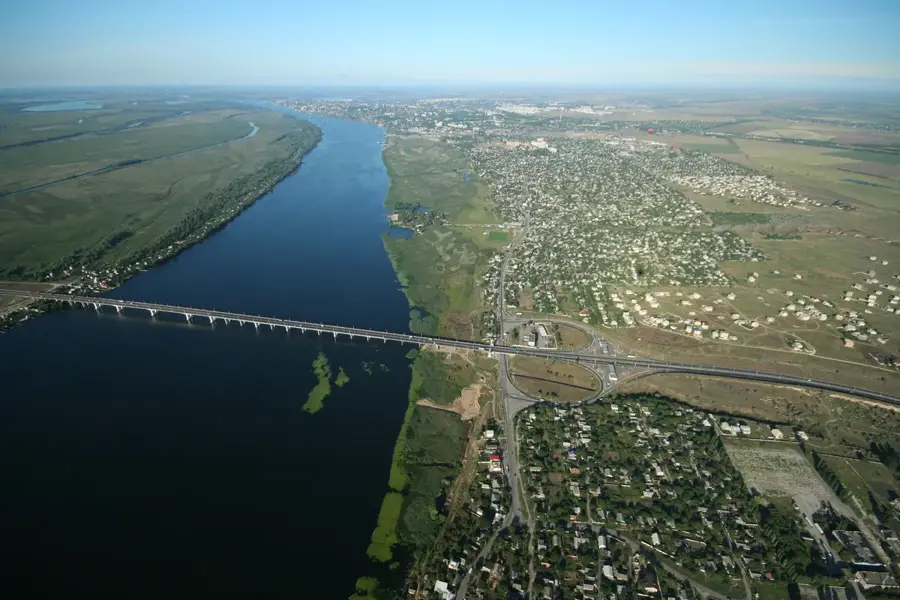
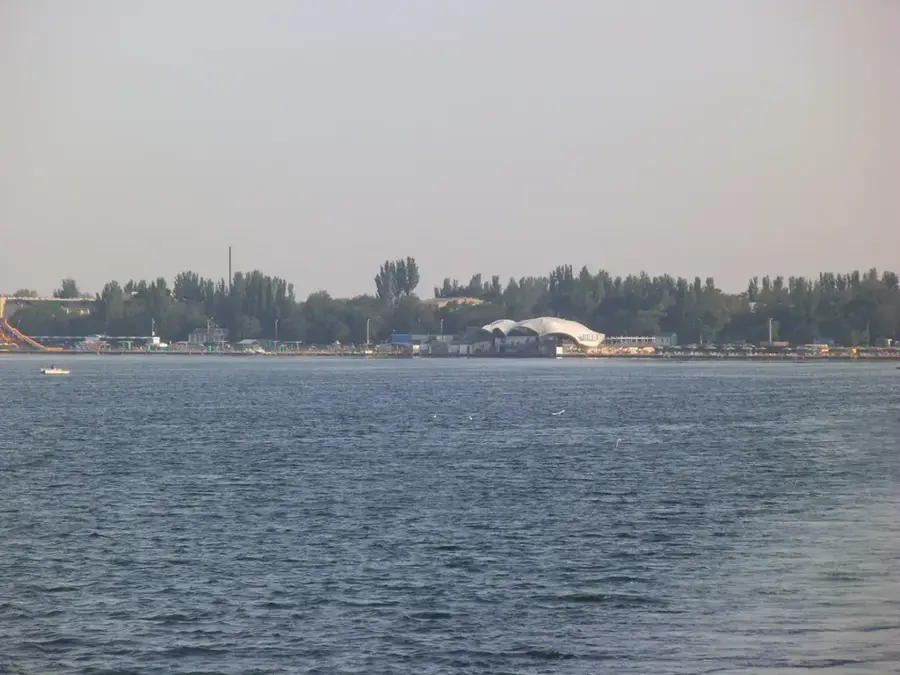
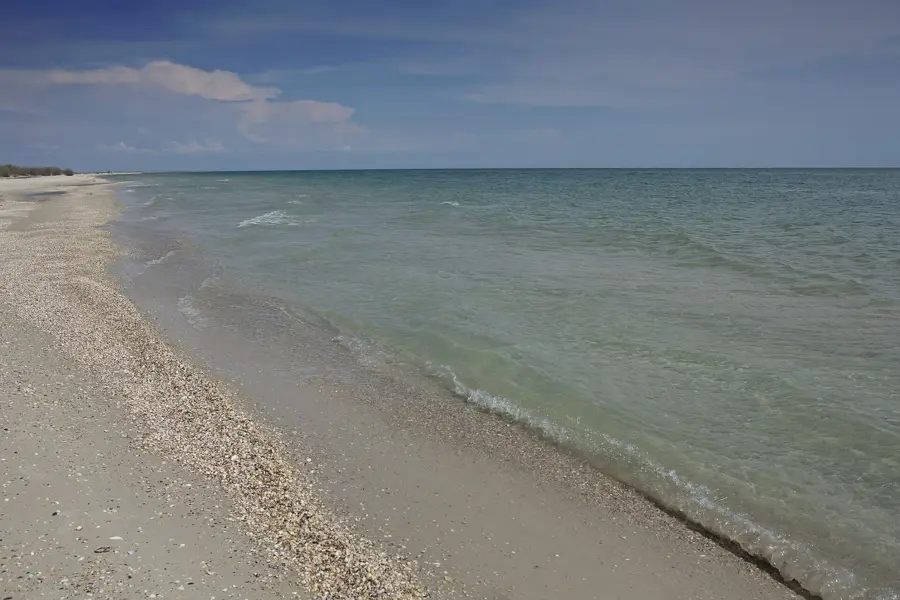
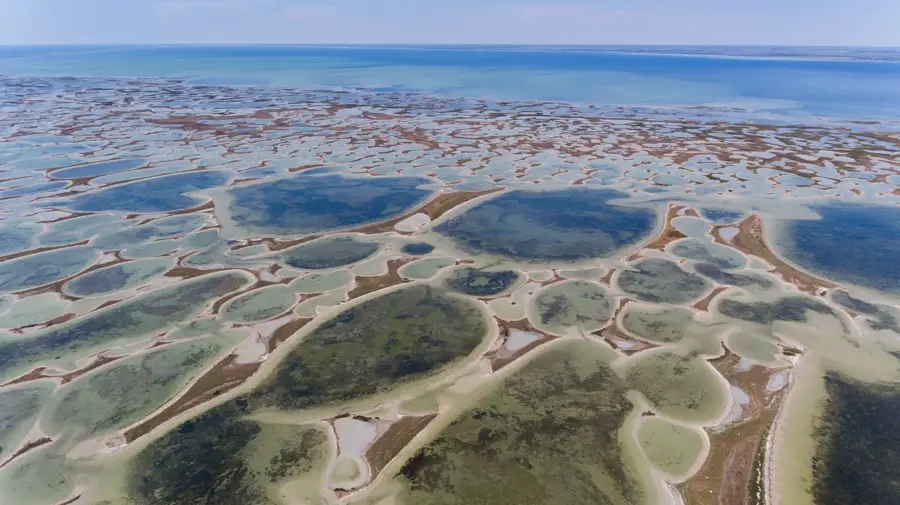
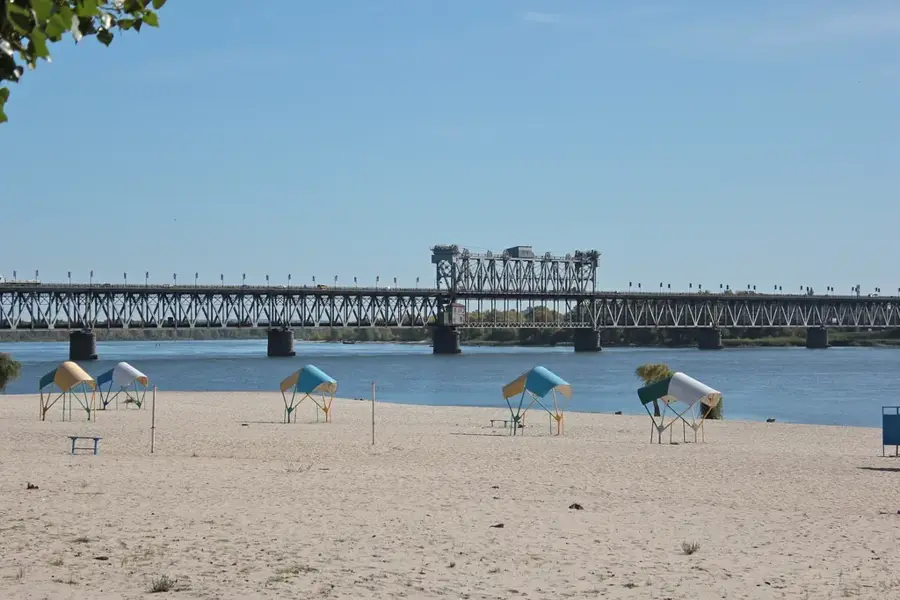
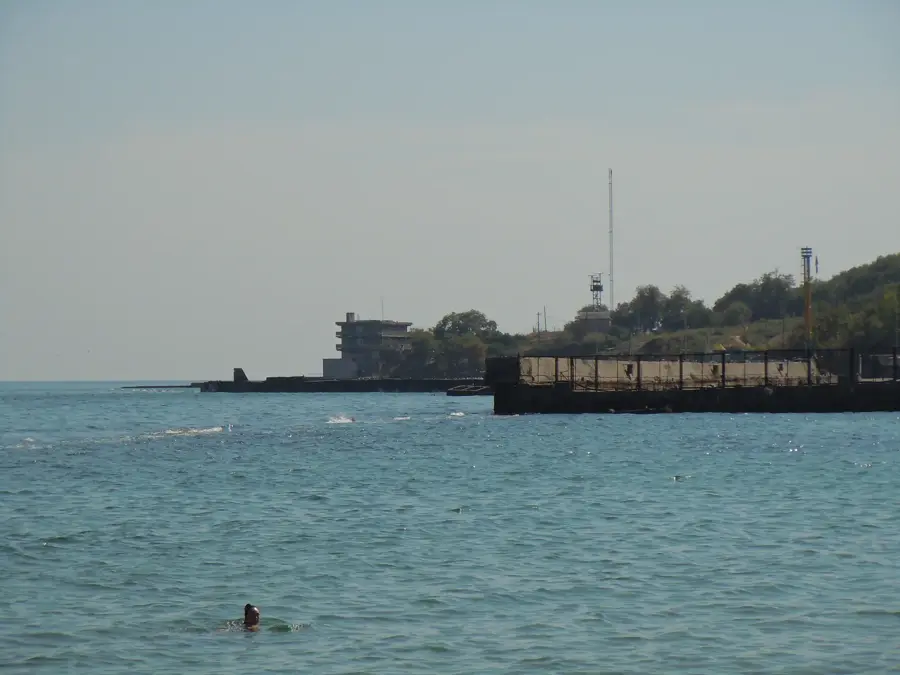
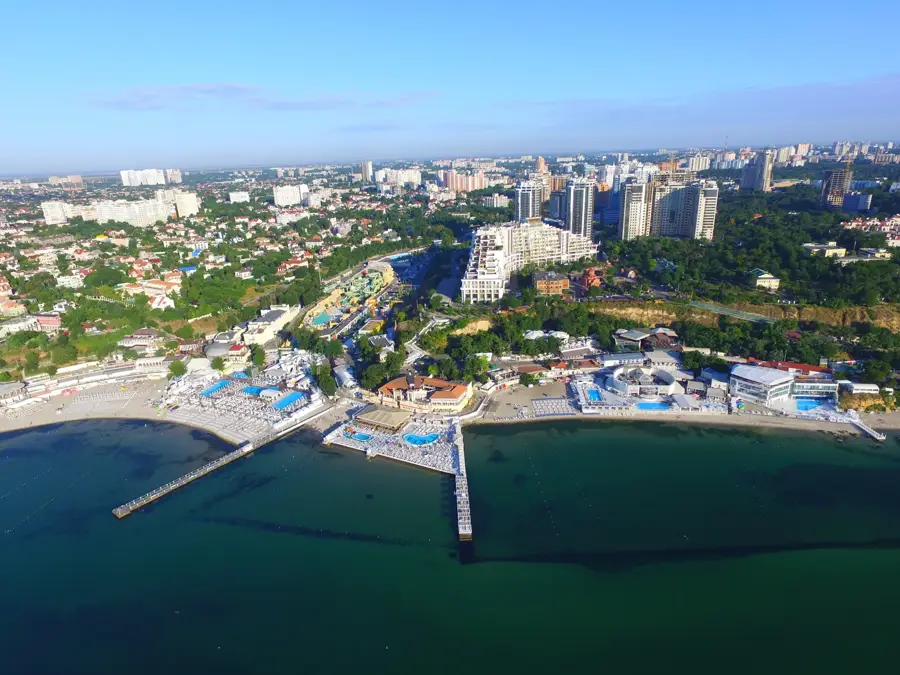
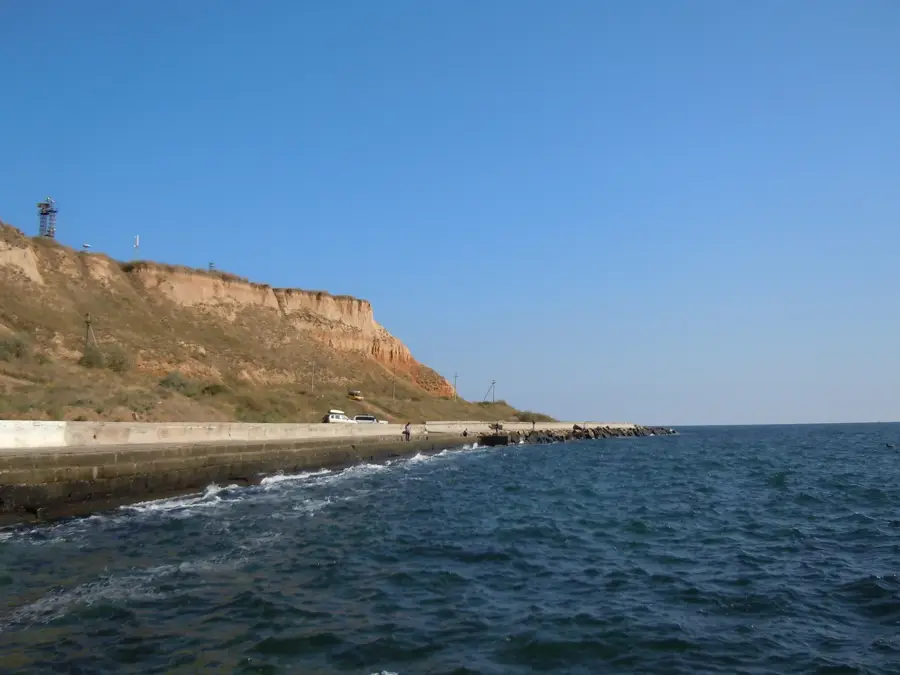
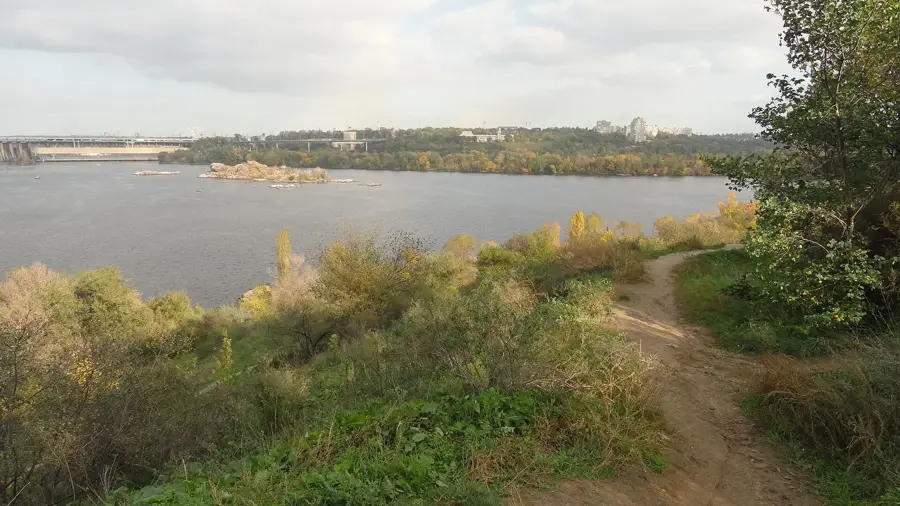
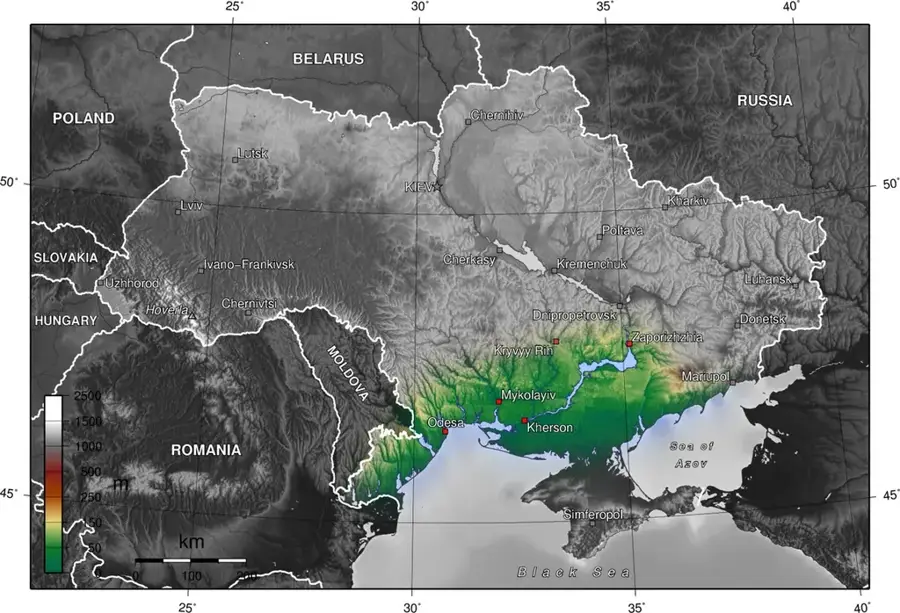
The Black Sea Lowland is an extensive coastal plain in southern Ukraine, bordering the Black Sea and the Sea of Azov. Geomorphologically, it is a young tectonic depression filled with thick layers of marine and continental sedimentary rocks, topped by a significant layer of loess. The topography is exceptionally flat, gently sloping southward toward the sea, with elevations generally staying below 100 meters. A defining feature of its coastline is the abundance of limans, estuaries and coastal lagoons formed by the flooding of river mouths such as those of the Dniester, Southern Bug, and Dnieper. The region experiences a dry continental climate with hot summers and limited rainfall, which naturally favored the development of steppe ecosystems. Today, the lowland is almost entirely cultivated, serving as a vital agricultural hub for wheat, sunflowers, and viticulture, supported by extensive irrigation networks. Historically, these lands were part of the 'Wild Fields,' a vast territory inhabited by various nomadic tribes and later by the Zaporozhian Cossacks.

Best time to visit & climate

The most pleasant time to visit is May, Jun, Sep.

JanFebMarAprMayJunJulAugSepOctNovDec
Avg °C-2051118232625191151
Rain mm393331284348382532383433

📋 Practical info

🧭
Getting there
The Black Sea Lowland is easily accessed through major hubs like Odesa, Mykolaiv, or Kherson, from which main highways lead into the flat steppe region. A well-developed network of regional roads provides access to the many limans and coastal lagoons along the shore.
📅
Best season
The best time to visit is late spring or early autumn, when the heat in the open lowlands is moderate and migratory birds can be observed along the coasts. Summer is first-rate for visiting the beaches by the limans, though it can be characterized by high temperatures and intense sun.
⛰️
Terrain & paths
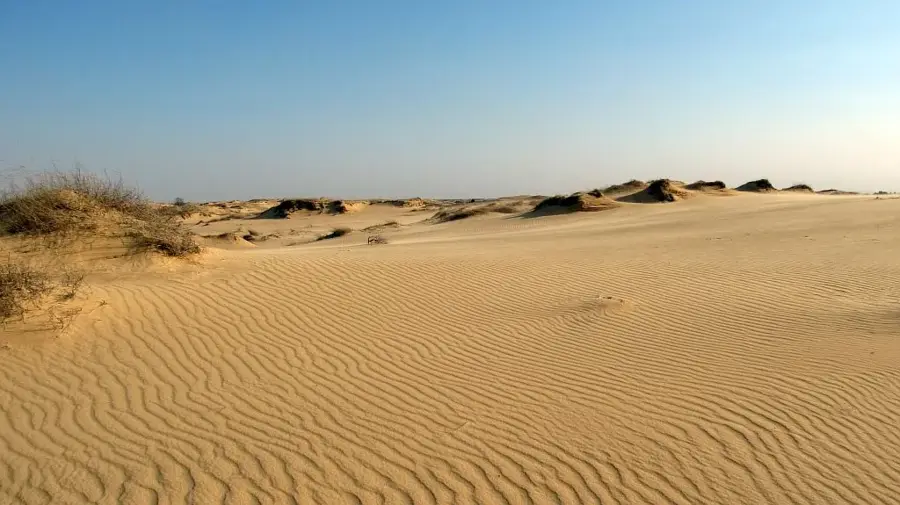
The terrain is largely flat, defined by vast steppe areas and numerous lagoons or estuaries that gently slope toward the sea. Soil conditions vary from the fertile chernozem of the plains to sandy stretches in the immediate vicinity of the coastal waters and limans.
🎒
What to bring
Light clothing, effective sun protection, and plenty of drinking water are essential due to the open landscape and strong solar radiation. If you are visiting the limans for birdwatching, binoculars and possibly insect repellent for the evening hours are very useful additions to your gear.
🅿️
Parking
Designated parking lots are available in towns and larger seaside resorts along the coast; in rural steppe areas, visitors usually park on the shoulders of paved roads. Be careful not to maneuver your vehicle onto soft ground or into protected coastal sections to avoid damaging the environment.
⚠️
Safety
Avoid prolonged stays in direct sun during the midday heat and ensure adequate hydration while spending time in the open landscape. As the region is very extensive, always ensure you have sufficient fuel and reliable navigation aids when exploring the more remote parts of the lowland.
⏱️
Time needed
Due to the region's vast size, the duration of a visit varies from short stops at viewpoints to multi-day exploration trips along the Black Sea coast. Many visitors dedicate about 3 to 5 hours per visit to individual limans or specific nature reserves located within the lowland area.

Geography

Coordinates
46.50000, 33.00000

Facts

  • Elevation is predominantly below 100 meters above sea level.
  • Surface is covered by thick Quaternary loess deposits.
  • Home to the world-famous Askania-Nova Biosphere Reserve.
  • Features a unique coastline with many limans (coastal lagoons).
  • Primary agricultural region for large-scale grain production.
  • Historically recognized as part of the 'Wild Fields' territory.

Explore nearby

Notable places around
Route planner — Car & Motorhome

Where do you start? We build the route here, with stops and country notes along the way.

Vehicle
Only stops with (optional):

© OpenStreetMap contributors · OpenRouteService

Sights in the town Black Sea Lowland (2)

Oleshky Raion📍 landmark

Oleshky Raion is an administrative district in the Ukrainian Black Sea Lowland, featuring steppe landscape and agricultural fields.

Velyki Kopani📍 landmark

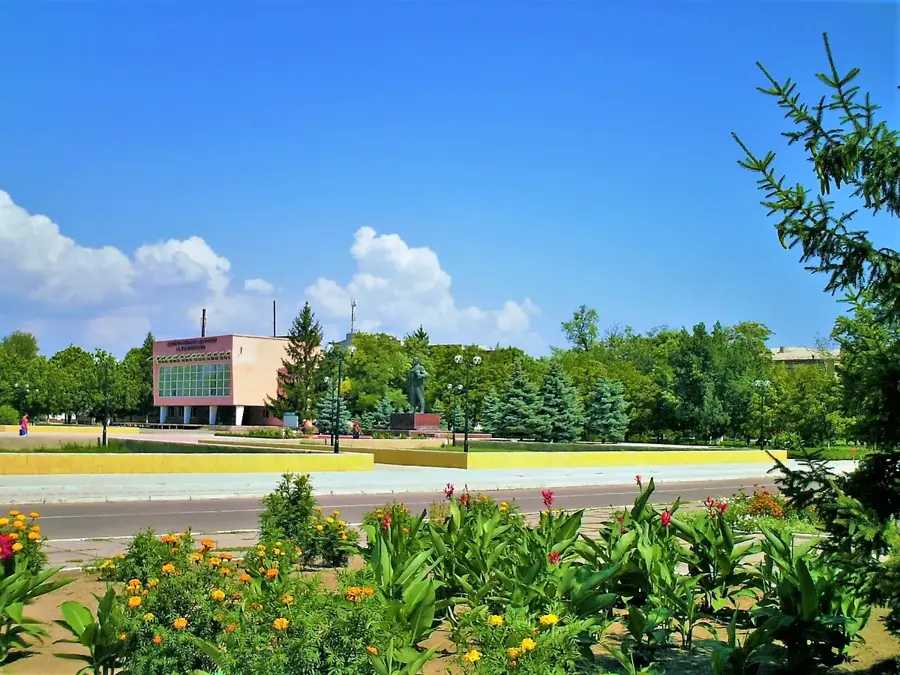
Velyki Kopani is a settlement in the Black Sea Lowland, surrounded by fields and typical steppe vegetation.

Sights nearby

Frequently asked questions

Where is the Black Sea Lowland located?
In southern Ukraine along the Black and Azov Seas.
What is the terrain like?
It is a flat plain slightly inclined towards the south.
What is the typical vegetation?
Predominantly steppe, now mostly converted into farmland.
Are there salt lakes there?
Yes, along the coast there are many limans and saltwater lakes.
Which ports are located in this region?
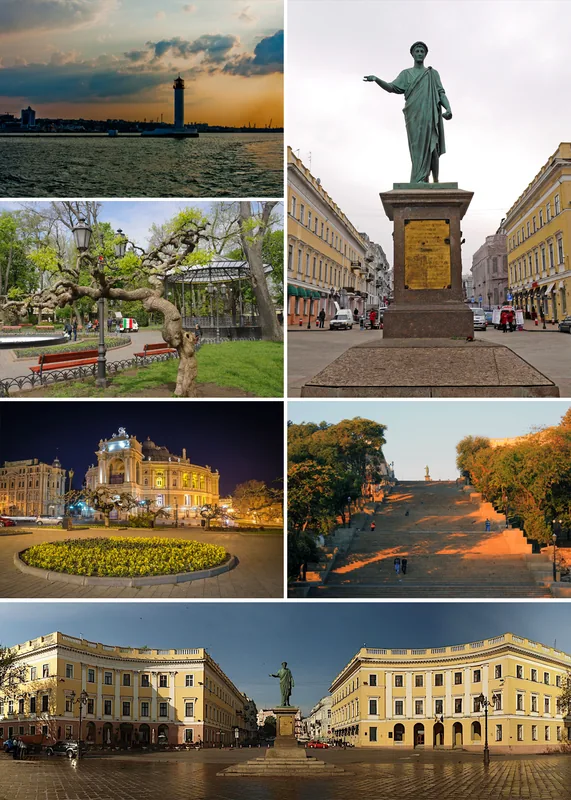
Important port cities include Odesa, Mykolaiv, and Kherson.
Black Sea Lowland: where is it located?
Black Sea Lowland is located in Ukraine.
Black Sea Lowland: what is there to see?
Highlights include Oleshky Raion, Velyki Kopani.
Black Sea Lowland: when is the best time to visit?
The most pleasant time to visit is May, Jun, Sep.
Black Sea Lowland: why is it worth visiting?

The Black Sea Lowland is an extensive coastal plain in southern Ukraine, bordering the Black Sea and the Sea of Azov.
View on map → The Top 50 Attractions → OpenStreetMap →
Europe
Explore with Plizio Discover more places in Europe
More places in Ukraine →

Nearby cities

History & landmarks