Plizio Visual Lab

North Tunisian Highlands
Plizio editorial teamData Sources
Mountain
—°1
North Tunisian Highlands (Tunisia)

Weather…

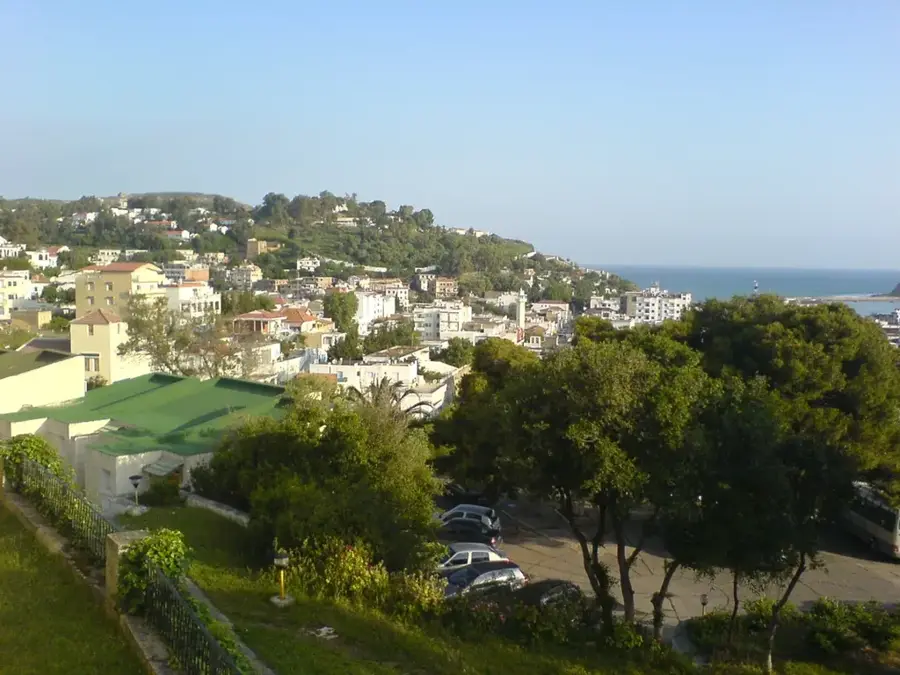
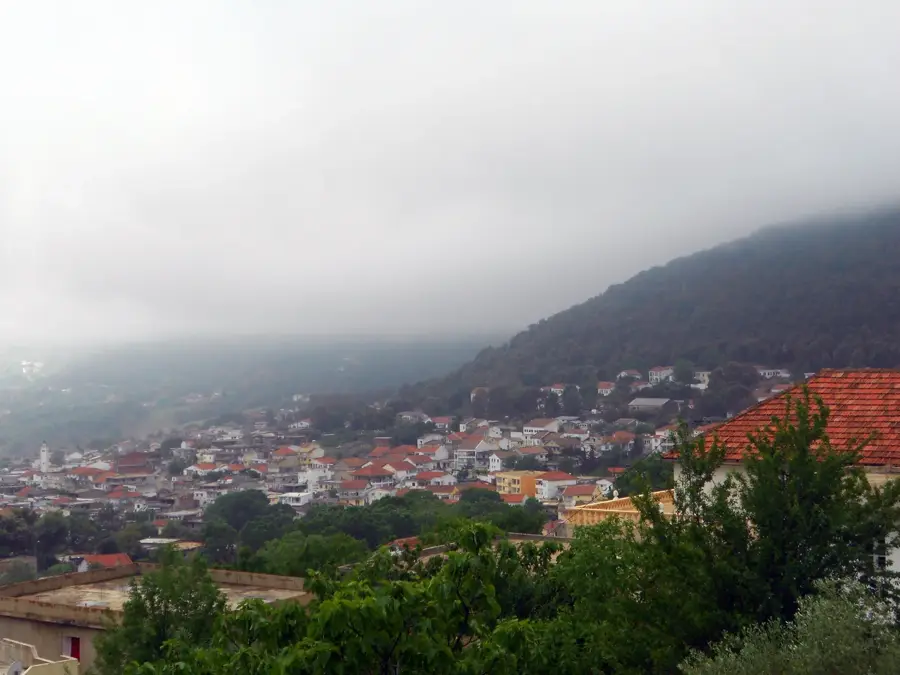
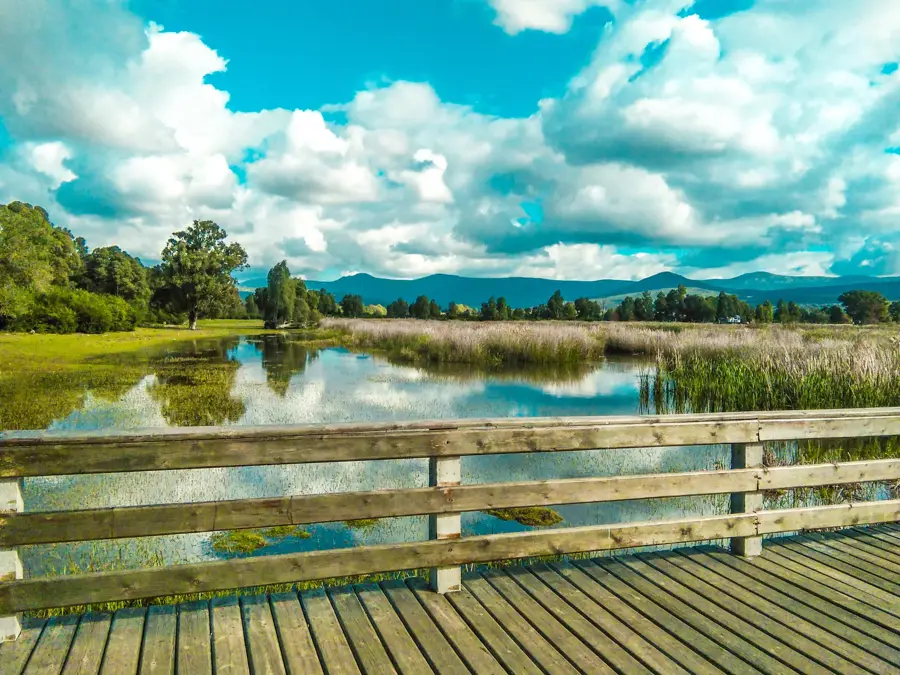
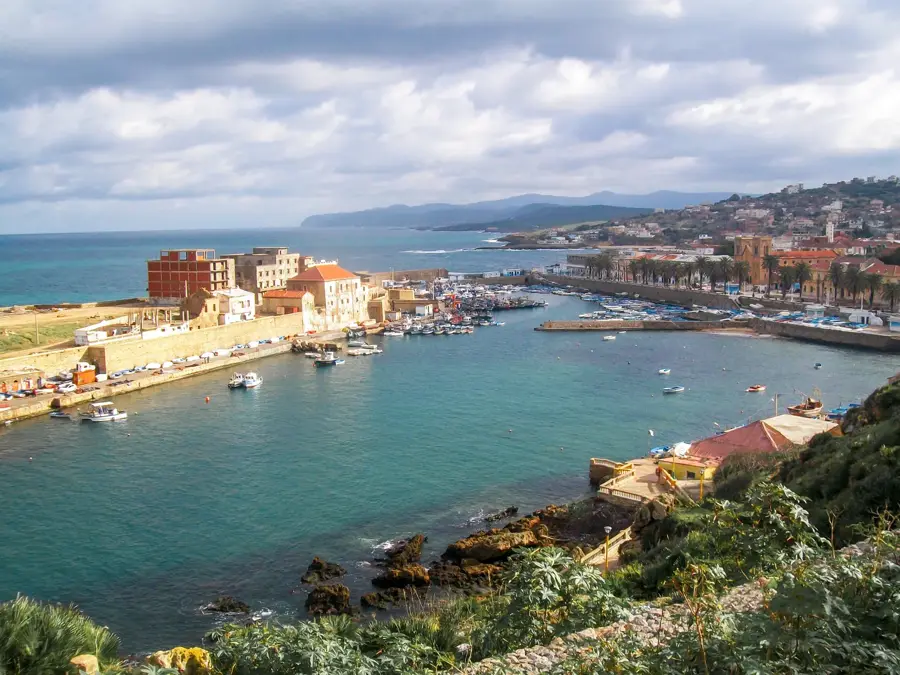
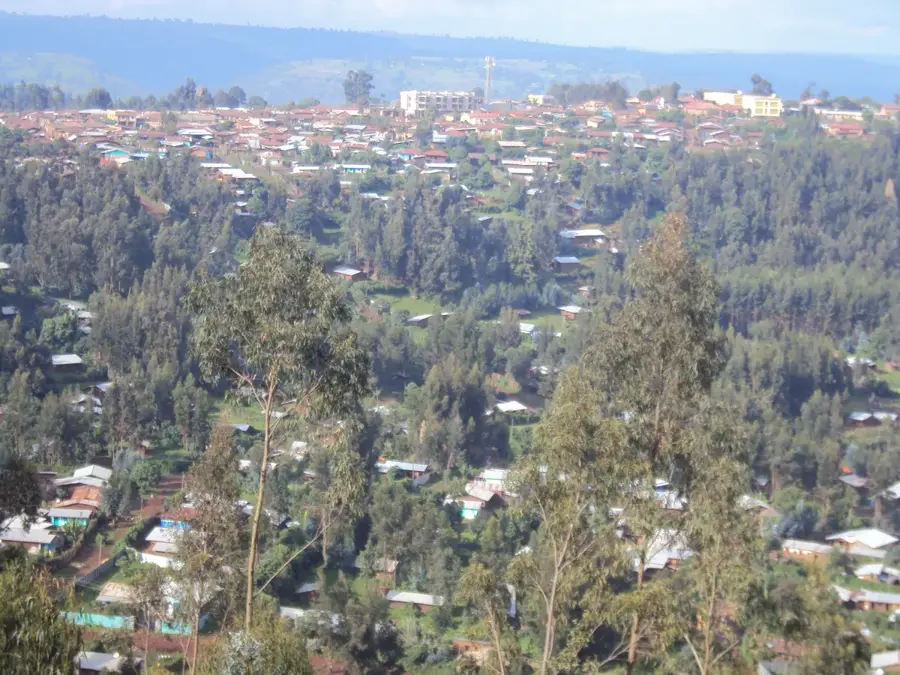
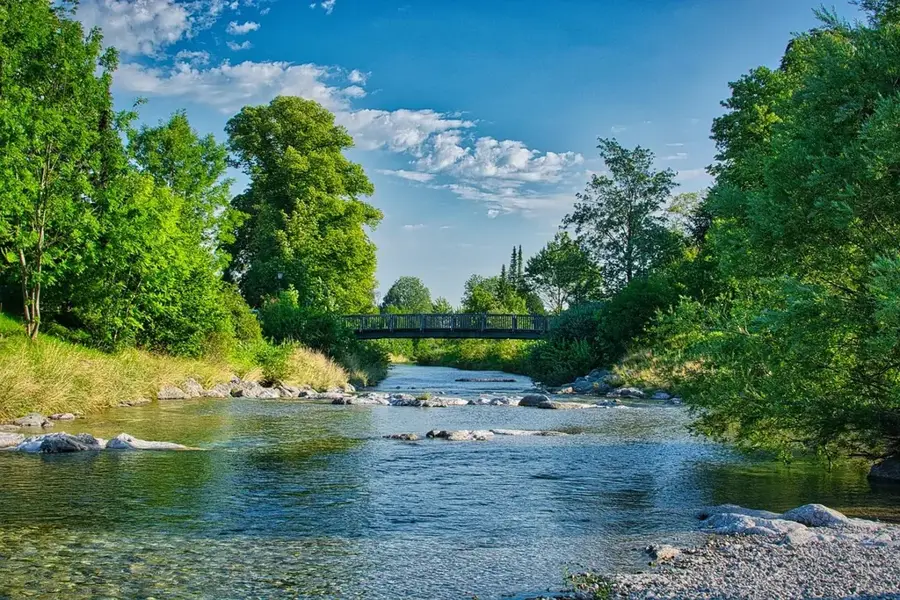
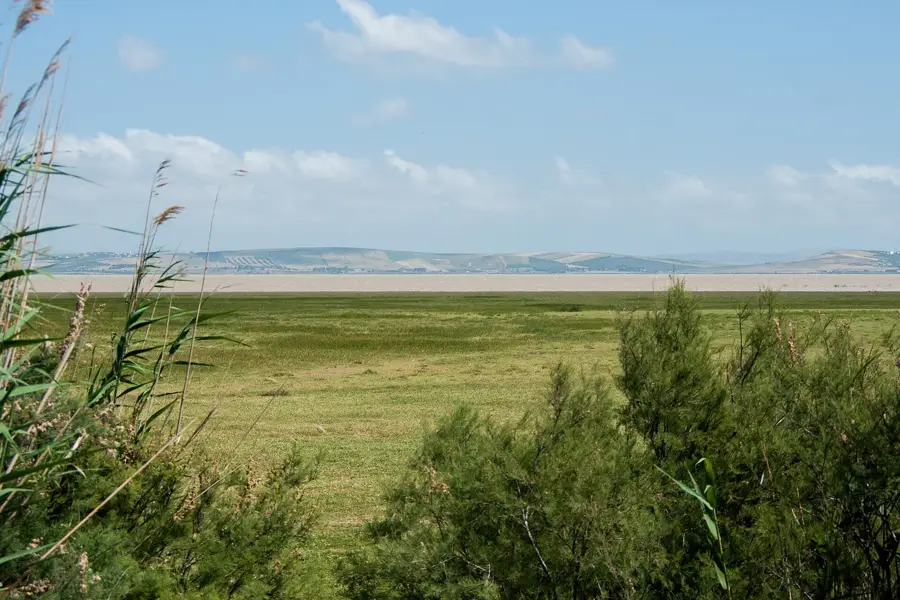
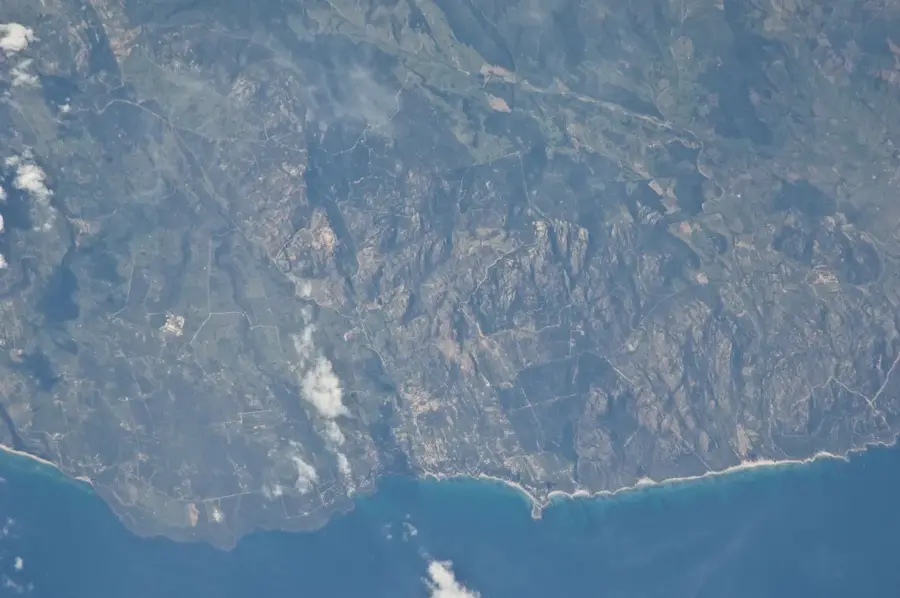
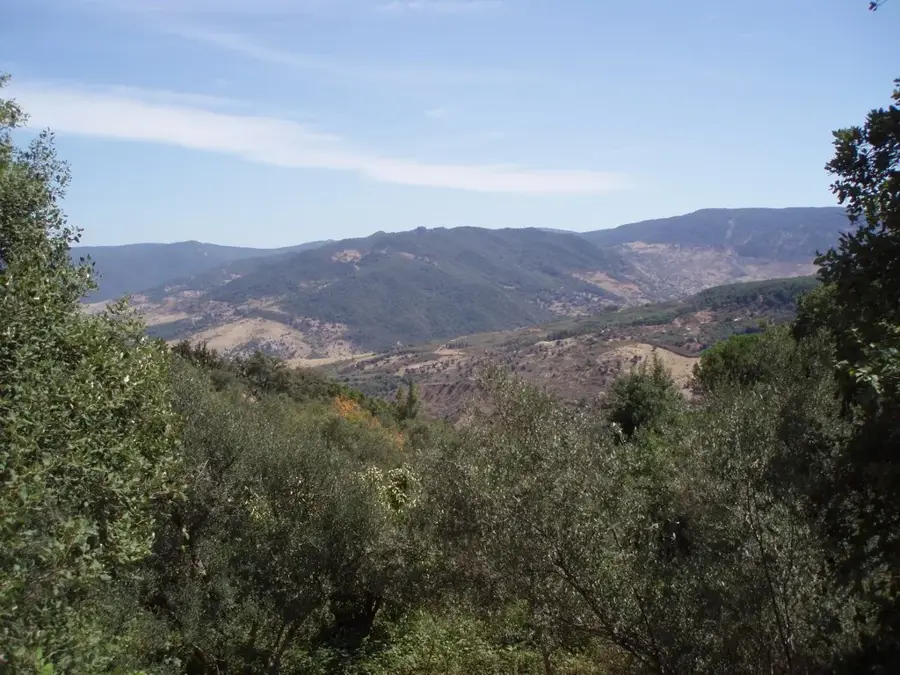
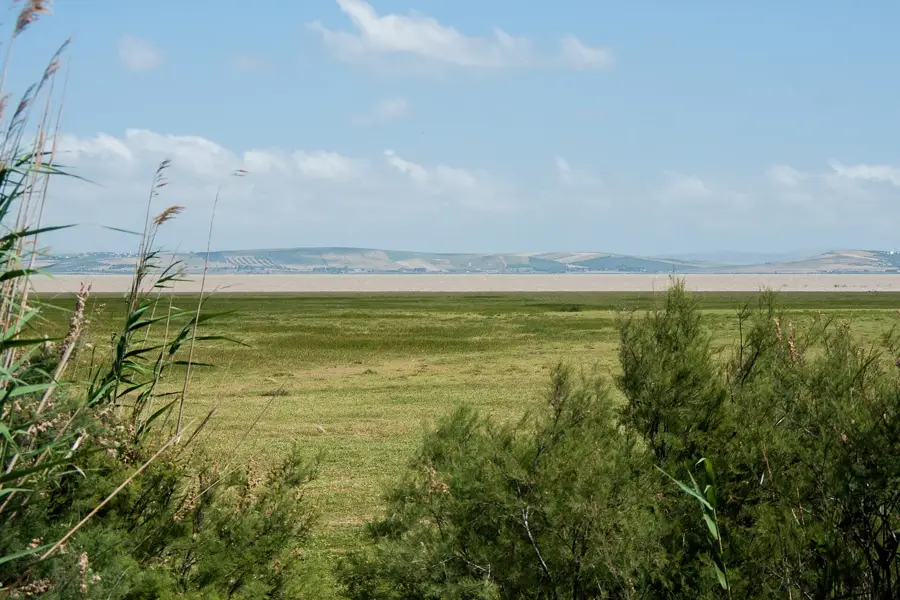
The North Tunisian Highlands, comprising the Kroumirie and Mogod mountain ranges, represent the most humid region of the country. This mountain chain is the eastern extension of the Tell Atlas and is characterized by dense forests of cork oak and Zen oak. With annual rainfall exceeding 1,000 mm, the landscape is unusually lush and green for North African standards. Geologically, the area is dominated by Oligocene and Miocene sandstones, which create the acidic soils well-suited for cork production. The region hosts unique fauna, including the rare Barbary stag, which finds one of its last natural sanctuaries here. Along the rugged coastline of Tabarka and Bizerte, the mountains drop steeply into the Mediterranean Sea. Forestry and cork harvesting have been vital economic pillars for the local population since the 19th century.

Best time to visit & climate

The most pleasant time to visit is May, Jun, Oct.

JanFebMarAprMayJunJulAugSepOctNovDec
Avg °C121113151923262624211613
Rain mm1099082654115521566996111

📋 Practical info

🧭
Getting there
These northern highlands are generally accessible from major coastal cities like Tunis or Bizerte via well-paved national roads. As you approach the more remote, rugged areas, local transport options diminish significantly, making a private rental car or a hired taxi the most practical choice.
📅
Best season
The most pleasant temperatures for hiking and exploration are found during the spring months of March to May, when the hills are vividly green. Late autumn is also highly suitable, whereas the harsh peak summer heat turns daytime hiking into an exhausting, potentially dangerous endeavor.
⛰️
Terrain & paths
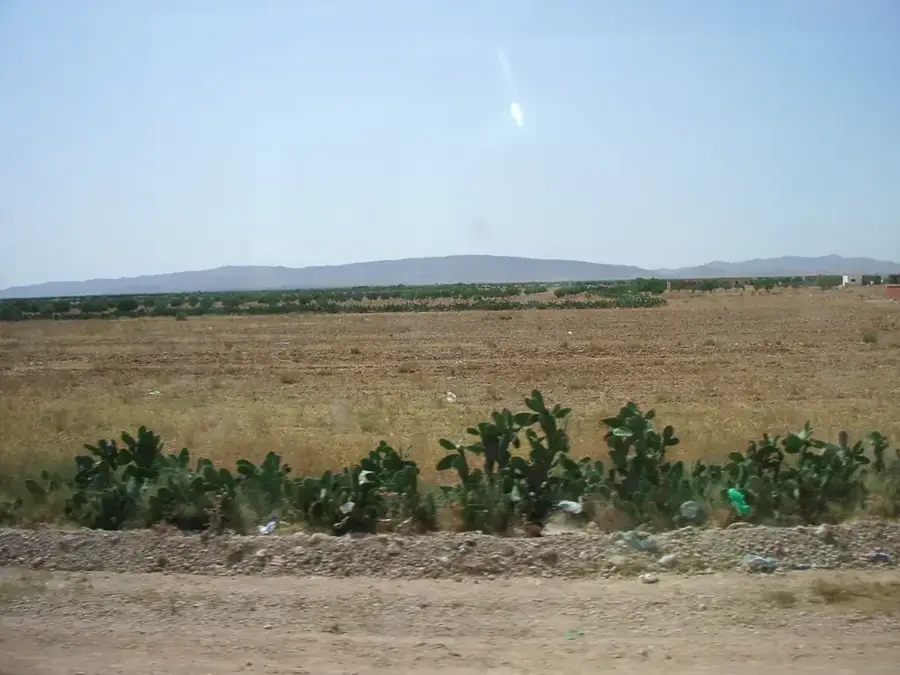
The region features a rolling landscape combining scrub-covered hills, pine forests, and rocky, moderately steep elevations. Trails are often informal shepherds' paths rather than clearly marked tourist routes, meaning navigation requires good orientation skills and a willingness to improvise.
🎒
What to bring
Closed, robust walking shoes are essential to protect feet from thorny scrub vegetation and loose rocks on the slopes. Since shaded areas can be scarce and remote stores nonexistent, bringing broad sun hats and carrying substantial water reserves are fundamental safety measures.
🅿️
Parking
Finding parking is largely a matter of pulling safely onto the shoulder of rural roads near the area you wish to explore. When parking in small local villages, it is customary and polite to ask a resident if your vehicle is blocking any essential agricultural pathways.
⚠️
Safety
The most acute danger is extreme dehydration during unexpected heatwaves, emphasizing the need for overly cautious water planning. While generally peaceful, hikers should respect agricultural boundaries, carefully circumvent grazing livestock, and acknowledge local shepherds with a friendly greeting.
⏱️
Time needed
Trips here are highly customizable; one might simply spend a few hours driving the scenic routes with brief stops for photography. Alternatively, dedicated hikers could easily spend a full challenging day navigating the unmarked hills and exploring hidden pine-clad valleys.

Geography

Coordinates
37.00000, 9.00000

Facts

  • Annual rainfall in the Kroumirie region often exceeds 1,000 mm.
  • The region contains the largest cork oak forests in North Africa.
  • The Barbary stag (Cervus elaphus barbarus) is an endemic protected species here.
  • The region's highest peak is Djebel Bir, reaching 1,014 meters near Ain Draham.
  • Geologically, the highlands are primarily composed of Numidian sandstone.
  • Tunisia ranks among the world's top cork producers, along with Algeria and Morocco.

Explore nearby

Notable places around

Route planner — Car & Motorhome

Where do you start? We build the route here, with stops and country notes along the way.

Vehicle
Only stops with (optional):

© OpenStreetMap contributors · OpenRouteService

Sights in the town North Tunisian Highlands (1)

Mirador Cap Negro🌿 nature

A sweeping coastal viewpoint offering panoramic views of the rugged cliffs and the Mediterranean Sea at Cap Negro.

Sights nearby

Frequently asked questions

What does the North Tunisian mountain range offer?
It provides lush green landscapes, hiking trails through cork oak forests and a rich flora.
Is the area attractive in winter too?
Yes, winters are mild, nature is green, although it can rain at higher altitudes.
Are there local villages there?
Yes, there are many small, easy on the eye villages where you can discover local culture and crafts.
Are the paths well signposted?
The markings vary greatly, so it is recommended to carry a detailed map.
Is the region suitable for nature observation?
Yes, especially birdwatchers will find great biodiversity here.
North Tunisian Highlands: where is it located?
North Tunisian Highlands is located in Tunisia.
North Tunisian Highlands: when is the best time to visit?
The most pleasant time to visit is May, Jun, Oct.
North Tunisian Highlands: why is it worth visiting?

The North Tunisian Highlands, comprising the Kroumirie and Mogod mountain ranges, represent the most humid region of the country.
View on map → The Top 50 Attractions → OpenStreetMap →
Africa
Explore with Plizio Discover more places in Africa
More places in Tunisia →

Nearby cities

History & landmarks
Nature
More places