Plizio Visual Lab
Aného
ℹ️Practical info — Aného
▾
🌤 Weather — 5 days
📍 Nearby
Sights nearby
💡 Tips
- Aného is spread out between the lagoon and the ocean; taking a motorbike taxi (zemidjan) is the best way to get around. Agree on the price before boarding.
- The former capital has strong colonial and Afro-Brazilian architectural influences. Walk around the Zebe district to see old colonial buildings.
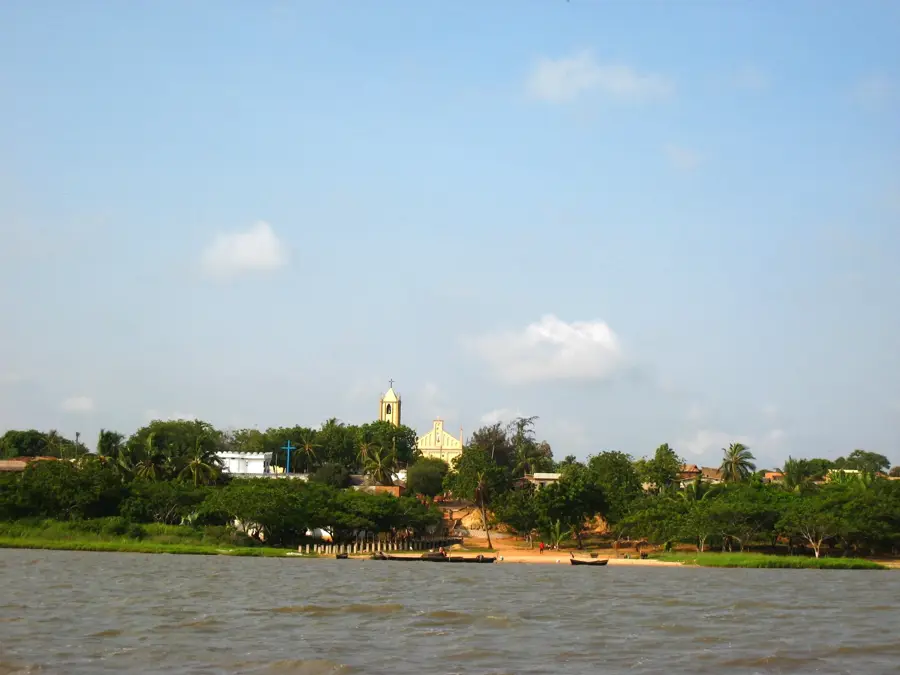
- A boat ride on the Togo Lagoon to see Togoville is a must. Negotiate boat prices directly with fishermen near the water.
- The area is a center for Voodoo culture. Be respectful around shrines and always ask permission before taking photos of people or religious sites.
🍽 Food
Found at local open-air maquis near the lagoon, typically served with fish.
Look for women grilling fish directly on the beach for the freshest meal.
A fermented maize yogurt that serves as a refreshing street food, sold by vendors in the town center.
🛍 Shopping · 🧘 Quiet spots
The central market has many vendors selling colorful West African textiles.
The Aného market is famous for its lively fish and spice trade.
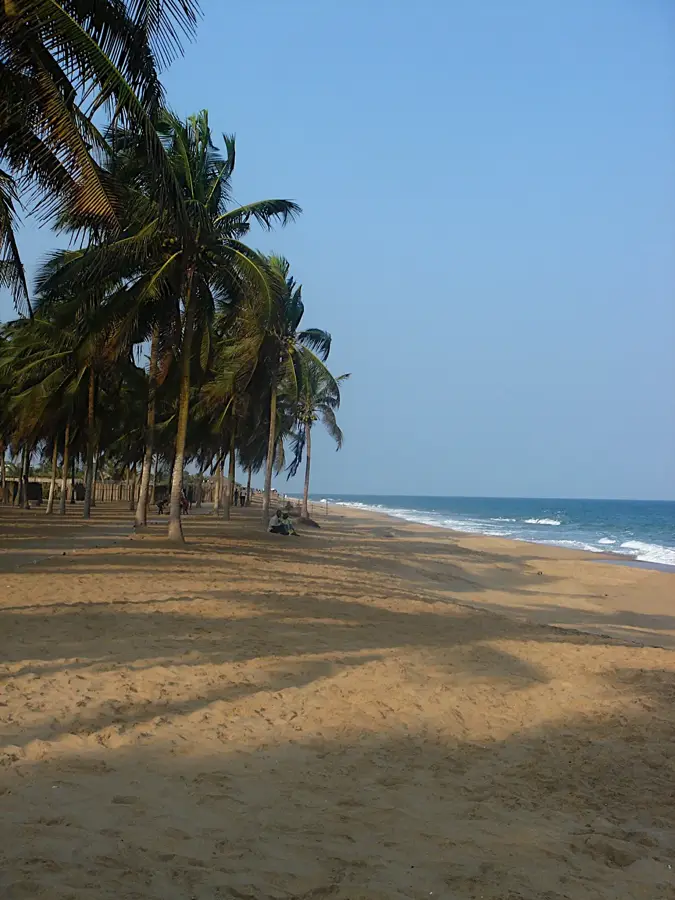
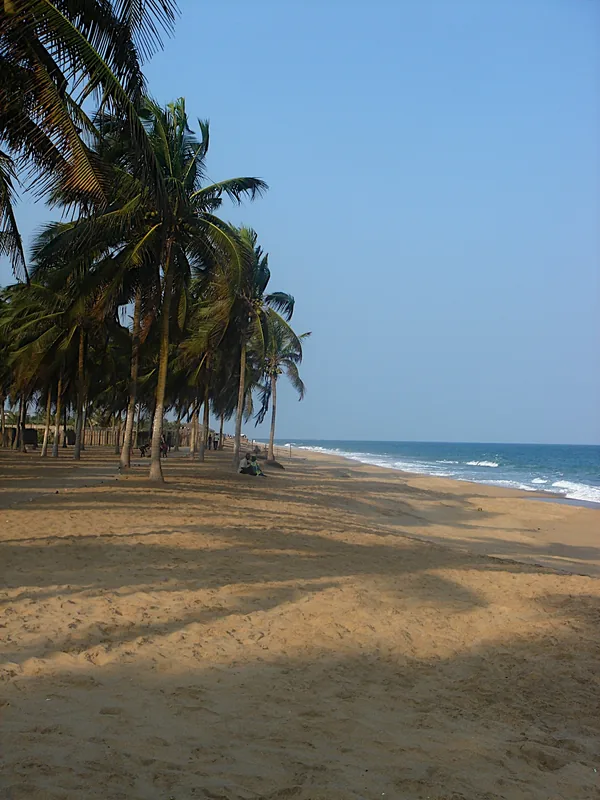
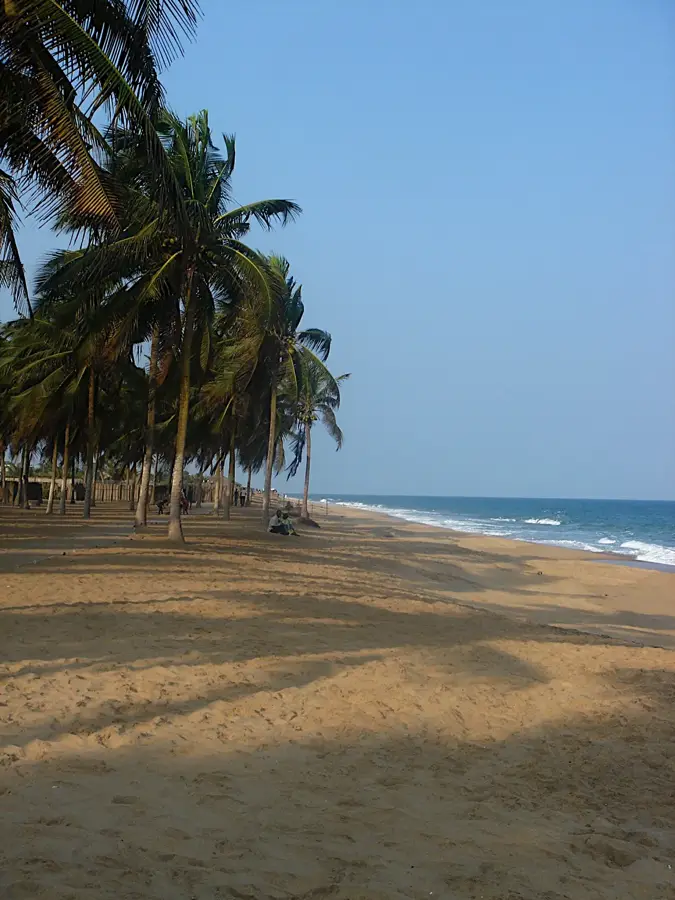
The long stretch of sandy beach is relatively calm, though the sea can be rough.
Find a spot by the lagoon away from the main port for a peaceful sunset.
Water temperature…
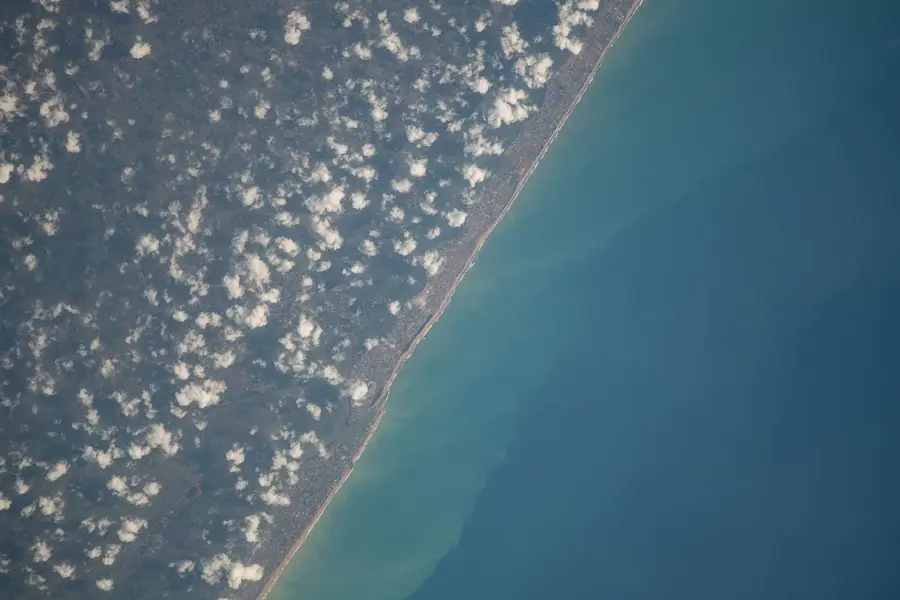
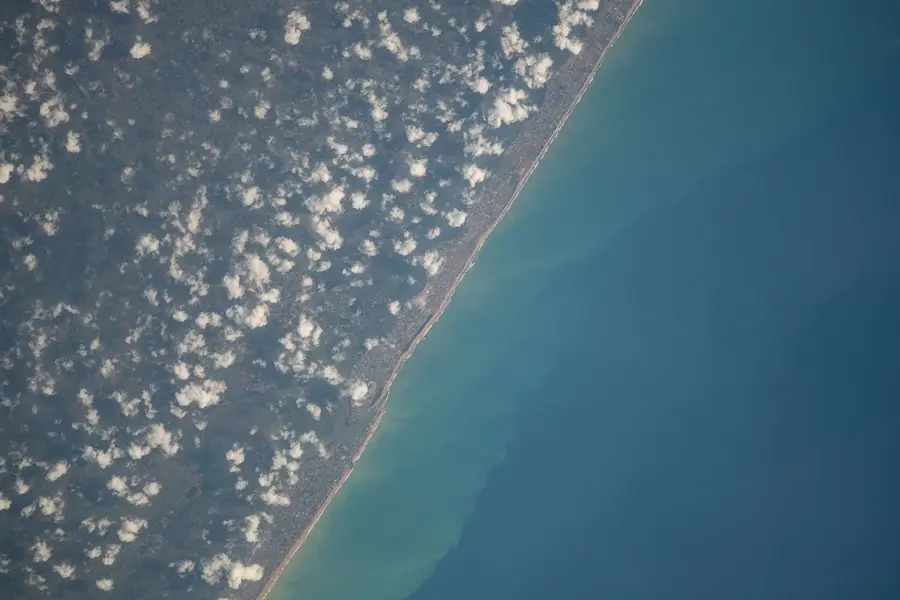
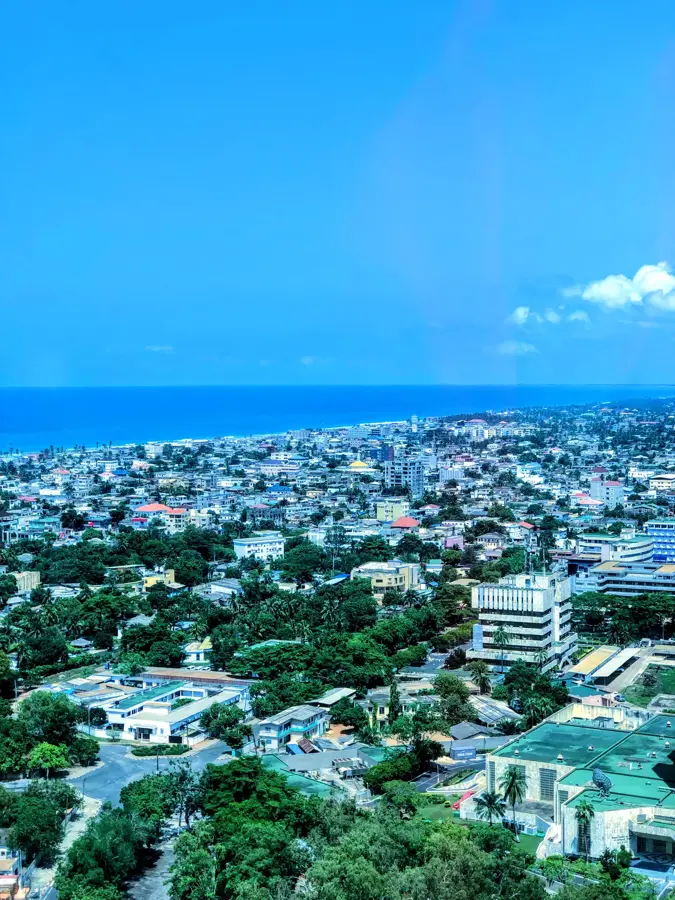
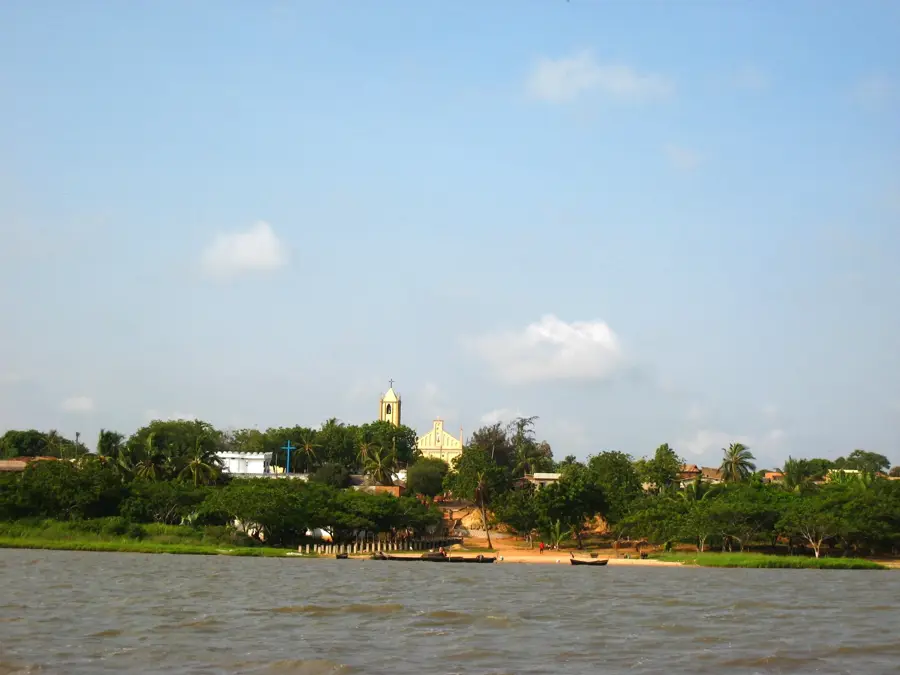
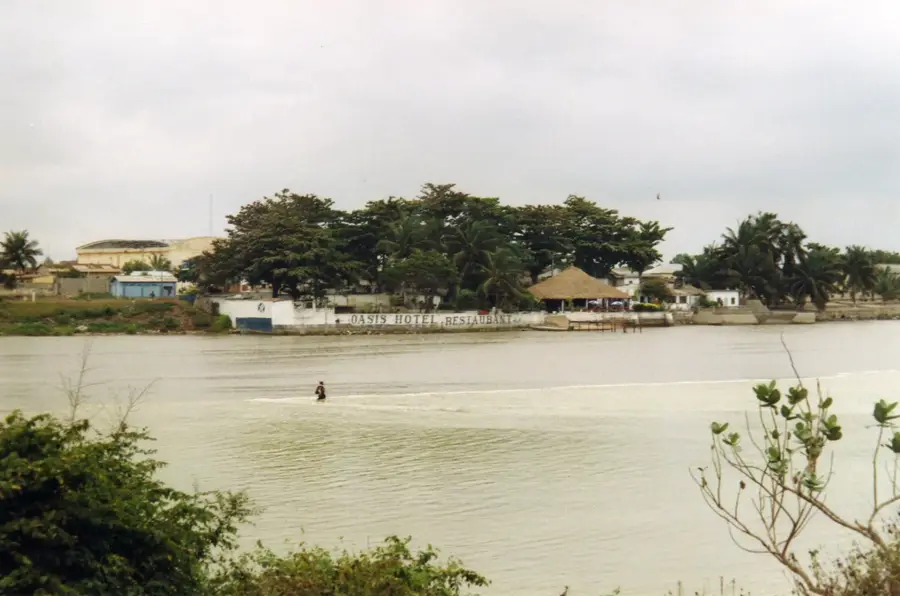
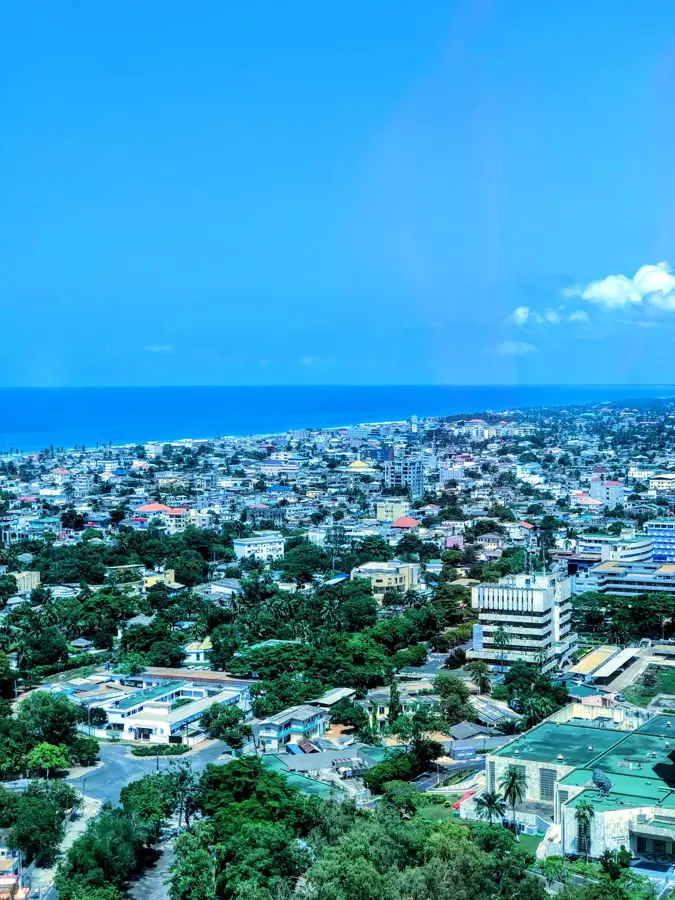
Aného lies about 45 kilometres east of Lomé along the Atlantic coast, just a short hop from the Beninese border, and is widely regarded as the historical cradle of modern Togo. The town was founded in the 17th century by Mina refugees from the Ghanaian Gold Coast, fleeing conflicts with the Akwamu. Known in French as 'Petit Popo', Aného was a significant slave-trading port in the 19th century before reinventing itself as a hub for palm-oil exports. From 1885 to 1897 it served as the first capital of the German protectorate of Togoland, until that role was transferred to Lomé. The town's charm stems from its unusual setting on a narrow sandbar between the Atlantic Ocean and the long Aného Lagoon, with one of the most photographed coastlines in West Africa. Today Aného is a major centre of Voodoo worship, preserves numerous colonial-era buildings and hosts the colourful annual Epe-Ekpe festival of the Guin-Mina people.
- Location: Togo
- Nearby: Togoville (13 km)
- Population: ~47.579 (2014)
Best time to visit & climate
The most pleasant time to visit is Jan, Aug, Dec.
| Jan | Feb | Mar | Apr | May | Jun | Jul | Aug | Sep | Oct | Nov | Dec | |
|---|---|---|---|---|---|---|---|---|---|---|---|---|
| Avg °C | 28 | 28 | 28 | 28 | 28 | 26 | 25 | 25 | 25 | 26 | 27 | 28 |
| Rain mm | 15 | 33 | 86 | 118 | 171 | 181 | 111 | 57 | 132 | 140 | 40 | 16 |
Geography
Facts
- Aného is located approximately 45 kilometers east of the capital, Lomé.
- The city was originally established as a major slave-trading port.
- The Ekpé-Ekpé festival is held annually during the month of September.
- Aného served as the German colonial capital until 1897.
- The town is situated near the mouth of the Mono River at the Atlantic coast.
- Aného is home to numerous voodoo religious sites and traditional shrines.
Explore nearby
Notable places around



Route planner — Car & Motorhome
Where do you start? We build the route here, with stops and country notes along the way.
© OpenStreetMap contributors · OpenRouteService
Frequently asked questions
What is special about Aného?
Is Aného suitable for a beach holiday?
When is the best time for a trip?
Are there historical sites?
How is the local culinary scene?
Aného: where is it located?
Aného: when is the best time to visit?
Aného: why is it worth visiting?

Nearby cities

History & landmarks

Nature
More places