Plizio Visual Lab
Lomé
ℹ️Practical info — Lomé
▾
🌤 Weather — 5 days
📍 Nearby
Sights nearby
💡 Tips
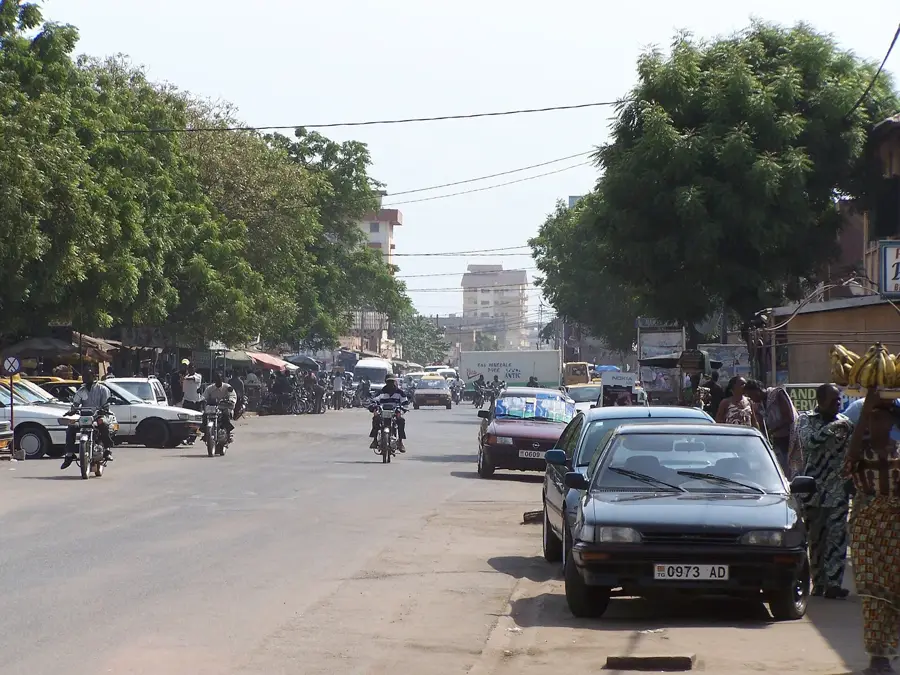
- Moto-taxis (zemidjans) are everywhere. Always agree on the fare before hopping on the back.
- Cash is king; keep small bills in CFA francs handy for markets and street vendors.
- The ocean currents are dangerously strong; it is highly recommended to stay on the sand rather than swim.
- Always ask for permission before taking photos, especially at the Fetish Market or of individuals.
- French is the official language; knowing a few basic phrases will greatly enhance your interactions.
🍽 Food
Pounded yam served with a flavorful broth, a staple at local 'maquis' eateries.
Fresh from the Atlantic, best enjoyed at informal beachside stalls.
A savory tomato cornmeal dough, typically served alongside grilled meats.
🛍 Shopping · 🧘 Quiet spots
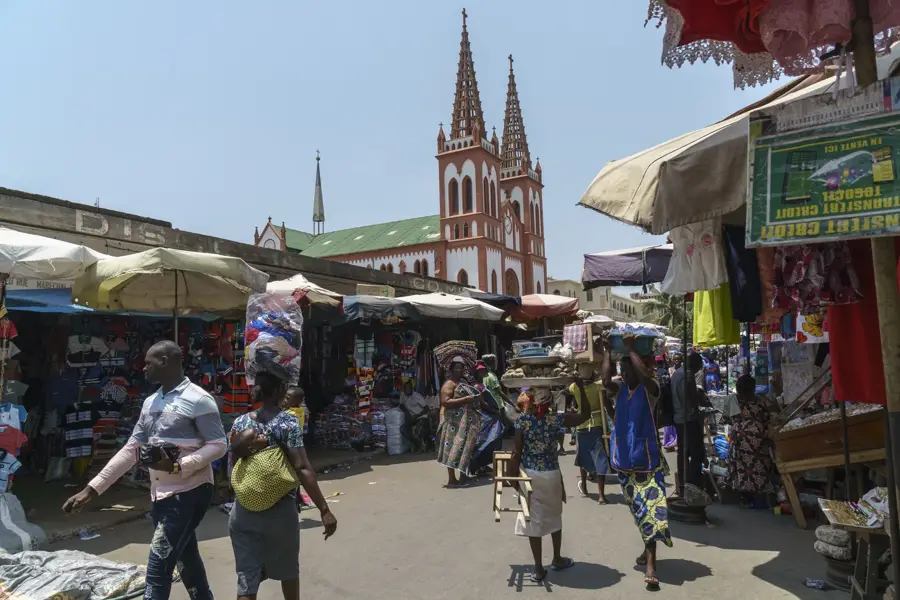
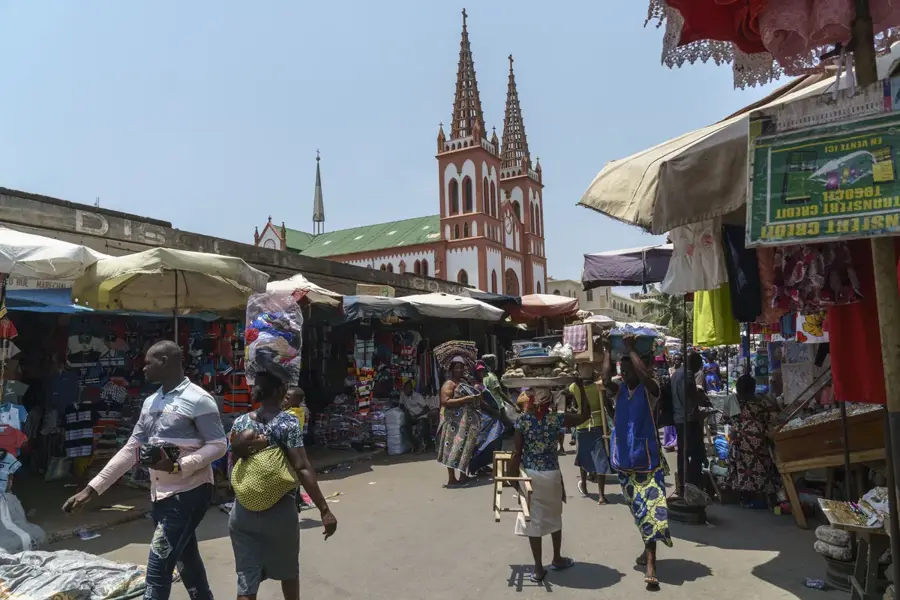
The bustling central market famous for its colorful fabrics sold by the 'Nana Benz'.
The world's largest voodoo market, offering a unique cultural glimpse.
The best place to buy wood carvings and local crafts directly from the artisans.
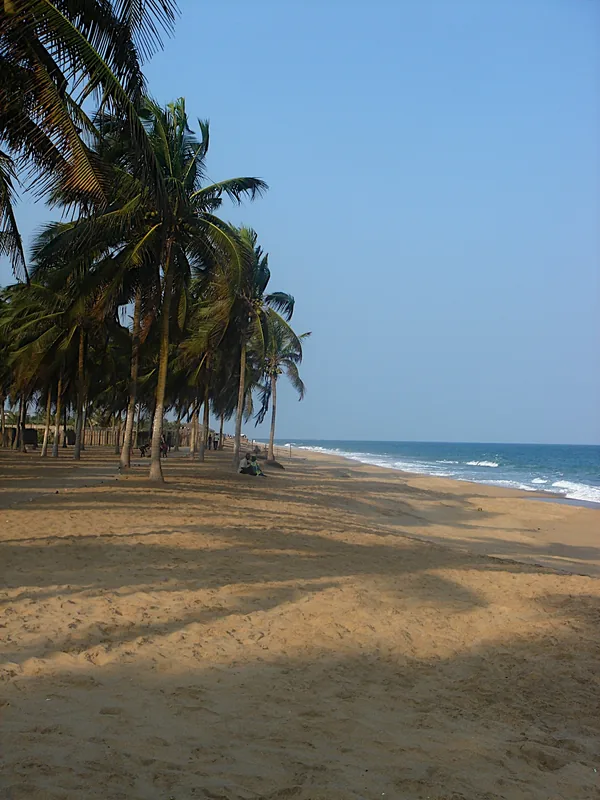
Walk along the palm-lined coast away from the city center for a relaxing vibe.
Take a short trip outside the city for a peaceful and scenic boat ride.
Water temperature…
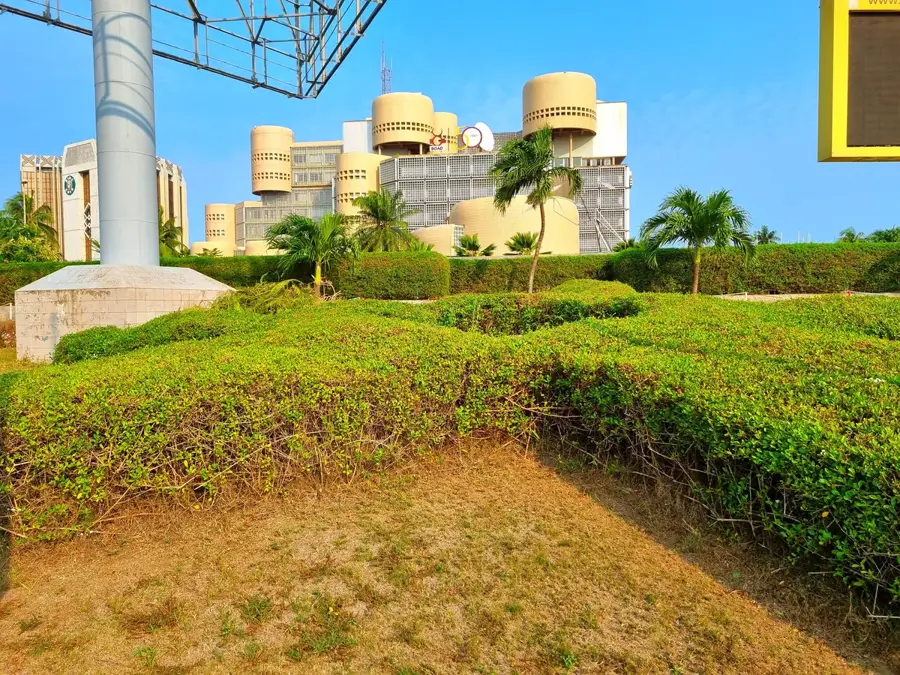
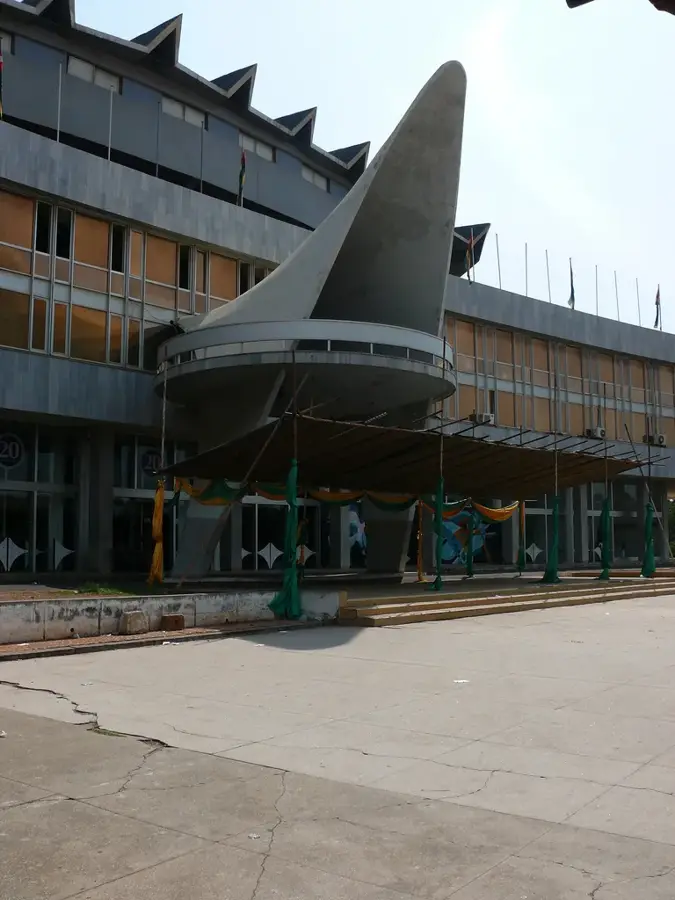
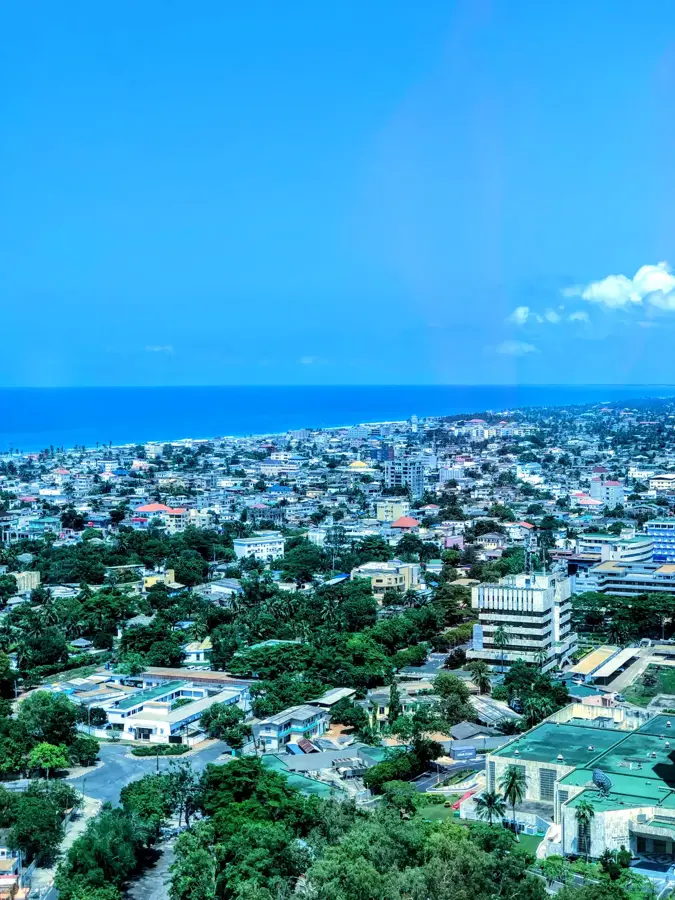
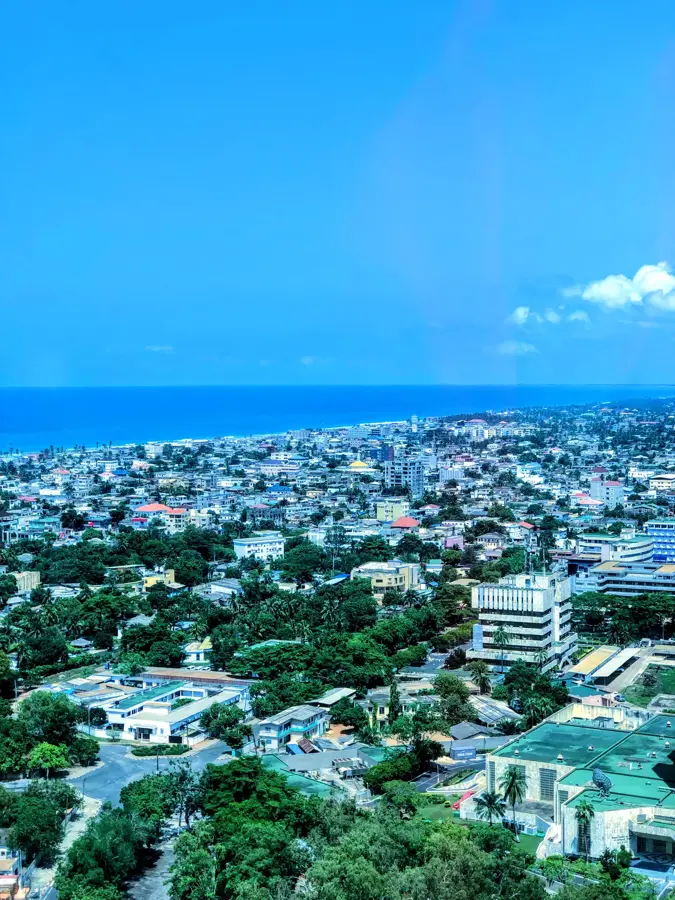
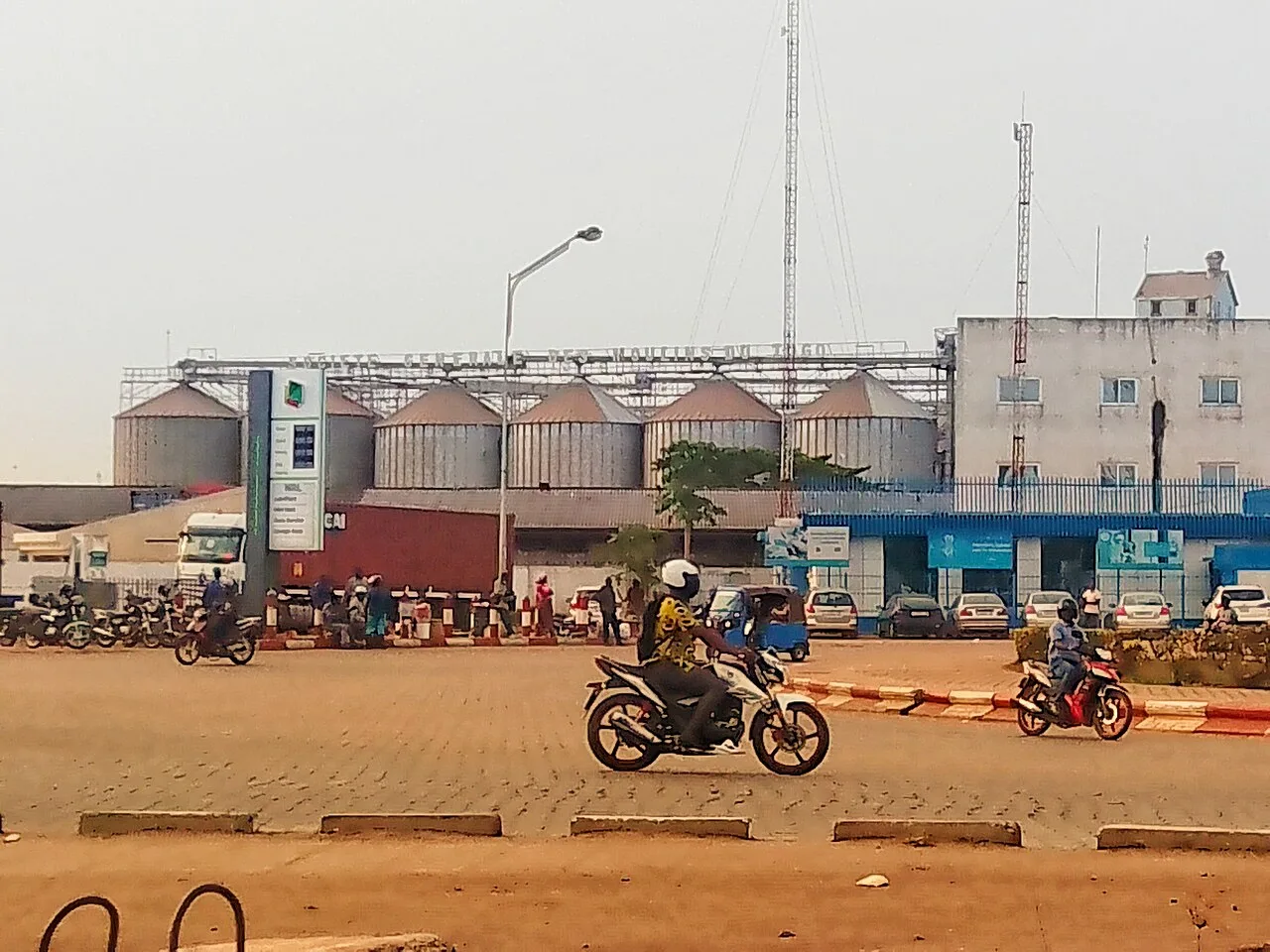
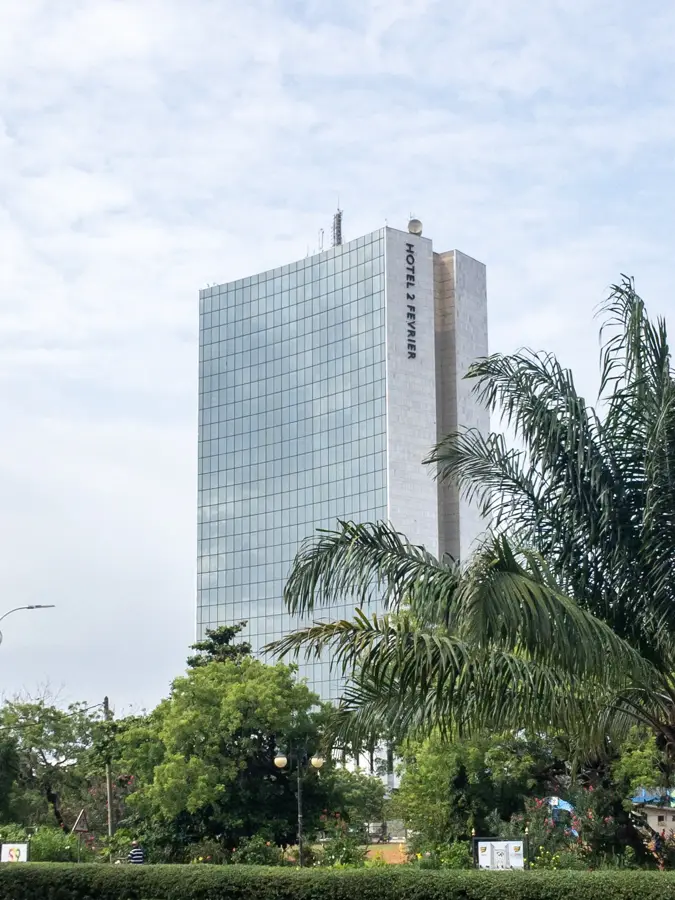
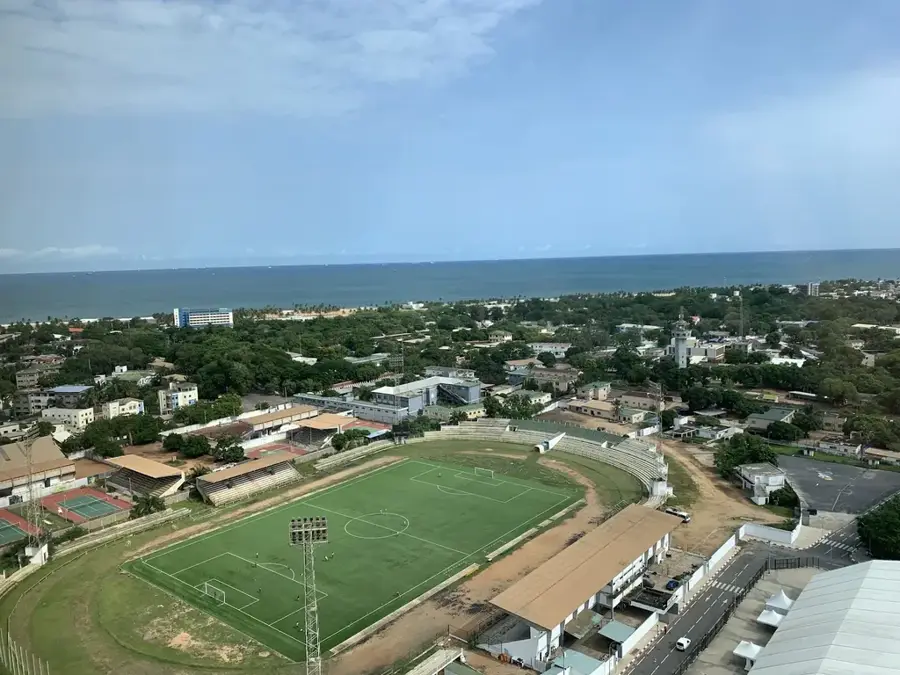
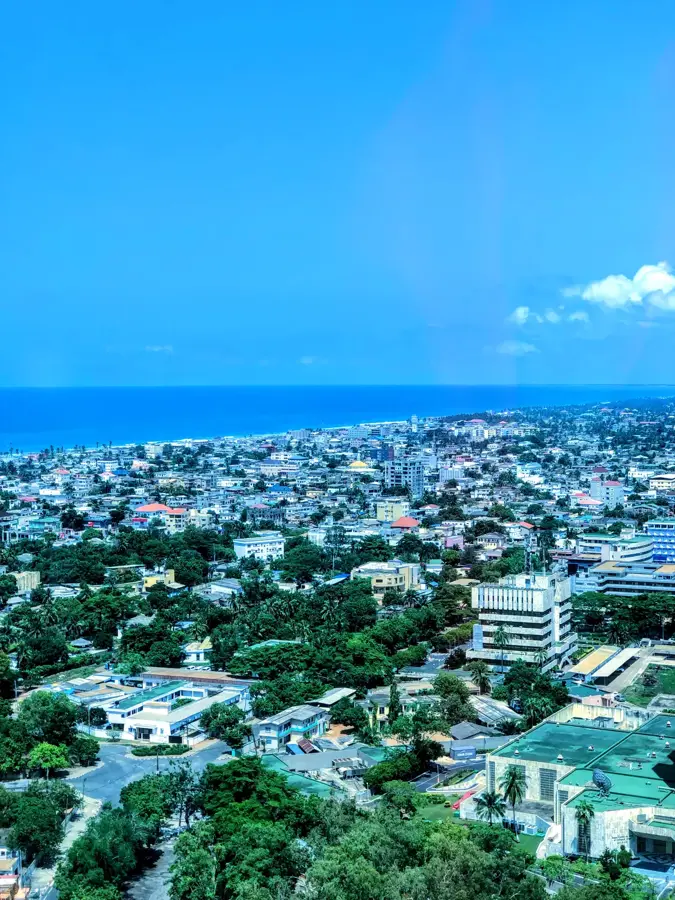
Lome, the capital and largest city of Togo, serves as the nation's primary economic engine and its window to the world. Located on the Gulf of Guinea at the extreme southwestern tip of the country, it shares its western border with the Ghanaian town of Aflao. The city's history is a rich tapestry of indigenous heritage and European influence. Established by the Ewe people in the 1700s, Lome was selected by German colonizers as the capital of Togoland in 1897 due to its coastal advantages. Following World War I, the administration shifted to France, leaving a lasting legacy of French language, law, and urban design that persists today. Lome became the capital of an independent Togo in 1960 and has since grown into a bustling metropolis of over 1.5 million residents. The Port of Lome is the city's most significant asset; as West Africa's only natural deep-water port, it serves as a vital transit point for goods heading to landlocked neighbors like Burkina Faso and Niger. Economically, the city is also home to the headquarters of major regional banks and the ECOWAS Bank for Investment and Development. Culturally, Lome is world-renowned for its Grand Marche, where the legendary 'Nana Benz' traders have historically controlled the textile market, particularly the Dutch wax prints. For those interested in traditional beliefs, the Akodessawa Fetish Market provides a fascinating look into the world of voodoo. The city's skyline features a mix of colonial-era landmarks, such as the neogothic Cathedral of the Sacred Heart, and modern structures like the Hotel du 2 Fevrier, one of the tallest buildings in West Africa. Despite the humid tropical climate and rapid urban expansion, Lome maintains an inviting atmosphere with its palm-lined beaches and bustling street life. It remains a key diplomatic hub, famously hosting the signing of the Lome Conventions, which defined trade relations between European and African nations for decades.
- Location: Togo
- Top sights: Centre artisanal Tayé-Tayé · Colombe de la Paix
- Nearby: Lake Togo (25 km)
- Population: ~2.188.376 (2025)
Best time to visit & climate
The most pleasant time to visit is Jan, Aug, Dec.
| Jan | Feb | Mar | Apr | May | Jun | Jul | Aug | Sep | Oct | Nov | Dec | |
|---|---|---|---|---|---|---|---|---|---|---|---|---|
| Avg °C | 28 | 28 | 28 | 28 | 28 | 26 | 25 | 25 | 25 | 26 | 27 | 28 |
| Rain mm | 15 | 33 | 86 | 118 | 171 | 181 | 111 | 57 | 132 | 140 | 40 | 16 |
Geography
Facts
- Lome is uniquely positioned right on the border with Ghana, allowing residents to walk between countries.
- The city's name is derived from 'Alome', an Ewe word for a specific type of tree found in the region.
- The Hotel du 2 Fevrier, at 102 meters, is one of the tallest architectural landmarks in the city.
- Lome's free trade zone (SAZOF) provides significant tax incentives for exporting industries.
- The city became the colonial capital of Togo in 1897, replacing the town of Aneho.
- Average annual precipitation in Lome is approximately 900 mm, with two distinct rainy seasons.
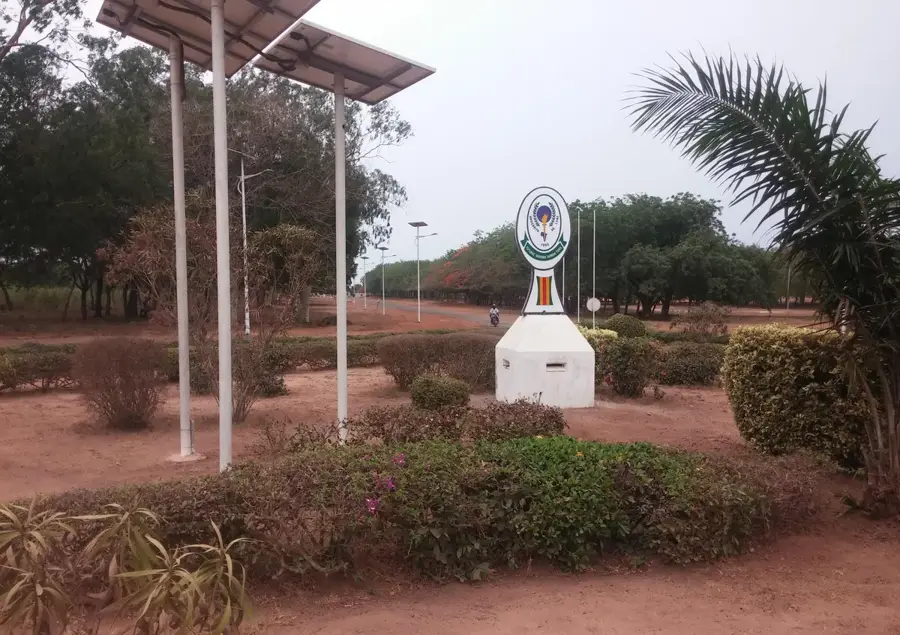
- The University of Lome occupies a vast campus of over 600 hectares in the northern part of the city.
- Lome is the headquarters of the West African Economic and Monetary Union (UEMOA) regional bank.
Explore nearby
Notable places around
Route planner — Car & Motorhome
Where do you start? We build the route here, with stops and country notes along the way.
© OpenStreetMap contributors · OpenRouteService
Sights in the town Lomé (2)
Frequently asked questions
How many days should you plan for Lomé?
Is Lomé family-friendly?
What local food should you try in Lomé?
When is the best time to visit?
What is the best way to get around the city?
Lomé: where is it located?
Lomé: what is there to see?
Lomé: when is the best time to visit?
Lomé: why is it worth visiting?

Nearby cities
History & landmarks

More places