Plizio Visual Lab
Sokodé
ℹ️Practical info — Sokodé
▾
🌤 Weather — 5 days
📍 Nearby
Sights nearby
💡 Tips
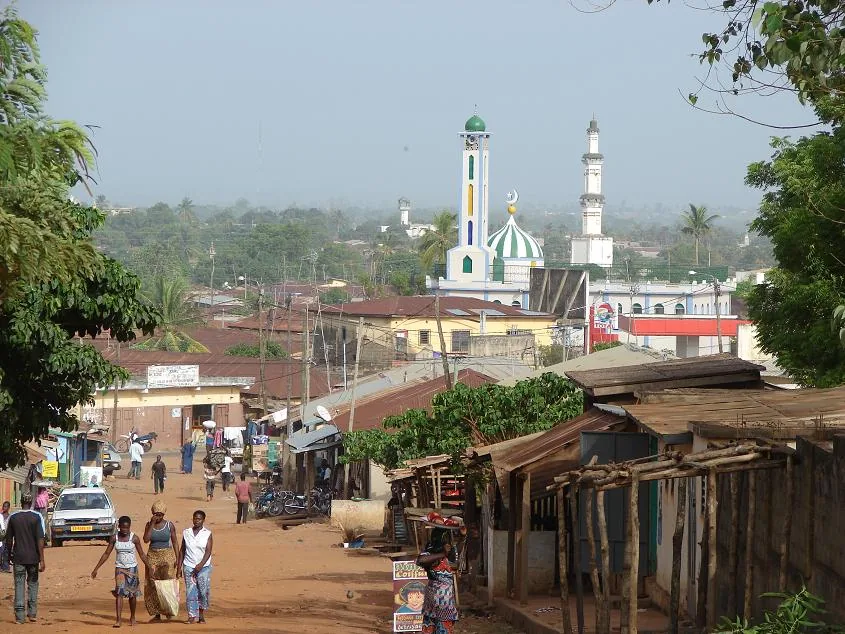
- Dress modestly, especially around the central mosque, as Sokodé is Togo's main Islamic center.
- Use 'zemidjans' (motorcycle taxis) to get around; agree on the fare before hopping on.
- If you visit during the Gadao-Adossa-Kosso festival, book accommodation well in advance.
- Bring cash in CFA francs, as card payments are rarely accepted outside large hotels.
🍽 Food
Find this fried cow's milk cheese sold by street vendors, often dipped in spicy red sauce.
A hearty staple available at local eateries near the main market.
Popular evening street food found around the central squares.
🛍 Shopping · 🧘 Quiet spots
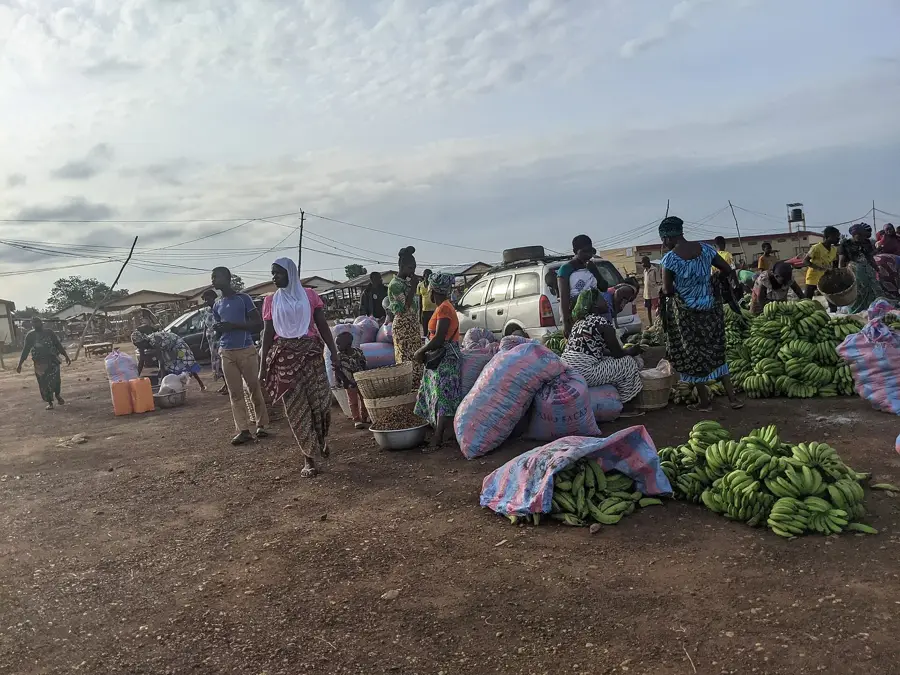
Great place for colorful fabrics, spices, and everyday Togolese items.
Look for traditional hand-woven textiles (pagne) in the artisan districts.
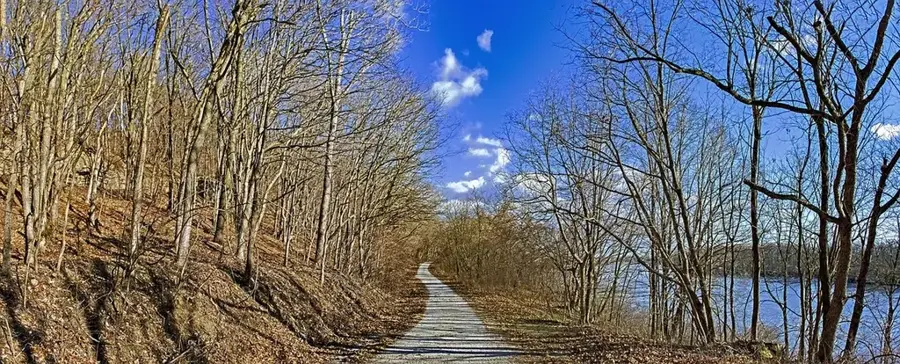
Take a moto-taxi to the rural edges of the city for peaceful agricultural landscapes.
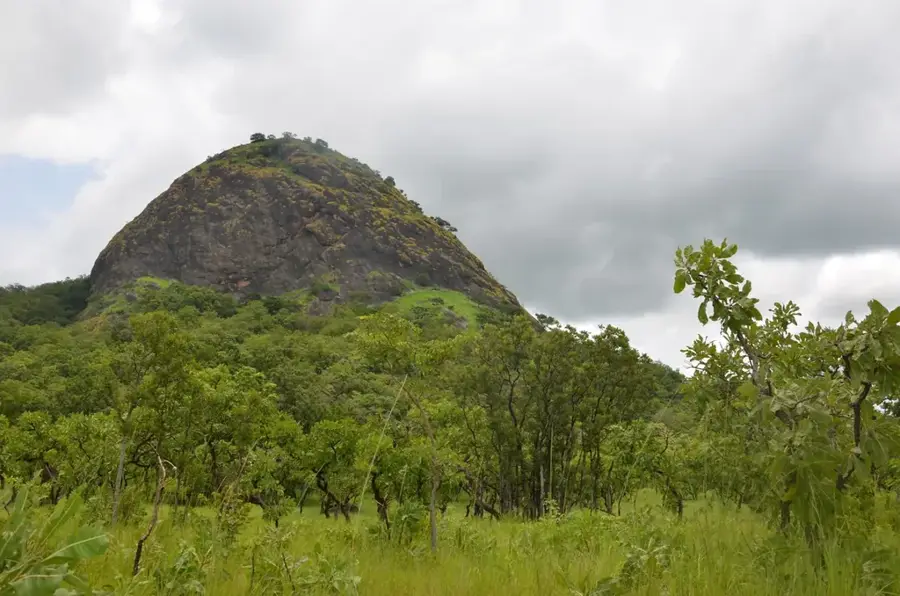
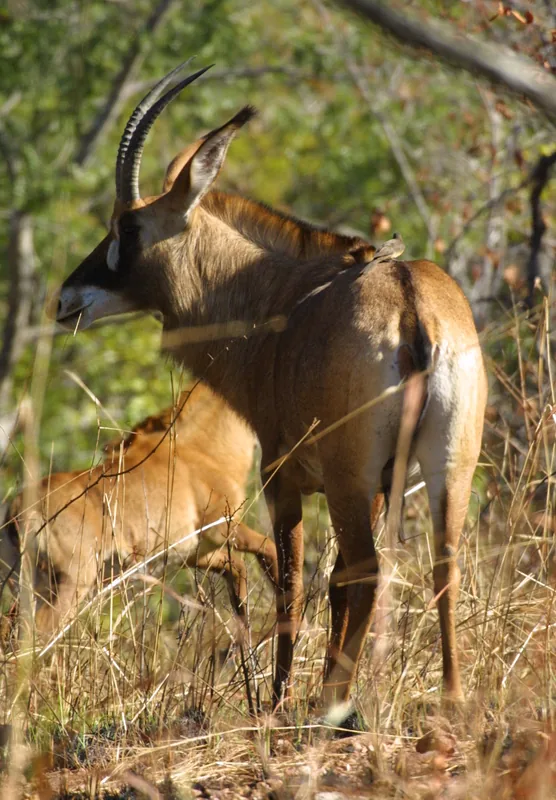
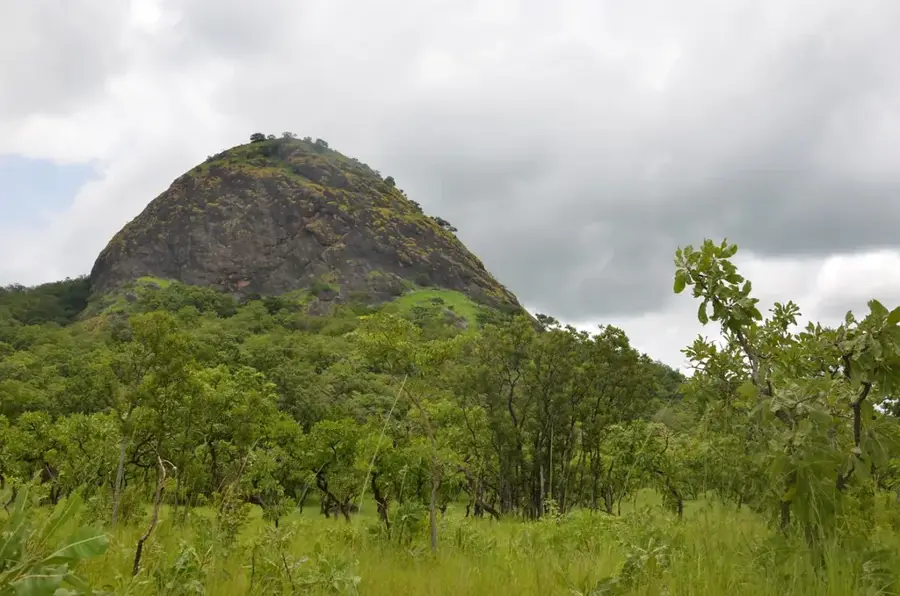
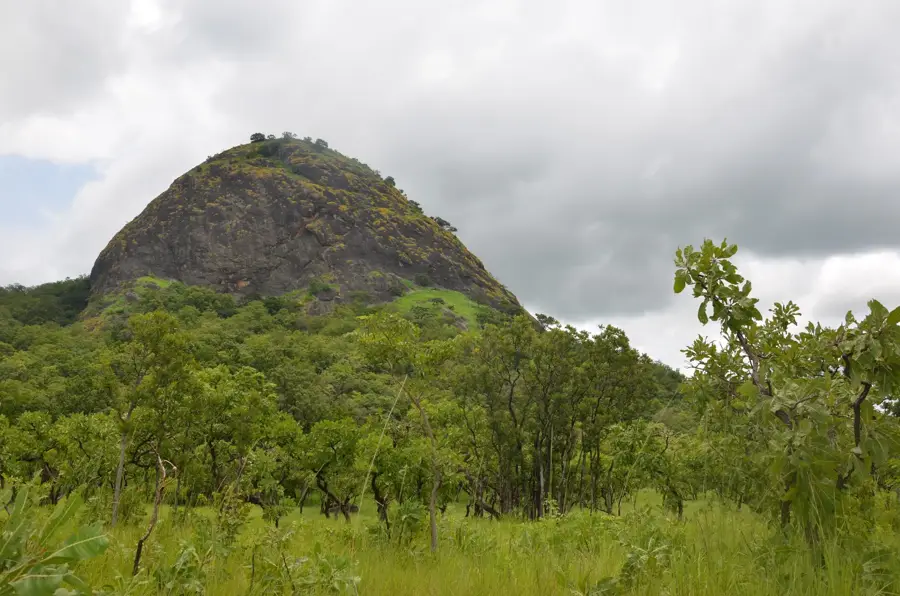
Though outside the city, a day trip here has the best nearby nature and wildlife retreat.
Water temperature…
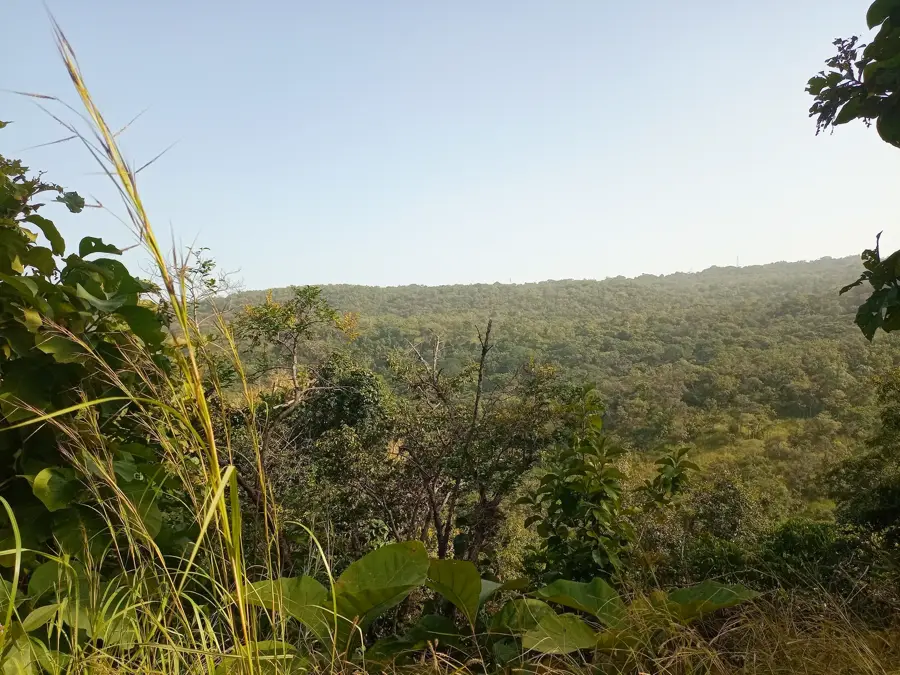
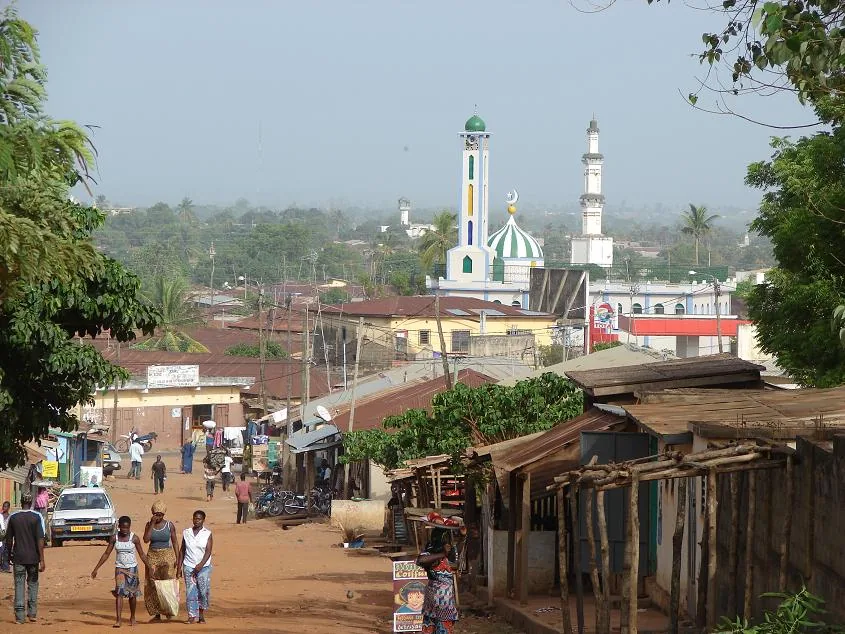
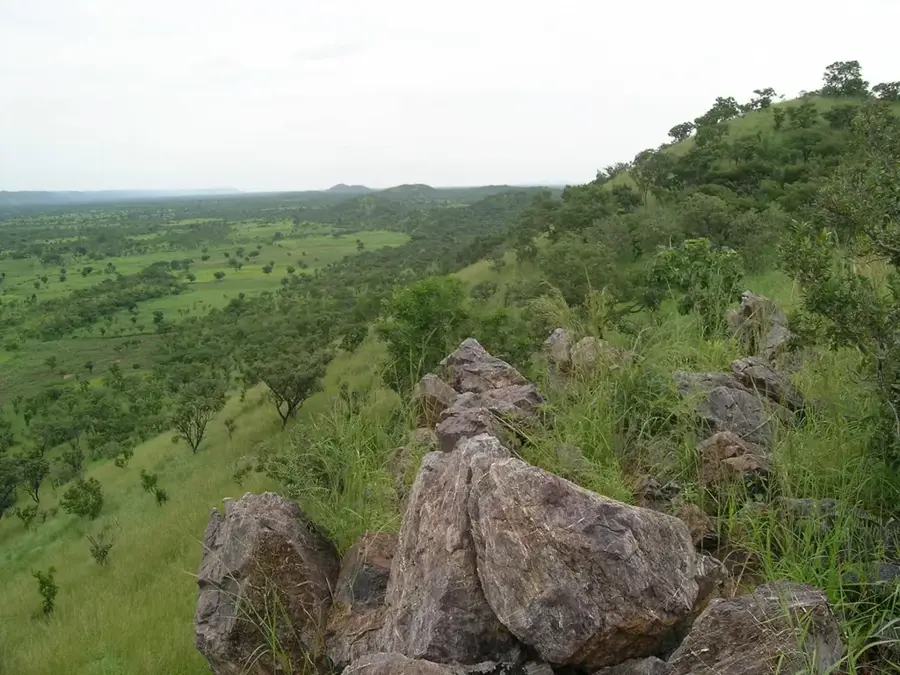
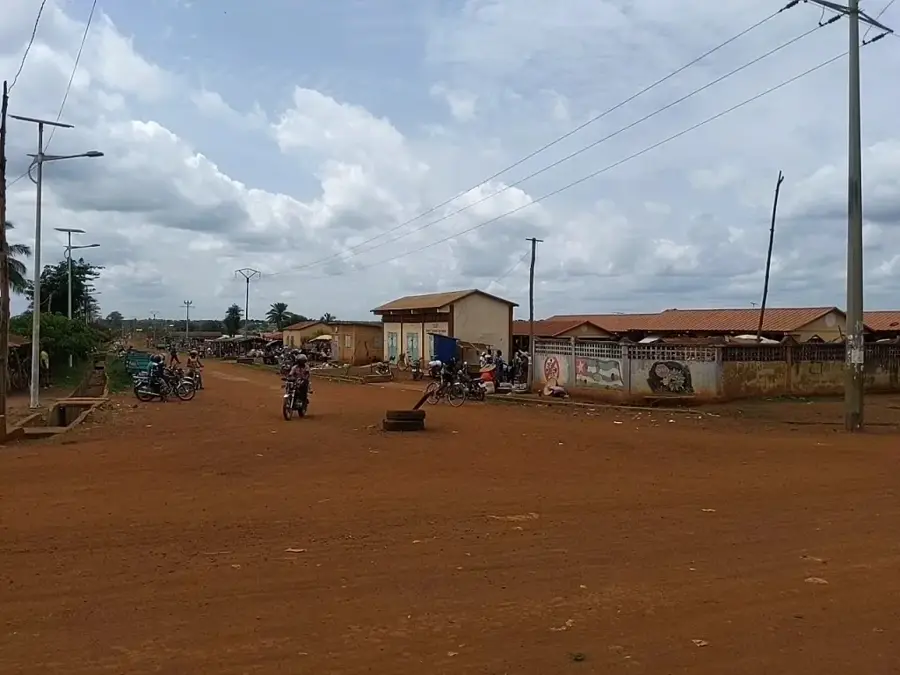
Sokode is Togo's second-largest city and the administrative capital of the Centrale Region, situated approximately 340 kilometers north of Lome. As the traditional home of the Tem people (also known as Kotokoli), the city serves as a vital cultural and religious anchor for central Togo. Historically, Sokode rose to prominence as a key station on the ancient caravan routes connecting the Gulf of Guinea with the inner Niger delta, specializing in the trade of salt and kola nuts. Unlike the coastal regions, Sokode has a predominantly Muslim population, which significantly shapes its architecture, social norms, and daily rhythms. Geographically, the city sits on a plateau between the Na and Mono river basins, characterized by a savanna landscape that transitions into rolling hills. The local economy is driven by agriculture and its role as a regional transit hub. It is a major collection point for cotton, yams, and grain, which are then transported to the capital or exported to neighboring countries. Sokode is famous throughout West Africa for its bustling festivals, most notably the Gadao-Adossa, where traditional dances and equestrian displays celebrate the history and unity of the Tem ethnic group. The city also acts as an educational and healthcare hub for the surrounding rural areas, hosting a regional hospital and several specialized vocational training centers. The nearby Fazao-Malfakassa National Park gives significant biodiversity, including elephants and primates, positioning Sokode as a potential gateway for ecotourism. Despite its growth, the city retains a relatively calm atmosphere compared to Lome, with sprawling neighborhoods connected by a network of markets and small enterprises. Its strategic location on National Road 1 ensures that it remains an indispensable link in Togo’s domestic and international trade corridors, particularly for logistics moving toward Burkina Faso and Mali.
- Location: Togo
- Nearby: Fazao-Malfakassa National Park (16 km)
- Population: ~117.811 (2026)
Best time to visit & climate
The most pleasant time to visit is Jan, Nov, Dec.
| Jan | Feb | Mar | Apr | May | Jun | Jul | Aug | Sep | Oct | Nov | Dec | |
|---|---|---|---|---|---|---|---|---|---|---|---|---|
| Avg °C | 25 | 28 | 29 | 28 | 27 | 26 | 25 | 24 | 25 | 25 | 26 | 25 |
| Rain mm | 7 | 12 | 43 | 98 | 133 | 162 | 219 | 217 | 228 | 129 | 13 | 3 |
Geography
Facts
- Sokode is the capital of the Centrale Region, one of Togo's five administrative regions.
- The city serves as a major logistical hub for the transport of cattle from the Sahel to the coast.
- The Tem language, spoken widely in Sokode, belongs to the Gur language family.
- Sokode’s climate features a longer dry season compared to the southern regions of Togo.
- Traditional weaving in Sokode produces the famous 'tissage' fabrics used in ceremonial clothing.
- The city is located roughly halfway between the Atlantic coast and the northern border with Burkina Faso.
- Sokode has a well-known soccer team, AC Semassi F.C., which is one of the most successful in Togo.
- The Gadao fountain in the city center is a popular landmark named after a legendary ancestor.
Explore nearby
Notable places around
Route planner — Car & Motorhome
Where do you start? We build the route here, with stops and country notes along the way.
© OpenStreetMap contributors · OpenRouteService
Frequently asked questions
What is Sokodé known for?
How long does a city tour take?
Are there accommodations in Sokodé?
What is the best season to visit?
What is the best way to get to Sokodé?
Sokodé: where is it located?
Sokodé: when is the best time to visit?
Sokodé: why is it worth visiting?

Nearby cities
History & landmarks
Nature
More places