Plizio Visual Lab
Abdoulaye Wildlife Reserve
Weather…
Water temperature…
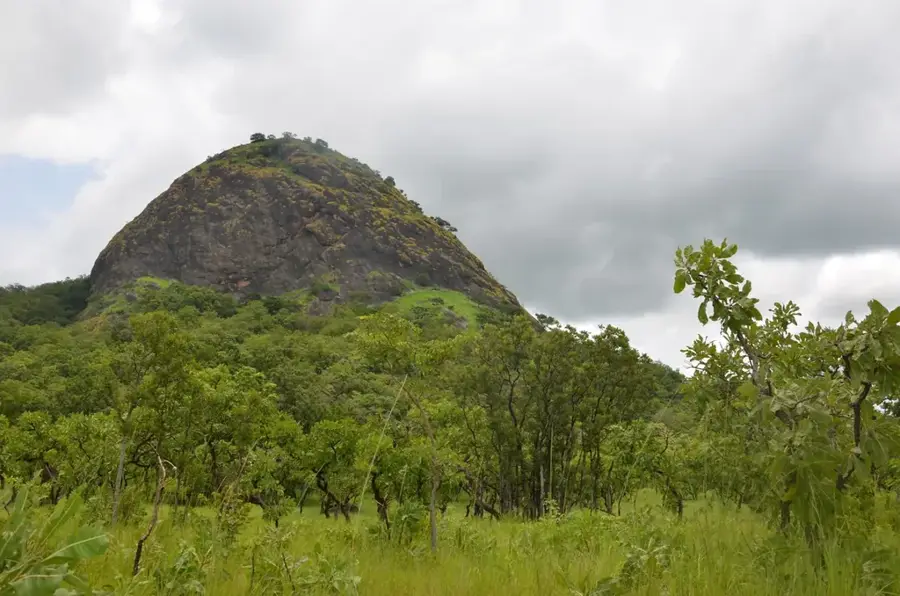
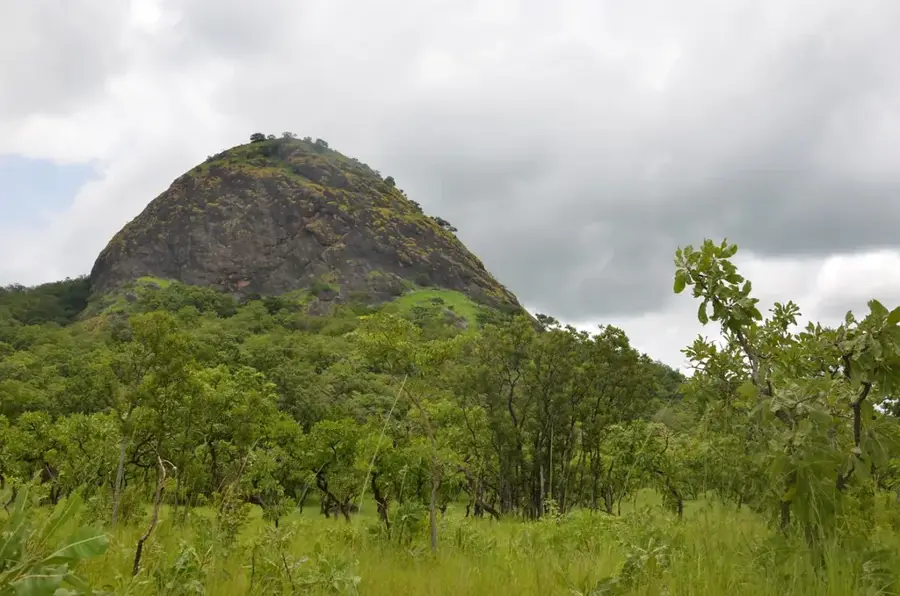
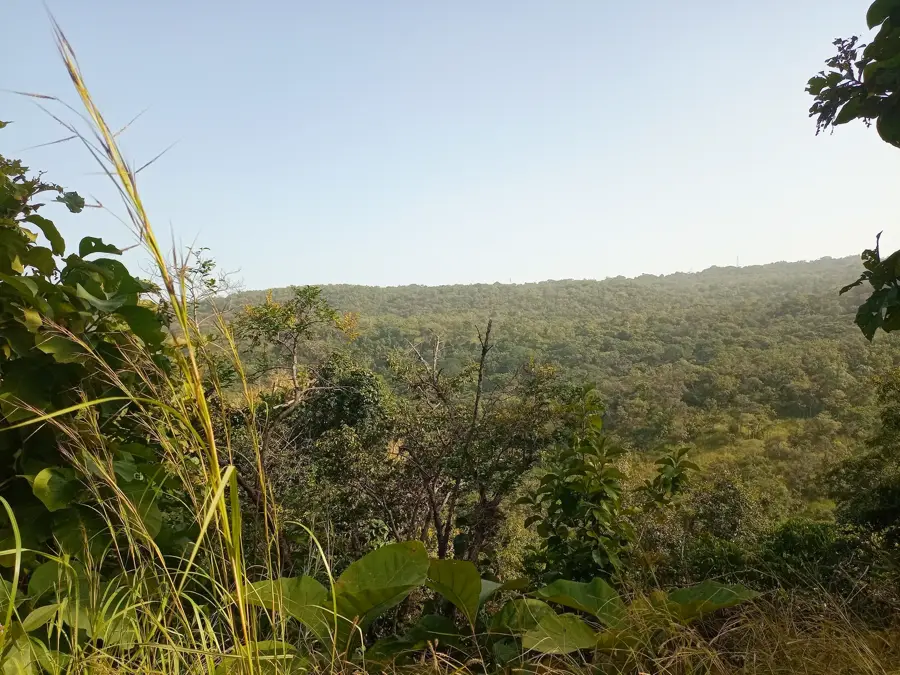
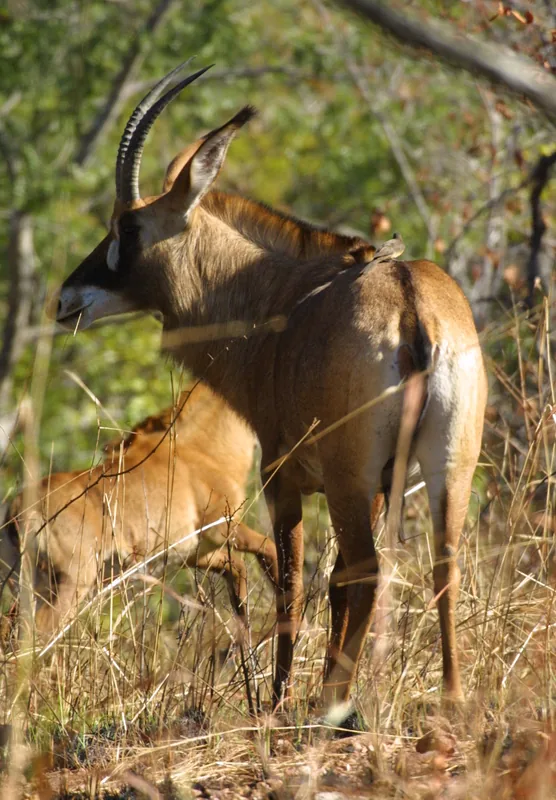
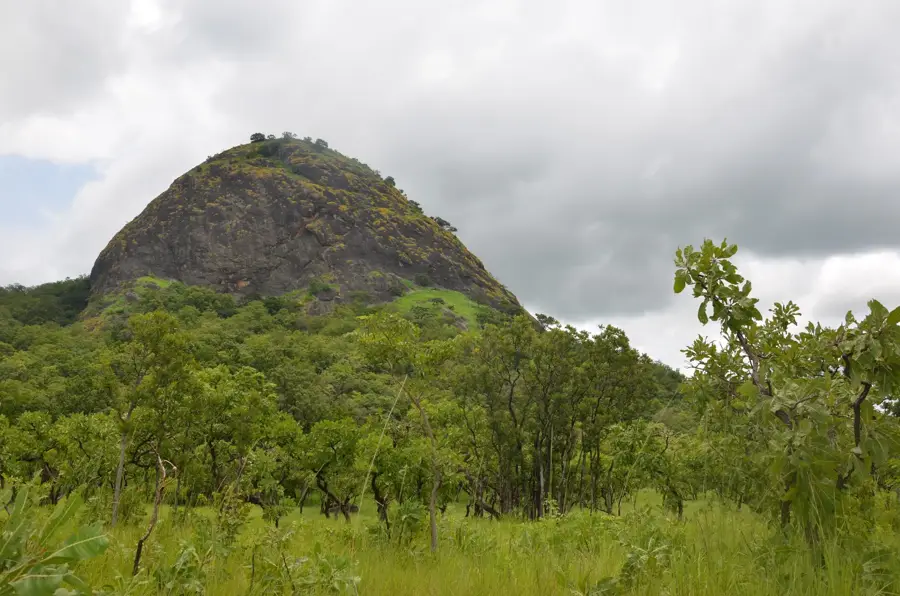
The Abdoulaye Wildlife Reserve is located in the Centrale Region of Togo, east of the city of Sokodé, forming an important protected area for the flora and fauna of the West African savanna zone. The reserve was established in 1951 to preserve biodiversity in a region increasingly pressured by agricultural expansion. It covers an area of approximately 30,000 hectares and is characterized by a mosaic of dry deciduous forests, gallery forests along watercourses, and open wooded savannas. The reserve is a significant sanctuary for elephants, which find a corridor here for their seasonal migrations, as well as for various antelope species and baboons. The vegetation is dominated by tree species such as Isoberlinia and Anogeissus, characteristic of the Guinean savanna ecosystem. In recent decades, increased efforts have been made to involve the local population in the protection of the reserve and to develop sustainable use concepts. Abdoulaye also serves as an important barrier against the spread of land degradation in the central region. Despite challenges from illegal activities, the reserve remains a cornerstone of Togolese nature conservation and an important research area for savanna ecology.
- Location: Togo
- Nearby: Sotouboua (35 km)
Best time to visit & climate
The most pleasant time to visit is Jan, Nov, Dec.
| Jan | Feb | Mar | Apr | May | Jun | Jul | Aug | Sep | Oct | Nov | Dec | |
|---|---|---|---|---|---|---|---|---|---|---|---|---|
| Avg °C | 25 | 27 | 28 | 28 | 27 | 26 | 25 | 25 | 25 | 25 | 26 | 25 |
| Rain mm | 12 | 16 | 50 | 108 | 141 | 178 | 239 | 225 | 252 | 143 | 14 | 4 |
📋 Practical info
Geography
Facts
- Official establishment of the reserve occurred in 1951
- Total area is approximately 30,000 hectares
- Important migration corridor for West African elephants
- Home to over 50 different mammal species
- Dominant tree genus is Isoberlinia (legumes)
- Located in the transition zone between forest and savanna
Explore nearby
Notable places around
Route planner — Car & Motorhome
Where do you start? We build the route here, with stops and country notes along the way.
© OpenStreetMap contributors · OpenRouteService
Sights nearby
Frequently asked questions
How is the infrastructure in the Abdoulaye reserve?
Are there guided hikes?
What kind of shoes do I need?
Can you visit the reserve all year round?
What should I carry for the hike?
Abdoulaye Wildlife Reserve: where is it located?
Abdoulaye Wildlife Reserve: when is the best time to visit?
Abdoulaye Wildlife Reserve: why is it worth visiting?

Nearby cities

History & landmarks
Nature
More places