Plizio Visual Lab
Vila de Ataúro
ℹ️Practical info — Vila de Ataúro
▾
🌤 Weather — 5 days
📍 Nearby
Sights nearby
💡 Tips
- Observe the 'Sunday Rule': most shops are closed and no public transport runs on Sundays, as it is a day of rest.
- Bring plenty of US dollars in small denominations, as there are absolutely no ATMs anywhere on Ataúro Island.
- Pay the $2 USD 'Tara Bandu' conservation fee when snorkeling or diving; it goes directly to community-led marine protection.
- Use local tuk-tuks for the 4km trip between the Beloi pier and Vila; the fare is usually a fixed $2 USD per person.
- Ataúro is part of the Coral Triangle and world-famous for biodiversity; bring your own snorkeling gear for convenience.
🍽 Food
A traveler favorite in Vila; they serve great Italian-inspired dishes like gnocchi, but you must order 4 hours in advance.
Freshly harvested seaweed with lime and chili; a refreshing local specialty often served at eco-lodges.
Look for fresh octopus grilled over charcoal at the Saturday beach market near the Beloi pier.
🛍 Shopping · 🧘 Quiet spots
A world-renowned women’s cooperative producing high-quality, hand-embroidered dolls and textiles in Vila.
Held on Saturdays near the pier; first-rate for buying local handicrafts and snacks as the ferries arrive.
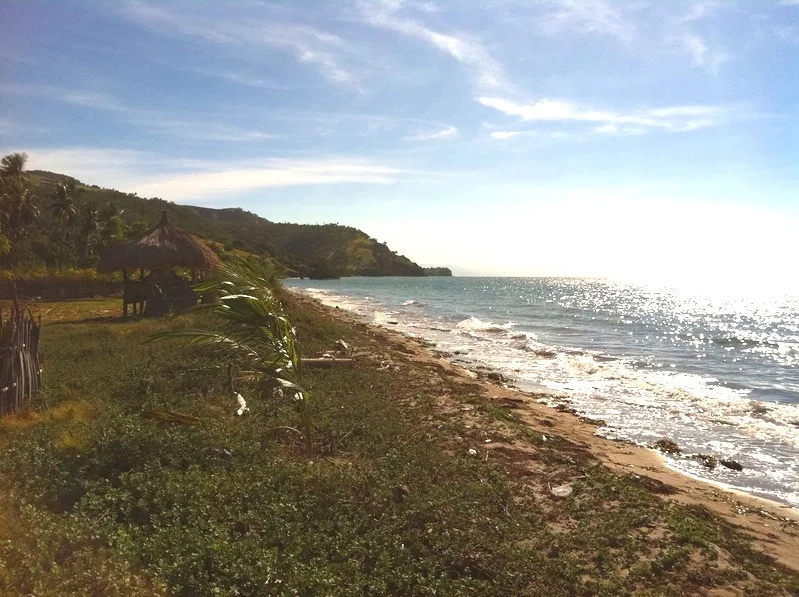
A 1-hour walk along the coast between Vila and Beloi gives solitude and great views of the fringing reef.
The reef directly in front of Vila is excellent for snorkeling and often much quieter than the spots further north.
Water temperature…
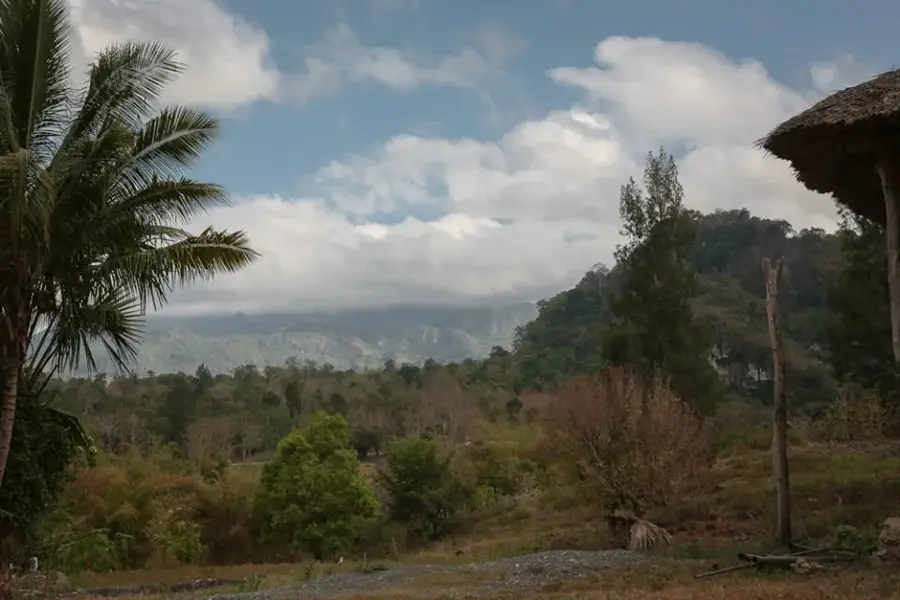
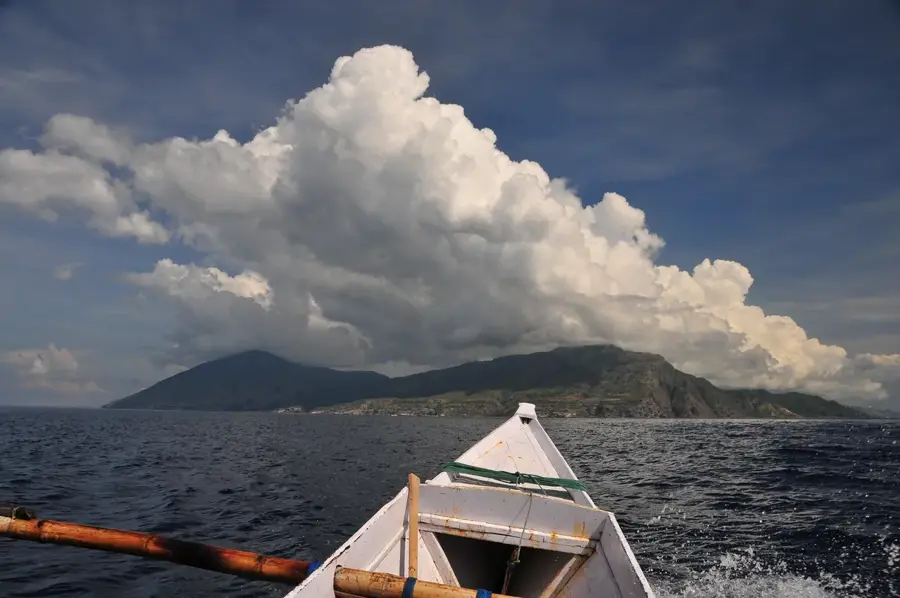
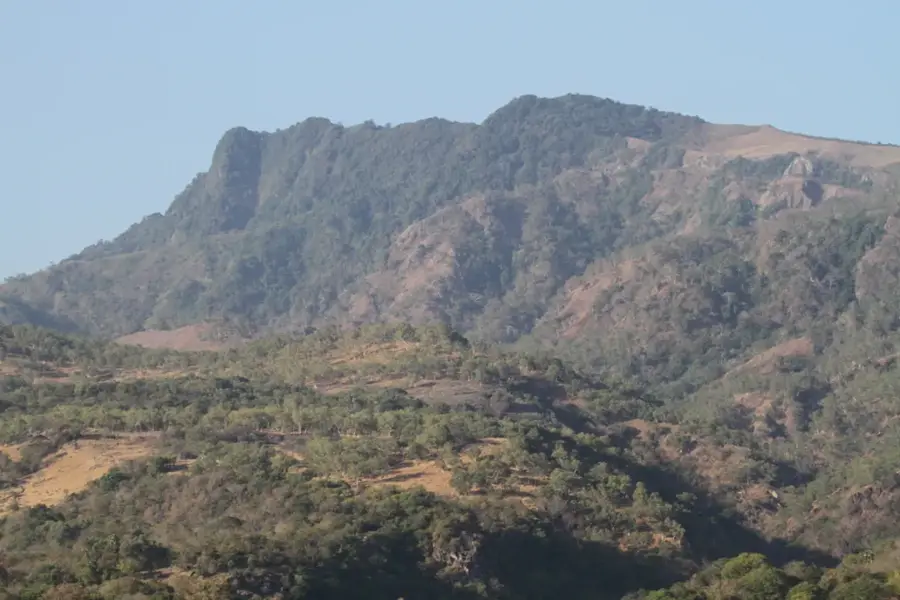
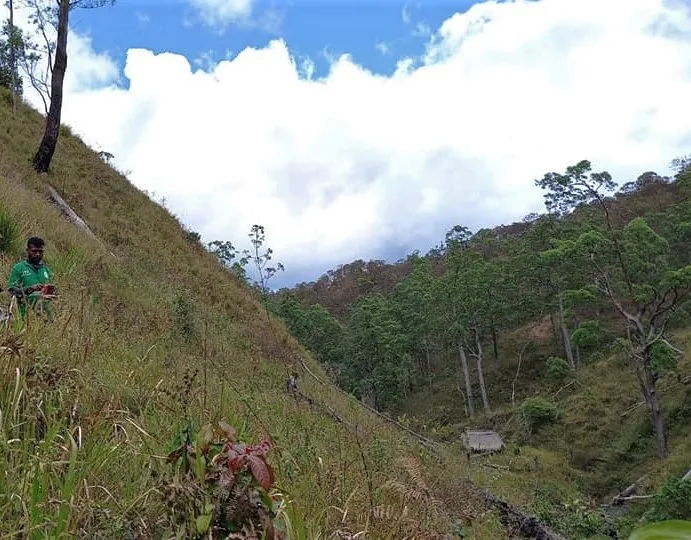
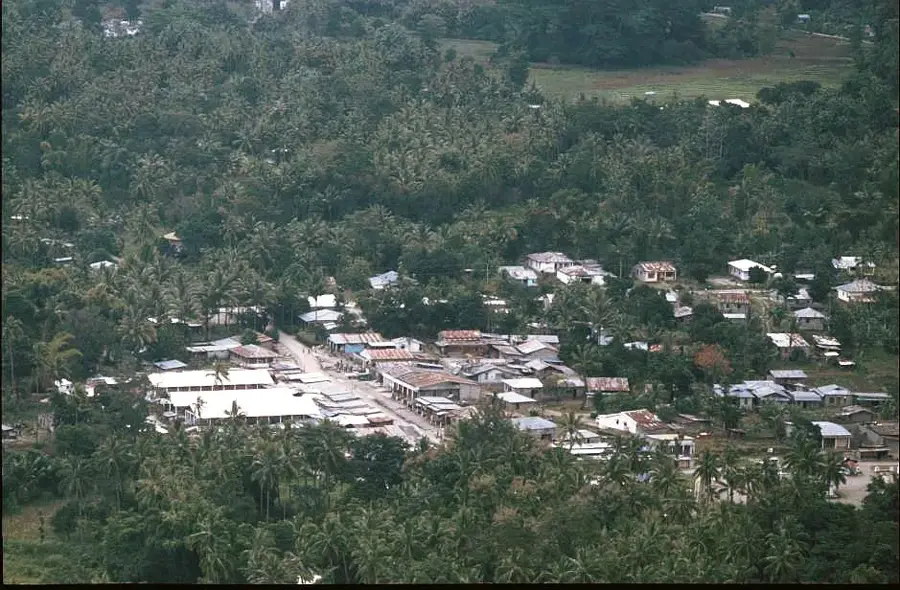
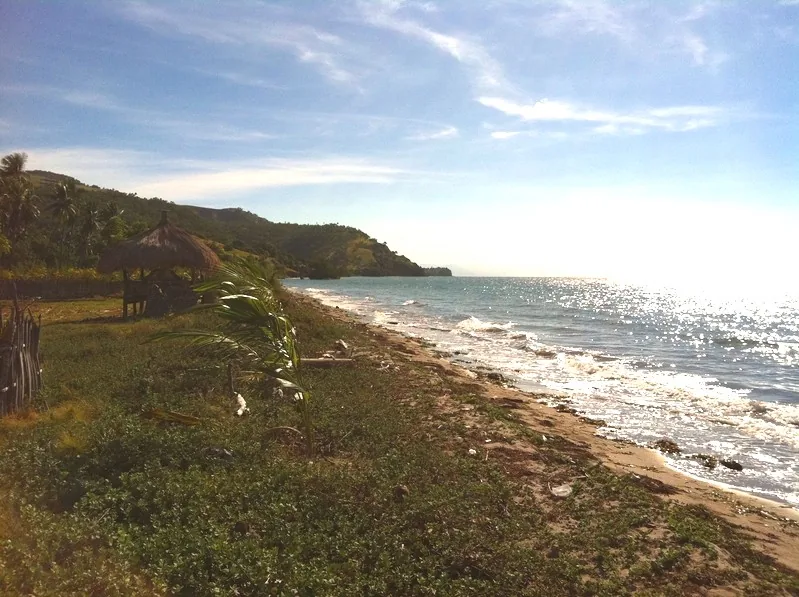
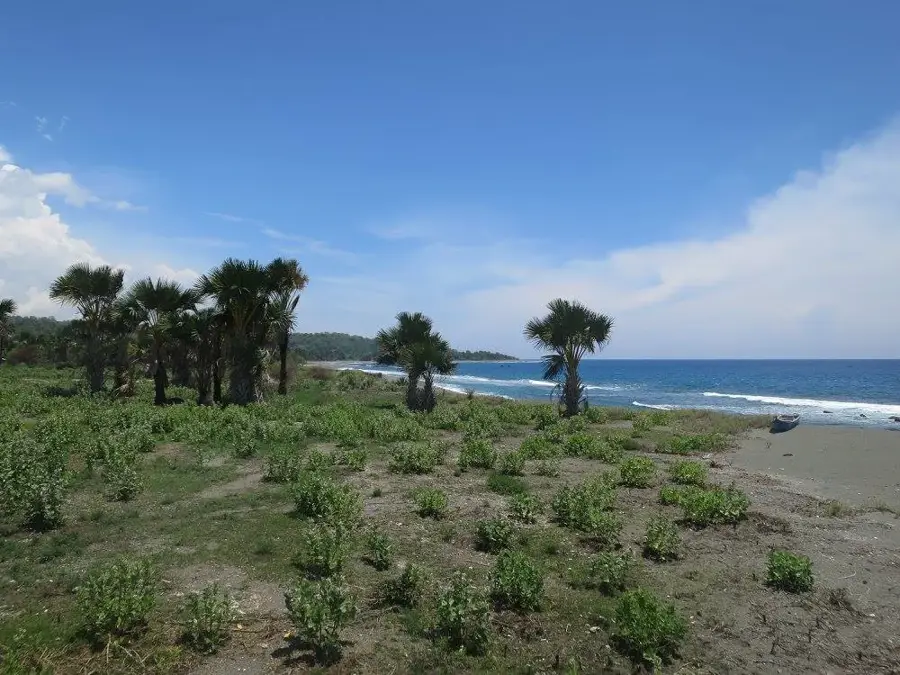
Vila de Ataúro is the primary settlement on Ataúro Island, situated approximately 25 kilometers north of the capital city, Dili. The town has a long history as a place of exile during the Portuguese colonial era and was later used as a prison camp under Indonesian rule. Geographically, Vila de Ataúro features a spectacular setting, backed by the island's steep volcanic mountains and fringed by pristine coral reefs just offshore. The waters surrounding Ataúro are recognized as some of the most biodiverse marine environments on Earth, making the town an emerging hub for eco-tourism and diving enthusiasts. The local economy traditionally relies on fishing and small-scale farming, though artisanal crafts, particularly woodcarving, have gained prominence in recent years. Despite its relative proximity to Dili, Vila de Ataúro has maintained a tranquil and traditional character, defined by strong community ties and sustainable living practices. The architecture consists mainly of simple, tropical structures designed to withstand the coastal climate. Today, the settlement is at the forefront of marine conservation efforts and sustainable island development.
- Location: Timor-Leste
- Nearby: Aileu (32 km)
- Population: ~9.274 (2025)
Best time to visit & climate
The most pleasant time to visit is Jul–Sep.
| Jan | Feb | Mar | Apr | May | Jun | Jul | Aug | Sep | Oct | Nov | Dec | |
|---|---|---|---|---|---|---|---|---|---|---|---|---|
| Avg °C | 28 | 28 | 28 | 29 | 29 | 28 | 27 | 27 | 28 | 29 | 30 | 29 |
| Rain mm | 242 | 189 | 138 | 80 | 51 | 31 | 12 | 4 | 5 | 16 | 58 | 184 |
Geography
Facts
- Ataúro Island was officially separated from Dili to become its own municipality in 2022.
- The waters around the island have the highest average reef fish diversity in the world.
- Vila de Ataúro is the gateway for visitors arriving by ferry or water taxi from Dili.
- The island's name Ataúro means Goat in the local language, due to the many goats kept there.
- Boneca de Ataúro is a well-known local women's cooperative producing handmade dolls.
- Fresh water is a scarce resource on the island, often collected from mountain springs.
Explore nearby
Notable places around
Route planner — Car & Motorhome
Where do you start? We build the route here, with stops and country notes along the way.
© OpenStreetMap contributors · OpenRouteService
Sights in the town Vila de Ataúro (1)
Frequently asked questions
How many days to allocate for Ataúro?
When is the best time?
How to get there?
What can I do?
Are there many tourists?
Vila de Ataúro: where is it located?
Vila de Ataúro: when is the best time to visit?
Vila de Ataúro: why is it worth visiting?

Nearby cities

History & landmarks
Nature
More places