Plizio Visual Lab
Faras Ruins
Weather…
Water temperature…
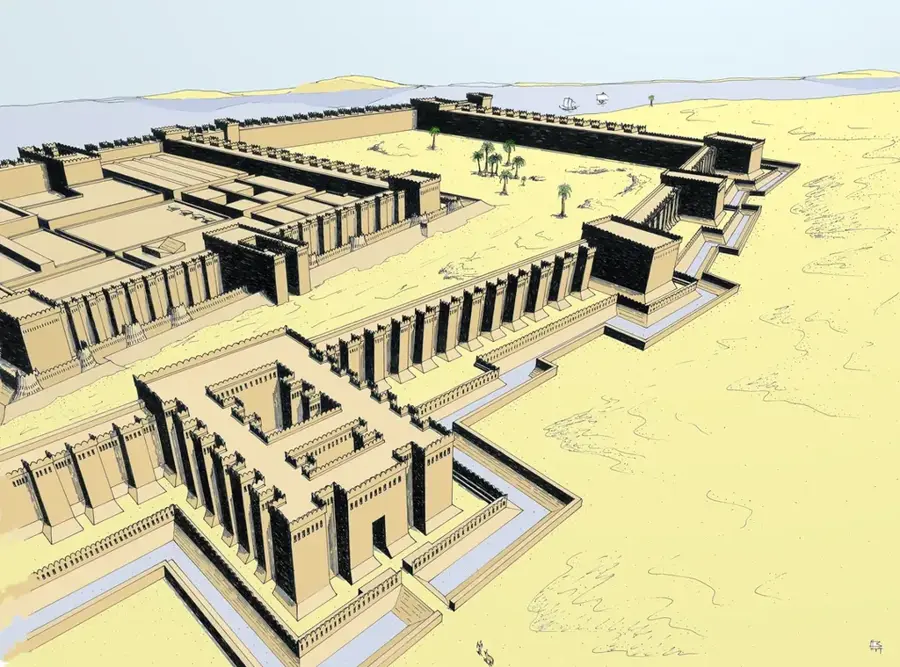
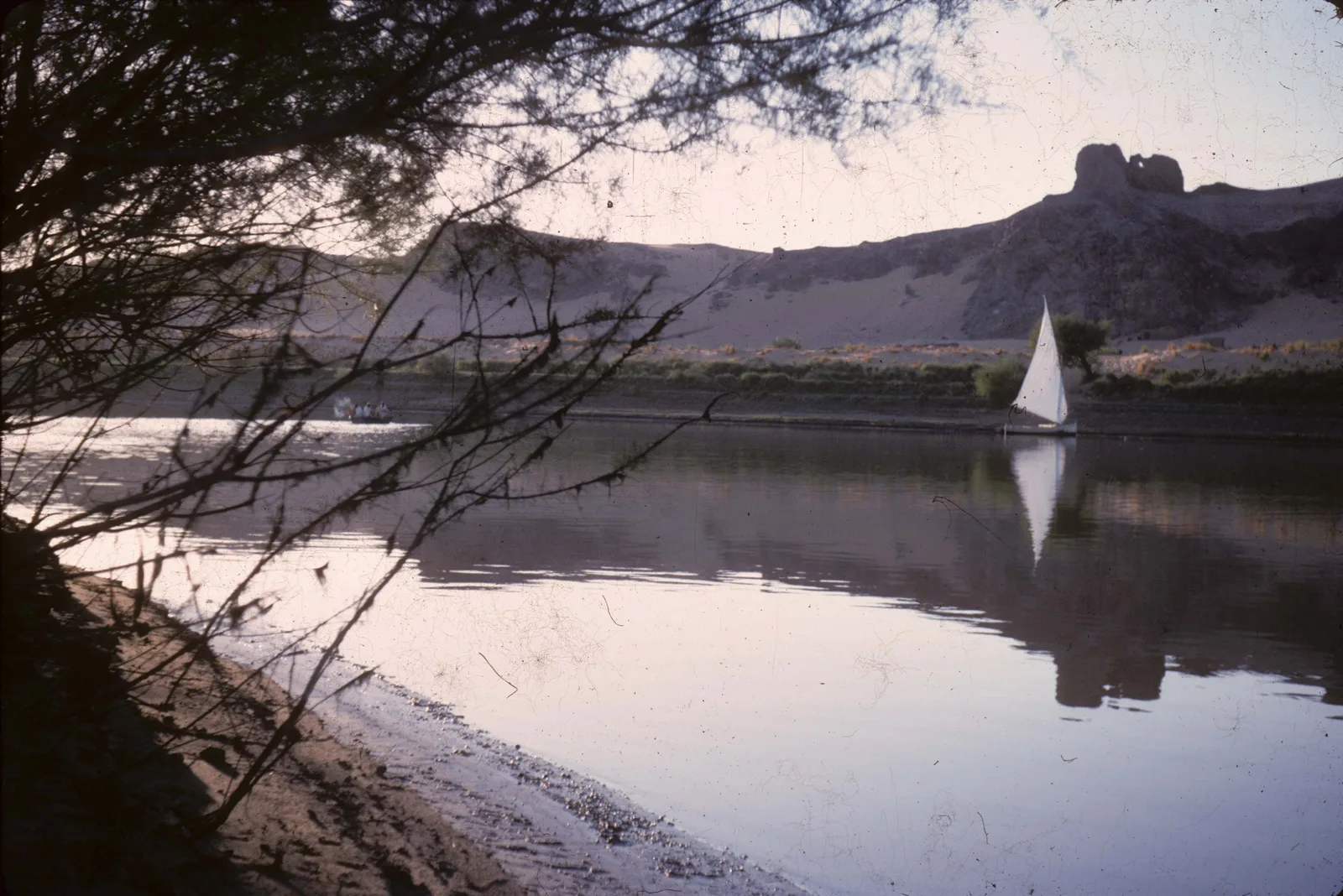
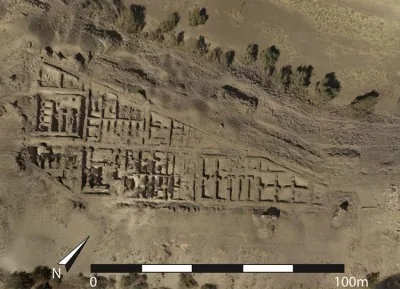
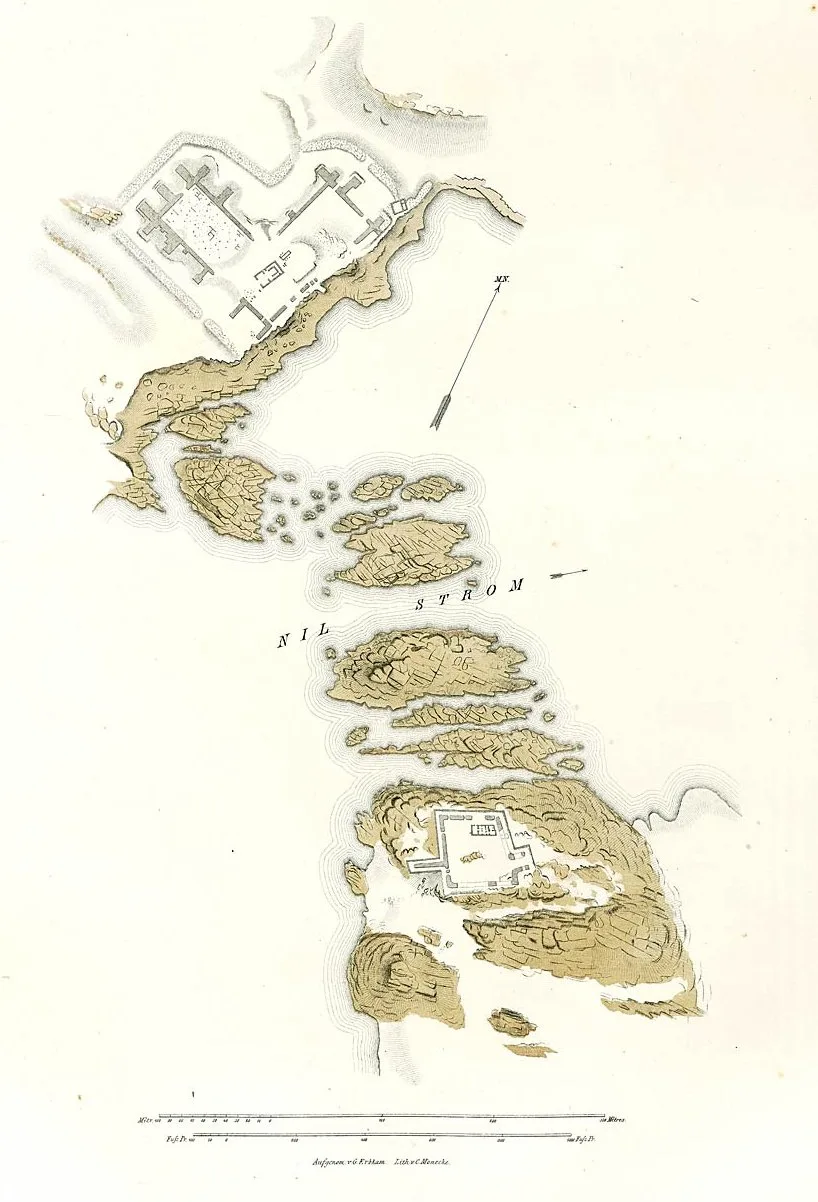
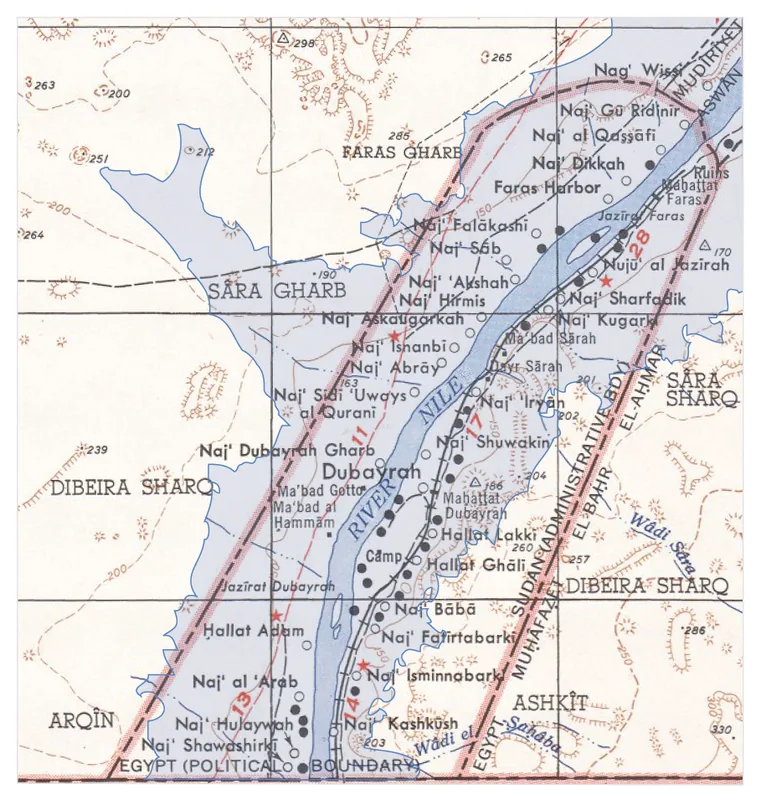
Faras, known in antiquity as Pachoras, was the most significant administrative and religious center of the Christian kingdom of Nobatia and later Makuria. The city on the Nile was famous for its monumental cathedral, founded in the 7th century and magnificently expanded over the centuries. Faras became world-famous through the rescue of its extraordinary wall paintings in the 1960s, before the site was submerged by Lake Nasser due to the construction of the Aswan High Dam. Over 120 frescoes depicting biblical scenes, Nubian kings, and bishops were secured by Polish archaeologists and are now housed in museums in Khartoum and Warsaw. The Faras Cathedral was considered one of the most important examples of Nubian Christian art and architecture. In addition to being a religious center, Faras was a hub for trade and diplomacy between the Byzantine Empire and Central Africa, which underpinned its wealth and cultural splendor.
- Location: Sudan
- Nearby: Wadi Halfa (39 km)
Best time to visit & climate
The most pleasant time to visit is Feb, Mar, Nov.
| Jan | Feb | Mar | Apr | May | Jun | Jul | Aug | Sep | Oct | Nov | Dec | |
|---|---|---|---|---|---|---|---|---|---|---|---|---|
| Avg °C | 15 | 18 | 22 | 27 | 31 | 33 | 34 | 34 | 32 | 28 | 21 | 17 |
| Rain mm | 0 | 0 | 0 | 0 | 0 | 0 | 0 | 0 | 0 | 0 | 0 | 0 |
📋 Practical info
Geography
Facts
- The city of Faras is now completely below the water level of Lake Nasser.
- The cathedral was consecrated in 707 AD by Bishop Paulos.
- The most famous fresco depicts Saint Anne and is considered a masterpiece of Nubian art.
- Polish archaeologists under Kazimierz Michałowski rescued the frescoes between 1961 and 1964.
- Faras was the seat of a powerful episcopate for over 600 years.
- The ruins also contained an Egyptian Middle Kingdom fortress.
Explore nearby
Notable places around


Route planner — Car & Motorhome
Where do you start? We build the route here, with stops and country notes along the way.
© OpenStreetMap contributors · OpenRouteService
Sights nearby
Frequently asked questions
What is special about the Faras ruins?
Where are the original finds?
Is the site accessible today?
Is it worth traveling there?
Is there a visitor center?
Faras Ruins: where is it located?
Faras Ruins: when is the best time to visit?
Faras Ruins: why is it worth visiting?

Nearby cities
History & landmarks
More places