Plizio Visual Lab
Sesibi Temple
Weather…
Water temperature…
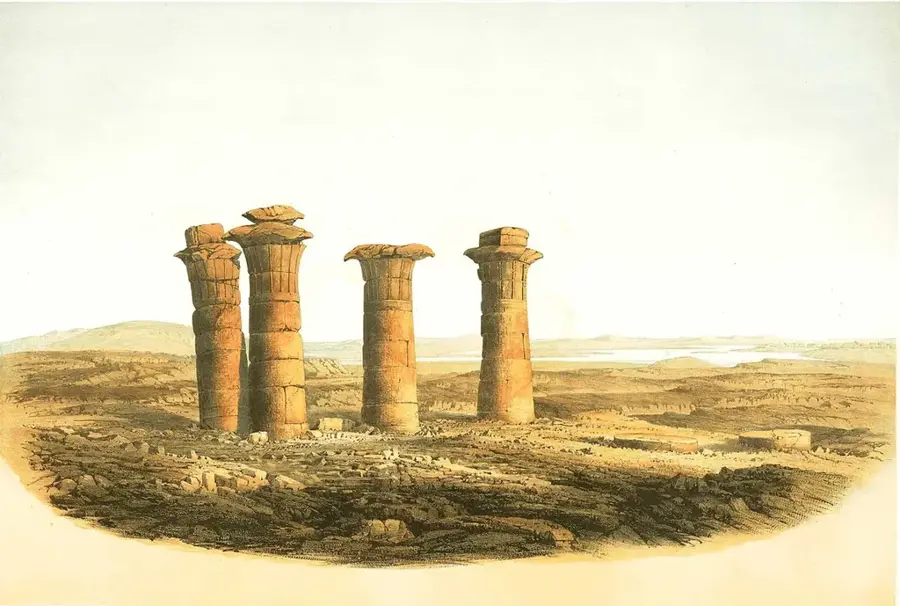
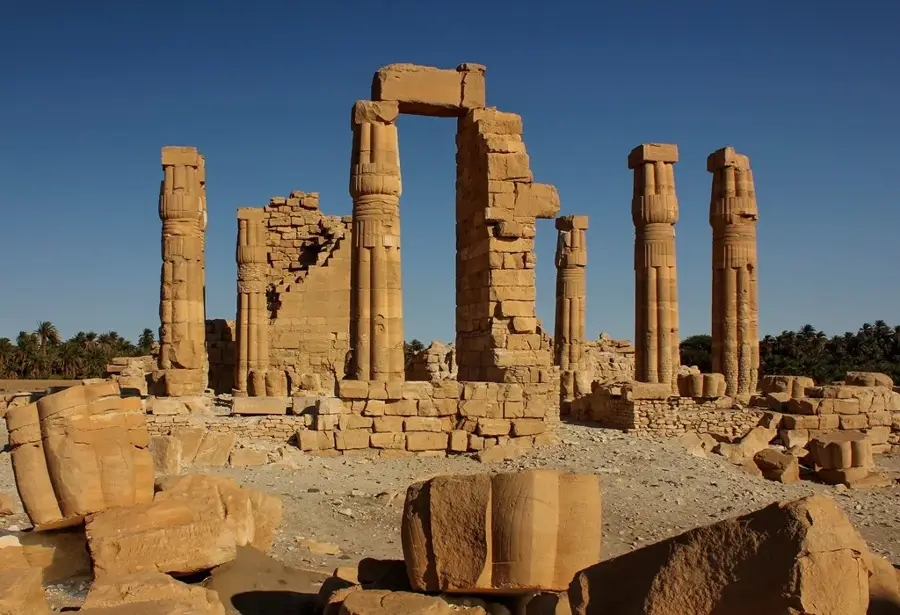
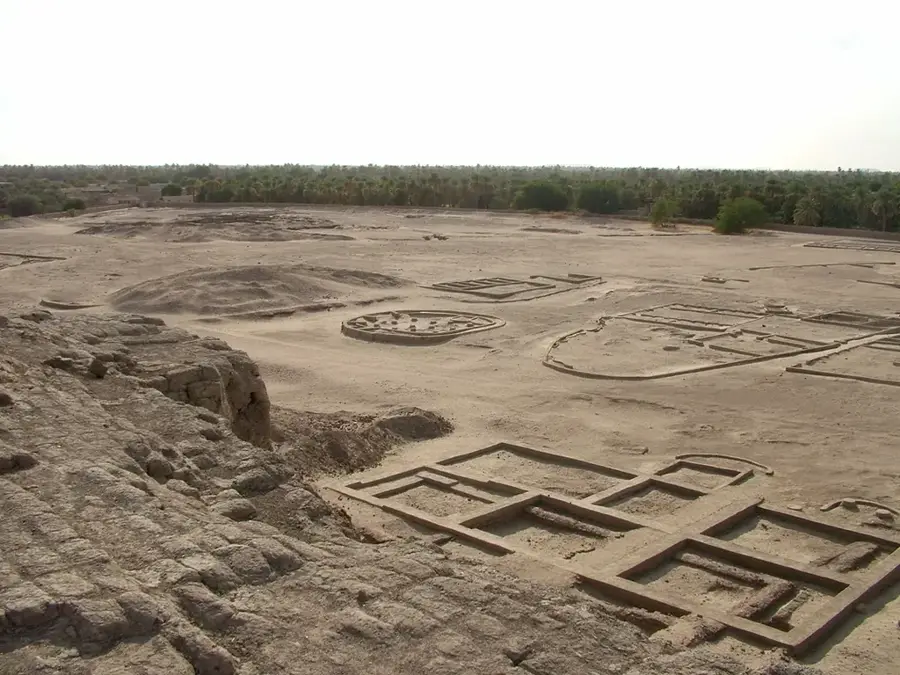
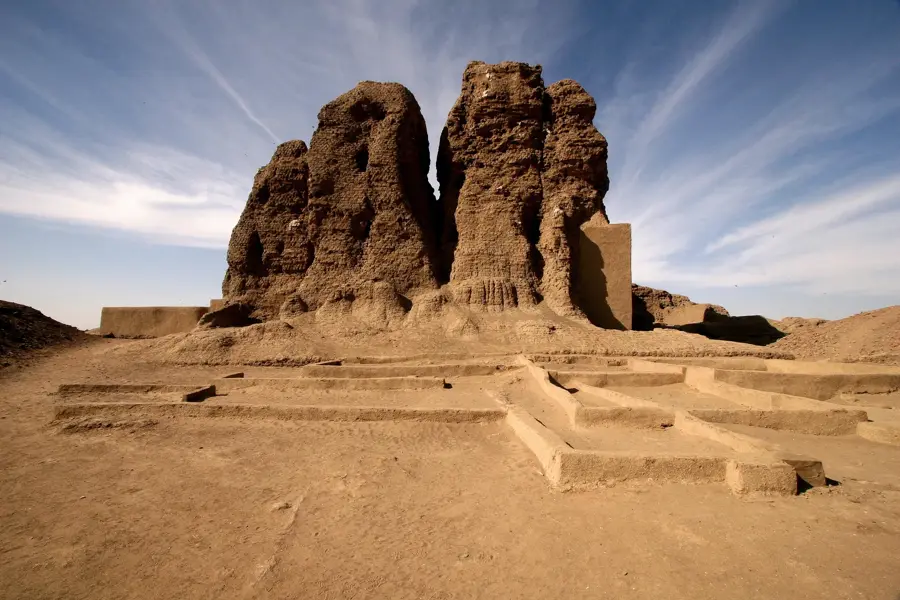
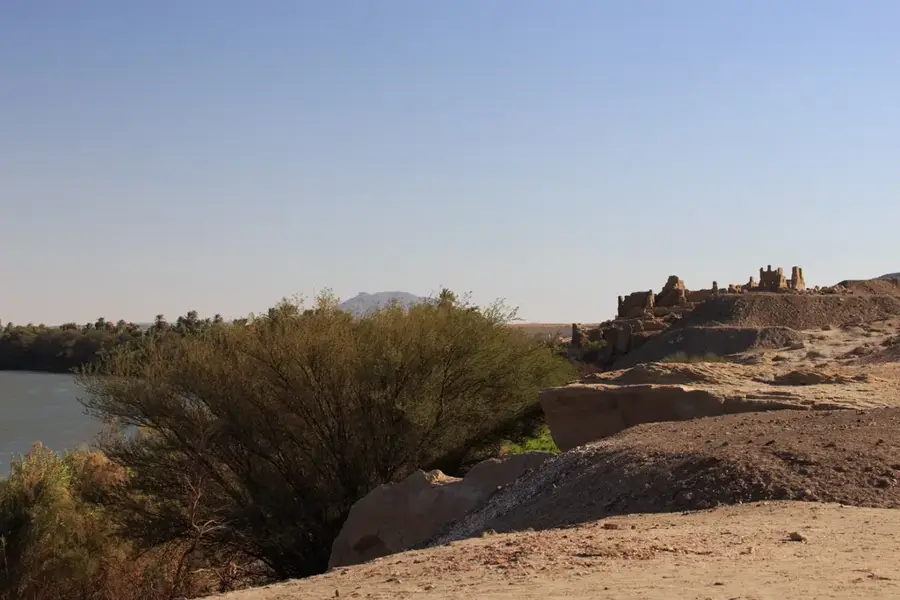
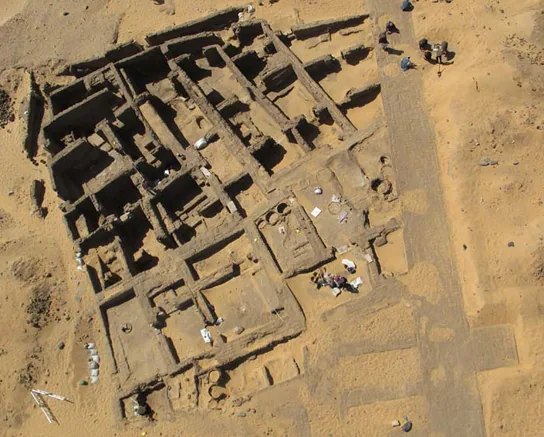
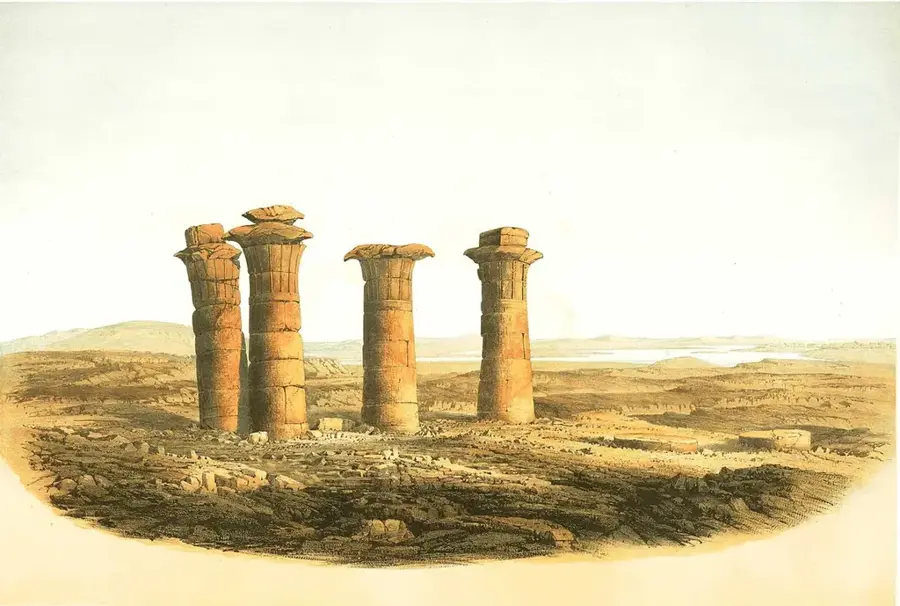
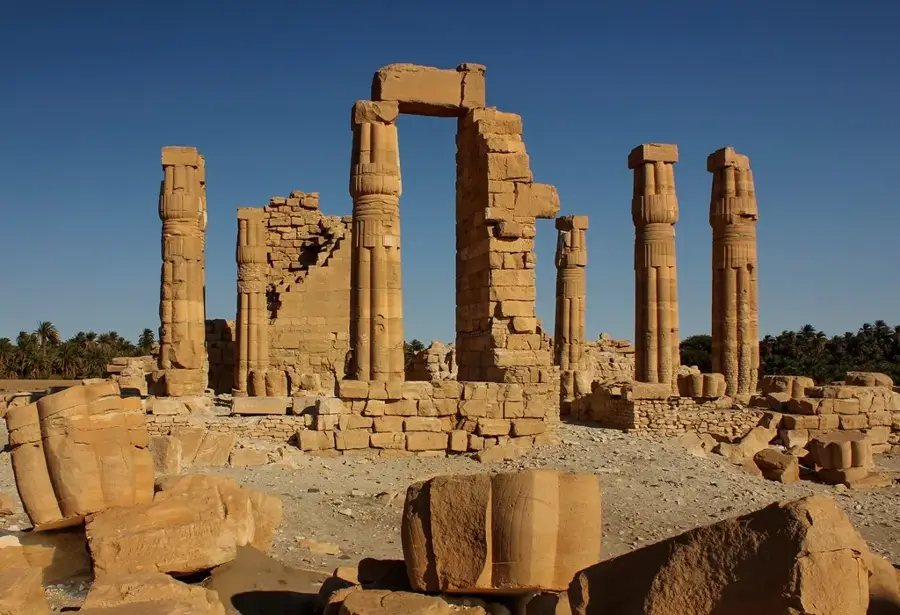
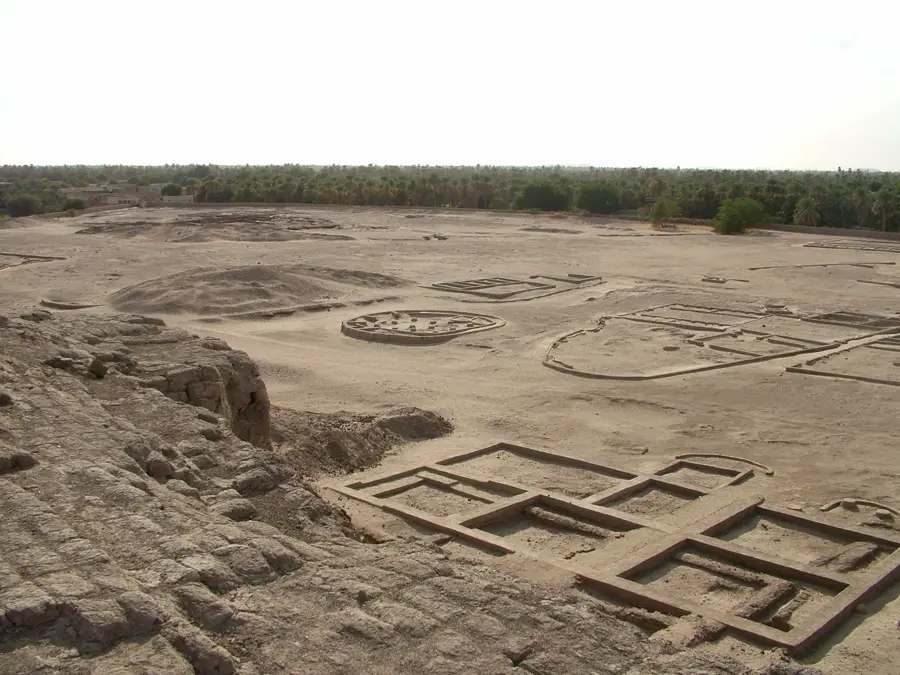
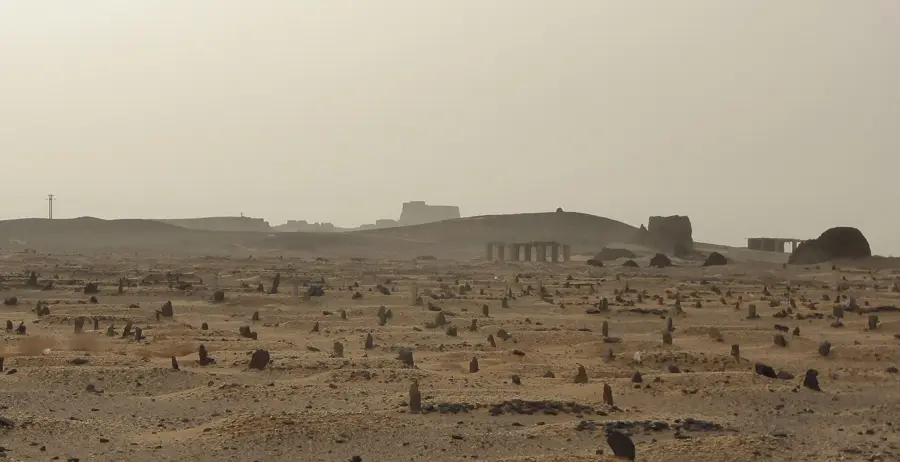
The Temple of Sesibi is a significant archaeological site from the time of the Egyptian New Kingdom, originally erected under the reign of Amenhotep IV, better known as Akhenaten. The structure was located within a fortified city that served as an important administrative center in Nubia. Today, primarily three striking columns remain from the once monumental temple, visible from afar in the desert landscape. These columns once belonged to a hall dedicated to the gods Amun, Mut, and Khonsu. It is noteworthy that Sesibi is one of the few sites where traces of Akhenaten's early reign before his religious revolution can be found. Later, under Seti I, the temple was remodeled and expanded. The ruins of Sesibi provide important information about Egyptian urban planning in Nubia and religious developments during the 18th Dynasty. Despite its heavy destruction, the site remains a significant destination for research due to its historical connections to the great pharaohs.
- Location: Sudan
- Nearby: Argo (86 km)
Best time to visit & climate
The most pleasant time to visit is Feb, Nov, Dec.
| Jan | Feb | Mar | Apr | May | Jun | Jul | Aug | Sep | Oct | Nov | Dec | |
|---|---|---|---|---|---|---|---|---|---|---|---|---|
| Avg °C | 17 | 20 | 24 | 29 | 32 | 34 | 35 | 36 | 34 | 30 | 23 | 18 |
| Rain mm | 0 | 0 | 0 | 0 | 0 | 0 | 2 | 1 | 0 | 0 | 0 | 0 |
📋 Practical info
Geography
Facts
- Akhenaten founded the city of Sesibi in the 14th century BC.
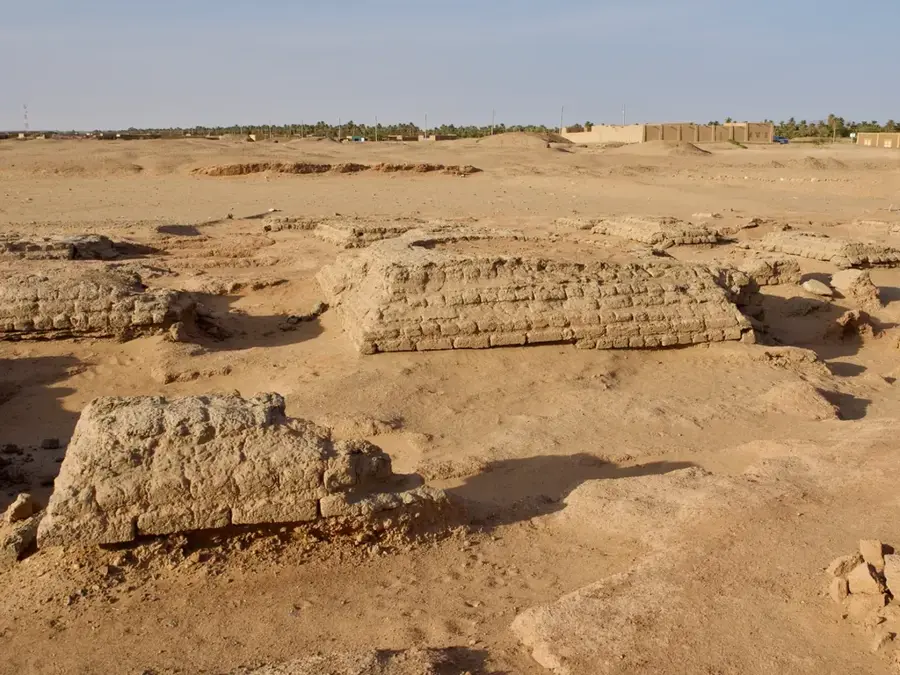
- The city wall of Sesibi was approximately four meters thick.
- Under Seti I, scenes of the coronation were added to the temple reliefs.
- Sesibi is located on the western bank of the Nile between the 2nd and 3rd cataracts.
- Four large silos for grain storage were discovered in the city.
- The columns feature a specific 'palm capital' design.
Explore nearby
Notable places around


Route planner — Car & Motorhome
Where do you start? We build the route here, with stops and country notes along the way.
© OpenStreetMap contributors · OpenRouteService
Sights nearby
Frequently asked questions
What remains of the Sesibi temple?
Is the place hard to find?
Are there tours?
How is the accessibility?
Is there food in Sesibi?
Sesibi Temple: where is it located?
Sesibi Temple: when is the best time to visit?
Sesibi Temple: why is it worth visiting?

Nearby cities
History & landmarks
More places