Plizio Visual Lab

Elephant Pass
Plizio editorial teamData Sources
battlefield
—°9
Elephant Pass (Sri Lanka)

Weather…

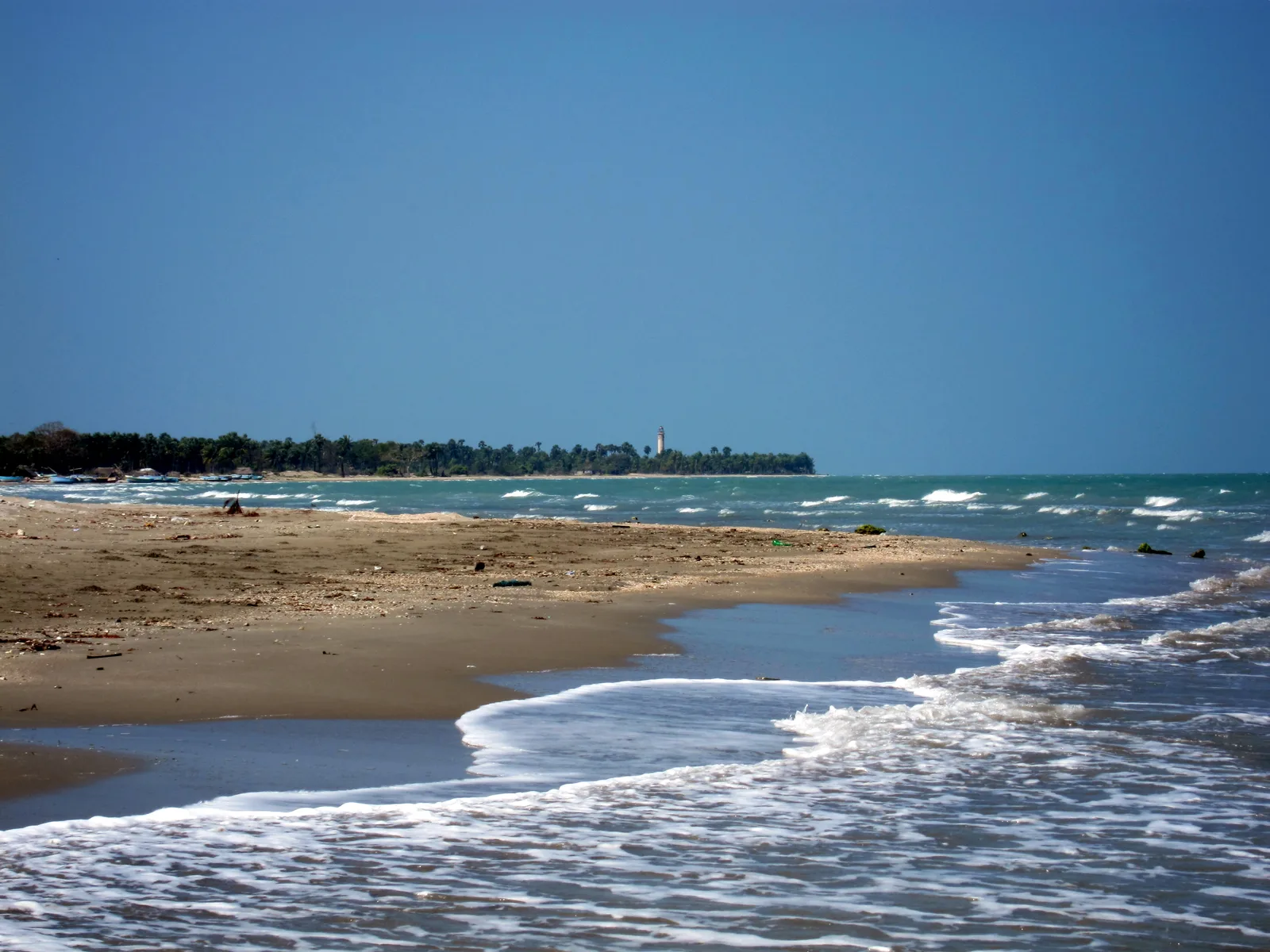
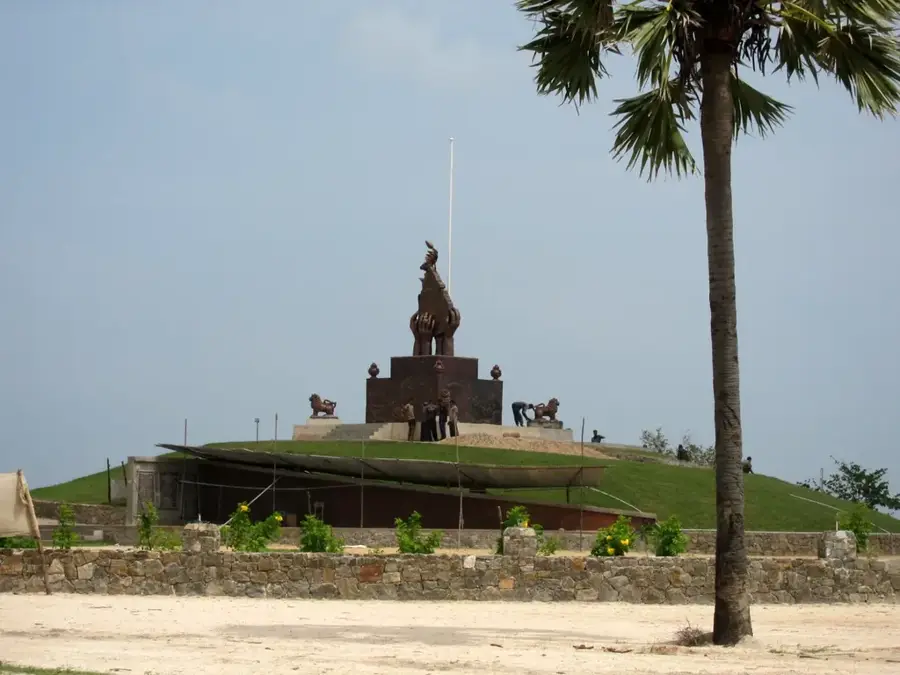
Elephant Pass is a strategically vital causeway connecting the Jaffna Peninsula to the rest of Sri Lanka. Historically, this narrow strip of land served as a key corridor for the elephant trade, which gave the pass its distinctive name. Due to its geographical significance, Elephant Pass has been a site of military fortification since the 18th century, occupied successively by the Portuguese, Dutch, and British. In the late 20th century, it became one of the most contested battlegrounds during the Sri Lankan Civil War, with its control being essential for accessing the northern province. Today, the site features a prominent memorial dedicated to Hasalaka Gamini, a soldier hailed as a hero for his actions during the 1991 siege. Since the end of the war in 2009, the area has undergone significant reconstruction, with the main highway and railway line restored to facilitate peaceful travel and commerce between the north and south.

Best time to visit & climate

The most pleasant time to visit is Jan–Mar.

JanFebMarAprMayJunJulAugSepOctNovDec
Avg °C262628293029292929282726
Rain mm664848919332386482225311244

📋 Practical info

🚪
Visiting
The monument at Elephant Pass is an open-air historical area commemorating the intense battles of the civil war. Visitors can view the memorials and the exhibited military remnants up close.
🕒
Typical hours
Since it is a public, easily accessible location along the main road, there are no strict opening hours. However, visiting during daylight hours is highly recommended to be able to see everything clearly.
📷
Photography
Photographing the monuments and the surrounding landscape is generally allowed and very popular among tourists. Please show respect at this memorial site, however, and avoid any inappropriate or disrespectful poses.
⏱️
Time needed
A typical stop at this historically significant bottleneck usually takes about twenty to forty minutes. This is entirely sufficient to view the main memorial and read the accompanying information boards.
Combine with
This location makes a well-suited stopover on the long drive up to the northern city of Jaffna or on the way back south. It is easily integrated into a multi-day exploration of the Northern Province.
🧭
Getting there
The memorial is located directly on the important A9 highway, which connects the Jaffna peninsula with the rest of the island. There is ample parking available right by the side of the road near the monuments.
💡
Insider tip
Read up a bit on the context of the civil war before your trip to better understand the emotional weight of this place. Keep in mind as well that the direct sun can often be unforgivingly hot here.

Geography

Coordinates
9.52360, 80.39580

Facts

  • The site served historically as a toll station for the export of elephants.
  • The first significant fortress was built here by the Dutch in 1760.
  • The strategic width of the corridor is less than 1 kilometer at certain points.
  • The memorial for Hasalaka Gamini commemorates the 1991 siege of the base.
  • The pass was officially liberated and brought under state control in 2009.
  • The railway line crossing Elephant Pass was reopened to the public in 2014.

Explore nearby

Notable places around

Route planner — Car & Motorhome

Where do you start? We build the route here, with stops and country notes along the way.

Vehicle
Only stops with (optional):

© OpenStreetMap contributors · OpenRouteService

Sights in the town Elephant Pass (9)

Terrrorist Bulldozer🌿 nature

An armored bulldozer captured during the 1991 battle for Elephant Pass, now serving as a war memorial.

Dutch Fort Pyle Ruins🏺 historical

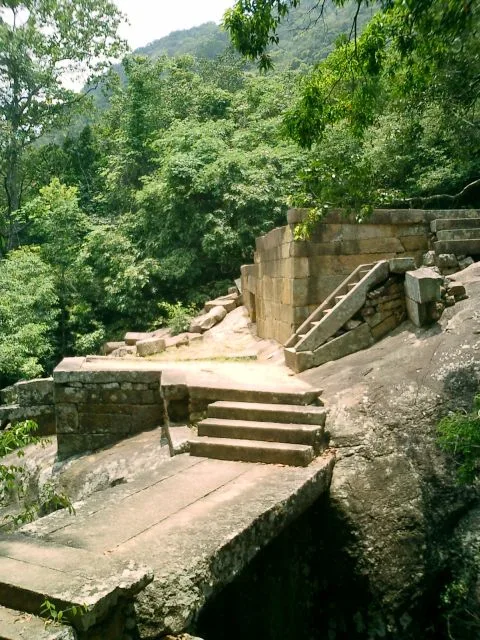
The foundations of a 17th-century Dutch fort that once controlled the strategic access to the Jaffna Peninsula.

Dutch Fort Beschutter Ruins🌿 nature

Ruins of a Dutch observation post that once guarded the narrow lagoon crossing at Elephant Pass.

Dutch Fort Elephantpass Ruins🌿 nature

Remains of the historical Dutch fort at this strategic bottleneck between the mainland and the peninsula.

Monument of Peace🏺 historical

A modern monument at Elephant Pass symbolizing reconciliation and peace after the end of the civil war.

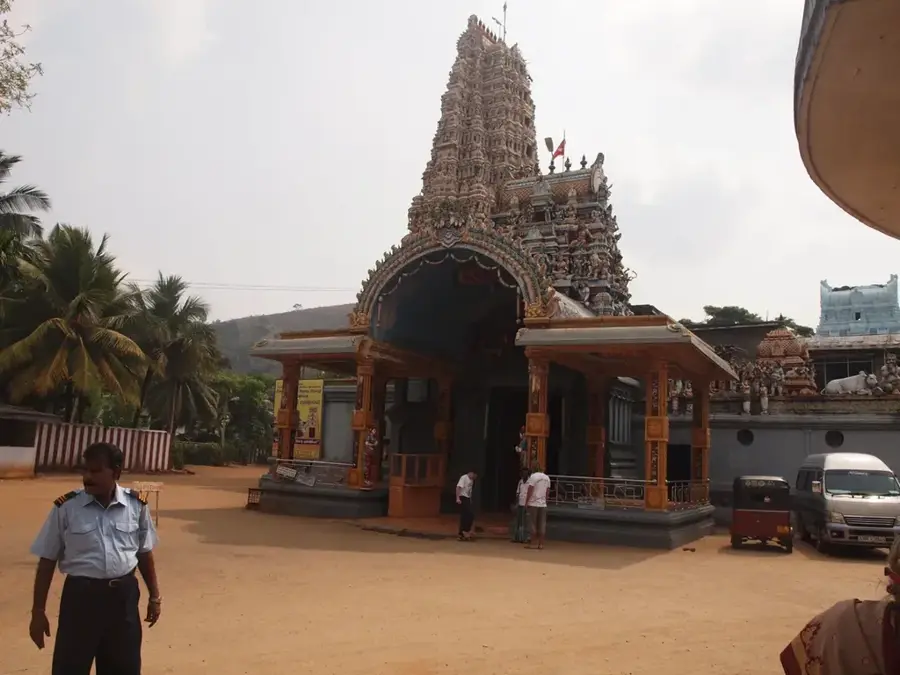
Vairavar Kovil📍 landmark

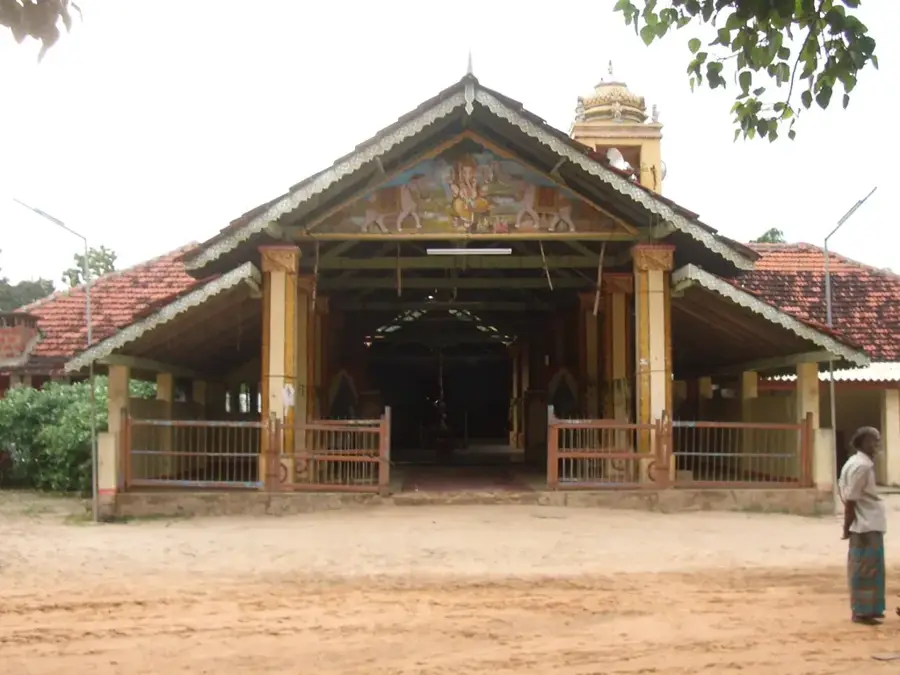
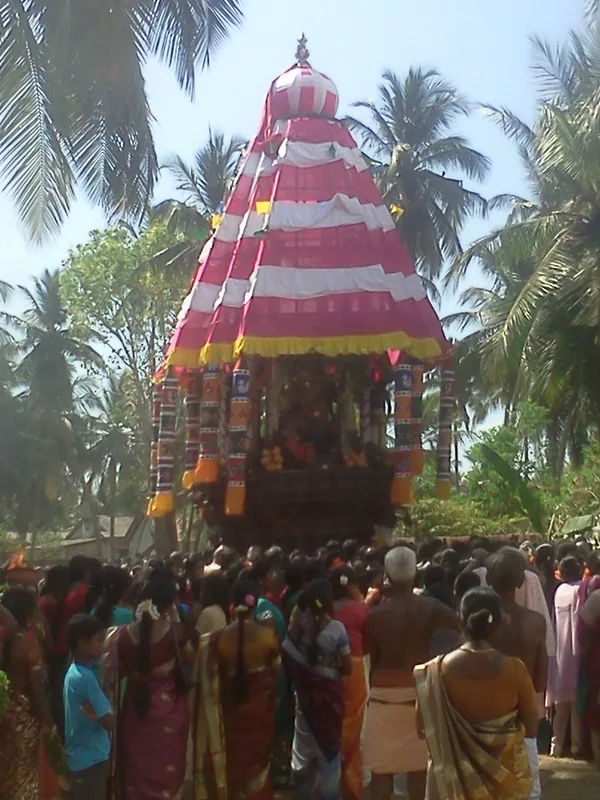
A Hindu temple for Vairavar located near the strategic causeway at Elephant Pass.

Parantha ASC⛪ religious

A local Hindu shrine located near the Paranthan junction, a major transit point in the north.

St.Antony,s church📍 landmark

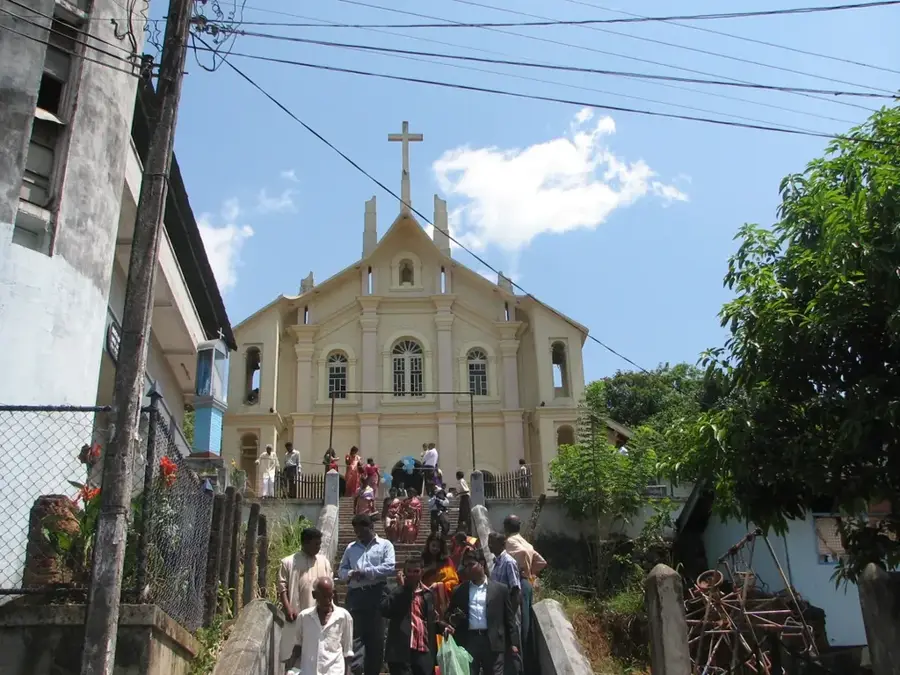
A small Christian church serving the community in the arid landscape around Elephant Pass.

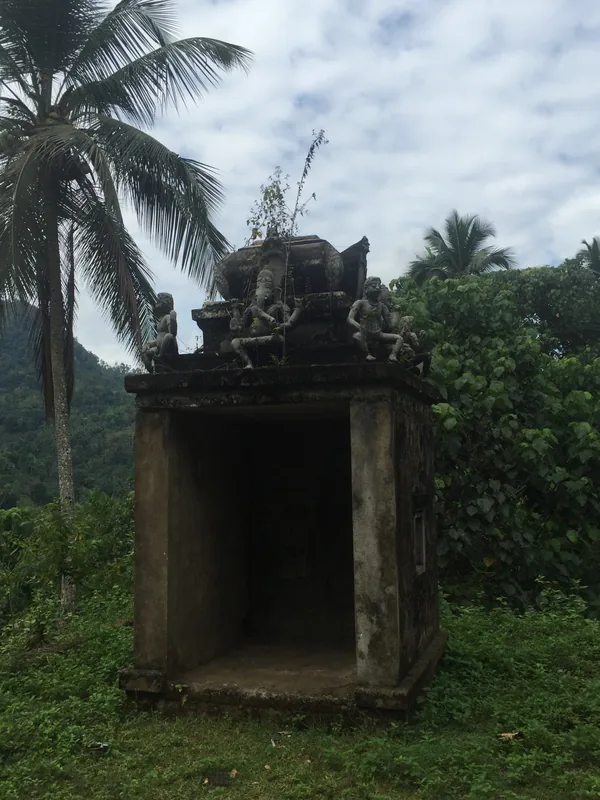
uduththurai ainthamanai pillaiyar temple📍 landmark

A coastal temple for Ganesha in Uduththurai, located right on the shore of the Jaffna Peninsula.

Sights nearby

Frequently asked questions

What is Elephant Pass?
It is a strategically important land strip connecting the Jaffna peninsula to the mainland.
Are there war memorials there?
Yes, there are memorials commemorating the civil war battles, including the Gamini Kularatne memorial.
Can you see elephants there?
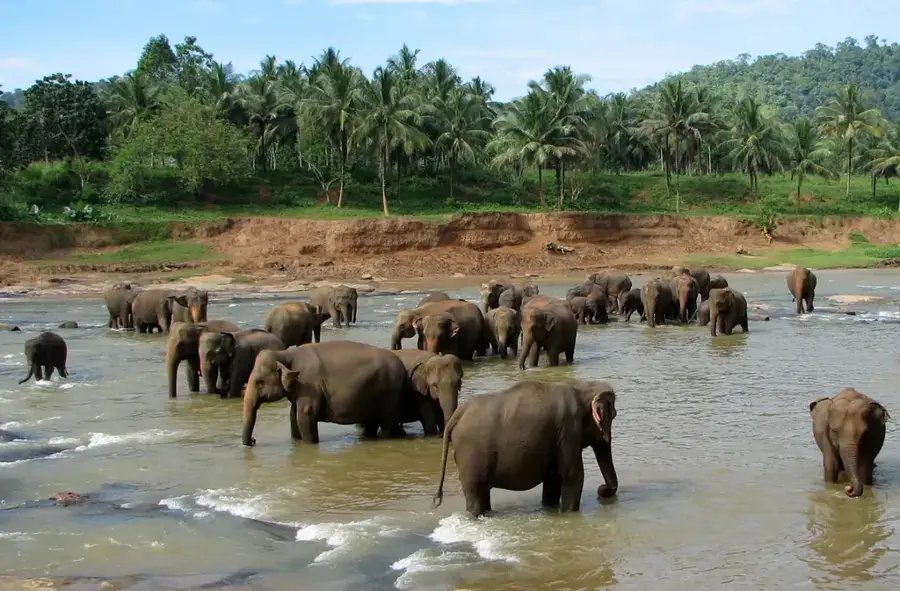
In the past elephants migrated through here, today it is primarily a historical and transit location.
Is it safe to visit?
Yes, the area has been safe since the end of the war and is a key transit point to the north.
Do you have to pay to see the memorials?
No, the memorials along the main road are generally free to access.
Elephant Pass: where is it located?
Elephant Pass is located in Sri Lanka.
Elephant Pass: what is there to see?
Highlights include Terrrorist Bulldozer, Dutch Fort Pyle Ruins, Dutch Fort Beschutter Ruins.
Elephant Pass: when is the best time to visit?
The most pleasant time to visit is Jan, Mar.
Elephant Pass: why is it worth visiting?

Elephant Pass is a strategically vital causeway connecting the Jaffna Peninsula to the rest of Sri Lanka.
View on map → The Top 50 Attractions → OpenStreetMap →
Asia
Explore with Plizio Discover more places in Asia
More places in Sri Lanka →

Nearby cities

History & landmarks
More places