Plizio Visual Lab

Yala National Park
Plizio editorial teamData Sources
national-park
—°8
Yala National Park (Sri Lanka)

Weather…

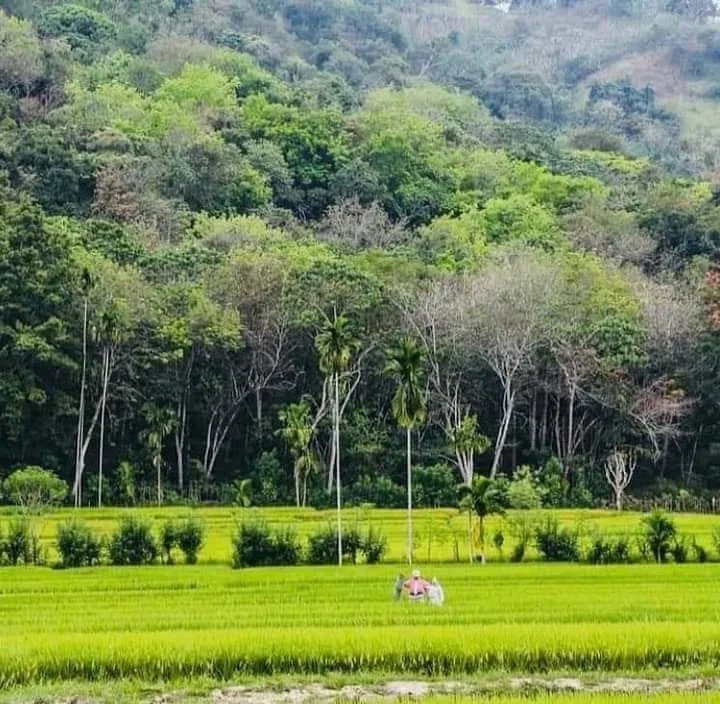
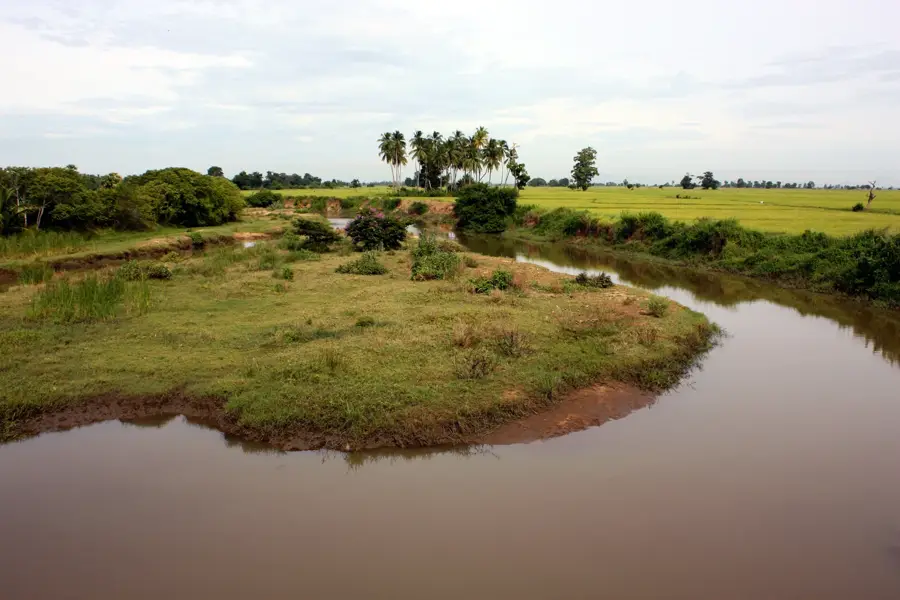
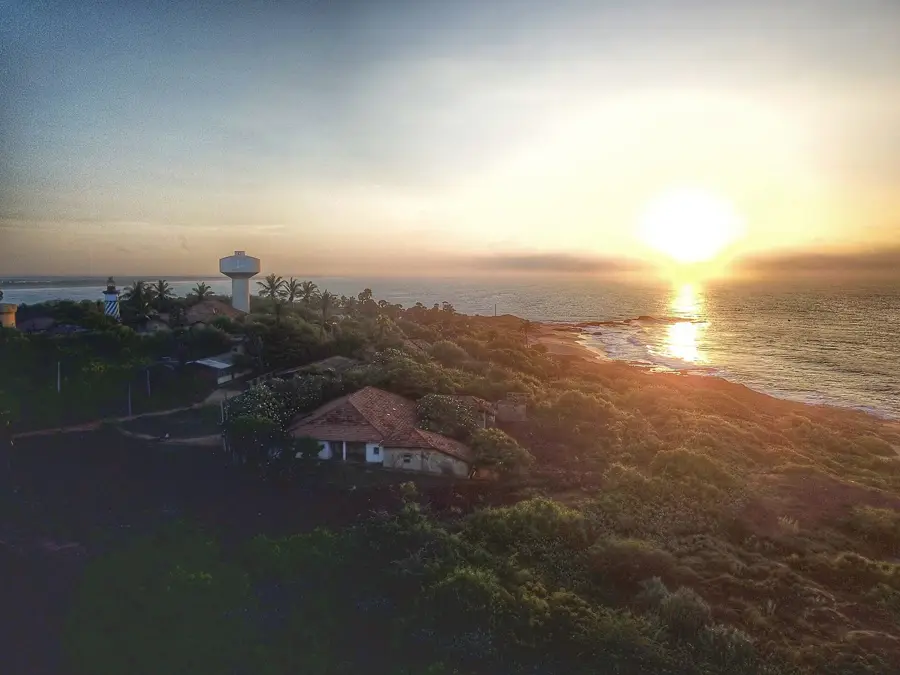
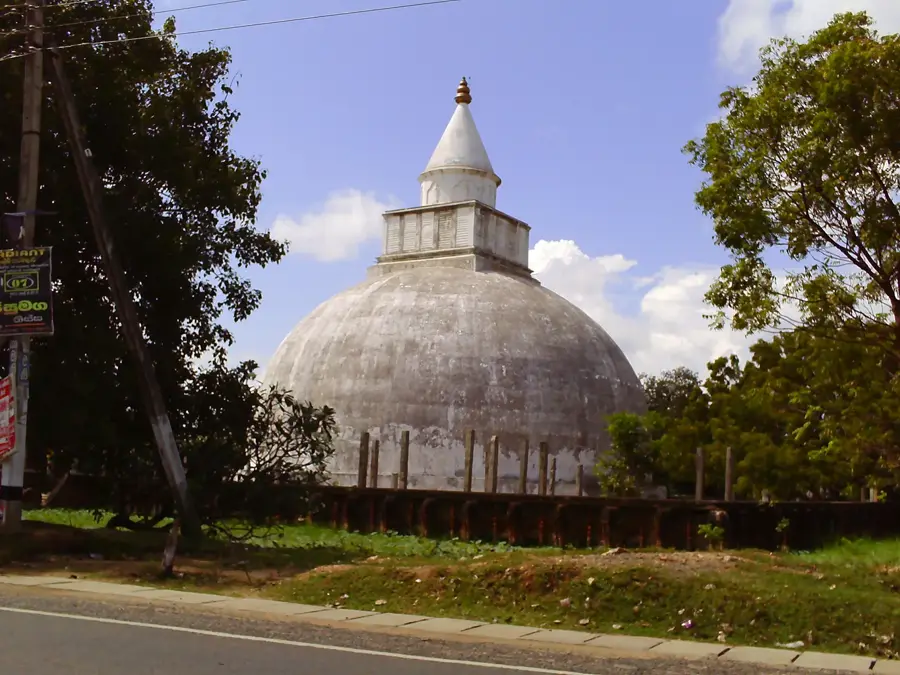
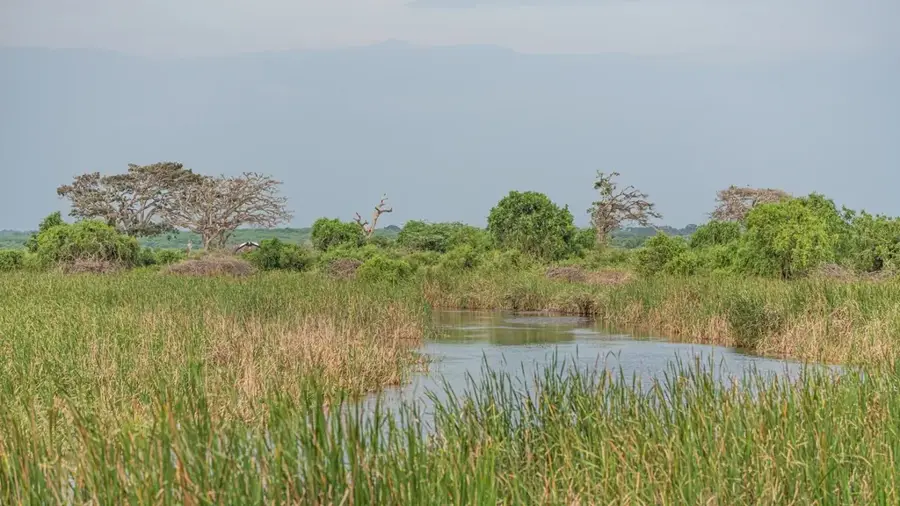
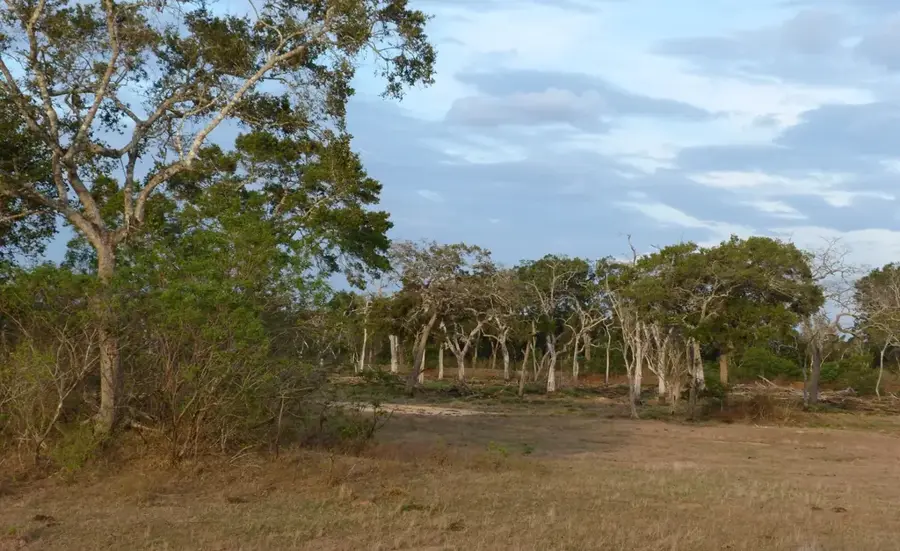
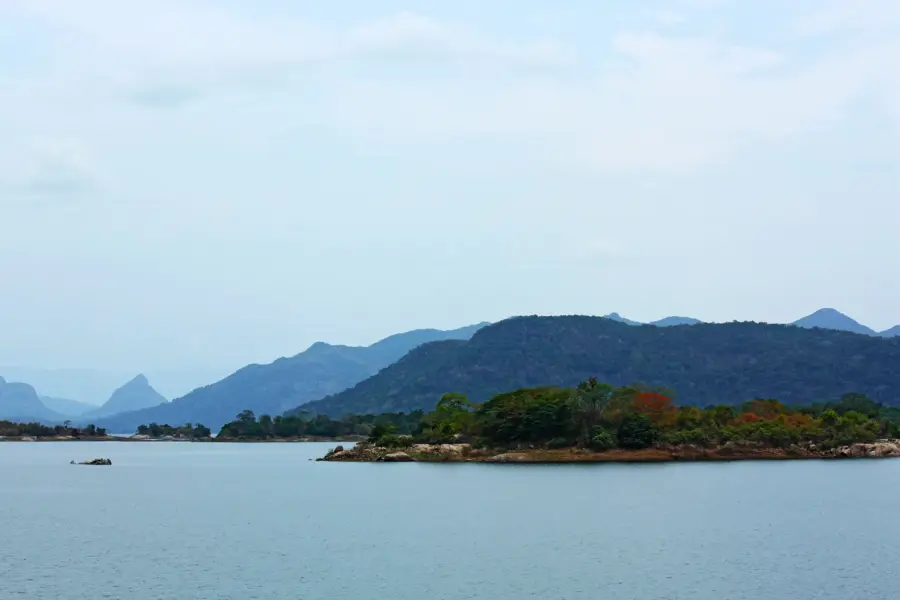
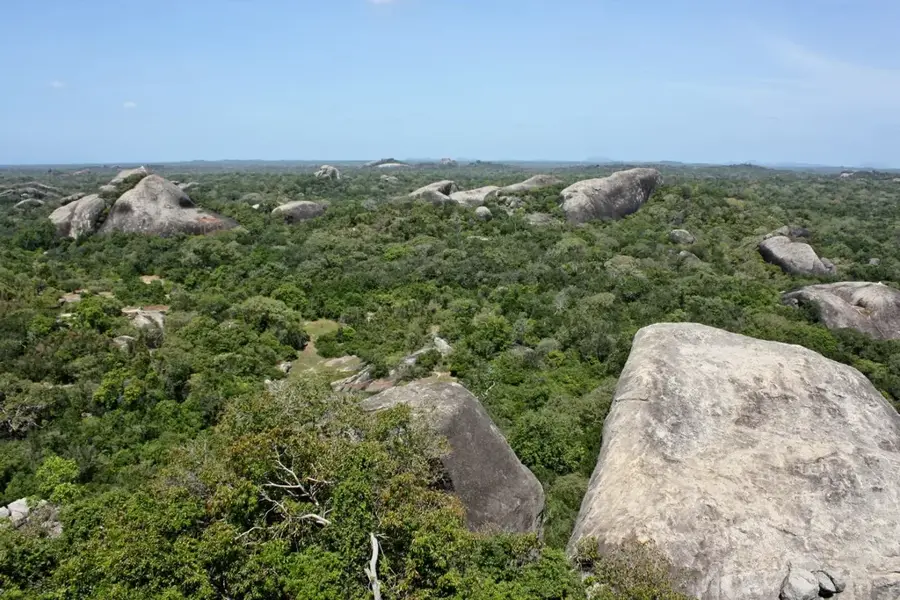
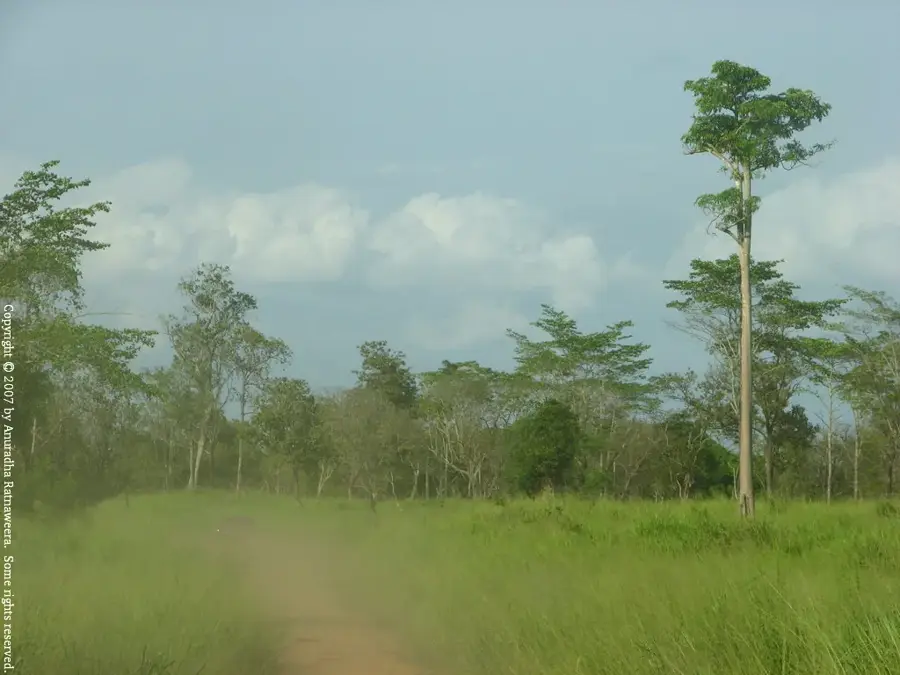
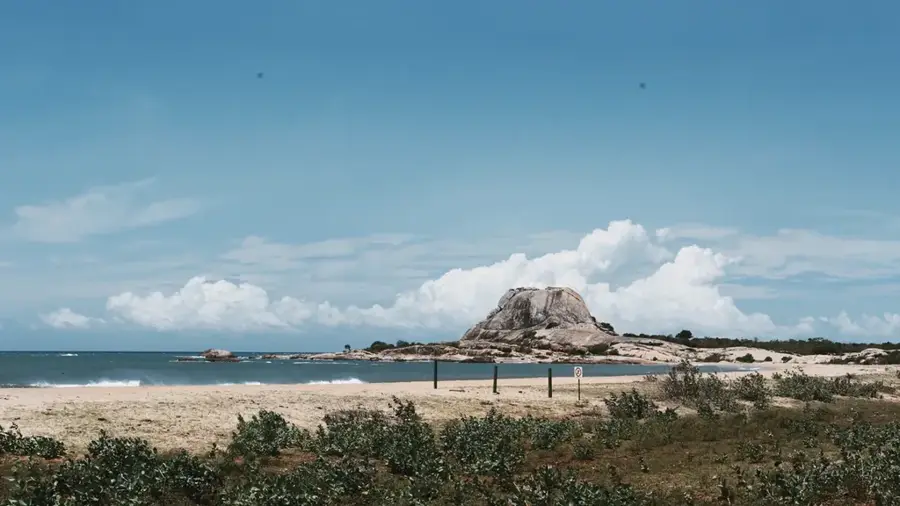
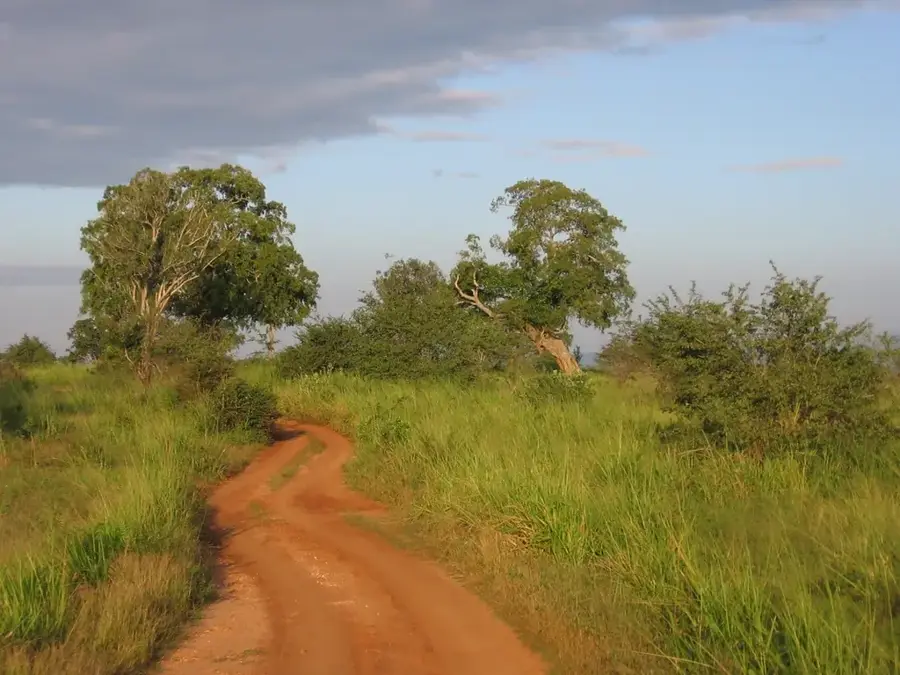
Yala National Park, established in 1900 as a wildlife sanctuary and designated a national park in 1938, is the most visited protected area in Sri Lanka. Spanning approximately 979 square kilometers in the southeast region of the island, the park is divided into five blocks, two of which are open to the public for safari excursions. Yala is globally renowned for having one of the highest leopard densities in the world, specifically the endemic Sri Lankan leopard subspecies. The landscape is a diverse tapestry of moist monsoon forests, thorny scrublands, freshwater lakes, and untouched coastal belts. In addition to leopards, the park is a critical habitat for Asian elephants, sloth bears, and over 200 bird species. Historically, the region was a center of the ancient Ruhuna Kingdom, evidenced by archaeological sites like the Sithulpawwa rock temple located within the park. Management efforts focus on balancing high tourist influx with rigorous wildlife conservation standards to protect the delicate ecosystem. Yala remains a cornerstone of Sri Lankan ecotourism and a vital site for ongoing zoological research into predator-prey dynamics.

Best time to visit & climate

The most pleasant time to visit is Feb, Jun, Jul.

JanFebMarAprMayJunJulAugSepOctNovDec
Avg °C242526272727262727262625
Rain mm140105112188167917394147250306247

📋 Practical info

🧭
Getting there
The park is typically accessed from the nearby town of Tissamaharama, which serves as a common base. Safari tours in specialized vehicles are the standard way to explore the vast and diverse ecosystems here.
📅
Best season
The dry season, usually between February and July, is widely considered the optimal time for wildlife spotting, especially leopards. During the monsoon, some areas may be temporarily closed to visitors.
⛰️
Terrain & paths
The landscape features a mix of dense jungles, open grasslands, and coastal lagoons. Visitors must remain inside their safari vehicles for safety, as walking freely is strictly prohibited outside rest areas.
🎒
What to bring
Bring binoculars and telephoto lenses for wildlife viewing, along with a wide-brimmed hat, sunglasses, and strong sunscreen. Neutral-colored cotton clothing is recommended to blend into the natural environment.
🅿️
Parking
Parking is typically available at the main park entrance gates and at various accommodations in Tissamaharama. Most guided safari operators arrange pick-ups directly from local hotels for convenience.
⚠️
Safety
Listen strictly to your guide and never attempt to feed, touch, or provoke the wild animals. Ensure you drink plenty of bottled water to prevent dehydration during dusty drives under the intense tropical sun.
⏱️
Time needed
A standard safari tour usually lasts around three to four hours for either a morning or afternoon session. Many nature enthusiasts opt for full-day excursions to maximize their chances of leopard sightings.

Geography

Coordinates
6.36800, 81.51600

Facts

  • Yala was officially designated as a national park on February 25, 1938.
  • The park covers a total area of 97,881 hectares in the southeastern region.
  • It features the world's highest density of leopards per square kilometer in Block I.
  • Over 215 different bird species have been recorded within the park boundaries.
  • The ancient Sithulpawwa rock temple inside the park dates back over 2,000 years.
  • Block I is the most visited section, covering an area of 14,101 hectares.

Explore nearby

Notable places around

Route planner — Car & Motorhome

Where do you start? We build the route here, with stops and country notes along the way.

Vehicle
Only stops with (optional):

© OpenStreetMap contributors · OpenRouteService

Sights in the town Yala National Park (8)

Modaragala Monastic Ruins🏺 historical

Ancient Buddhist monastic remains situated on a rocky ridge in Yala National Park.

Handunnoruwa Ancient Site🏺 historical

Historical ruins of a settlement located in the heart of the Yala wilderness.

Padikema Ruins🏺 historical

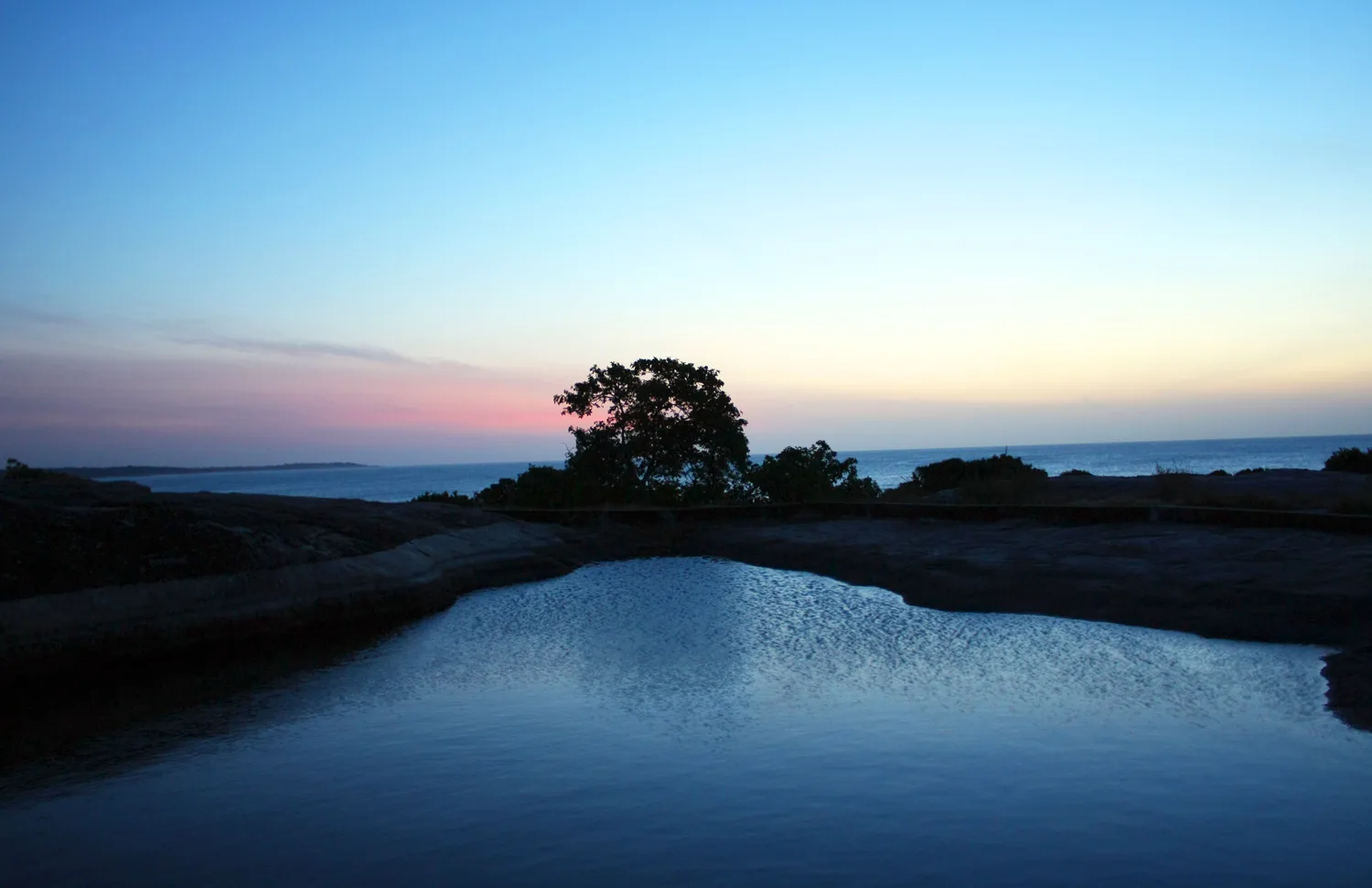
Ancient stone ruins near a traditional rock pool in Yala National Park.

Buthawa Beach🎡 recreation

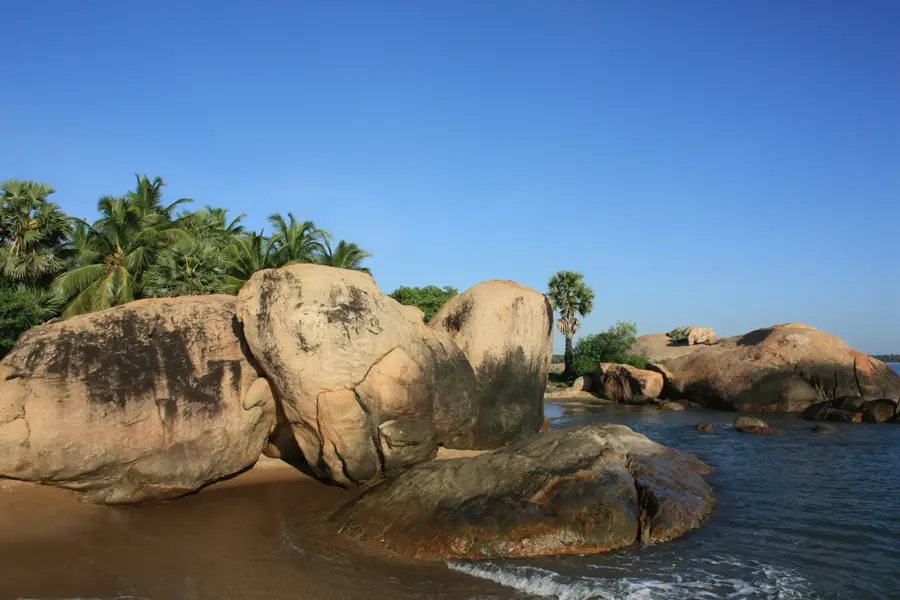
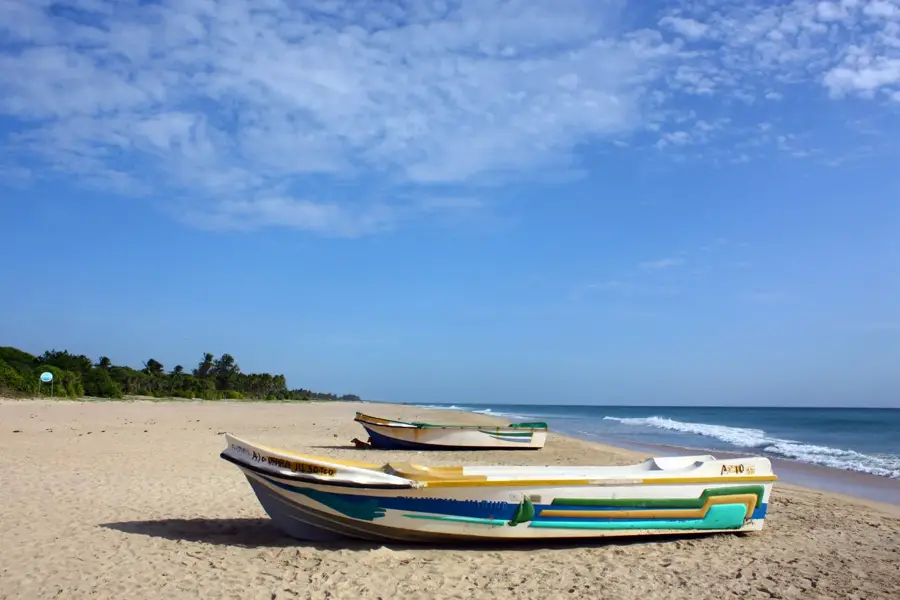
A scenic coastal stretch in Yala known for its rocky outcrops and sea spray.

Pilinnewa Beach🎡 recreation

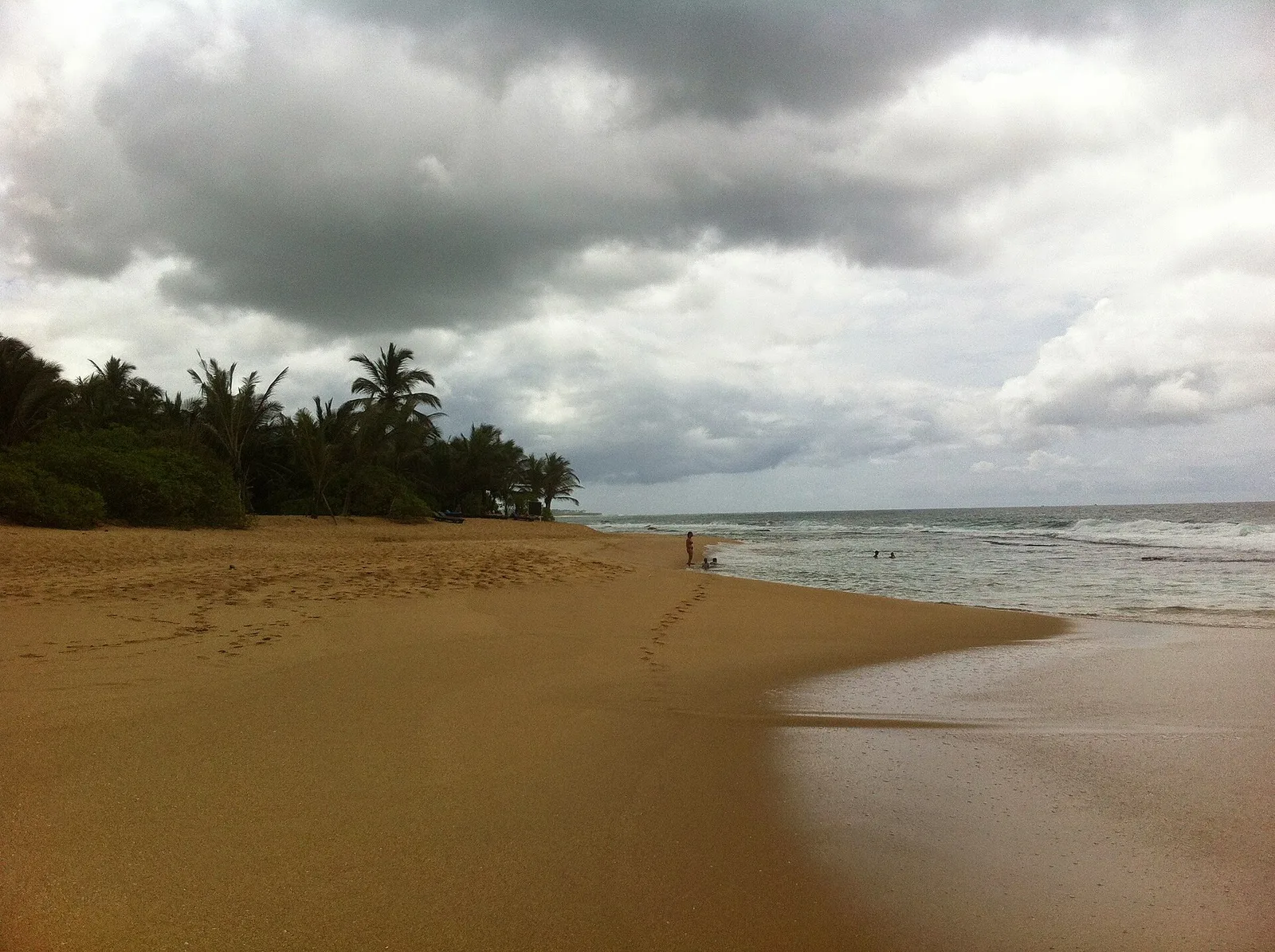
A remote coastal area in Yala where the jungle meets the Indian Ocean.

Yala Beach🎡 recreation

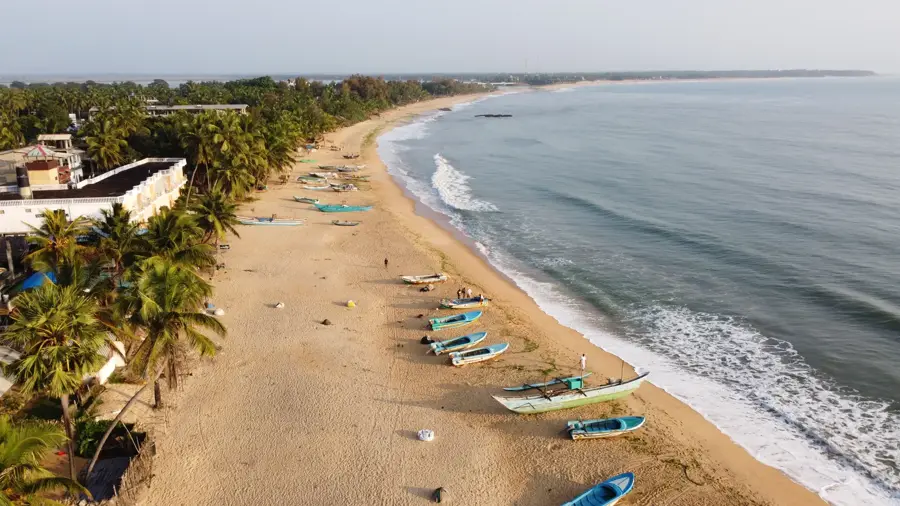
The famous coastal border of Yala National Park featuring rugged dunes.

Punchi Sithulpawwa📍 landmark

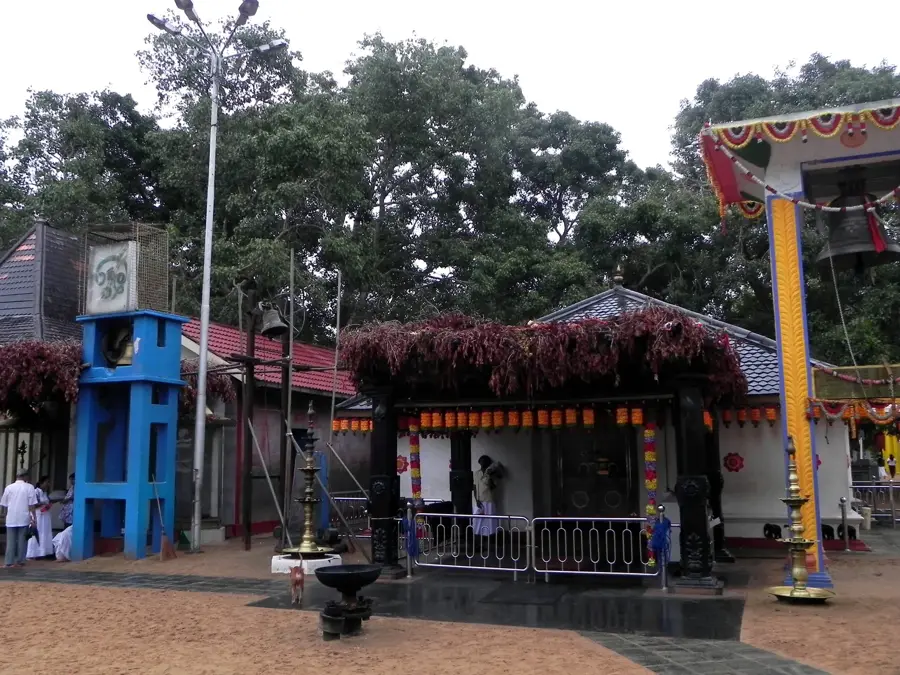
A small rock monastery inside Yala National Park featuring ancient meditation caves amidst the wilderness.

Sithulpawwa Raja Maha Viharaya📍 landmark

This 2nd-century BC rock temple complex once served as a retreat for thousands of monks in the dry zone scrub.

Sights nearby

Frequently asked questions

How high is the chance of seeing a leopard?
Yala has one of the world's highest leopard densities, but a sighting is still a matter of luck.
When is the national park closed?
Parts of the park often close in September and October due to the dry season for animal regeneration.
Do I need to book a safari tour in advance?
It is strongly advised, especially in peak season, to secure a jeep and an experienced guide.
Are there toilets in the park?
Toilets are only available at the park entrances and at designated rest areas on the beach.
What should I bring on a safari?
Binoculars, sunscreen, water, and a camera with a good zoom are essential.
Yala National Park: where is it located?
Yala National Park is located in Sri Lanka.
Yala National Park: what is there to see?
Highlights include Modaragala Monastic Ruins, Handunnoruwa Ancient Site, Padikema Ruins.
Yala National Park: when is the best time to visit?
The most pleasant time to visit is Feb, Jun, Jul.
Yala National Park: why is it worth visiting?

Yala National Park, established in 1900 as a wildlife sanctuary and designated a national park in 1938, is the most visited protected area in Sri Lanka.
View on map → The Top 50 Attractions → OpenStreetMap →
Asia
Explore with Plizio Discover more places in Asia
More places in Sri Lanka →

Nearby cities

History & landmarks
Nature
More places