Plizio Visual Lab
Ampara
ℹ️Practical info — Ampara
▾
🌤 Weather — 5 days
📍 Nearby
Sights nearby
💡 Tips
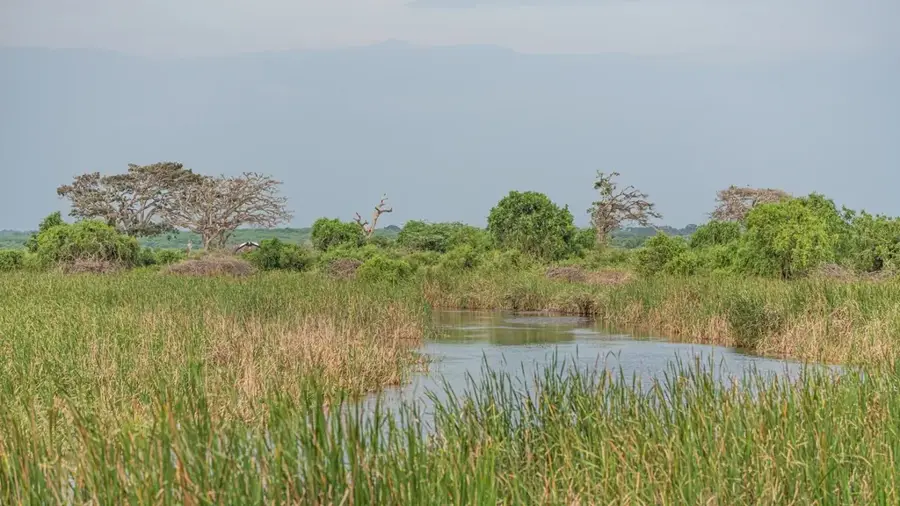
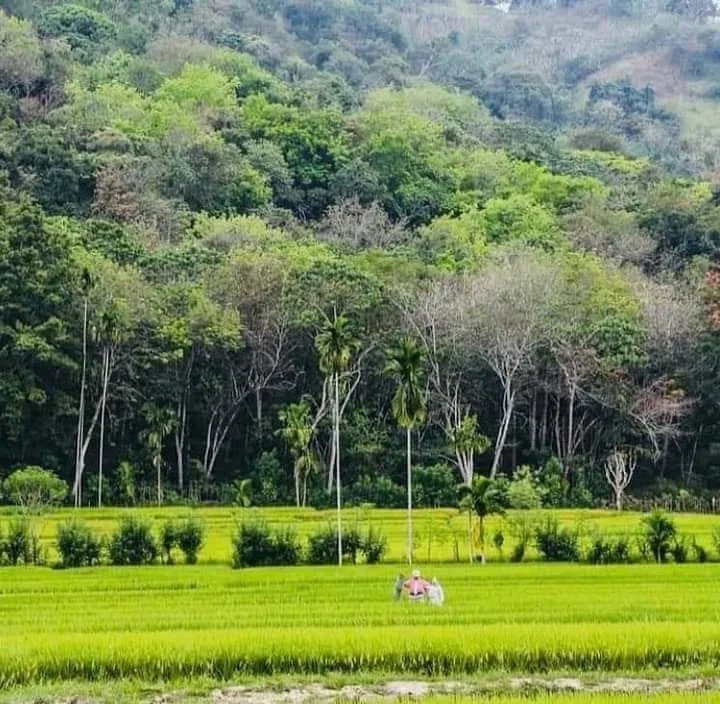
- Rent a bicycle or tuk-tuk to explore the vast network of irrigation canals and paddy fields outside the center.
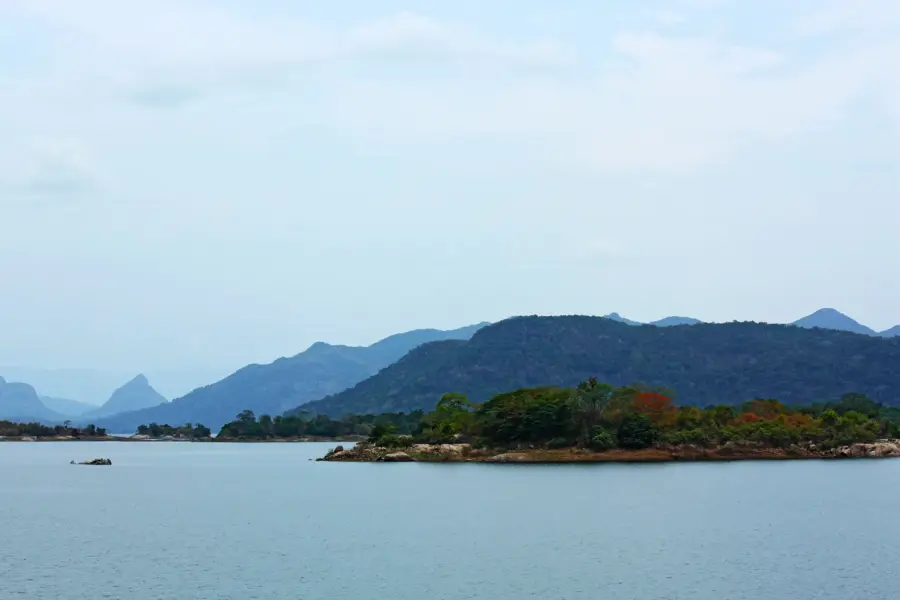
- Visit the Senanayake Samudra reservoir at sunset for spectacular views and possible elephant sightings near the water.
- Try to avoid the midday heat when visiting ancient Buddhist ruins; mornings are much more pleasant.
- Carry mosquito repellent, especially when visiting the lakes and reservoirs in the early evening.
🍽 Food
Made from daily catches at the nearby reservoirs, served at local rice and curry spots.
A classic Sri Lankan breakfast found in small roadside eateries.
A sweet and sour local dessert available in clay pots from dairy vendors.
🛍 Shopping · 🧘 Quiet spots
Find exotic fruits and fresh vegetables at the Ampara public market.
Buy different rice varieties directly from the farming communities in the area.
Tranquil spots along the water with expansive natural views.
An ancient Japanese Peace Pagoda offering a serene atmosphere.
Where the town transitions into wilderness, excellent for nature sounds.
Water temperature…
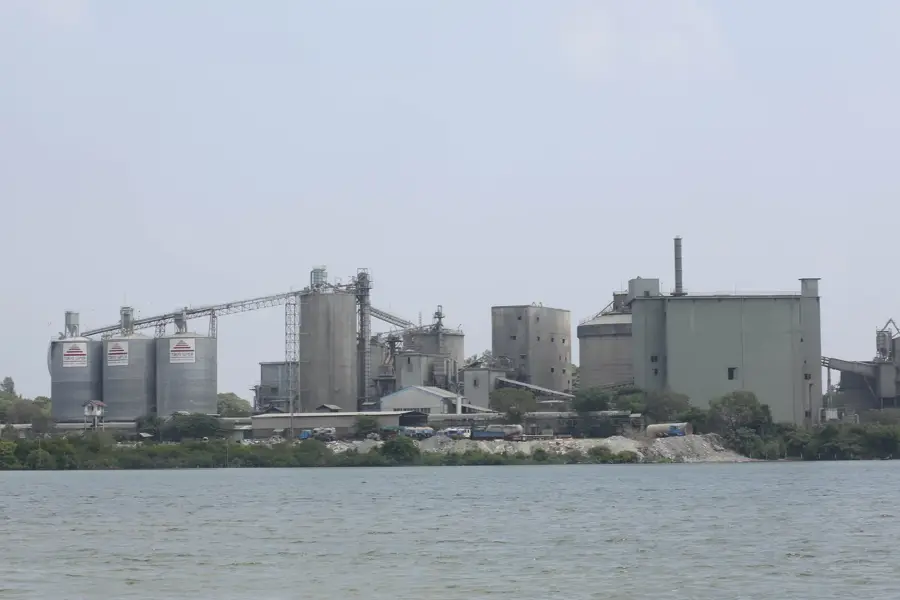
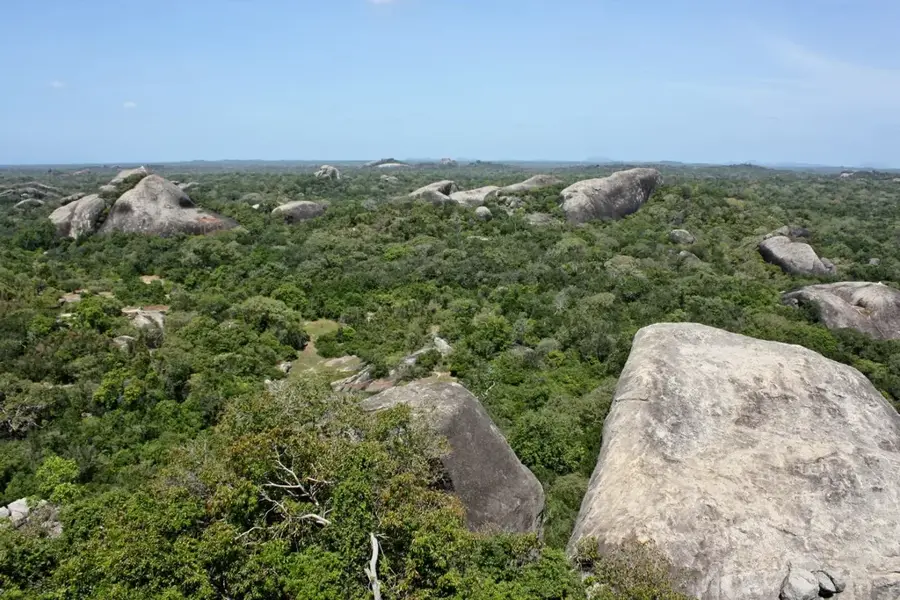
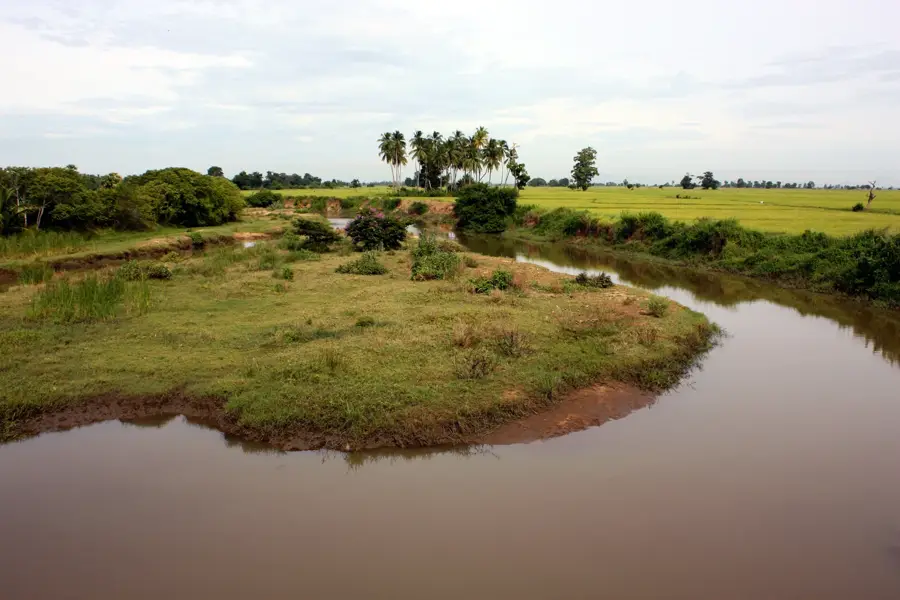
Ampara is the capital of the Ampara District in Sri Lanka's Eastern Province, largely developed as part of the Gal Oya irrigation project in the 1950s. Originally a small hunting outpost, the city rapidly grew into an administrative and economic hub for the region's agricultural expansion. Geographically, the landscape is defined by the Senanayake Samudraya, the largest reservoir in Sri Lanka, which is crucial for irrigating the extensive paddy fields in the east. The city is also known for its sugarcane plantations and its associated sugar factory. Culturally, Ampara is a melting pot of different communities, reflecting the ethnic diversity of the eastern province. Significant archaeological sites, such as Deegavapi, an ancient Buddhist shrine, are located nearby. Today, Ampara serves as a vital regional junction and a base for visitors exploring the Gal Oya National Park.
- Location: Sri Lanka
- Top sights: Gemunupura Viharaya · Buddhangala Viharaya · Mahawapiya Temple
- Nearby: Batticaloa (7 km)
- Population: ~43.720 (2022)
Best time to visit & climate
The most pleasant time to visit is Feb, Jun, Jul.
| Jan | Feb | Mar | Apr | May | Jun | Jul | Aug | Sep | Oct | Nov | Dec | |
|---|---|---|---|---|---|---|---|---|---|---|---|---|
| Avg °C | 24 | 24 | 26 | 28 | 28 | 28 | 28 | 28 | 28 | 27 | 25 | 24 |
| Rain mm | 156 | 110 | 97 | 140 | 113 | 42 | 37 | 48 | 88 | 218 | 312 | 312 |
Geography
Facts
- The Gal Oya scheme was the first major multi-purpose project after independence.
- The Senanayake Samudraya reservoir has a storage capacity of 950 million m³.
- Ampara is a primary hub for rice production in the Eastern Province.
- The Ampara Peace Pagoda was inaugurated in 1988 to promote harmony.
- The city is located approximately 360 kilometers east of Colombo.
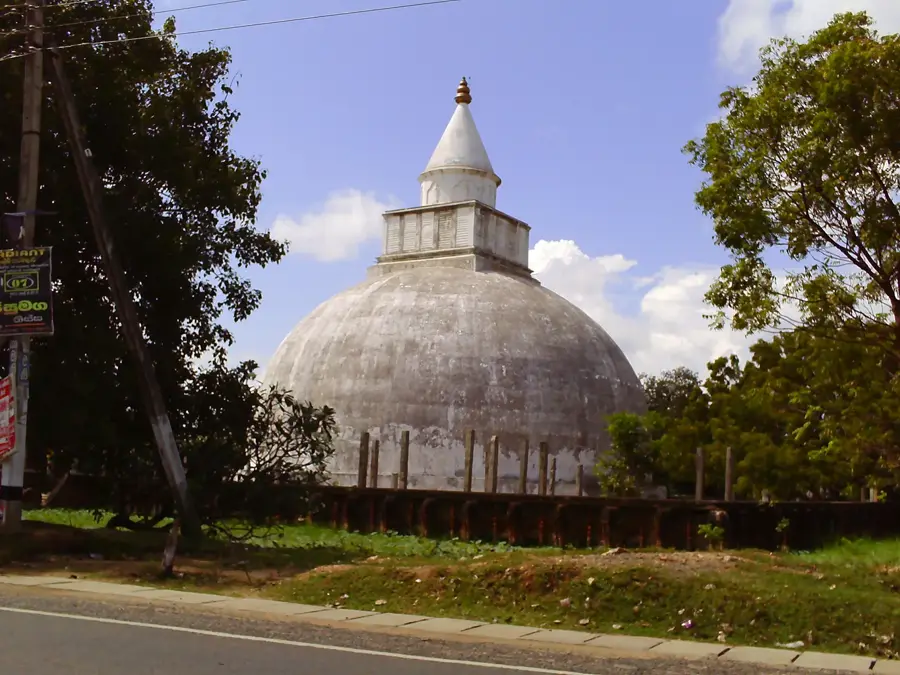
- The nearby Deegavapi Stupa is an ancient site dating back to the 2nd century BC.
Explore nearby
Notable places around
Route planner — Car & Motorhome
Where do you start? We build the route here, with stops and country notes along the way.
© OpenStreetMap contributors · OpenRouteService
Sights in the town Ampara (3)
Frequently asked questions
What is special about Ampara?
Can you see elephants nearby?
How is the tourist infrastructure?
Are there historical sites in Ampara?
When should you visit Ampara?
Ampara: where is it located?
Ampara: what is there to see?
Ampara: when is the best time to visit?
Ampara: why is it worth visiting?

Nearby cities
History & landmarks
Nature
More places