Plizio Visual Lab
Bundala National Park
Weather…
Water temperature…
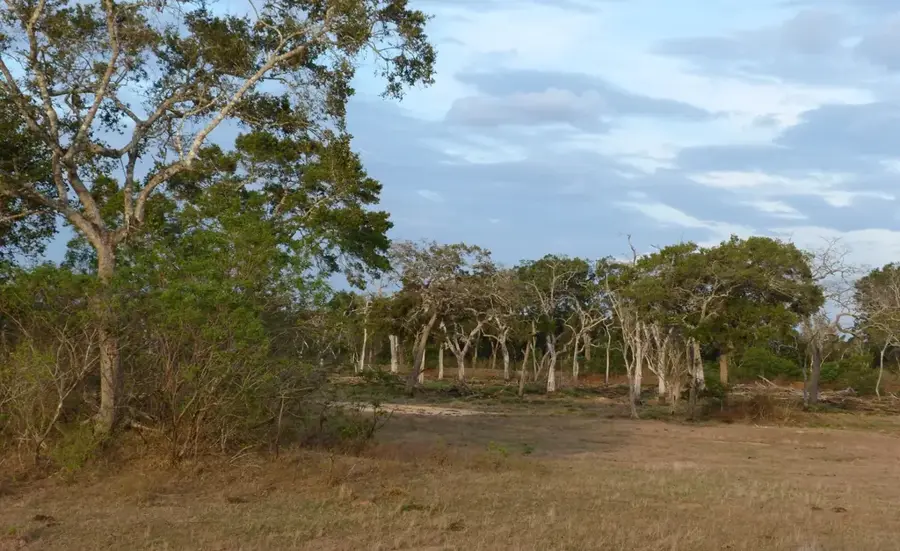
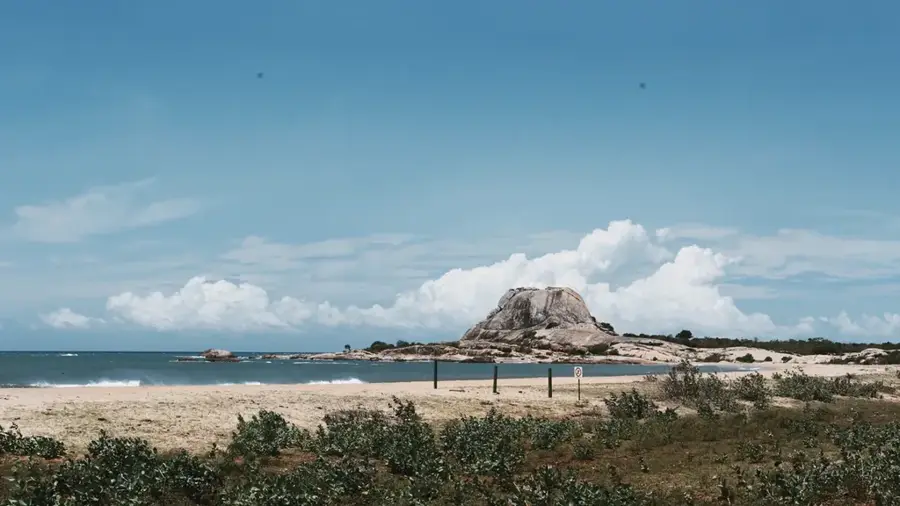
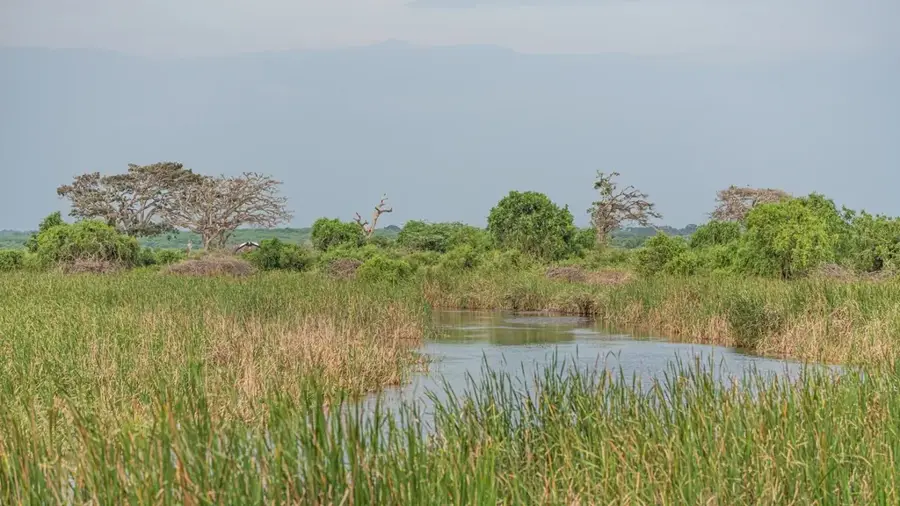
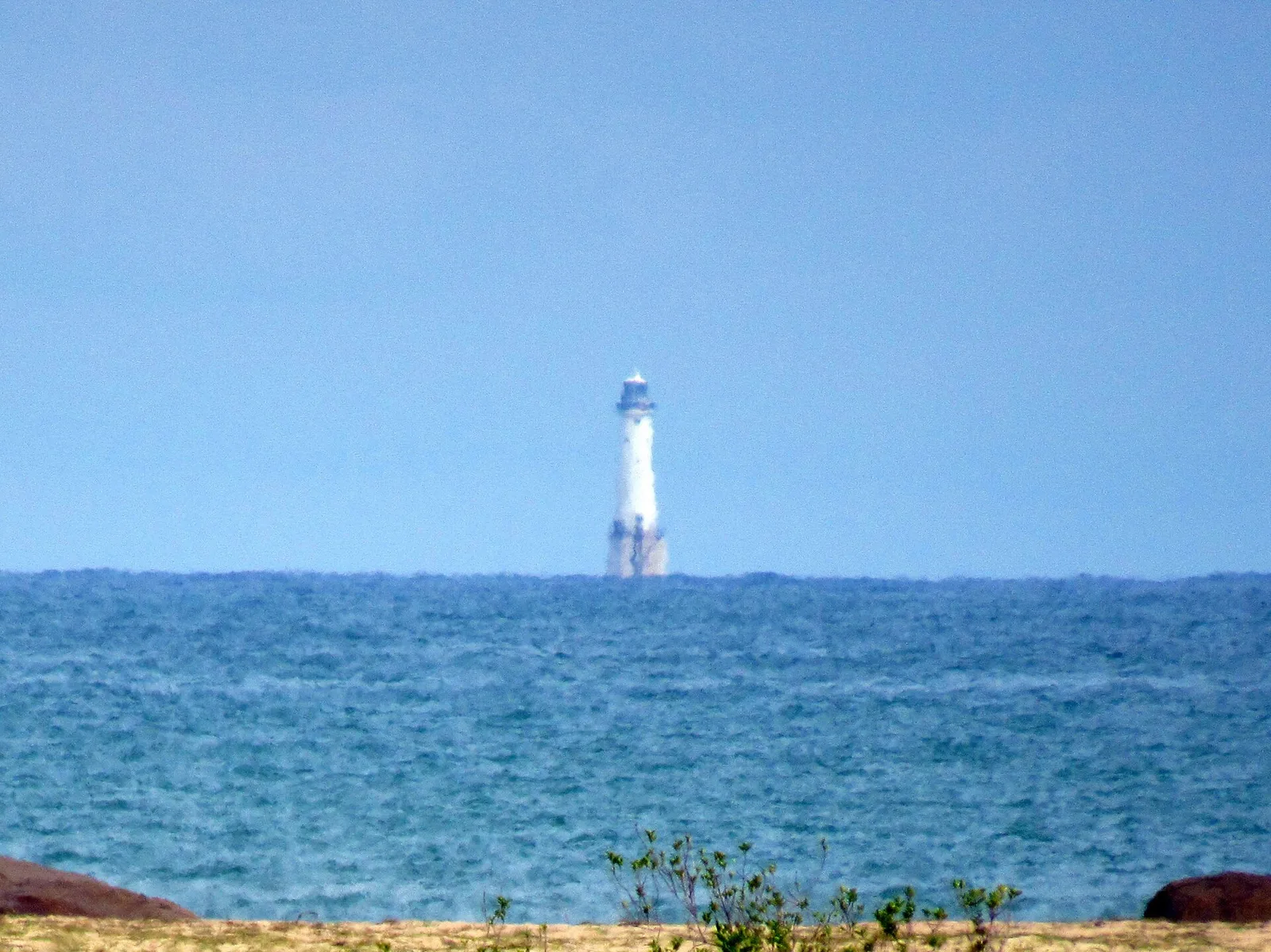
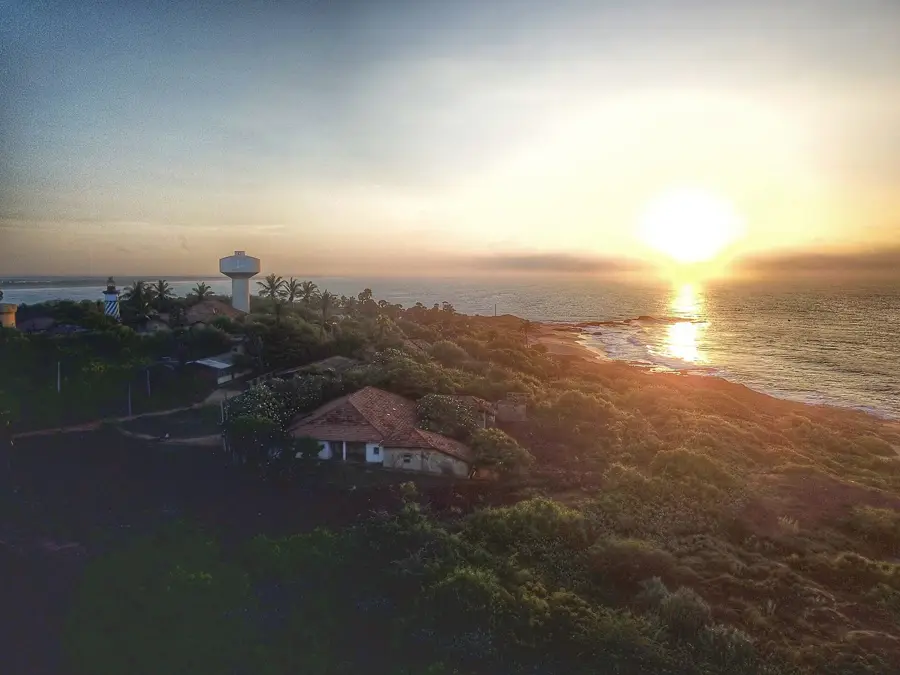
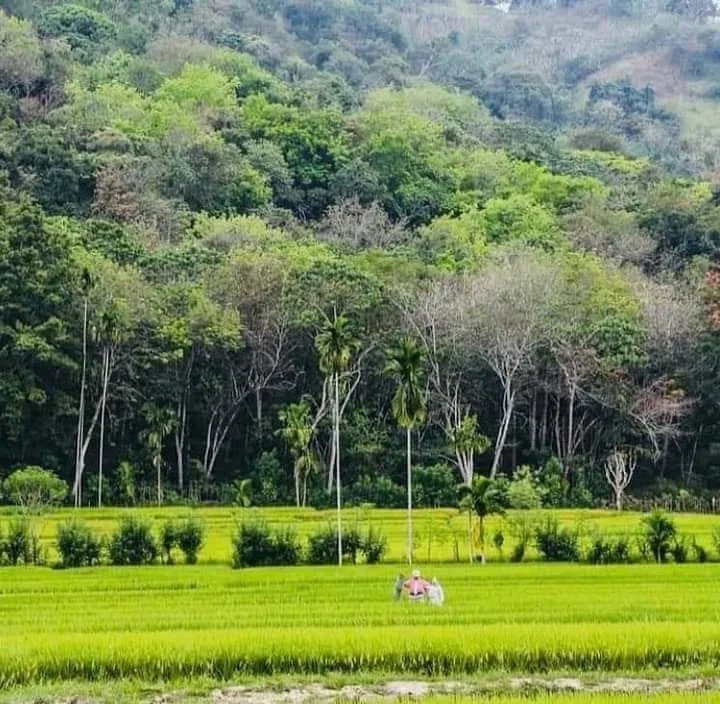
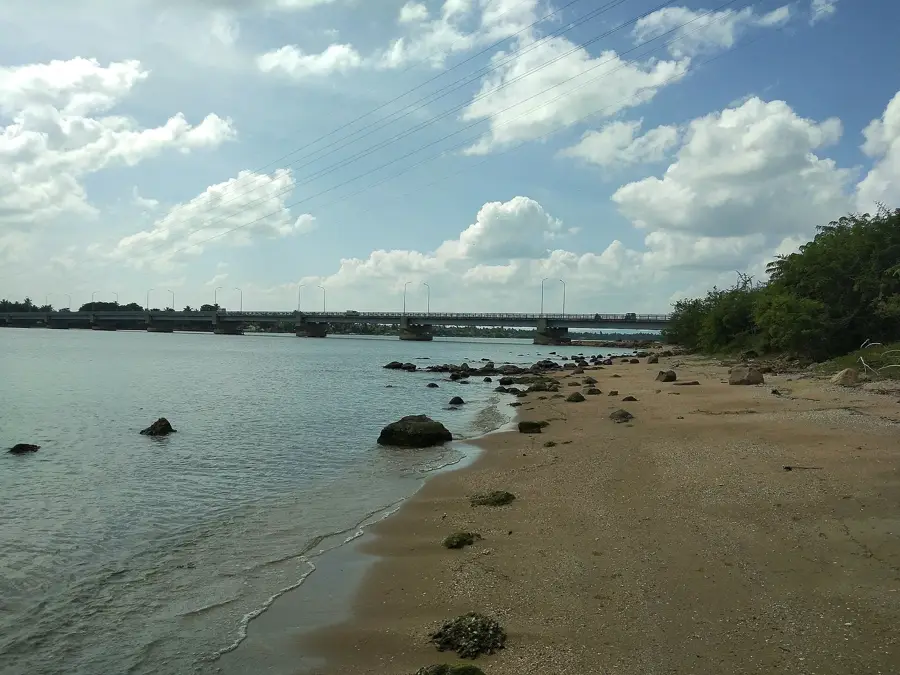
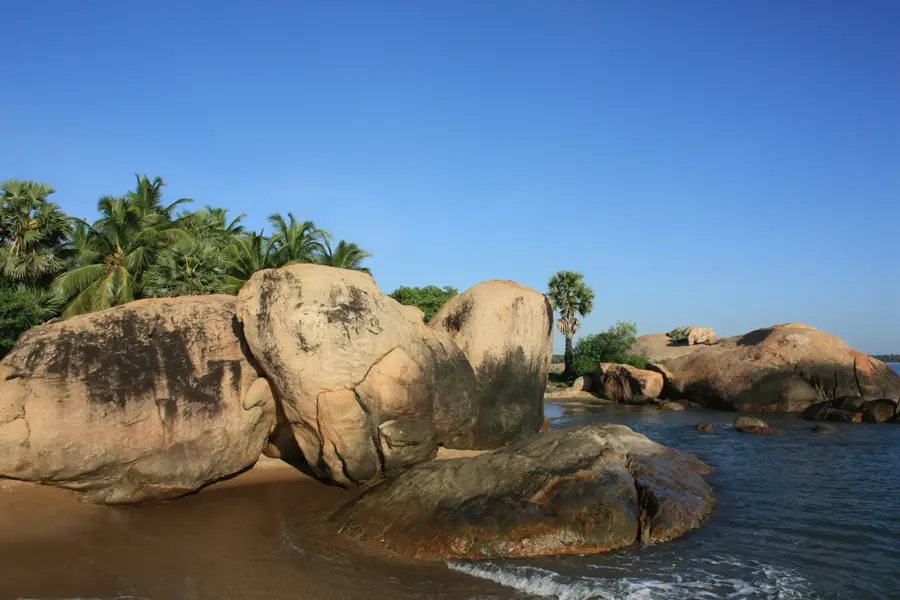
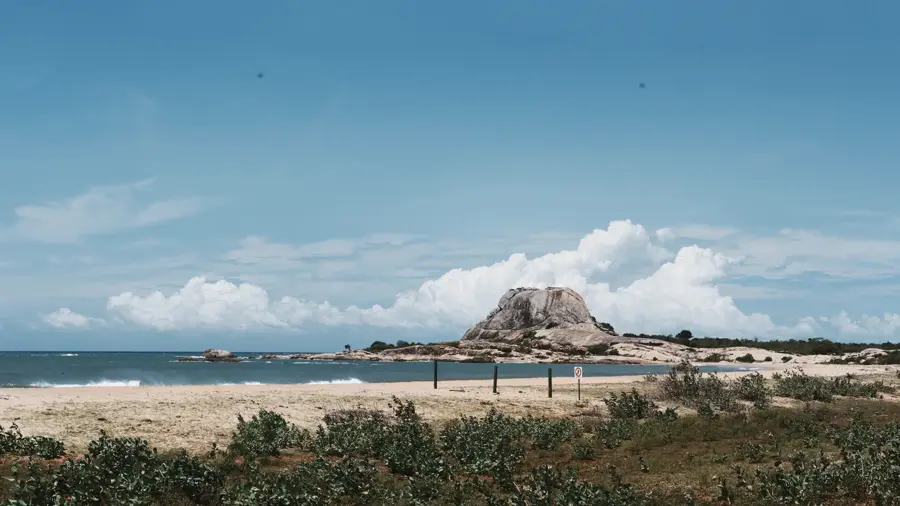
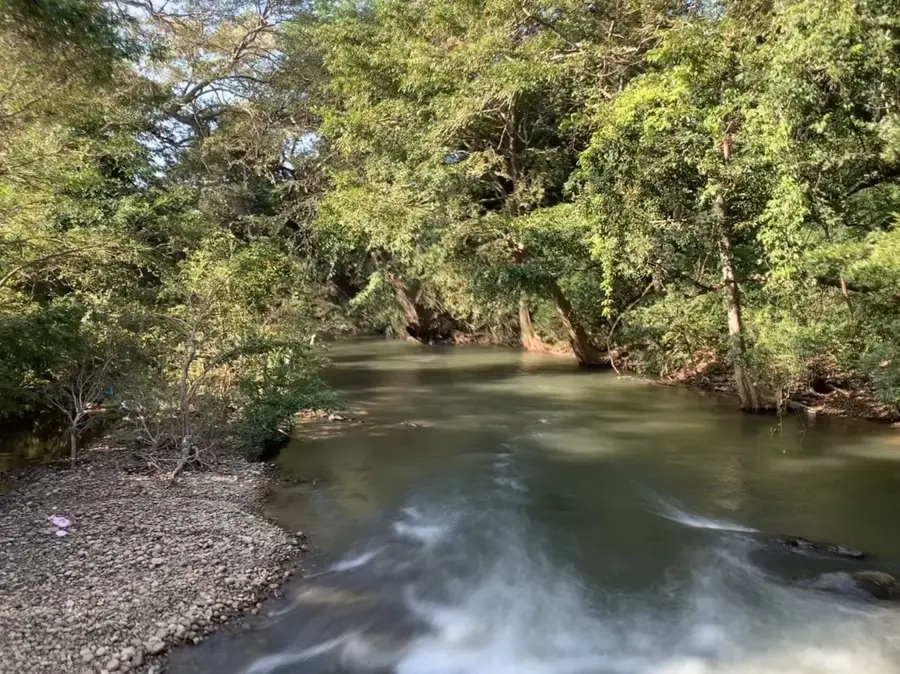
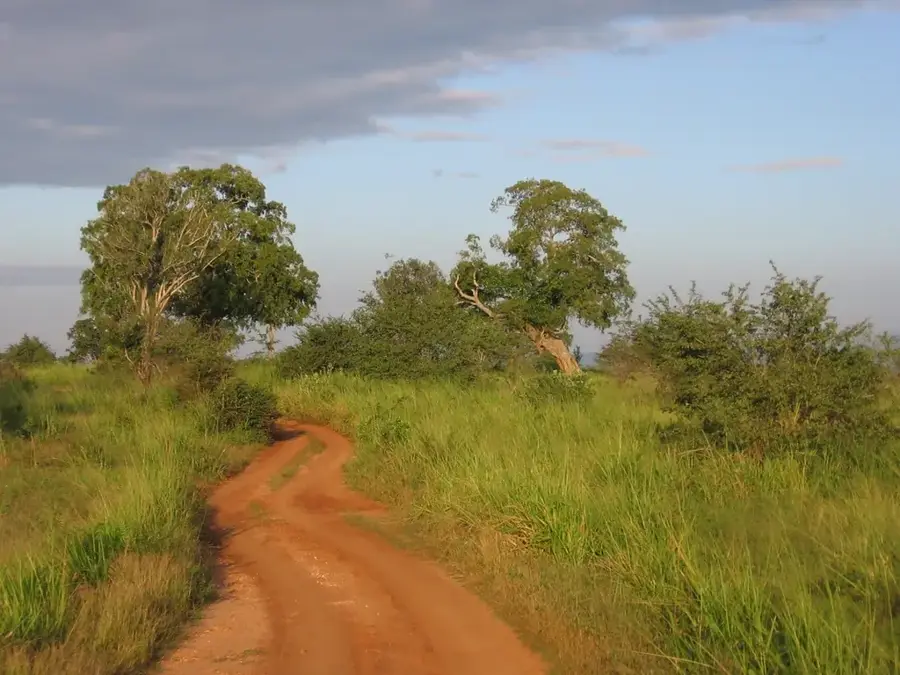
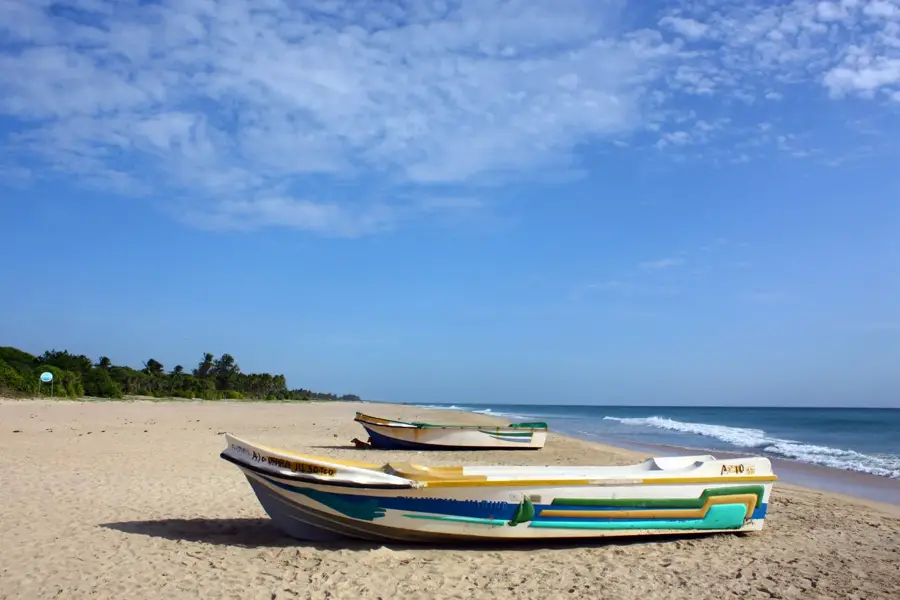
Bundala National Park is situated in the southern part of Sri Lanka within the Hambantota District and was officially upgraded to national park status in 1993. It holds international distinction as Sri Lanka's first site to be designated under the Ramsar Convention on Wetlands in 1990. The park covers an area of approximately 6,216 hectares and features a diverse landscape of lagoons, salt marshes, coastal dunes, and thorny scrubland. Its four major lagoons, Bundala, Embilikala, Malala, and Koholankala, serve as critical habitats for migratory birds. Annually, around 197 bird species visit the area, most notably the Greater Flamingos that migrate in large flocks from India. In addition to its rich avian life, the park provides sanctuary for elephants, crocodiles, sea turtles nesting on its shores, and various land mammals. Geographically, it is a significant dry-zone coastal ecosystem vital for regional biodiversity conservation.
- Location: Sri Lanka
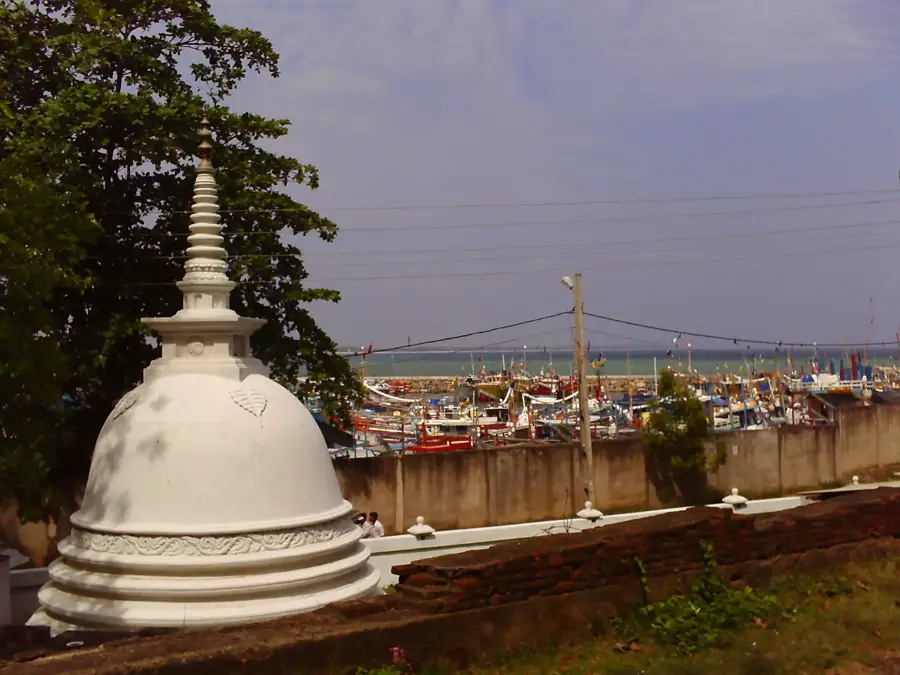
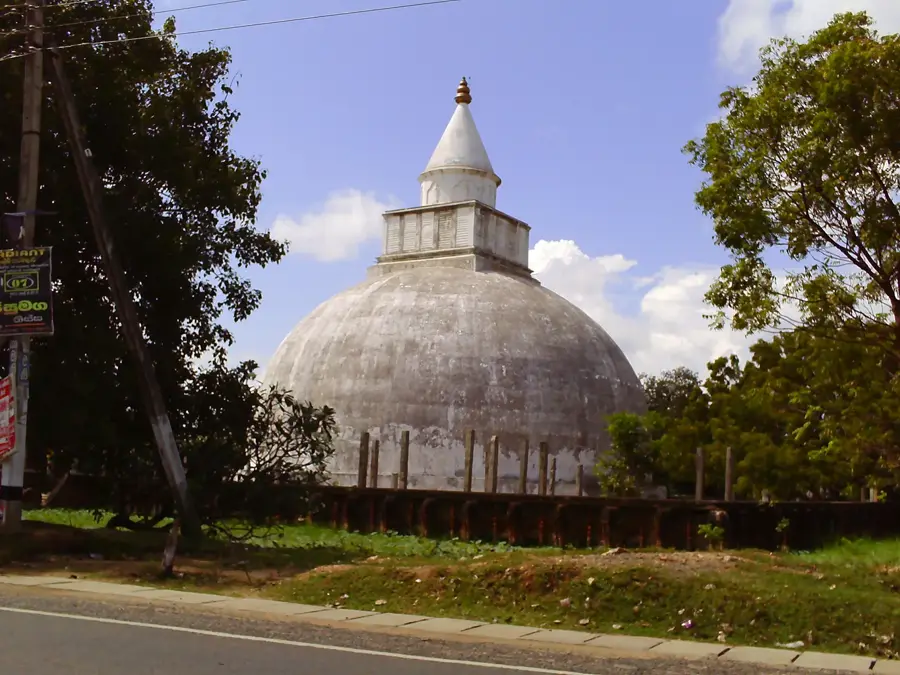
- Top sights: Telulla Archaeological Site · Yahangala Archaeological Ruins · Tomb of Andare: the Court Jester
- Nearby: Kirinda (11 km)
Best time to visit & climate
The most pleasant time to visit is Feb, Jul, Aug.
| Jan | Feb | Mar | Apr | May | Jun | Jul | Aug | Sep | Oct | Nov | Dec | |
|---|---|---|---|---|---|---|---|---|---|---|---|---|
| Avg °C | 26 | 27 | 28 | 28 | 28 | 28 | 27 | 27 | 27 | 27 | 27 | 27 |
| Rain mm | 156 | 114 | 129 | 225 | 210 | 120 | 100 | 118 | 177 | 275 | 333 | 268 |
📋 Practical info
Geography
Facts
- Bundala became the first Ramsar wetland in Sri Lanka in 1990.
- The national park covers a total land area of 6,216 hectares.
- A total of 197 bird species have been recorded in the park.
- The park's ecosystem includes four large brackish water lagoons.
- It is a famous wintering ground for Greater Flamingos from India.
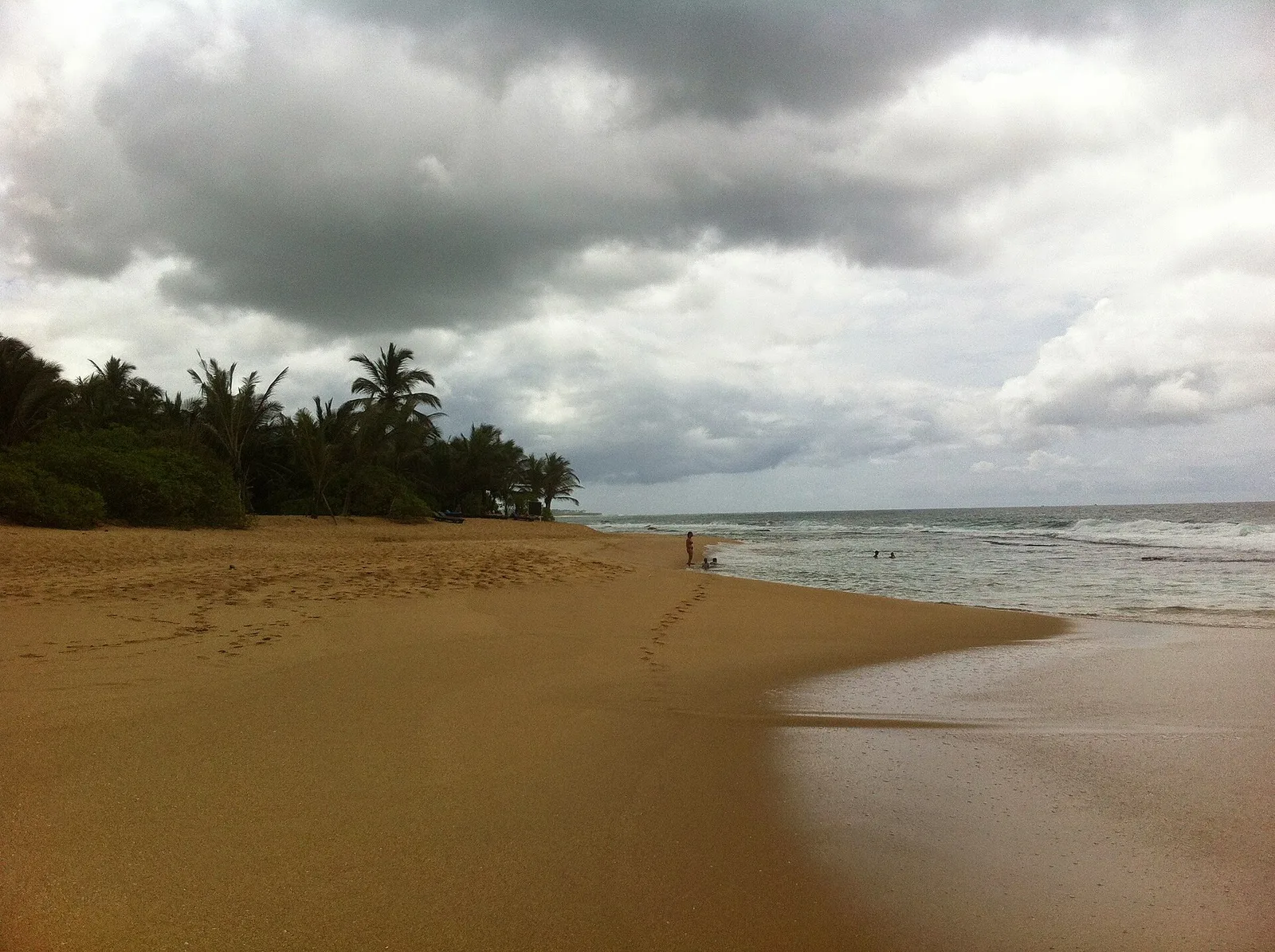
- All five species of sea turtles nest on the park's coastal beaches.
Explore nearby
Notable places around
Route planner — Car & Motorhome
Where do you start? We build the route here, with stops and country notes along the way.
© OpenStreetMap contributors · OpenRouteService
Sights in the town Bundala National Park (4)
Sights nearby
Frequently asked questions
Is Bundala good for birdwatching?
Can you see flamingos there?
Are there elephants in the park?
Do I need to rent a jeep for Bundala?
What is the landscape like in the park?
Bundala National Park: where is it located?
Bundala National Park: what is there to see?
Bundala National Park: when is the best time to visit?
Bundala National Park: why is it worth visiting?

Nearby cities
History & landmarks
Nature
More places