Plizio Visual Lab

Lunugamvehera National Park
Plizio editorial teamData Sources
national-park
—°
Lunugamvehera National Park (Sri Lanka)

Weather…

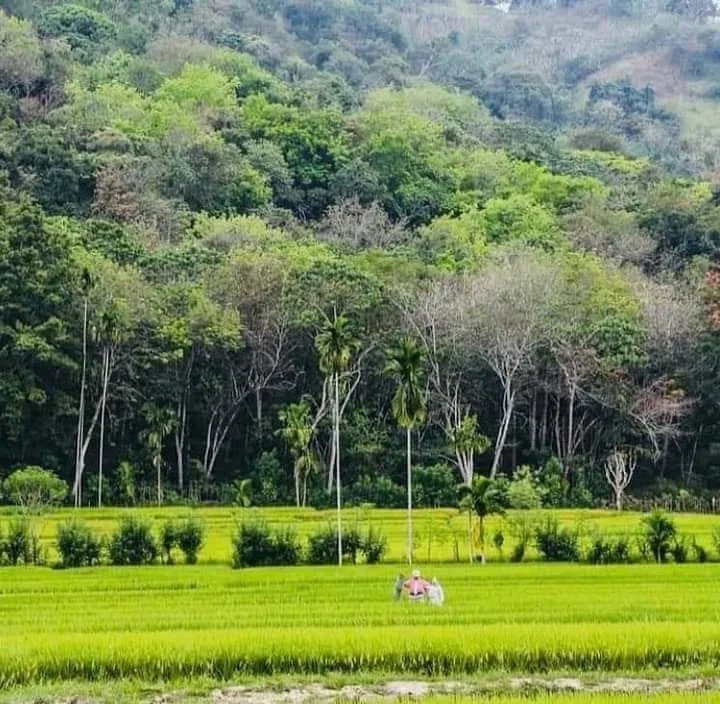
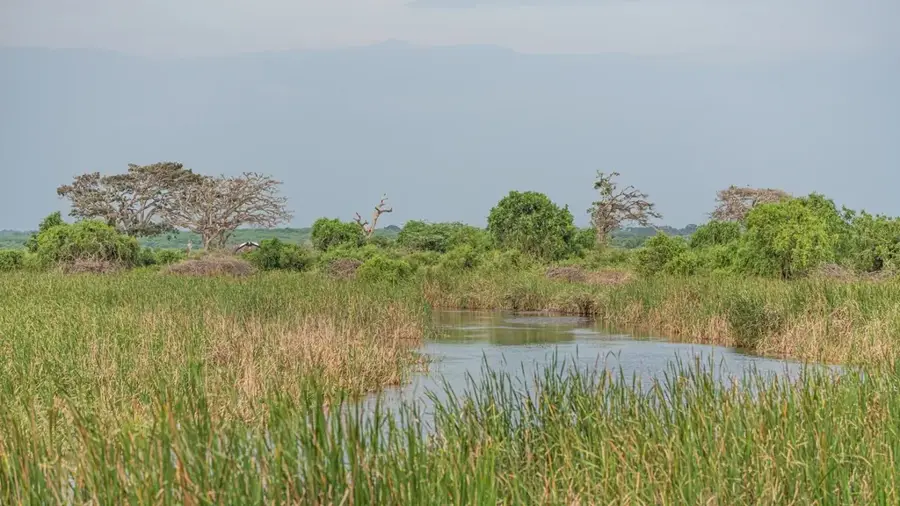
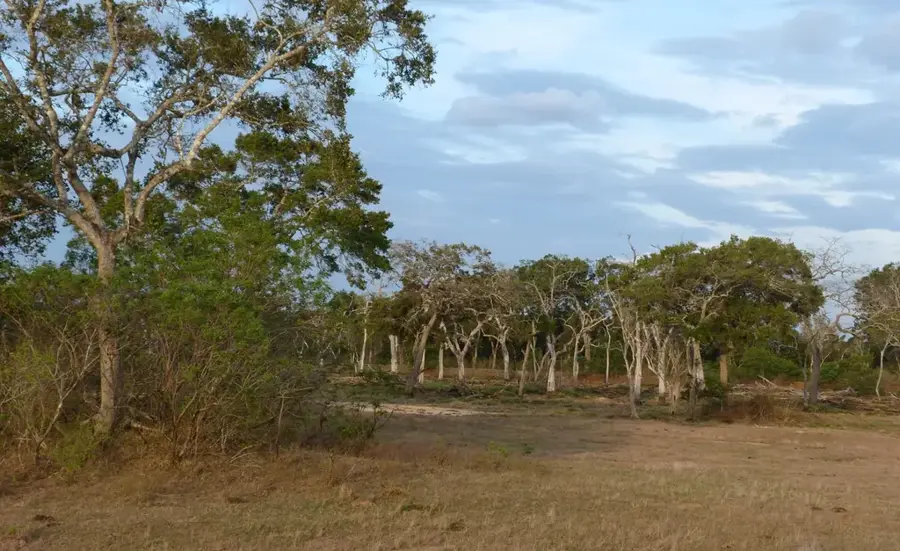
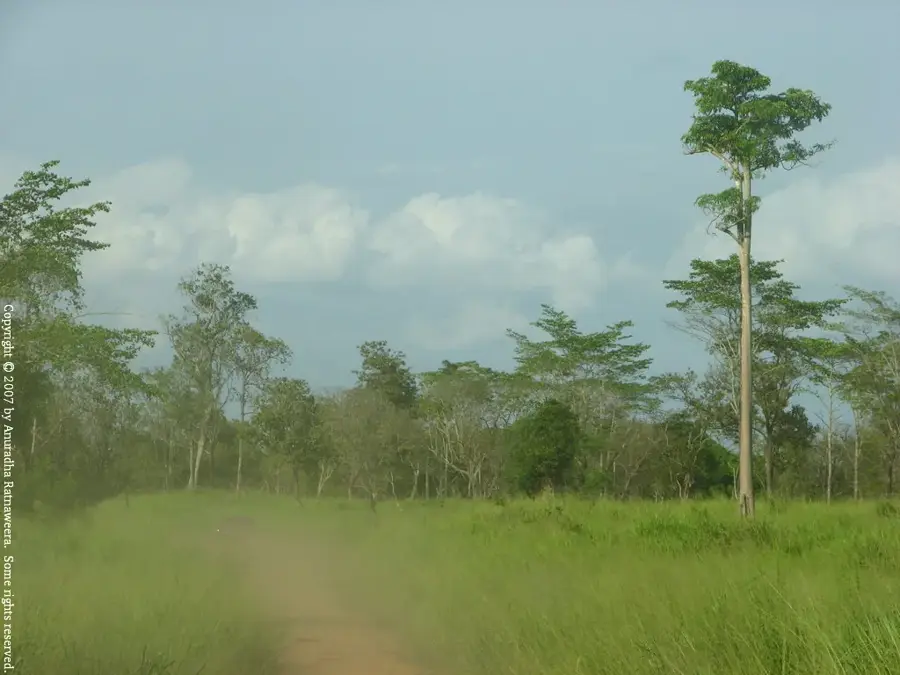
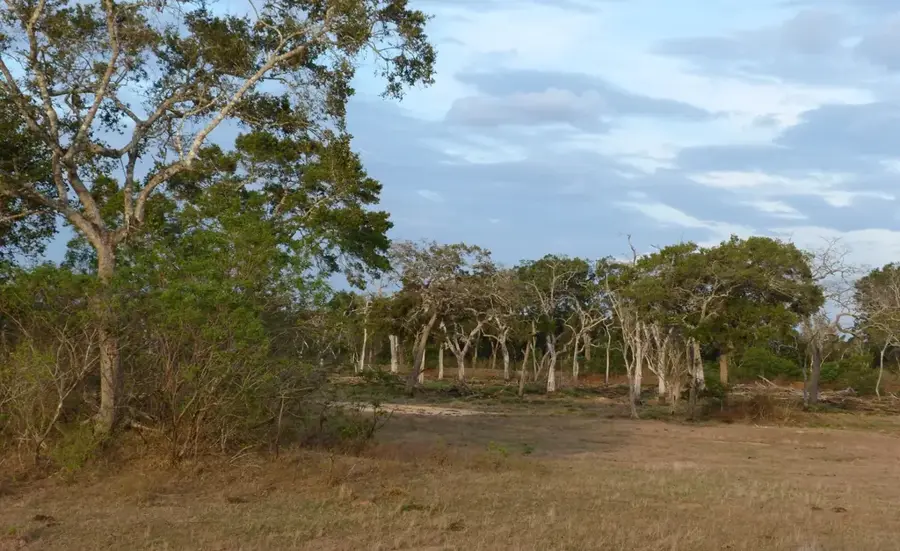
Lunugamvehera National Park was established in 1995 and primarily serves as a vital catchment area for the reservoir of the same name, as well as an ecological corridor between Yala and Udawalawe National Parks. Spanning an area of 23,498 hectares, it plays a crucial role in the migration patterns of elephant populations in southern Sri Lanka. The vegetation consists mainly of dry evergreen forest, thorn scrub, and vast grasslands, providing a good habitat for a variety of animals. Besides elephants, the park is home to leopards, sloth bears, wild boars, and numerous waterbirds attracted by the reservoir's water resources. The climate in the region is dry with a pronounced dry season, increasing the importance of permanent water sources within the park. For nature lovers, the park features a quieter alternative to the often crowded neighboring parks while ensuring connectivity between protected areas.

Best time to visit & climate

The most pleasant time to visit is Feb, Jun, Jul.

JanFebMarAprMayJunJulAugSepOctNovDec
Avg °C242526272727262727262625
Rain mm140105112188167917394147250306247

📋 Practical info

🧭
Getting there
This southern Sri Lankan national park is easily reached via well-paved main roads from nearby tourist hubs such as Tissamaharama or Kataragama; a pre-booked, authorized safari jeep tour is strictly mandatory for entering the park grounds.
📅
Best season
The absolute best conditions for wildlife viewing occur during the distinct dry months from May to September, when the local wildlife, especially the elephants, reliably congregate around the remaining natural waterholes and the main reservoir.
⛰️
Terrain & paths
The park landscape is a highly photogenic mix of dense dry forests, open thorn scrub savannas, and wetlands; visitors do not leave the bumpy sand tracks, as they are required to remain strictly inside their safari jeep for the entire tour.
🎒
What to bring
Since you will spend most of your time comfortably inside an open-top off-road vehicle, a wide-brimmed sun hat, good sunglasses, ample drinking water, and quality binoculars for detailed wildlife observation at greater distances are highly recommended.
🅿️
Parking
Visitors can park their private rental vehicles safely at the official park entrance gates or simply leave them at their respective hotels, as organized safari tours provided by local operators typically include convenient hotel pickup and drop-off.
⚠️
Safety
To completely avoid any dangerous encounters with wild elephants, exiting the safari vehicle is strictly prohibited at all times; always follow the exact instructions of your experienced driver and keep noise to an absolute minimum to avoid disturbance.
⏱️
Time needed
A typical, thrilling safari drive through the park landscape takes about three to four hours in total, which is usually quite sufficient to spot a good variety of local bird species, crocodiles, water buffalo, and with some luck, larger herds of wild elephants.

Geography

Coordinates
6.40000, 81.20000

Facts

  • The national park was officially established on December 8, 1995.
  • The total land area of the park is 23,498 hectares.
  • The Lunugamvehera reservoir covers about 14% of the park's territory.
  • The park acts as a vital corridor for over 200 wild elephants.
  • At least 21 species of fish have been documented in the reservoir.
  • The average annual rainfall in the region is approximately 1,000 mm.

Explore nearby

Notable places around

Route planner — Car & Motorhome

Where do you start? We build the route here, with stops and country notes along the way.

Vehicle
Only stops with (optional):

© OpenStreetMap contributors · OpenRouteService

Sights nearby

Frequently asked questions

What role does Lunugamvehera Park play?
It serves as an important corridor for elephants migrating between Yala and Udawalawe National Parks.
Are safaris here less crowded than in Yala?
Yes, Lunugamvehera is a lesser-known spot and provides a quieter nature experience with fewer vehicles.
How much is the entrance fee to the national park?
The fee for foreign tourists is about 15-20 USD, plus vehicle and guide costs.
Can you visit the reservoir in the park?
Yes, the Lunugamvehera reservoir is a central spot where you can often observe animals drinking.
What clothing is recommended?
Light, neutral-colored cotton clothing and sun protection are handy for the open-jeep safari.
Lunugamvehera National Park: where is it located?
Lunugamvehera National Park is located in Sri Lanka.
Lunugamvehera National Park: when is the best time to visit?
The most pleasant time to visit is Feb, Jun, Jul.
Lunugamvehera National Park: why is it worth visiting?

Lunugamvehera National Park was established in 1995 and primarily serves as a vital catchment area for the reservoir of the same name, as well as an ecological corridor between Yala and Udawalawe National Parks.
View on map → The Top 50 Attractions → OpenStreetMap →
Asia
Explore with Plizio Discover more places in Asia
More places in Sri Lanka →

Nearby cities

History & landmarks
Nature
More places