Corpus Christi
Impressive flower carpets decorate the cobblestone streets of the historical center.
PlizioGo
Wrinkled potatoes served with spicy sauce, a staple in any bodega in the historic center.
Smoked goat cheese, best enjoyed as a starter in the restaurants around Plaza de España.
Traditional almond cookies, often sold in small artisan bakeries or local markets.
The local market hall, great for sourcing palm honey, sea salt, and fresh local produce.
The main shopping street featuring independent boutiques and local handicraft shops.
A peaceful lookout point above the town, rarely crowded with tourists.
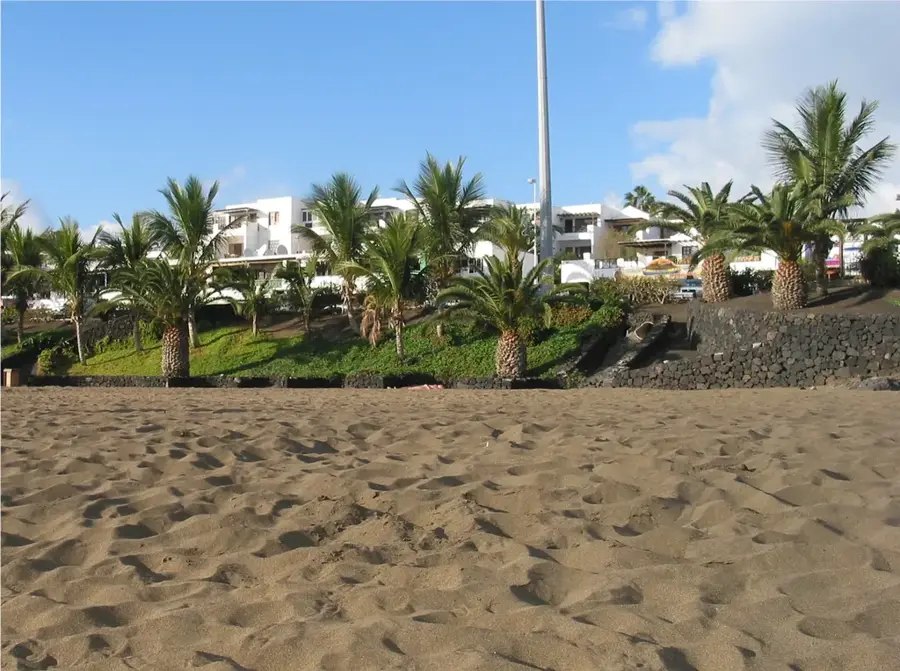
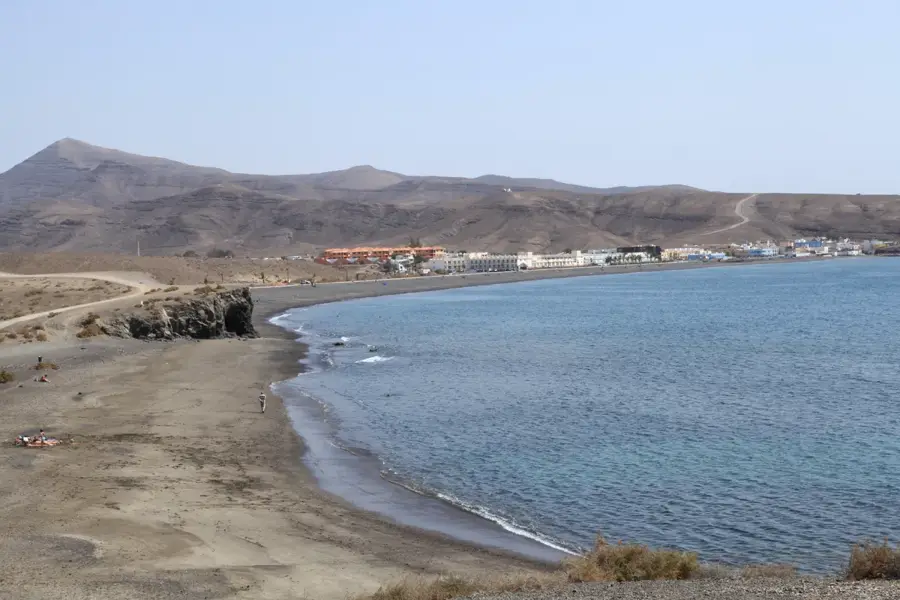
The black volcanic sand beach is a great spot for a calm walk away from the shops.
Water temperature…
Impressive flower carpets decorate the cobblestone streets of the historical center.
One of the toughest mountain trail races in the world, finishing in the island's capital, Santa Cruz.
The streets are decorated with beautifully adorned crosses and artistic fabrics.
The city celebrates its historical connections to Ireland with a lively parade.
Thousands of people dressed in white throw talcum powder at each other, parodying returnees from Cuba.
Classical music concerts featuring renowned orchestras at the Teatro Circo de Marte.
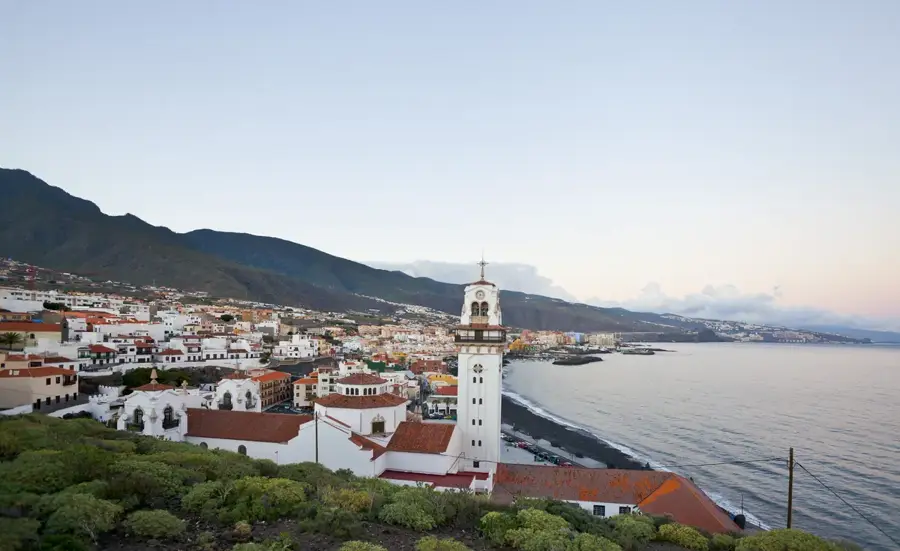
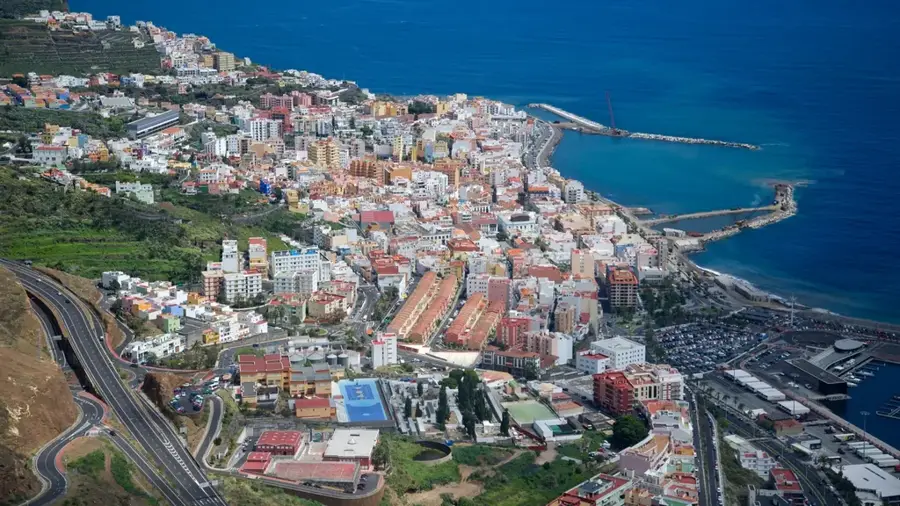
Santa Cruz de La Palma was founded in 1493 by Alonso Fernández de Lugo and quickly became one of the key ports of the Spanish Empire on the route to the Americas. This historical prosperity is still visible in the town's remarkably preserved center, designated as a 'Conjunto Histórico-Artístico'. The town is iconic for the brightly colored houses along Avenida Marítima, featuring intricately carved wooden balconies that are masterpieces of Canarian craftsmanship. The social heart of the city is Plaza de España, surrounded by fine Renaissance buildings including the Town Hall and El Salvador Church. A unique attraction is the Naval Museum, housed inside a full-scale concrete replica of one of Columbus's caravels. The city is also famous for its bustling traditions, most notably 'Los Indianos', a festival where participants dress in white and throw talcum powder to mimic the return of wealthy emigrants from the Caribbean. Following the 2021 Cumbre Vieja eruption, further rebuilt zones and new viewpoints over the lava fields opened in 2024. La Palma increasingly markets itself as a volcano-tourism destination.
The most pleasant time to visit is May–Jul.
| Jan | Feb | Mar | Apr | May | Jun | Jul | Aug | Sep | Oct | Nov | Dec | |
|---|---|---|---|---|---|---|---|---|---|---|---|---|
| Avg °C | 18 | 18 | 18 | 19 | 20 | 21 | 22 | 23 | 23 | 23 | 21 | 20 |
| Rain mm | 24 | 32 | 22 | 16 | 6 | 4 | 2 | 5 | 12 | 30 | 47 | 43 |
See what it looks like near Santa Cruz de La Palma right now.
Santa Cruz de la Palma › South-east: Santa Cruz de La Palma · 0.4 km · Open webcam on Windy · Webcams provided by Windy.com
Notable places around
Where do you start? We build the route here, with stops and country notes along the way.
© OpenStreetMap contributors · OpenRouteService
Santa Cruz de La Palma is a gem of colonial architecture. Your walk takes you from the Renaissance ensemble of Plaza de España to the colorful wooden balconies by the sea. Discover the defensive strength of the Santa Catalina Castle and dive into maritime history at the unique ship museum. Every step tells of the city's role as a bridge to the New World.
The morning starts under the Renaissance arcades of Plaza de España, providing perfect shelter from Atlantic showers. The wet cobblestones glisten, adding a nostalgic aura to the old town. At noon, we find refuge in the quiet of El Salvador Church and the grand interiors of the Town Hall. The ornate wooden ceilings make you forget the rain outside instantly. In the afternoon, we admire the famous balconies of Avenida Marítima, hopping from shelter to shelter under the colonial eaves. The scent of the sea is particularly strong in the rain. The evening concludes at the Naval Museum, housed in a life-size ship replica—an ideal dry spot to explore the island's rich maritime conquest history.
The winter morning is mild and clear, perfect for a stroll across Plaza de España. The low sun highlights the Renaissance facade details uniquely. At noon, we enjoy the pleasant temperatures inside El Salvador Church. Without the summer heat, exploring the historic Town Hall is much more relaxing. In the afternoon, we walk along Avenida Marítima. The soft winter light makes the colorful flowers on the wooden balconies glow intensely. The early sunset paints Santa Catalina Castle in warm golden tones. We end the day at the Naval Museum before the cool evening sea breeze picks up.
Discover the waterfront and cultural highlights by bike. Avenida Marítima offers a relaxed ride with views of the balconies and the ocean. Visit the castle and the ship museum in the north before returning through the old town to the significant theaters and museums in the south.
We start our bike tour cautiously along the wet Avenida Marítima. The view of the churning Atlantic is particularly dramatic in the rain. At noon, we reach Santa Catalina Castle. The old stone walls offer shelter while we enjoy the views over the harbor. In the afternoon, we cycle to the Naval Museum. It's the perfect stop to park the bikes briefly and experience maritime history in the dry. The day ends with a cultural break at Teatro Circo de Marte and a visit to the Insular Museum, where we can forget the rain in the beautiful cloisters.
The winter morning on the bike is refreshing. We ride along Avenida Marítima, enjoying the clear view of the horizon. At noon, we explore Santa Catalina Castle. The mild sun makes climbing to the viewpoints very pleasant. After a visit to the Naval Museum, we cycle to Teatro Circo de Marte. The cool breeze on our faces is the perfect refreshment during the tour. To conclude, we visit the Insular Museum. The quiet winter atmosphere matches the historical exhibits perfectly before we finish.
The car allows you a detour to the sanctuary in the green mountains above the city, the home of the island's patron saint. Then return to the center to admire the maritime and architectural treasures of Santa Cruz. The route combines religious heritage with the unique atmosphere of the colonial port city.
We explore Santa Cruz very relaxedly by car today. We start at Plaza de España, darting out briefly between showers. At noon, we drive up to the Sanctuary of the Virgin of the Snows. The cloud-covered mountains give this holy place a mystical atmosphere. In the afternoon, we park directly by the Naval Museum. It's the ideal stop to fill the rainy time with maritime knowledge. To conclude, we admire the balconies of Avenida Marítima and Santa Catalina Castle comfortably from the car or during short stops when the rain lets up.
The winter morning invites a relaxed drive through Santa Cruz. Plaza de España is a wonderful first stop in the mild light. At noon, we drive to the Sanctuary of the Virgin of the Snows. The clear winter air allows for far-reaching views over the entire east coast. In the afternoon, we visit the Naval Museum. Finding a parking spot is much more relaxed in the off-season than in summer. We end the tour at Avenida Marítima and Santa Catalina Castle. The warm winter sun light is perfect for landscape shots.
Higher altitude makes La Palma cooler than its neighbours, ideal March-May and September-November. Note that the 2021 eruption left active lava fields, some hiking routes remain closed.
Santa Cruz is very safe, a quiet capital with no nightlife issues. Before hiking the Caldera de Taburiente always check weather and trail status, the mountains are serious terrain.
La Palma is the most Spanish of the Canaries, less mass tourism and less English. Outside the handful of hotels, a smile and a few Spanish words go further than any translation app.
Situated in the heart of Santa Cruz De La Palma, Plaza de España is a striking public space framed by splendid Renaissance architecture. The historic atmosphere makes it a lively gathering point, steeped in culture and surrounded by landmarks like the Town Hall and the El Salvador church. Visitors can expect an inspiring stroll through history while admiring the intricate facades and relaxing in the shade. Wearing comfortable shoes is advised for exploring the surrounding cobblestone streets.
Resting right by Santa Cruz De La Palma, Playa de Bajamar is a widely recognized stretch of Spanish coastline. A favorite among locals, this animated shore has a fantastic setting to embrace the island's coastal life. It is excellent for laying out a towel, enjoying a refreshing swim, and absorbing the lively maritime energy. Catching some sun here in the early afternoon ensures the warmest and most pleasant experience.
Puros Artesanos Julio is a place where handmade cigars are presented. Visitors get an insight into local craftsmanship here.