Plizio Visual Lab

Garajonay National Park

Plizio editorial teamData Sources
park
—°15
Garajonay National Park (Spain)

Weather…

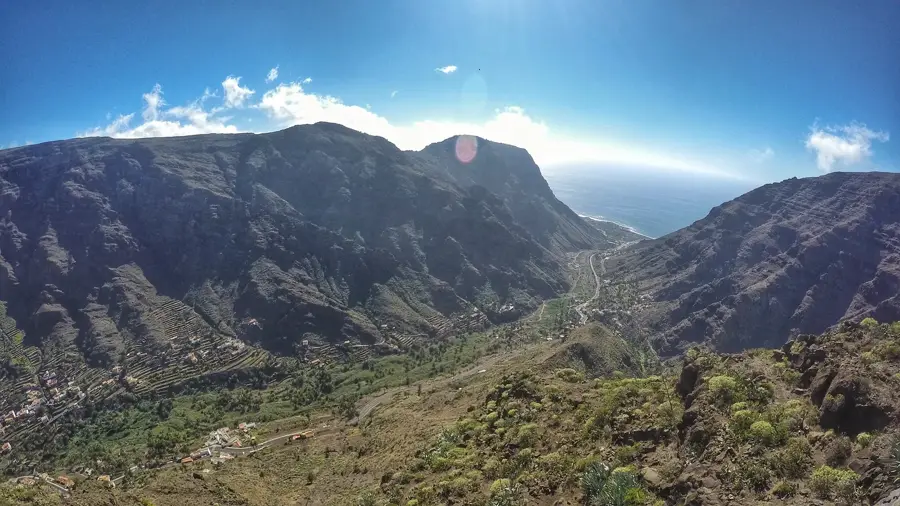
Garajonay National Park is located in the center of the island of La Gomera in the Canary Islands and is renowned for its exceptionally well-preserved laurel forest (laurisilva). This type of forest covered much of Southern Europe and North Africa during the Tertiary period but has survived here due to the mild climate and constant mist generated by trade winds. The park spans nearly 4,000 hectares and encompasses the islands highest point, the Alto de Garajonay at 1,487 meters. The lush vegetation consists of laurel trees, giant heathers, and numerous fern and moss species, all sustained by what is known as horizontal rain from cloud condensation. Garajonay is home to a high number of endemic species, including rare birds like the Bolles pigeon. Because of its ecological uniqueness, UNESCO designated the park a World Heritage site in 1986. It serves as a living fossil, preserving the prehistoric flora of the Macaronesian islands.

Best time to visit & climate

The most pleasant time to visit is May–Jul.

JanFebMarAprMayJunJulAugSepOctNovDec
Avg °C181818192021232324232120
Rain mm25241912732510253337

📋 Practical info

🧭
Getting there
Reached via the winding mountain roads of La Gomera, typically starting from the island's capital, San Sebastián. A rental car or local bus service is usually needed to visit.
📅
Best season
Accessible year-round due to the reliably mild Canarian climate. The characteristic mist and fog are frequent, creating a deeply mystical atmosphere regardless of the season.
⛰️
Terrain & paths
The park is heavily forested and quite mountainous, with a vast network of trails. Paths broadly range from flat, fully accessible boardwalks to steep, often muddy physical ascents.
🎒
What to bring
Rain gear and warm layers are consistently recommended, as the forest is often damp and notably cooler than the coast. Sturdy hiking boots with excellent grip are highly essential.
🅿️
Parking
Several major trailheads and the main visitor center predictably offer designated parking. These spaces can fill up quite rapidly during peak tourist hours in the middle of the day.
⚠️
Safety
The persistent high humidity frequently makes trails very slippery and muddy. Dense fog can reliably reduce visibility rapidly, so continually staying on clearly marked paths is key.
⏱️
Time needed
Most visitors spend at least a half-day pleasantly hiking a specific trail, though the very extensive network easily justifies two or three full days of rigorous ongoing exploration.

Geography

Coordinates
28.12510, -17.23410

Facts

  • Total area of 3,984 hectares
  • Highest peak reaches 1,487 meters
  • UNESCO World Heritage site since 1986
  • Best-preserved laurel forest in the region
  • Over 70% of the park is forested
  • Habitat for the endemic Bolles pigeon

Explore nearby

Notable places around

Route planner — Car & Motorhome

Where do you start? We build the route here, with stops and country notes along the way.

Vehicle
Only stops with (optional):

© OpenStreetMap contributors · OpenRouteService

Sights in the town Garajonay National Park (15)

Centro de Interpretación de Las Loceras🏛 museum

Visitors can explore the long-standing local tradition of hand-crafted pottery made without the use of a potter's wheel.

🕒 Tu-Su 09:30-13:30; Mo off

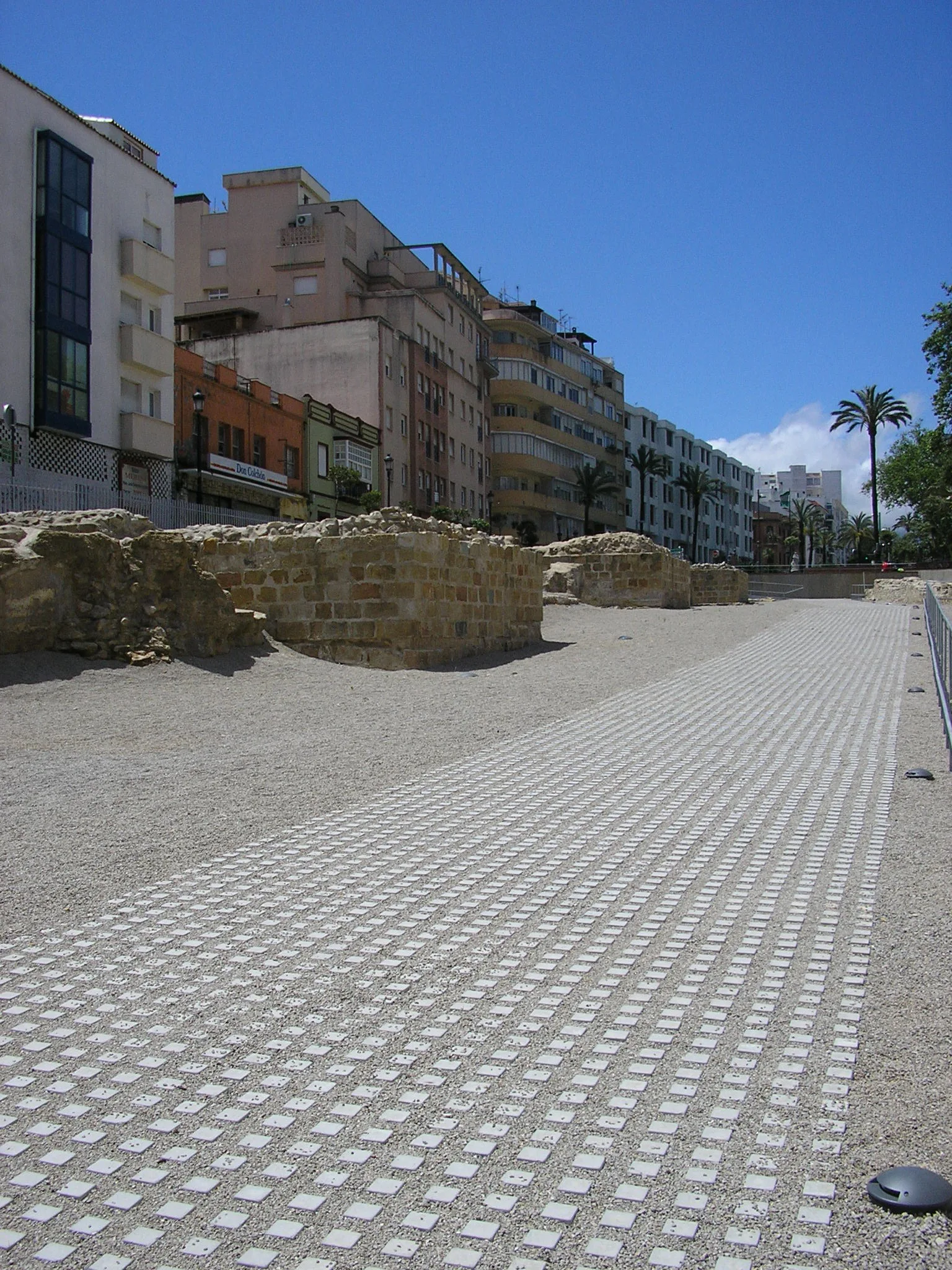
Castillo del Mar🏺 historical

The stone ruins of this former coastal fortress once played a crucial role in defending the harbor.

Botanical Garden📍 landmark

Dedicated to the era of discovery, this lush botanical garden features a diverse collection of exotic and endemic plant species.

🕒 Mo-Su 09:00-16:30

Fortaleza🌿 nature

This striking table mountain peak was historically considered a sacred natural fortress by the island's indigenous people.

Roque de Agando🌿 nature

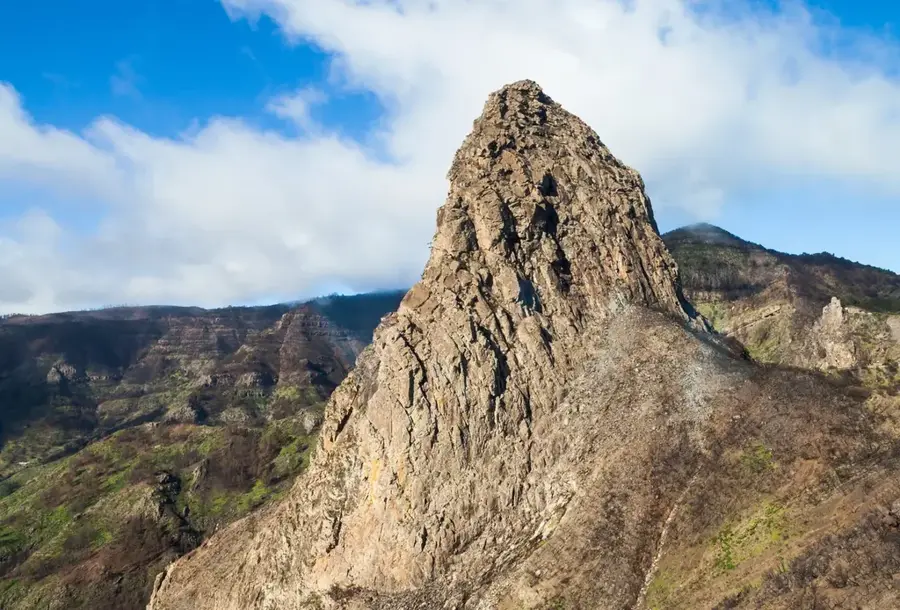
A dramatic volcanic plug rising steeply from the laurel forest, serving as a prominent natural landmark.

Majona Nature Park🌿 nature

Established in October 1999, this expansive reserve protects deep ravines and rugged coastal cliffs.

Pescante de Hermigua📍 landmark

These towering concrete pillars in the sea are the remnants of a historic crane used to load agricultural goods onto ships.

Ermita de Nuestra Señora de Candelaria⛪ religious

This quaint 17th-century hermitage provides a quiet place of worship amidst the rural landscape.

Playa de la Caleta de Hermigua🎡 recreation

This dark sand and pebble beach is positioned in a secluded coastal cove backed by steep cliffs.

Centro de interpretación de queso y pastoreo🏛 museum

Exhibits at this rural center detail the traditional techniques of local cheese production and traditional sheep herding.

Museo Etnográfico🏛 museum

Dedicated to the island's folk heritage, the museum showcases historical garments, tools, and agricultural implements.

🕒 Tu-Fr 10:00-18:00;Sa,Su 10:00-14:00

El Azadoe🏺 historical

These weathered stone foundations are all that remain of a long-abandoned rural dwelling on the hillside.

Terrazza🏺 historical

Crumbling retaining walls mark the site of former agricultural terraces that once supported crops on the steep terrain.

Centro Cultural Las Hayas🎭 culture

The Centro Cultural Las Hayas is an arts centre hosting cultural events in the Garajonay region.

Drago Centenario📍 landmark

The Drago Centenario is a centuries-old dragon tree serving as a prominent natural attraction on La Gomera.

Sights nearby

Frequently asked questions

What is a laurel forest?
A prehistoric type of forest (laurisilva) that has survived thanks to the fog on La Gomera.
Why is it often foggy there?
Trade winds bring moist air masses that condense against the mountains, creating fog.
Are there good hiking trails in the park?
Yes, there is an extensive network of well-marked trails through the fairytale-like forest.
How do you get from Tenerife to Garajonay?
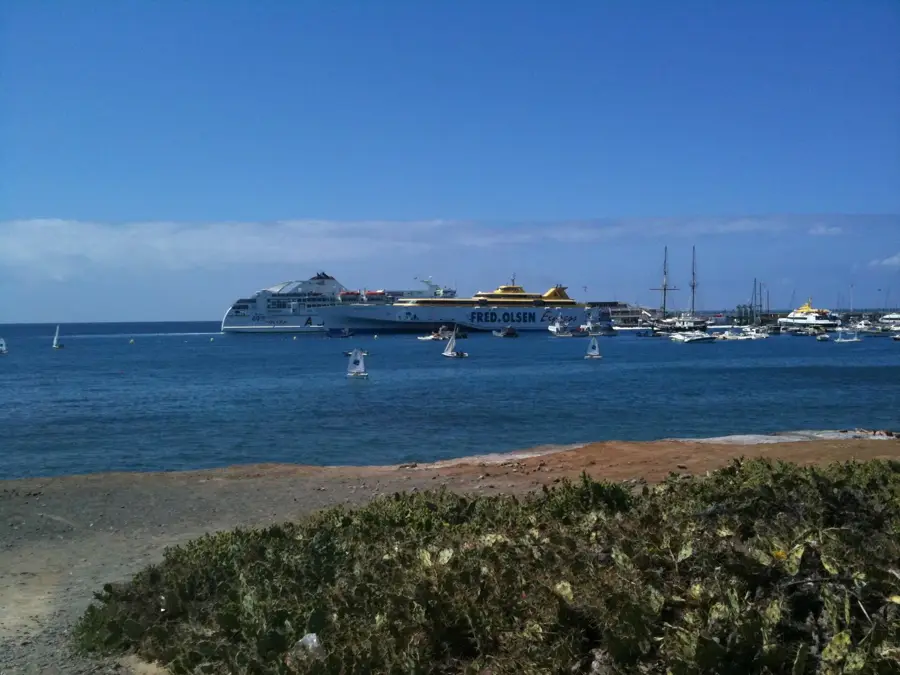
By ferry from Los Cristianos to San Sebastián de la Gomera, then by bus or car.
Is the park a UNESCO World Heritage site?
Yes, it was added to the list in 1986 because of its unique flora.
Garajonay National Park: where is it located?
Garajonay National Park is located in Galicia, Spain.
Garajonay National Park: what is there to see?
Highlights include Centro de Interpretación de Las Loceras, Castillo del Mar, Botanical Garden.
Garajonay National Park: when is the best time to visit?
The most pleasant time to visit is May, Jul.
Garajonay National Park: why is it worth visiting?
Garajonay National Park is located in the center of the island of La Gomera in the Canary Islands and is renowned for its exceptionally well-preserved laurel forest (laurisilva).
View on map → The Top 50 Attractions → Most beautiful beaches → OpenStreetMap →
Europe
Explore with Plizio Discover more places in Europe
More places in Spain →

Nearby cities

History & landmarks