Plizio Visual Lab

Caldera de Taburiente

Plizio editorial teamData Sources
park
—°15
Caldera de Taburiente (Spain)

Weather…

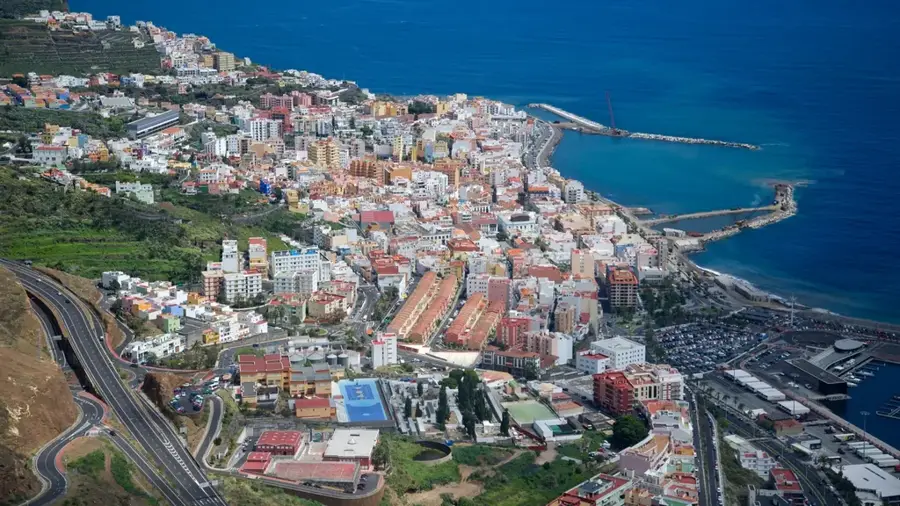
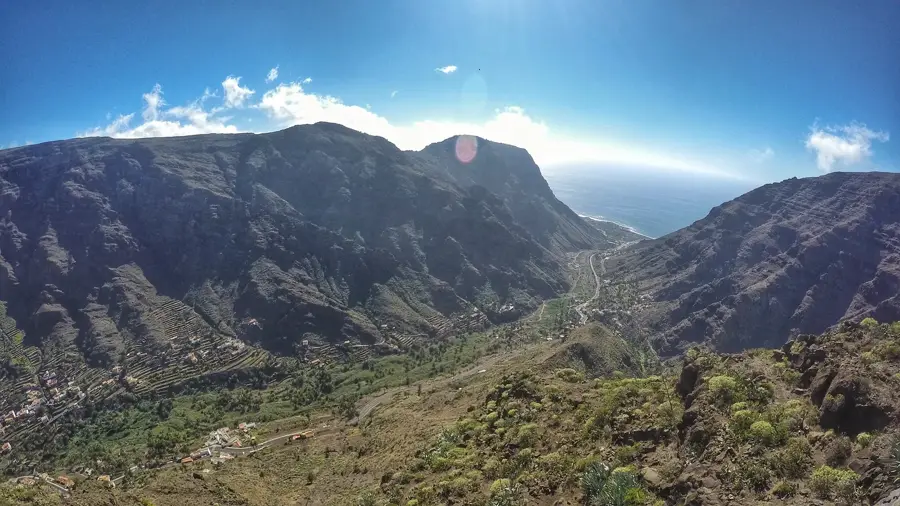
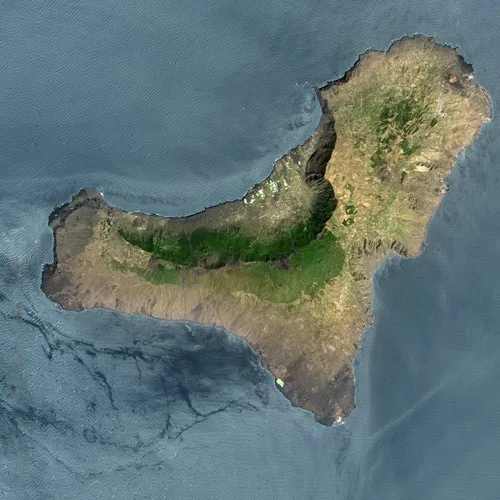
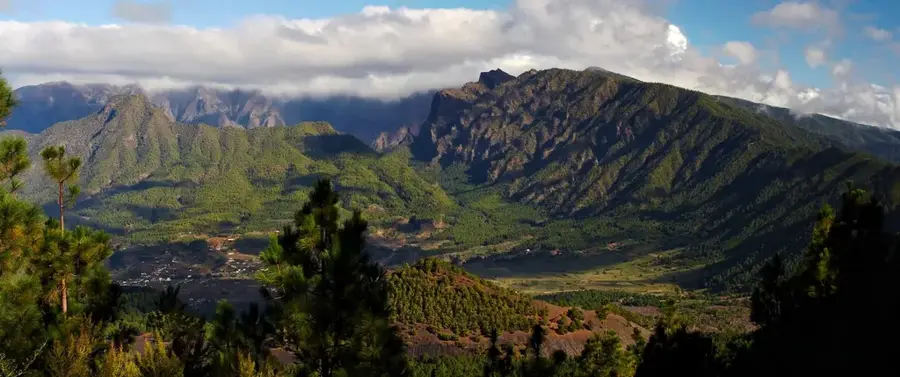
The Caldera de Taburiente National Park, situated in the center of the Canary Island of La Palma, is one of the world's most spectacular volcanic and erosional landscapes. Despite its name, this massive depression is not a true volcanic caldera formed by collapse, but rather the result of millions of years of severe water erosion and massive landslides acting upon a shield volcano. Spanning an impressive eight kilometers in diameter, the crater features near-vertical rock walls that plunge dramatically to depths of up to 2,000 meters. The highest point along the jagged rim is the Roque de los Muchachos (2,426 m). Thanks to the exceptionally clear and stable atmospheric conditions, this summit hosts one of the premier astrophysical observatories on the planet. The caldera's interior is thickly forested with the highly fire-resistant Canary Island pine and crisscrossed by a network of permanent streams and waterfalls. The region was designated a national park in 1954 to safeguard its extraordinary geology and rich endemic flora.

Best time to visit & climate

The most pleasant time to visit is May–Jul.

JanFebMarAprMayJunJulAugSepOctNovDec
Avg °C181818192021222323232120
Rain mm24322216642512304743

📋 Practical info

🧭
Getting there
The park on La Palma is primarily accessed by car, with a winding road leading to the main visitor center and viewpoints. Reaching the interior usually involves organizing a taxi to a high trailhead, followed by a steep descent.
📅
Best season
The park is a year-round destination, but spring features blooming vegetation, and autumn provides clear skies for hiking. Winter can bring heavy rain to the island, occasionally causing trail closures or hazardous ravine crossings.
⛰️
Terrain & paths
The terrain is dramatic and challenging, characterized by nearly vertical crater walls, dense pine forests, and a rugged floor. Hiking paths are often steep, rocky, and narrow, demanding a very good level of fitness and surefootedness.
🎒
What to bring
Sturdy, deeply treaded hiking boots are crucial for handling steep descents and navigating wet stream crossings. Trekking poles reduce strain on the knees, and hikers must carry ample water, high-energy food, and reliable sun protection.
🅿️
Parking
Parking is available at the main visitor center and at established viewpoints, where spaces are limited and may require advance booking. For major hikes into the caldera, visitors frequently use specialized taxi services instead of parking.
⚠️
Safety
Flash floods in the deep ravines are a serious danger during heavy rainfall, so checking local weather warnings is essential. The trails feature sheer drops and loose terrain, requiring constant attention and caution during the descent.
⏱️
Time needed
A visit to the rim viewpoints or the visitor center can be a rewarding half-day experience for those avoiding demanding hikes. A full descent into the caldera and the subsequent hike out through the ravines is a strenuous full-day adventure.

Geography

Coordinates
28.71000, -17.87000

Facts

  • Located in the geographic center of La Palma in the Canary Islands
  • Officially designated and protected as a National Park in 1954
  • The immense erosional crater measures approximately 8 kilometers in diameter
  • The inner rock walls feature dramatic vertical drops of up to 2,000 meters
  • Roque de los Muchachos is the highest elevation on the rim at 2,426 meters
  • The summit is home to one of the most important astronomical observatories globally
  • The basin is heavily forested with the endemic, fire-adapted Canary Island pine

Explore nearby

Notable places around
Route planner — Car & Motorhome

Where do you start? We build the route here, with stops and country notes along the way.

Vehicle
Only stops with (optional):

© OpenStreetMap contributors · OpenRouteService

Sights in the town Caldera de Taburiente (15)

Museo Arqueológico Benahorita🏛 museum

The Museo Arqueológico Benahorita is a museum dedicated to the indigenous Benahoarita people of La Palma.

🕒 Mo-Fr 09:00-20:00; Sa 09:00-14:00💶

Ermita del Buen Jesús🏺 historical

The Ermita del Buen Jesús is a historic monument in Tijarafe that dates back to the year 1584.

Ayuntamiento de El Paso🏺 historical

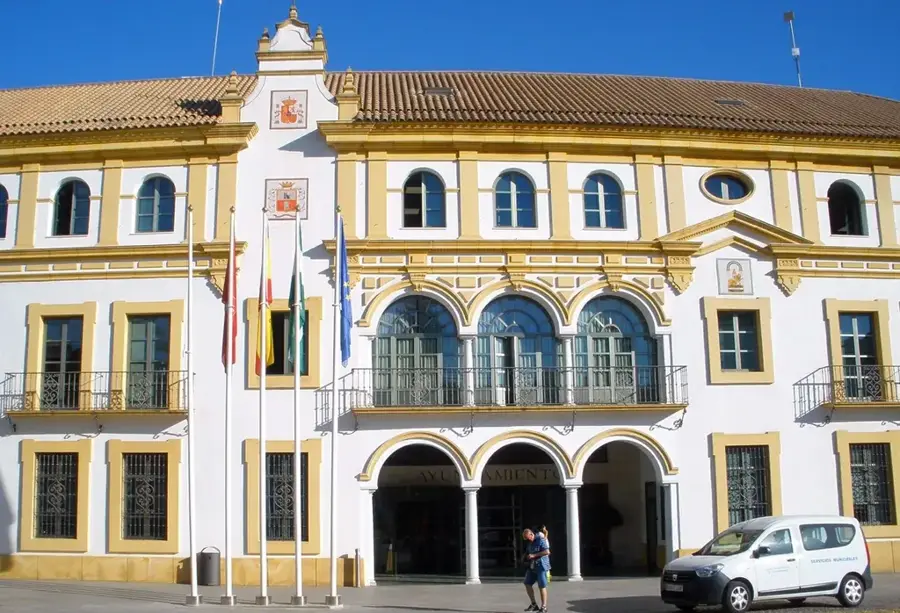
The Ayuntamiento de El Paso serves as the administrative center for this municipality on the volcanic island of La Palma.

Santuario de Nuestra Señora de Las Nieves⛪ religious

The Santuario de Nuestra Señora de Las Nieves houses the patron saint of La Palma and is a major pilgrimage destination on the island.

Iglesia de los Remedios⛪ religious

The Iglesia de los Remedios is a prominent parish church located in the heart of Los Llanos de Aridane.

Nuestra Señora de las Angustias⛪ religious

Nuestra Señora de las Angustias is a sacred site set near the deep, rugged ravines of Los Llanos de Aridane.

Pico Bejenado🌿 nature

Pico Bejenado is a prominent mountain peak offering panoramic views over the Caldera de Taburiente National Park.

Barranco del Jorado Natural Monument🌿 nature

Established in October 1999, the Barranco del Jorado Natural Monument protects a steep ravine environment on the island of La Palma.

Monumento Natural de Idafe🌿 nature

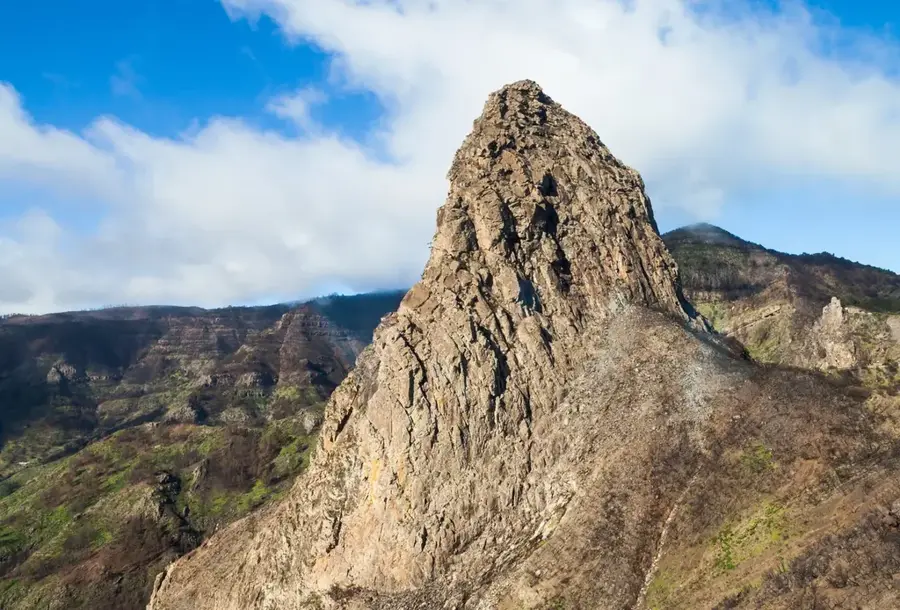
The Monumento Natural de Idafe centers around a distinctive freestanding rock formation that was sacred to the indigenous Benahoaritas.

Museo del Mojo🏛 museum

The Museo del Mojo is a specialized museum showcasing the history and preparation of the traditional Canarian mojo sauces.

Parque Antonio Gómez Felipe🌳 park

Parque Antonio Gómez Felipe is a botanical park known for its unique volcanic landscaping and endemic flora.

Playa de El Puerto🎡 recreation

Playa de El Puerto is a coastal beach characterized by its dark volcanic sand meeting the Atlantic Ocean.

Benehauno - Centro de interpretación de petroglifos🏛 museum

The Benehauno interpretation center provides detailed exhibits on the ancient stone petroglyphs carved by La Palma's indigenous people.

🕒 Mo-Fr 10:00-15:00; Sa 09:30-13:30

Castillo de la Virgen🏰 castle

The Castillo de la Virgen is a symbolic castle in Santa Cruz de La Palma that plays a central role in the traditional Bajada de la Virgen festivities.

Grabados rupéstres de La Fajana🏺 historical

The Grabados rupéstres de La Fajana is an archaeological site featuring mysterious spiral and geometric rock carvings left by the pre-Hispanic Benahoaritas.

Sights nearby

Frequently asked questions

How deep is the crater?
The caldera has a diameter of 8 km and is up to 2,000 m deep.
What is the highest point?
Roque de los Muchachos at 2,426 meters high.
Do you need a permit for camping?
Yes, camping is only allowed in the designated area with a prior reservation.
Is the water drinkable?
The water in the streams should not be drunk unfiltered.
Are there observatories there?
Yes, one of the world's most important observatories is located at Roque de los Muchachos.
Caldera de Taburiente: where is it located?
Caldera de Taburiente is located in Galicia, Spain.
Caldera de Taburiente: what is there to see?
Highlights include Museo Arqueológico Benahorita, Ermita del Buen Jesús, Ayuntamiento de El Paso.
Caldera de Taburiente: when is the best time to visit?
The most pleasant time to visit is May, Jul.
Caldera de Taburiente: why is it worth visiting?

The Caldera de Taburiente National Park, situated in the center of the Canary Island of La Palma, is one of the world's most spectacular volcanic and erosional landscapes.
View on map → The Top 50 Attractions → Most beautiful beaches → OpenStreetMap →
Europe
Explore with Plizio Discover more places in Europe
More places in Spain →

Nearby cities

History & landmarks