Plizio Visual Lab

Caldera de Taburiente National Park
Plizio editorial teamData Sources
park
—°11
Caldera de Taburiente National Park (Spain)

Weather…

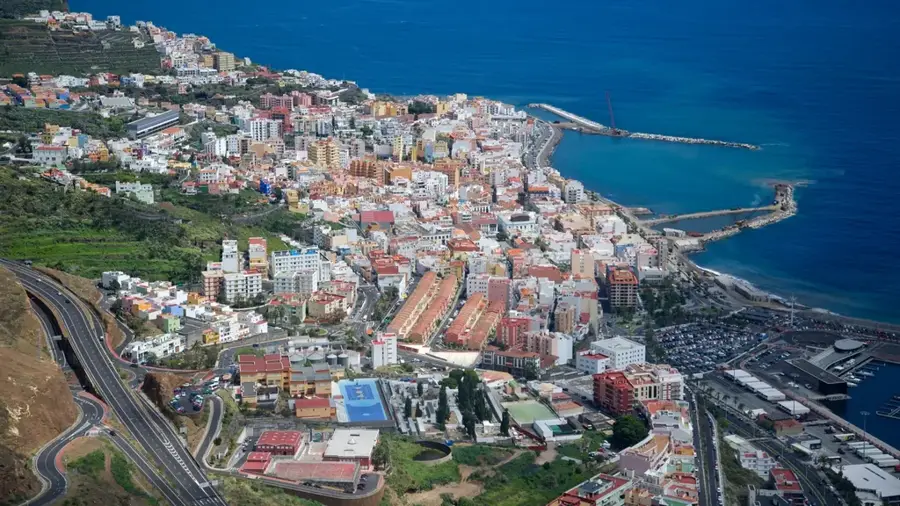
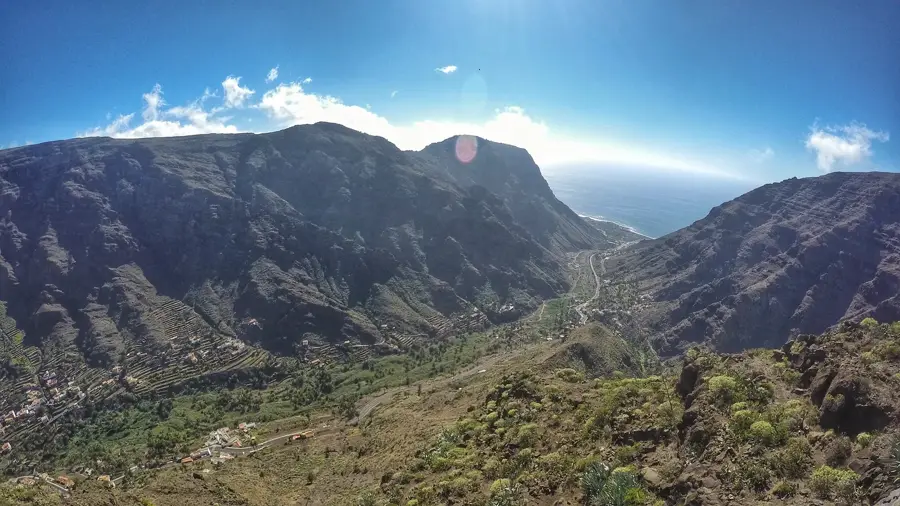
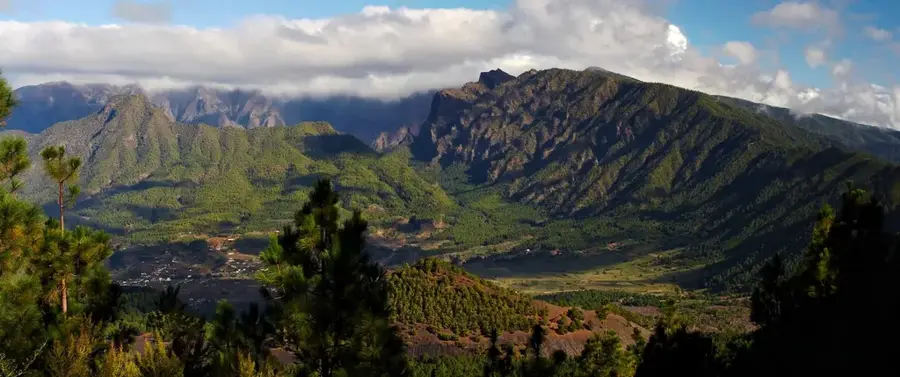
The Caldera de Taburiente National Park on the Canary Island of La Palma encompasses one of the most impressive geological formations on Earth: a gigantic erosion crater eight kilometers in diameter with sheer walls that plummet up to 2,000 meters into the depths. This rugged caldera is densely covered by resilient Canary Island pine forests, which can even survive wildfires. The rugged terrain is crisscrossed by a dense network of streams and waterfalls, most notably the famous Cascada de los Colores (Colored Waterfall), whose waters are dyed bustling shades of yellow, orange, and green by iron and mineral deposits. Perched on the highest rim of the caldera is the Roque de los Muchachos, home to one of the world's most important astrophysical observatories due to the exceptional clarity of the air.

Best time to visit & climate

The most pleasant time to visit is May–Jul.

JanFebMarAprMayJunJulAugSepOctNovDec
Avg °C181818192021222323232120
Rain mm24322216642512304743

📋 Practical info

🧭
Getting there
The immense crater is approached via winding mountain roads on La Palma, usually terminating at official high-altitude visitor centers or scenic lookouts. Deep access into the gorge itself is often regulated, requiring visitors to hike in or use designated taxi shuttles.
📅
Best season
The park can be visited year-round thanks to the Canary Islands' mild climate, though spring features the most lush and lively landscapes. Winter rains occasionally cause flash flooding in the lower ravines, making some trails temporarily impassable.
⛰️
Terrain & paths
Trekkers will encounter a dramatic, steep landscape featuring dense pine forests, rugged volcanic ridges, and plunging waterfalls. The elevation changes are significant, ranging from moderate rim walks to highly strenuous descents into the crater floor.
🎒
What to bring
Sturdy, well-broken-in hiking boots are essential to handle the constant, rocky elevation shifts comfortably. Weather conditions at high altitudes can be surprisingly crisp, so packing windproof layers alongside ample water and snacks is crucial.
🅿️
Parking
Parking spots at the premier vantage points and trailheads are highly sought after and can fill up very early in the morning. To avoid congestion, many visitors choose to leave their cars in the lower towns and employ specialized shuttle services.
⚠️
Safety
The steep descents into the caldera require good knee strength and careful footing on sections prone to loose volcanic scree. Hikers should continuously check local weather warnings, as heavy rains can create sudden and highly dangerous water flows in the ravines.
⏱️
Time needed
Enjoying the panoramic views from the accessible rim overlooks generally takes about one to two hours. For those aiming to hike down into the caldera floor and back out, it is an arduous commitment requiring six to eight hours or more.

Geography

Coordinates
28.72410, -17.87230

Explore nearby

Notable places around

Route planner — Car & Motorhome

Where do you start? We build the route here, with stops and country notes along the way.

Vehicle
Only stops with (optional):

© OpenStreetMap contributors · OpenRouteService

Sights in the town Caldera de Taburiente National Park (11)

Iglesia Nuestra Senora de la Candelaria🏺 historical

This historic church monument dates back to 1571 and features traditional Canarian religious architecture.

Parque Cultural La Zarza y La Zarcita📍 landmark

This cultural park attraction is renowned for preserving significant pre-Hispanic petroglyphs hidden within a lush forest.

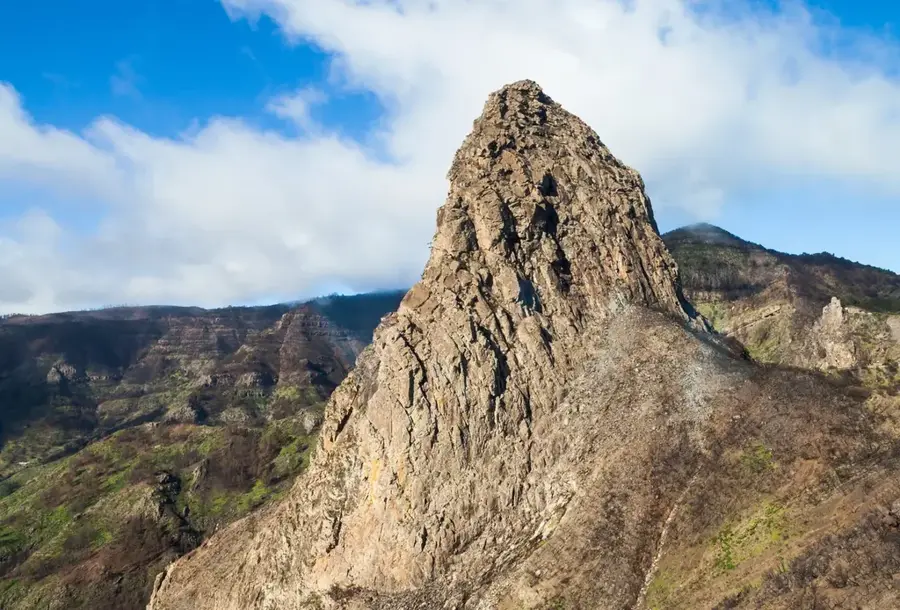
Roque de los Muchachos🌿 nature

Towering over the island, this high volcanic peak is globally famous for hosting a major international astronomical observatory at its summit.

Roque Palmero🌿 nature

This rugged volcanic peak sits along the dramatic elevated ridges that form the island's towering backbone.

Pinar de Garafía Integrated Nature Reserve🌿 nature

This protected nature reserve preserves a vast, pristine ecosystem dominated by resilient Canary Island pine trees.

La Zarza🏺 historical

Hidden within dense vegetation, this archaeological site is renowned for its intricate spiral and circular pre-Hispanic rock carvings.

La Zarcita II🏺 historical

This ancient archaeological site preserves enigmatic indigenous petroglyphs etched onto basalt rocks in a quiet forest setting.

Casa de la Cultura🎭 culture

Acting as a local hub, this arts center hosts cultural events, workshops, and exhibitions for the surrounding municipality.

Centro de Jovenes "7 de septiembre"🎭 culture

This youth-focused arts center provides a dynamic gathering space for creative expression and community programs.

Cueva del Flaire📍 landmark

Positioned in the dramatic rocky landscape, this natural cave attraction reveals the island's porous volcanic geology.

Conjunto pastoril del Morro de La Crespa📍 landmark

Situated on a highland outcrop, this attraction features the traditional dry-stone remnants of an ancient pastoral settlement.

Sights nearby

Frequently asked questions

What actually is the Caldera?
A massive erosion crater with a diameter of about 8 kilometers.
What is the Roque de los Muchachos?
The highest point on the island of La Palma and home to major astronomical observatories.
Are there waterfalls there?
Yes, the 'Cascada de Colores' is famous for its yellow and orange hues caused by minerals.
Is hiking difficult there?
Some trails are very steep and demanding; good fitness and mountain boots are required.
Can you camp in the park?
There is a designated campsite inside for which you must make a reservation in advance.
Caldera de Taburiente National Park: where is it located?
Caldera de Taburiente National Park is located in Galicia, Spain.
Caldera de Taburiente National Park: what is there to see?
Highlights include Iglesia Nuestra Senora de la Candelaria, Parque Cultural La Zarza y La Zarcita, Roque de los Muchachos.
Caldera de Taburiente National Park: when is the best time to visit?
The most pleasant time to visit is May, Jul.
Caldera de Taburiente National Park: why is it worth visiting?

The Caldera de Taburiente National Park on the Canary Island of La Palma encompasses one of the most impressive geological formations on Earth: a gigantic erosion crater eight kilometers in diameter with sheer walls that plummet up to 2,000 meters into the depths.
View on map → The Top 50 Attractions → Most beautiful beaches → OpenStreetMap →
Europe
Explore with Plizio Discover more places in Europe
More places in Spain →

Nearby cities

History & landmarks