Plizio Visual Lab

Battle of Myeongnyang Site
Plizio editorial teamData Sources
battlefield
—°1
Battle of Myeongnyang Site (South Korea)

Weather…

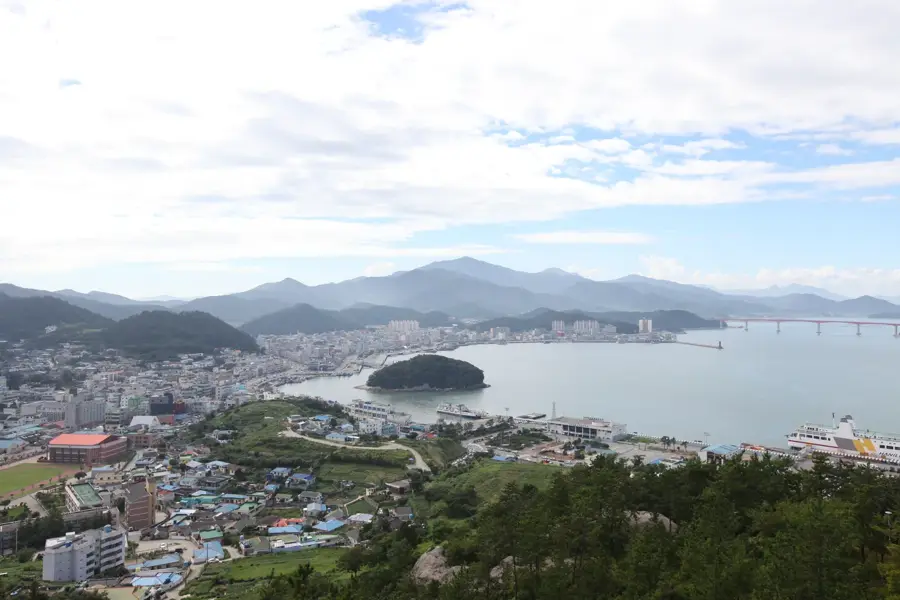
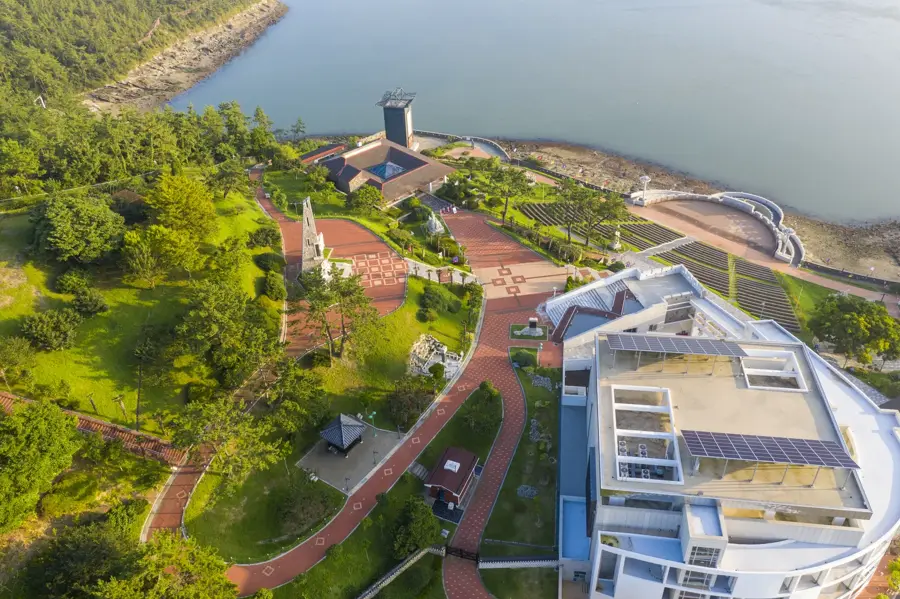
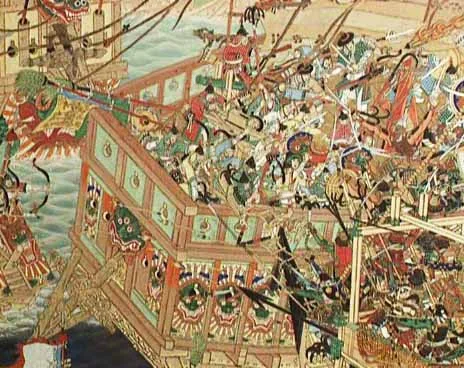
The Battle of Myeongnyang site marks the location of one of the most miraculous naval victories in military history, occurring on October 26, 1597. In the narrow Myeongnyang Strait, famously called Uldolmok or 'the Roaring Channel' due to its violent currents, Admiral Yi Sun-sin led a mere 13 ships against a massive Japanese fleet of over 130 warships. Yi's victory relied on his masterful understanding of the local geography and the strait's treacherous tidal currents, which can reach speeds of up to 11 knots. By timing the engagement with the shifting tides, the Korean forces caused the crowded Japanese vessels to collide with each other in the turbulent waters, rendering their numerical advantage useless. This strategic triumph was a decisive turning point in the Imjin War, preventing a naval assault on the capital and restoring Korean morale. Today, the site features the Myeongnyang Battle Victory Park, complete with a towering statue of Admiral Yi and an exhibition hall that details the tactical brilliance used to secure the Korean peninsula's safety.

Best time to visit & climate

The most pleasant time to visit is Jun, Sep, Oct.

JanFebMarAprMayJunJulAugSepOctNovDec
Avg °C45712162024262217126
Rain mm355275117125171257244161735442

📋 Practical info

🚪
Visiting
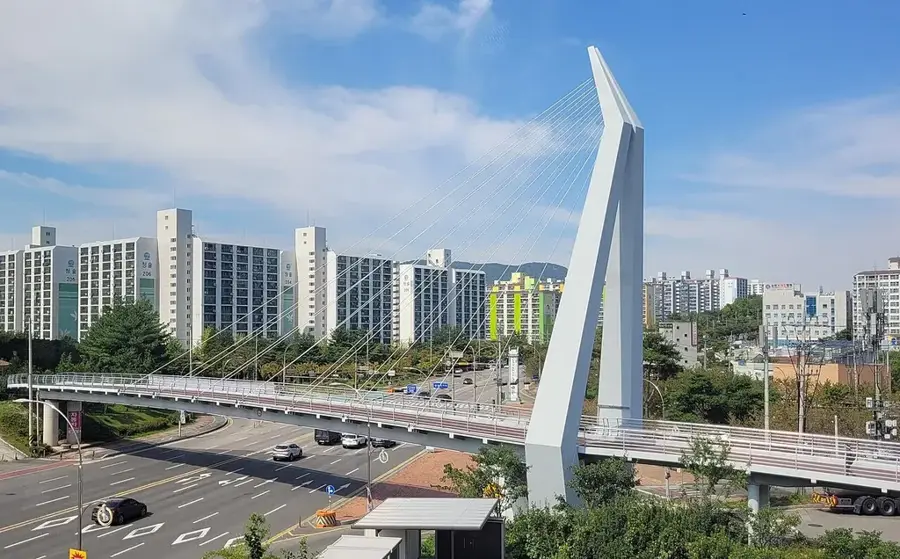
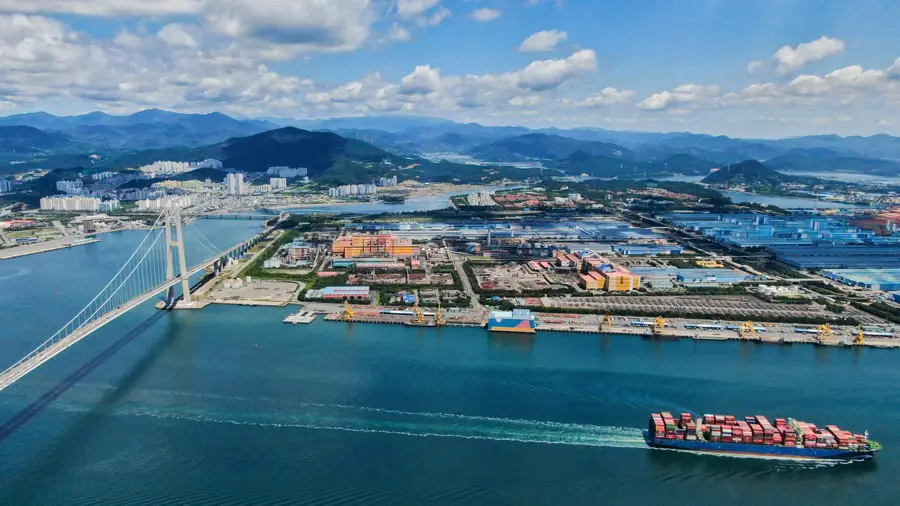
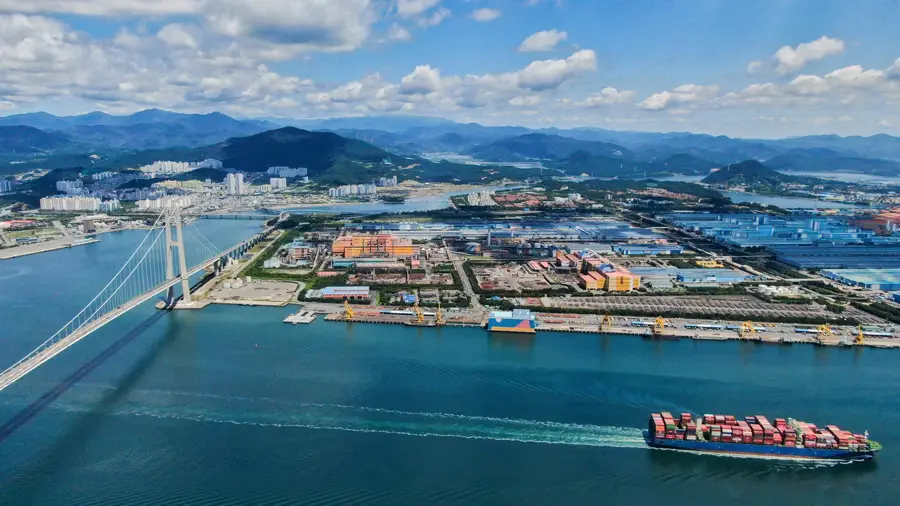
Visitors can fully experience the powerful historical atmosphere of this legendary naval battlefield from excellent coastal observation points and dedicated nearby memorial parks. The turbulent waters of the strait can be easily viewed from the bridge spanning the channel or from the shorefront.
🕒
Typical hours
The natural strait and the primary outdoor viewing areas remain openly accessible to the public continuously throughout the day without strict time restrictions. However, associated interpretive museums and cultural memorial sites in the vicinity typically follow standard daytime operational schedules.
📷
Photography
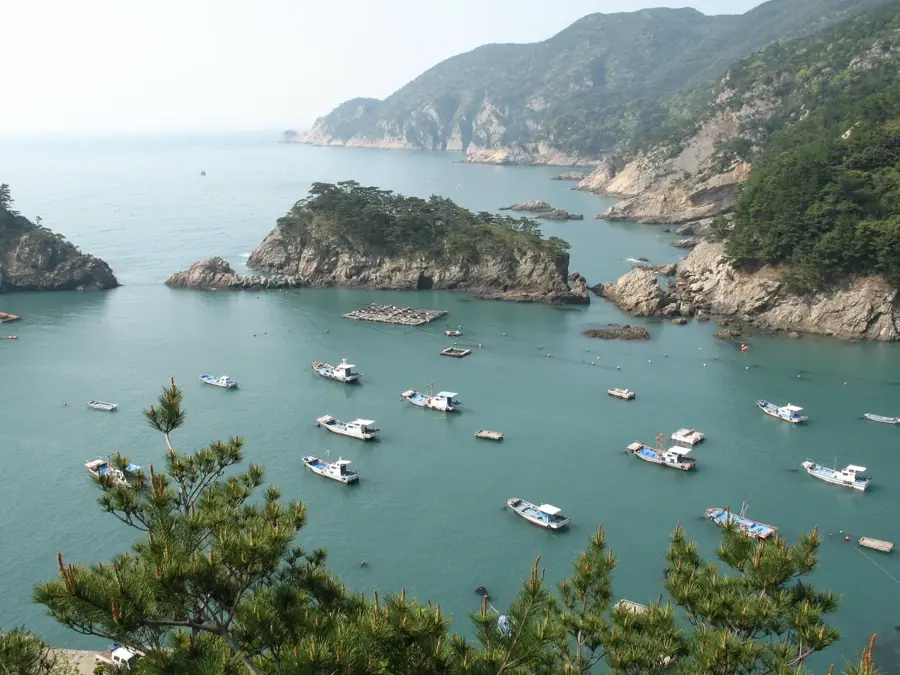
Capturing photographs of the dramatically swirling tidal currents from the elevated bridge structures provides a sweeping visual reminder of the unique maritime environment that decided the battle. Clear days offer brilliant views of the surrounding rugged coastal geography.
⏱️
Time needed
A relaxed visit to observe the incredibly fast-moving waters and respectfully wander through the adjacent memorial installations typically takes about one to two hours. Taking this much time allows you to thoroughly absorb the profound strategic context of the historic location.
Combine with
To gain a more profound educational perspective on brilliant historical naval strategies, pair this visit with a stop at any nearby observation towers or local maritime museums. The broader coastal region also features peaceful historical temples and photogenic nature trails to explore.
🧭
Getting there
Reaching this historic coastal strait is most efficiently done by personal car or a dedicated regional tour bus traveling from major nearby transport hubs. The area immediately around the viewing platforms is usually exceptionally well-equipped with spacious dedicated parking facilities.
💡
Insider tip
If your schedule is highly flexible, try to carefully time your visit to perfectly coincide with the dramatic shift in local tides. Witnessing the immense power of the naturally funneling currents vividly brings the chaotic conditions of the historic naval battle to life right before your eyes.

Geography

Coordinates
34.57600, 126.31500

Facts

  • The battle took place on the 16th day of the 9th lunar month in 1597.
  • The current in the Myeongnyang Strait reverses direction four times a day.
  • Admiral Yi used a single ship to hold the line initially while the others hesitated.
  • Japanese naval strength was estimated at 133 warships and over 200 support vessels.
  • The victory is often cited as a prime example of using environmental factors in warfare.
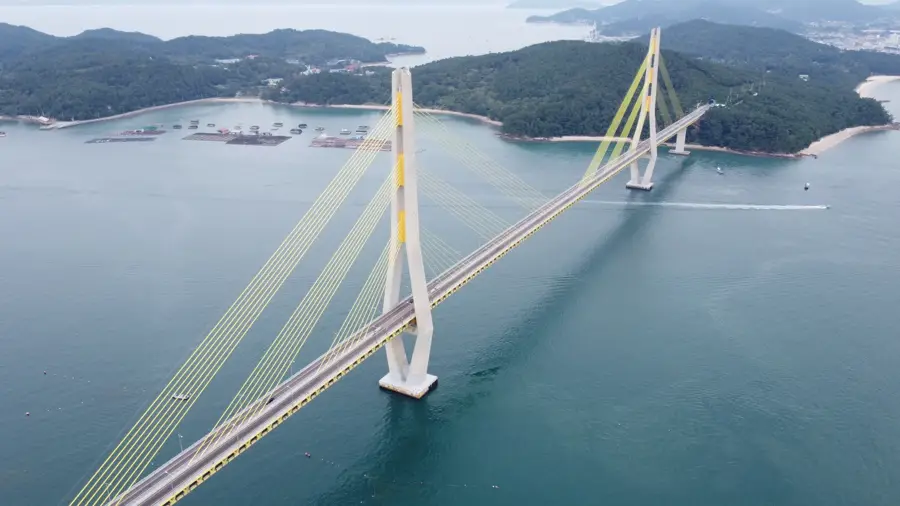
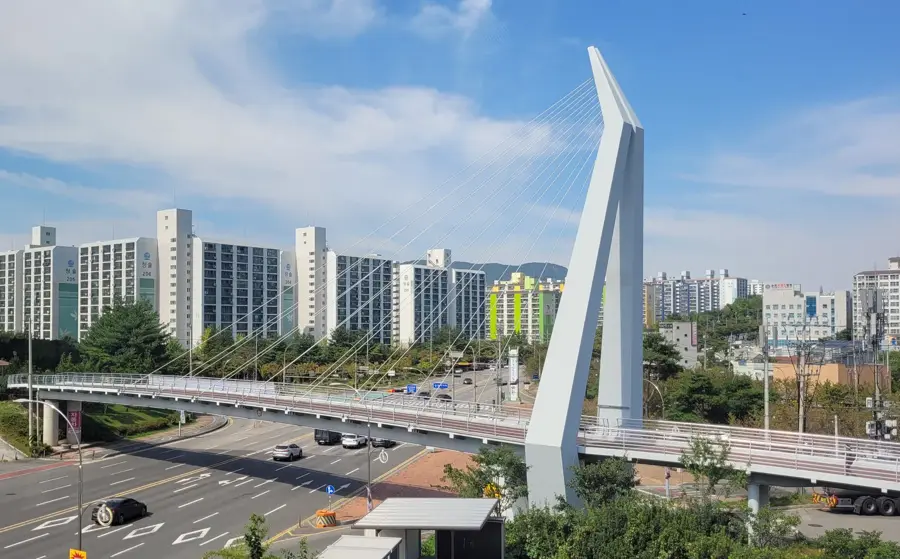
  • The Jindo Grand Bridge, which spans the strait today, is South Korea's longest cable-stayed bridge.

Explore nearby

Notable places around

Route planner — Car & Motorhome

Where do you start? We build the route here, with stops and country notes along the way.

Vehicle
Only stops with (optional):

© OpenStreetMap contributors · OpenRouteService

Sights in the town Battle of Myeongnyang Site (1)

Jindo Bridge📍 landmark

Jindo Bridge is a prominent cable-stayed bridge connecting Jindo Island to the mainland over the historic Myeongnyang Strait.

Sights nearby

Frequently asked questions

What happened at the Battle of Myeongnyang?
Admiral Yi Sun-sin defeated a massive Japanese fleet with only 13 ships in 1597.
Where exactly is the battlefield located?
In the Myeongnyang Strait between Jindo and Haenam in southwestern Korea.
What is the Uldolmok phenomenon?
Extremely strong tidal currents that sound like roaring water, used strategically in the battle.
Is there a memorial park on-site?
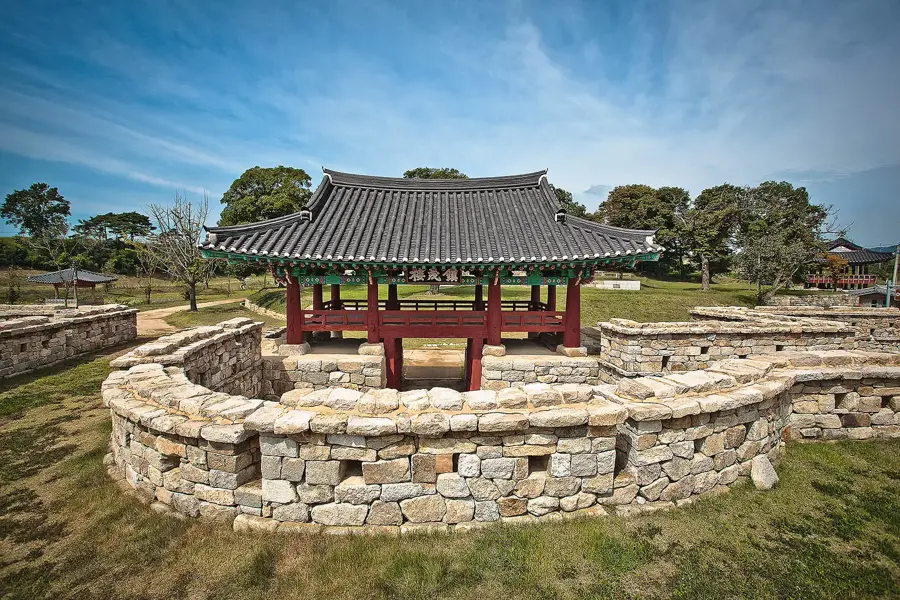
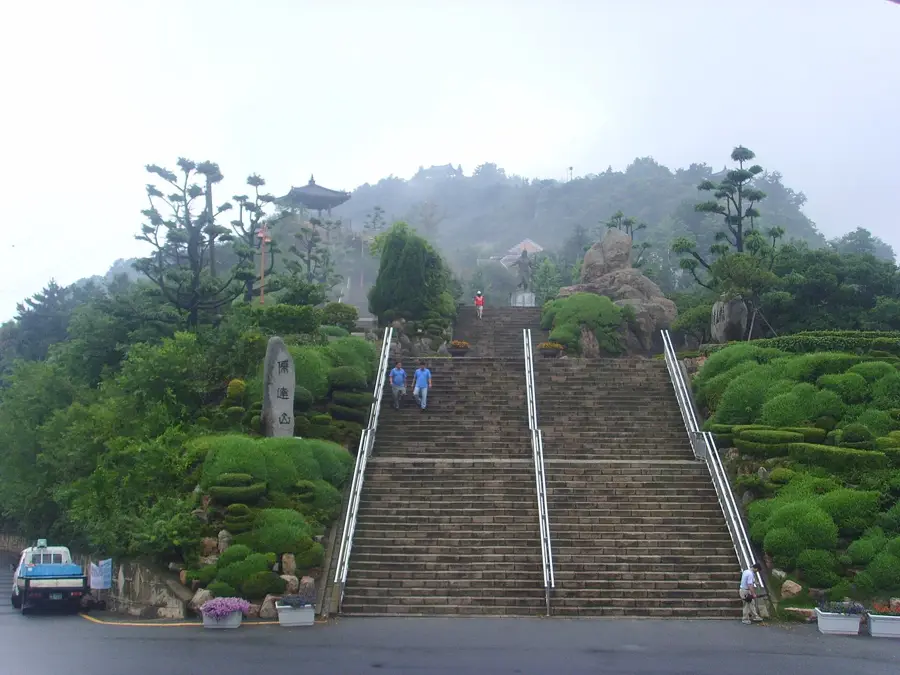
Yes, the Usuyeong Memorial Park features monuments and exhibitions about the battle.
How do you get to Jindo?
There are bus connections from Mokpo or Gwangju that cross the Jindo Bridge.
Battle of Myeongnyang Site: where is it located?
Battle of Myeongnyang Site is located in South Korea.
Battle of Myeongnyang Site: when is the best time to visit?
The most pleasant time to visit is Jun, Sep, Oct.
Battle of Myeongnyang Site: why is it worth visiting?

The Battle of Myeongnyang site marks the location of one of the most miraculous naval victories in military history, occurring on October 26, 1597.
View on map → The Top 50 Attractions → OpenStreetMap →
Asia
Explore with Plizio Discover more places in Asia
More places in South Korea →

Nearby cities

History & landmarks
Nature
More places