Plizio Visual Lab
Kuruman
ℹ️Practical info — Kuruman
▾
🌤 Weather — 5 days
📍 Nearby
Sights nearby
💡 Tips
- Visit 'The Eye' (Die Oog), a natural fountain that provides millions of liters of fresh water daily in the arid environment.
- Take time to visit the Moffat Mission to learn about the regional history and its connection to David Livingstone.
- Treat Kuruman as your gateway to the Kalahari; ensure your vehicle is fueled and your water supplies are topped up.
- Try the local spring water from the designated taps near The Eye-it is exceptionally pure and fresh.
- Limit outdoor activities during midday as Kalahari heat can be intense and dangerous without shade.
🍽 Food
If visiting after the rains, look for these rare desert fungi (n'abbas) at local markets.
Sample kudu or gemsbok (oryx) steaks at the town's prominent steakhouses.
Visit local butchers for expertly spiced meat cuts ready for a traditional South African barbecue.
🛍 Shopping · 🧘 Quiet spots
Located near The Eye, this is a good place for San-inspired crafts and local souvenirs.
Purchase dried fruits and local honey sourced from Kalahari farms at grocery stores.
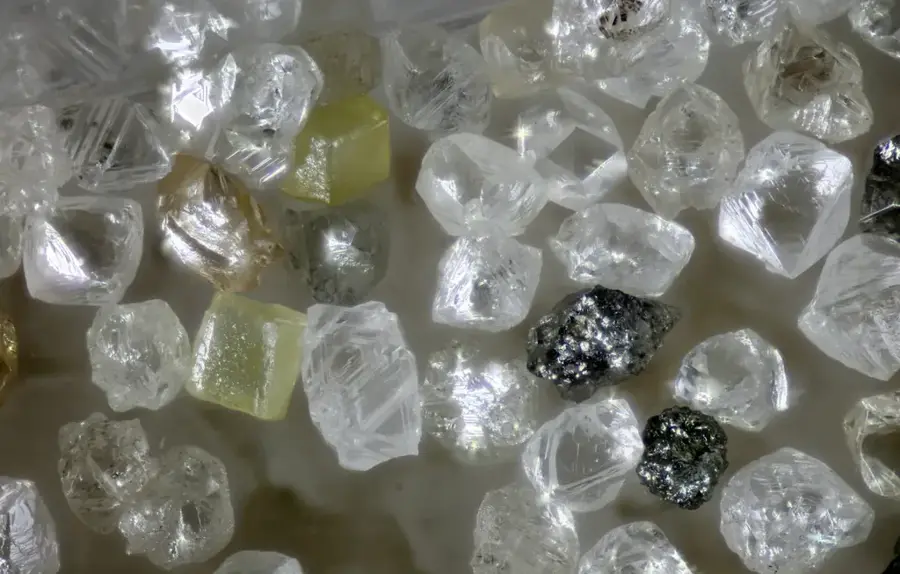
The area is mining-rich; look for shops selling decorative rock and mineral samples.
A shaded, cool park surrounding the fountain, great for a relaxing picnic in the desert heat.
The historical gardens and buildings of the mission offer a very peaceful atmosphere.
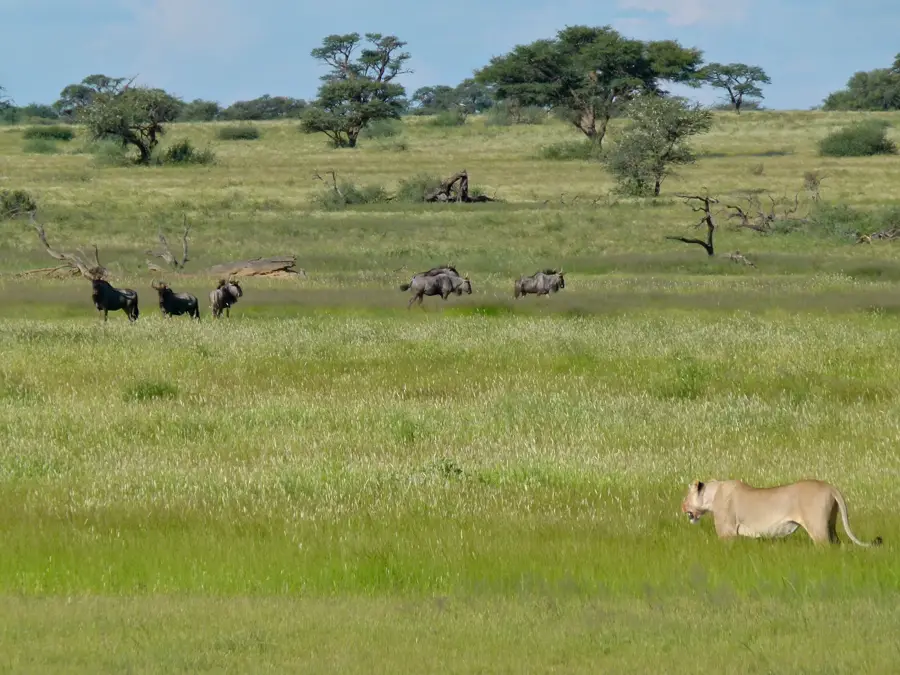
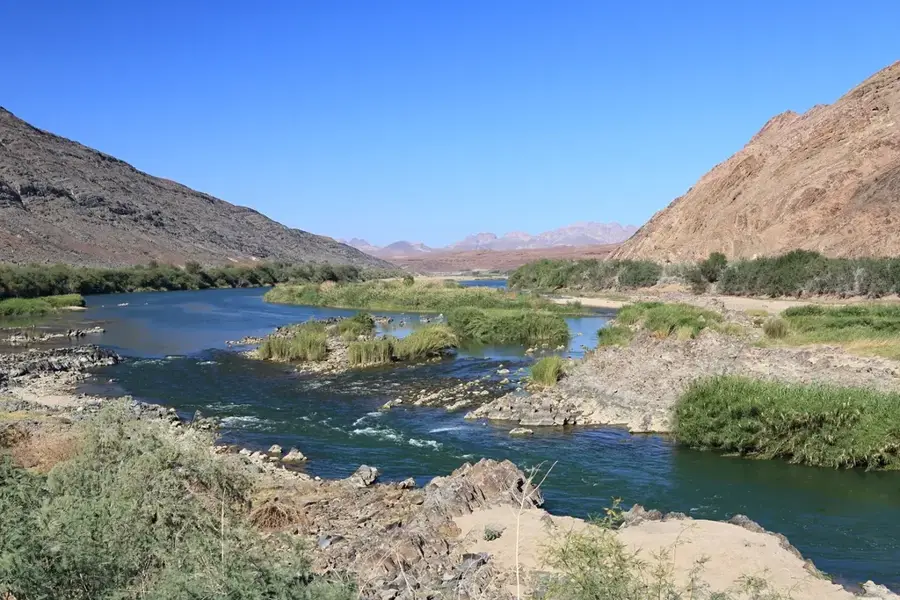
Explore the (often dry) riverbed on the outskirts for quiet nature observation and birdwatching.
Water temperature…
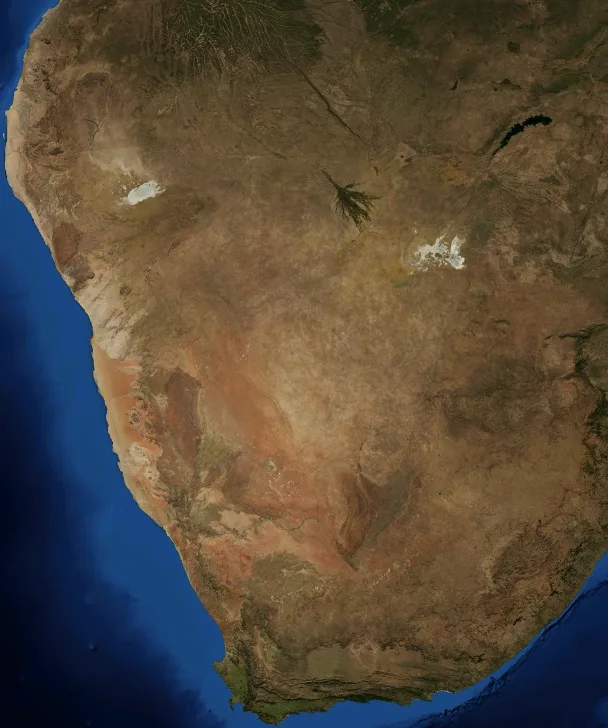
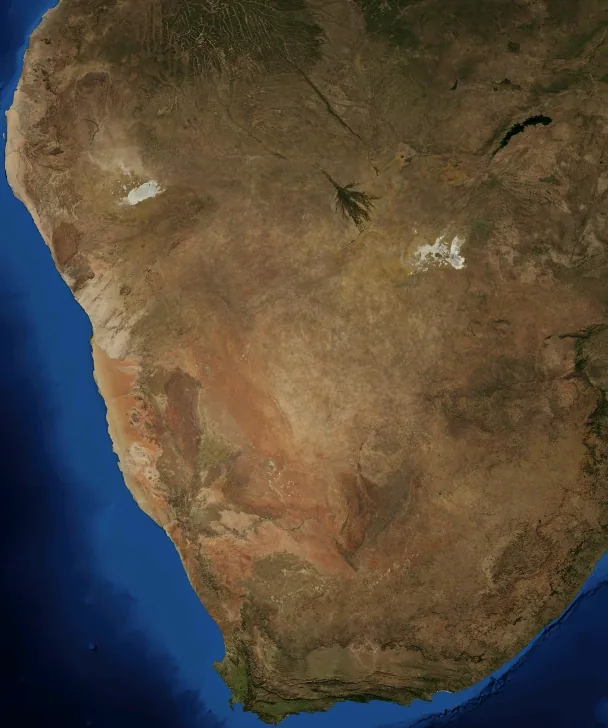
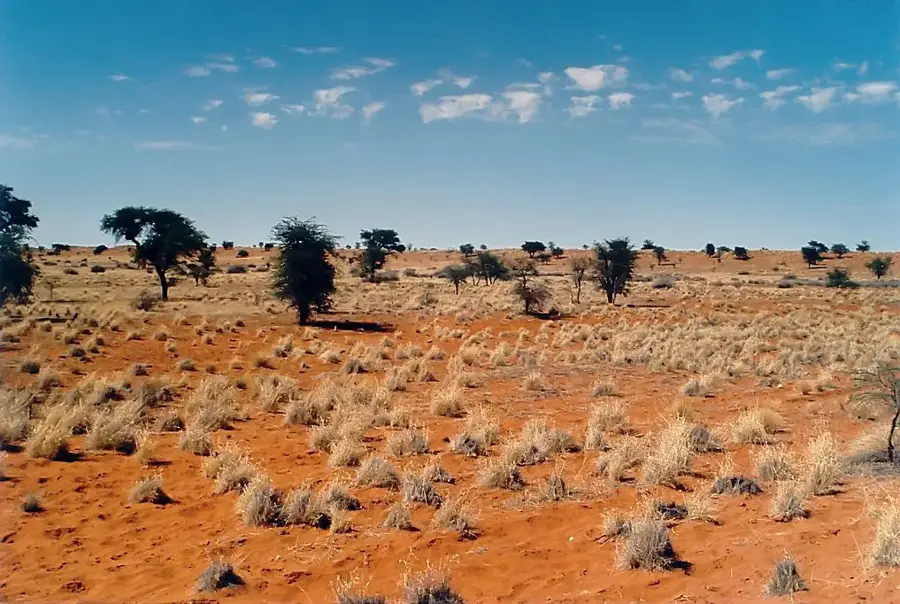
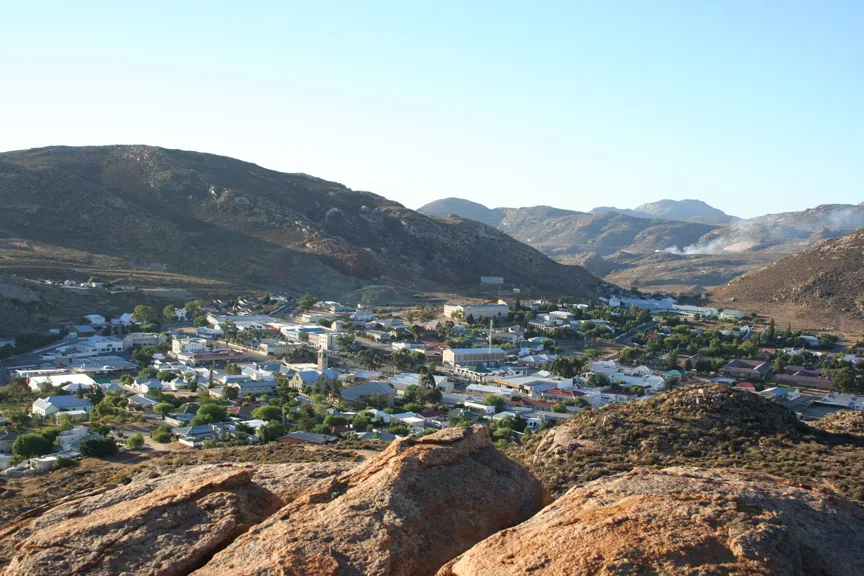
Kuruman is widely known as the 'Oasis of the Kalahari' and is situated in the northeastern section of the Northern Cape province. The town's most famous feature is 'The Eye' (Die Oog), a permanent natural karst spring that yields millions of liters of water daily, creating a lush green environment amidst the surrounding arid landscape. Historically, Kuruman achieved prominence through the work of Robert Moffat, a Scottish missionary who directed the London Missionary Society station here in the early 19th century. At this mission, he completed the first translation of the Bible into Setswana and printed it using the first printing press in Southern Africa. Geographically, the town sits on the fringes of the Kalahari Desert and functions as an essential support center for nearby manganese and iron ore mines. Today, Kuruman is a cultural melting pot and a popular stopover for tourists visiting the Kgalagadi Transfrontier Park.
- Location: South Africa
- Nearby: Kathu (47 km)
- Population: ~9.093 (2022)
Best time to visit & climate
The most pleasant time to visit is Mar, Oct, Nov.
| Jan | Feb | Mar | Apr | May | Jun | Jul | Aug | Sep | Oct | Nov | Dec | |
|---|---|---|---|---|---|---|---|---|---|---|---|---|
| Avg °C | 25 | 24 | 22 | 18 | 14 | 10 | 10 | 12 | 17 | 21 | 23 | 25 |
| Rain mm | 80 | 71 | 59 | 54 | 13 | 8 | 2 | 4 | 10 | 30 | 42 | 61 |
Geography
Facts
- Famous for 'The Eye,' a spring yielding 20-30 million liters daily
- Known as the 'Oasis of the Kalahari' due to its lushness
- Site of the Moffat Mission, established in the early 1800s
- Location of the first Bible translation into an African language
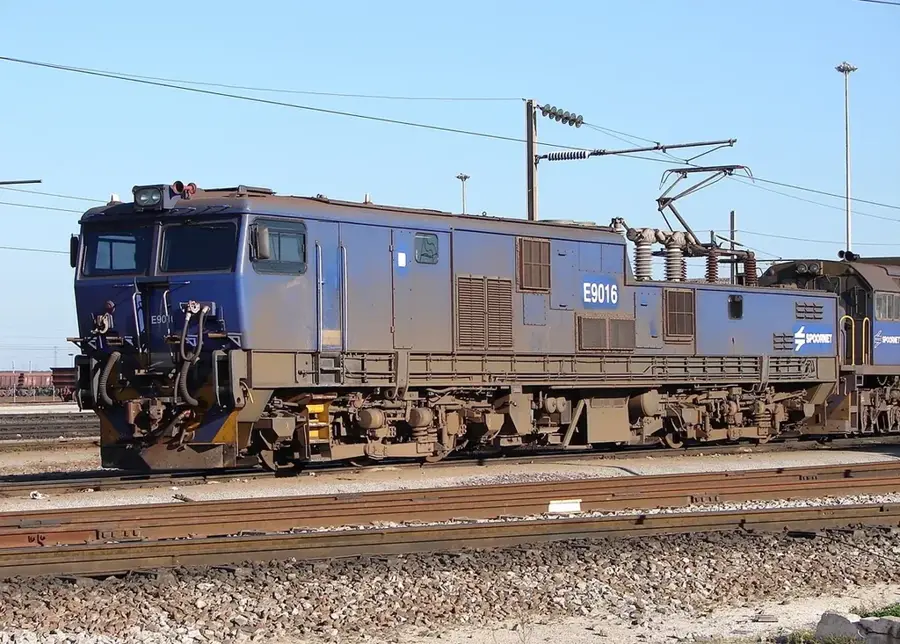
- Major service hub for manganese and iron ore mining
- Positioned on the Ghaap Plateau at the edge of the desert
Explore nearby
Notable places around


Route planner — Car & Motorhome
Where do you start? We build the route here, with stops and country notes along the way.
© OpenStreetMap contributors · OpenRouteService
Sights in the town Kuruman (1)
Frequently asked questions
What is the Eye of Kuruman?
Is it worth seeing?
What is the weather?
Are there accommodations?
Is it safe?
Kuruman: where is it located?
Kuruman: when is the best time to visit?
Kuruman: why is it worth visiting?

Nearby cities
History & landmarks
Nature
More places