Plizio Visual Lab

Orange River Mouth
Plizio editorial teamData Sources
River
—°1
Orange River Mouth (South Africa)

Weather…

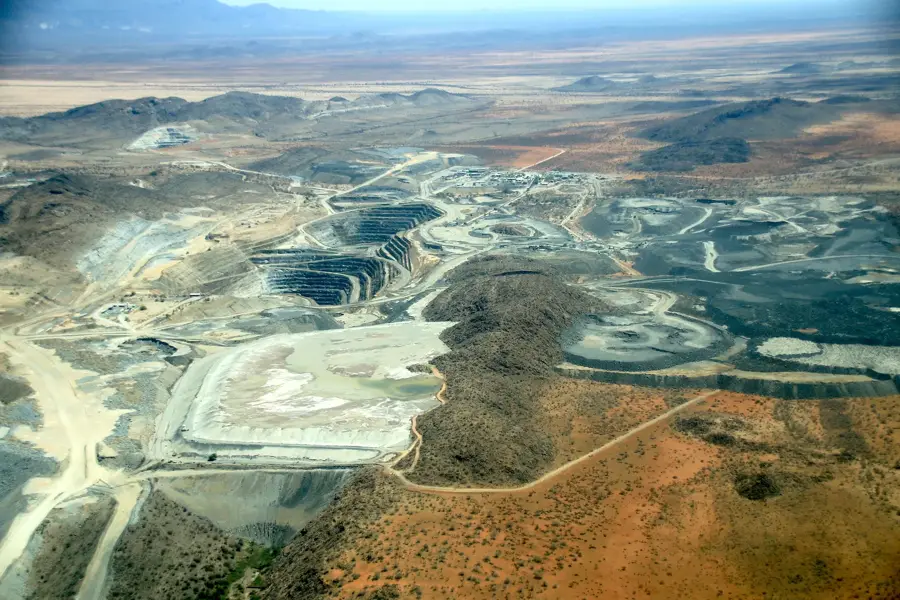
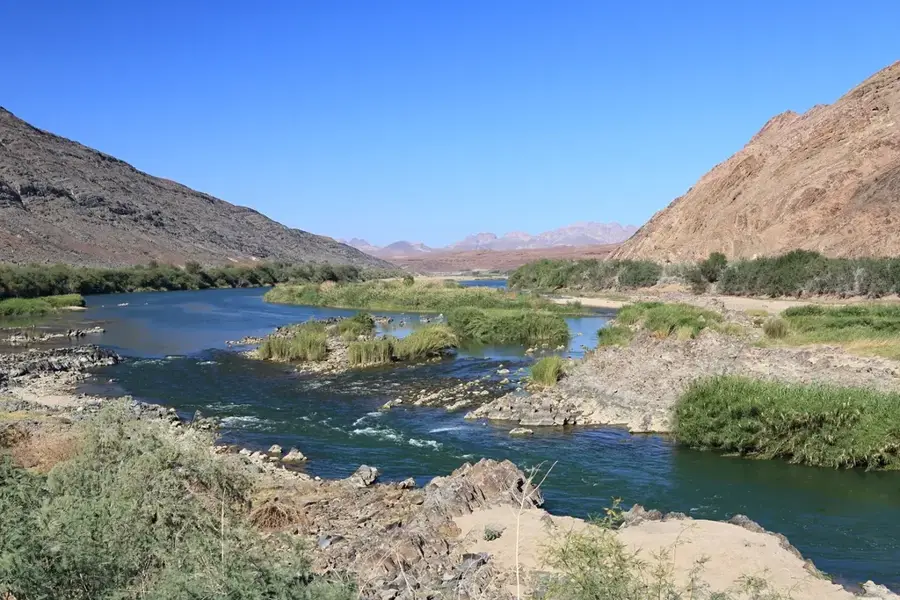
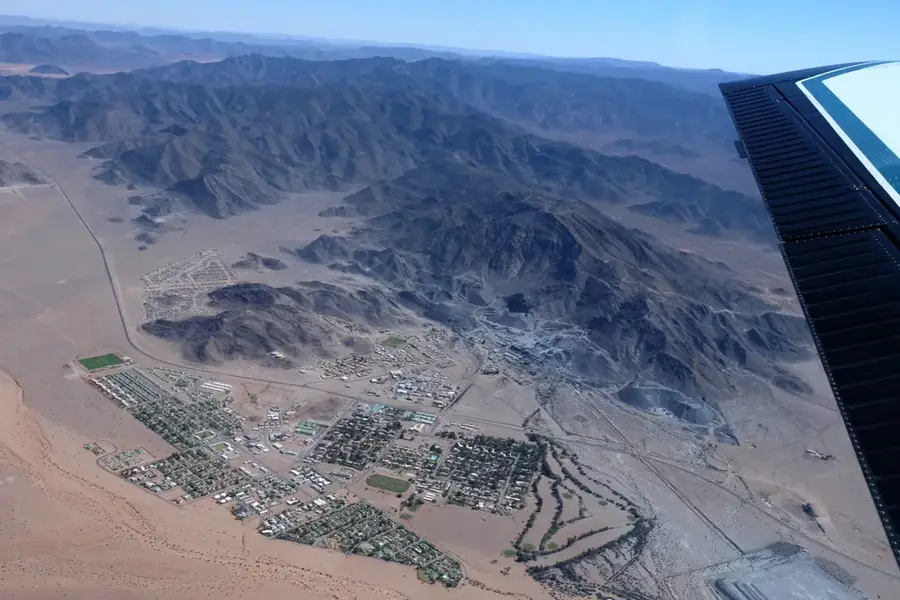
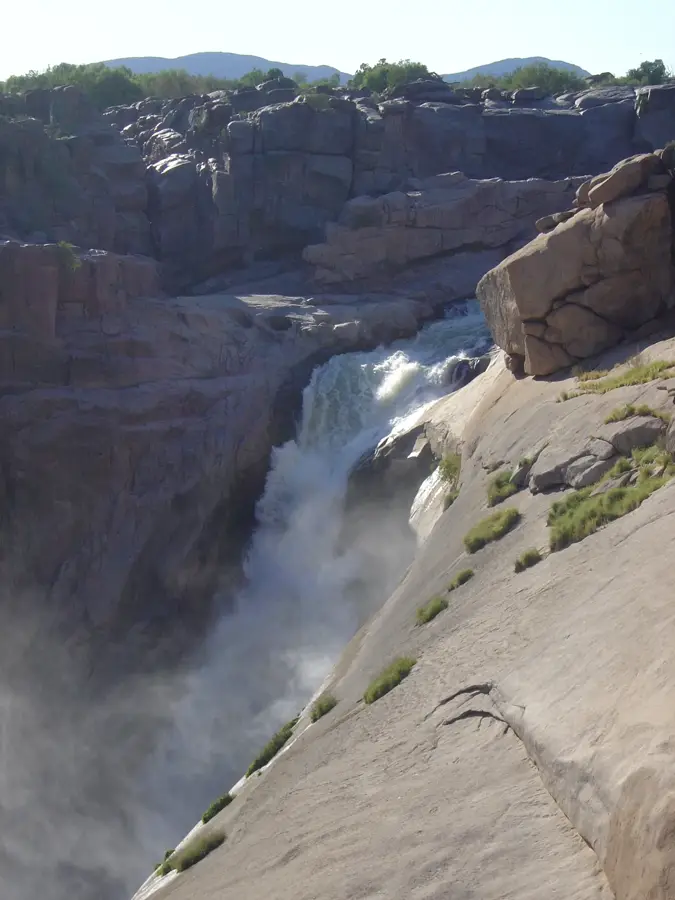
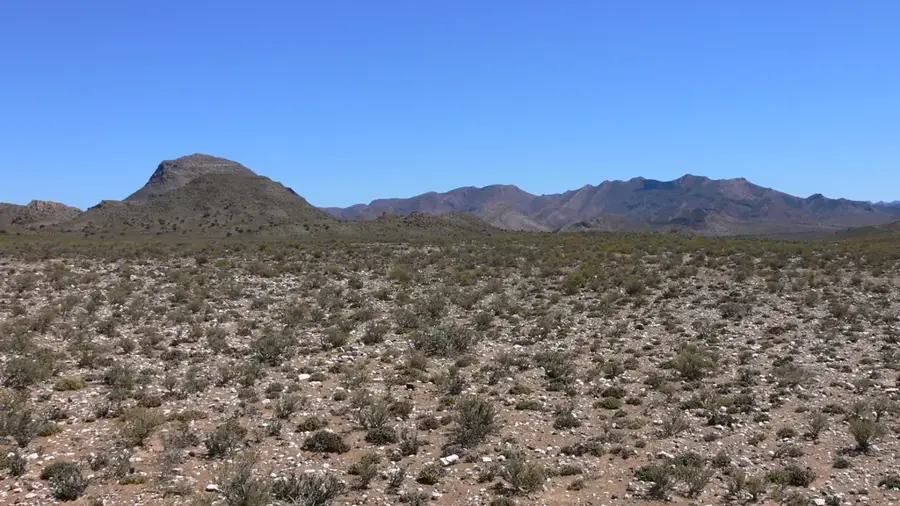
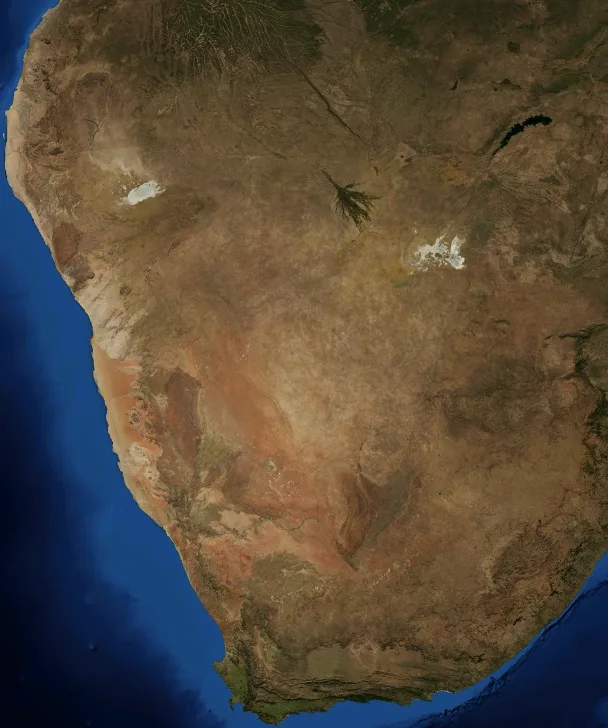
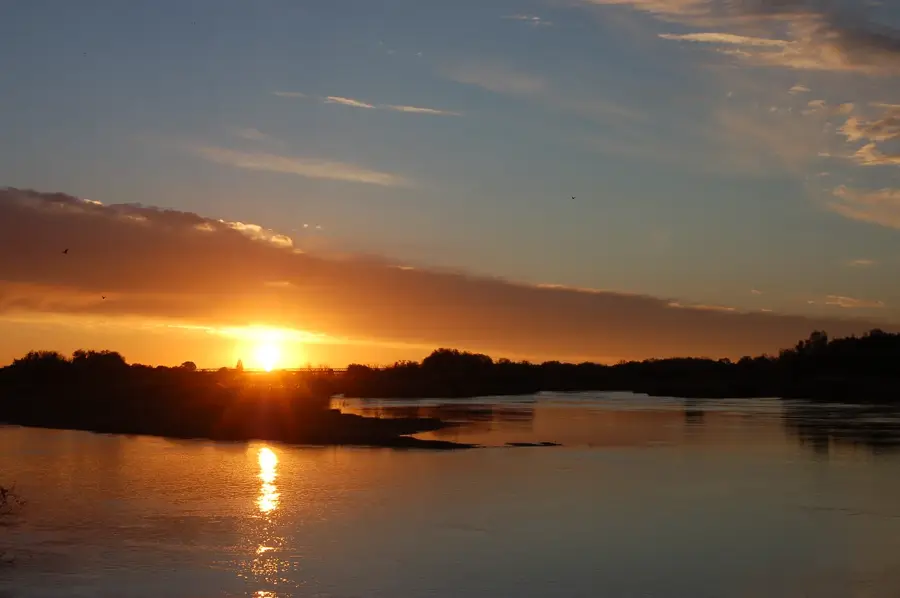
The mouth of the Orange River, situated on the border between South Africa and Namibia, is an ecologically sensitive wetland of immense international importance. Designated as a Ramsar site in 1995, it protects a complex system of sandbanks, lagoons, and salt marshes that stand in stark contrast to the surrounding Namib Desert. The river travels over 2,000 kilometers before discharging into the Atlantic Ocean here, depositing vast amounts of nutrient-rich sediment. This delta serves as a vital stopover and breeding ground for up to 25,000 waterbirds, including lesser flamingos and the endangered Damara tern. The vegetation consists of salt-tolerant species that help stabilize the delicate balance between freshwater and seawater. Historically, the region is inextricably linked to diamond mining, as the river has transported gemstones from the interior to the coast over millions of years. The town of Alexander Bay is the primary gateway for exploring this remote natural sanctuary. Despite industrial mining influences, the mouth remains a critical habitat for marine fauna, with seals and dolphins frequently spotted in the coastal waters. Preserving this ecosystem is a high conservation priority due to the challenges posed by climate change and upstream water extraction.

Best time to visit & climate

The most pleasant time to visit is Jan–Mar.

JanFebMarAprMayJunJulAugSepOctNovDec
Avg °C192019181715151415171819
Rain mm564857783582

📋 Practical info

🧭
Getting there
This important and scenic coastal delta is generally easily accessed via regional provincial roads leading directly into the border region. However, special advance permits are often required for legally entering specific, highly protected wetland zones.
📅
Best season
The milder and much more pleasant seasons of spring and autumn are typically the best times for exceptional bird watching in the region. Traveling then also nicely avoids the exceedingly harsh, biting, and often freezing coastal winds of the deep winter.
⛰️
Terrain & paths
The protected and vast landscape is a highly dynamic, ever-changing mixture of soft sandy beaches and marshy, muddy wetlands. Shifting, wet river channels can make simple crossing on foot quite difficult to occasionally completely impossible in places.
🎒
What to bring
High-quality optical binoculars are strongly recommended for detailed, long-distance wildlife and bird observation in this specific area. Equally important is excellent windproof outerwear, alongside very sturdy, water-resistant outdoor footwear for the frequently wet terrain.
🅿️
Parking
Designated and generally very secure parking areas are usually found right near the local nature reserve administrative offices. Alternatively, vehicles can often be safely left at the established viewing points scattered all along the immediate coastline.
⚠️
Safety
Visitors must be constantly aware of the incredibly strong river currents meeting often unpredictable, wild ocean tides right at the mouth. Additionally, one should always respectfully observe the strictly protected status of this very fragile, sensitive wetland ecosystem.
⏱️
Time needed
Thoroughly exploring the remarkably varied, wet habitats of the coastal delta truly demands some deliberate time. Those wanting to peacefully observe the rich, migratory birdlife should definitely plan for a comprehensive and leisurely half-day visit here.

Geography

Coordinates
-28.60000, 16.40000

Facts

  • Designated as an international Ramsar wetland since 1995.
  • Forms the official border between South Africa and Namibia.
  • Transports millions of tons of sediment to the Atlantic annually.
  • Critical breeding site for the endangered Damara tern.
  • Famed for having the world's richest alluvial diamond deposits.
  • Supports up to 25,000 waterbirds during peak seasons.

Explore nearby

Notable places around
Route planner — Car & Motorhome

Where do you start? We build the route here, with stops and country notes along the way.

Vehicle
Only stops with (optional):

© OpenStreetMap contributors · OpenRouteService

Sights in the town Orange River Mouth (1)

Bom Jesus (ship)📍 landmark

Bom Jesus is a historic shipwreck discovered off the coast of Namibia near the Orange River mouth.

Sights nearby

Frequently asked questions

What is special about the mouth?
It is an important protected area for migratory birds and a unique landscape.
Can you watch birds there?
Yes, it is one of the best places for birdwatching in South Africa.
When is the best time?
The summer months are well-suited for birdwatching.
How do you get there?
The journey is somewhat remote; a 4x4 vehicle is recommended.
Do I need a permit?
Check in advance, as some areas are restricted for nature conservation.
Orange River Mouth: where is it located?
Orange River Mouth is located in South Africa.
Orange River Mouth: when is the best time to visit?
The most pleasant time to visit is Jan, Mar.
Orange River Mouth: why is it worth visiting?

The mouth of the Orange River, situated on the border between South Africa and Namibia, is an ecologically sensitive wetland of immense international importance.
View on map → The Top 50 Attractions → OpenStreetMap →
Africa
Explore with Plizio Discover more places in Africa
More places in South Africa →

Nearby cities

History & landmarks
Nature

More places